Priya, a 26-year-old graduate student in Boston, Massachusetts, had been bingeing and purging multiple times a day for almost five years. She had told one therapist about it, briefly, four years ago. Her boyfriend knew, more or less. Her family did not. The Saturday night that ended her secret began like most Saturday nights: a binge, a purge, a long shower, the careful cleanup. This time, halfway through the purge, something tore. The pain in her chest was unlike anything she had ever felt. She told her boyfriend it was acid reflux. He took her to the ER anyway because she was pale and sweating. The CT showed free air in her chest, a Mallory-Weiss tear that had progressed to esophageal perforation. She was in surgery within ninety minutes. The surgeon told her family that without prompt intervention, the outcome would have been catastrophic. Priya’s case is rare in its specific anatomy, but the general pattern, of an eating disorder medical emergency arriving without warning in someone whose family had no idea how sick she was, is not rare at all.
Bulimia Nervosa: The Body’s Limits Are Not What People Assume
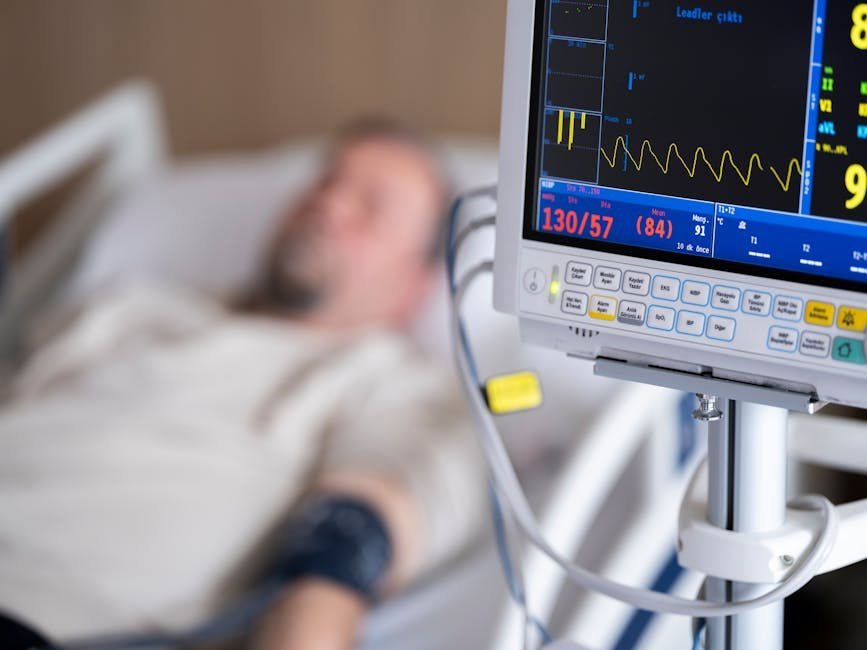
Bulimia nervosa is too often perceived, even by clinicians, as a less dangerous diagnosis than anorexia. The reasoning seems to be that people with bulimia are not severely underweight, so the body is somehow holding up. The truth is that the medical complications of frequent purging accumulate quietly and can become acutely dangerous with no warning. The cardiovascular system, the gastrointestinal tract, and the electrolyte balance all live close to the edge in patients who purge multiple times a day. Recognizing an eating disorder medical emergency in a normal-weight or overweight patient takes more clinical attentiveness than recognizing one in a visibly emaciated patient.
- Mallory-Weiss tears: longitudinal lacerations at the gastroesophageal junction caused by forceful vomiting
- Boerhaave syndrome: full-thickness esophageal rupture, a surgical emergency with high mortality if delayed
- Severe hypokalemia: low potassium from vomiting or laxative abuse, leading to muscle weakness, paralysis, or fatal cardiac arrhythmia
- Hyponatremia and hypochloremic metabolic alkalosis from chronic vomiting
- Parotid gland swelling: persistent painless enlargement that can be permanent
- Dental erosion and chronic esophagitis
- QT prolongation and torsades de pointes from electrolyte derangements
- Aspiration pneumonia, particularly during a binge with altered consciousness from substances
The Hypokalemia Problem and Why It Kills People Quietly
Of all the medical complications of bulimia, low potassium is the one that disposes of patients without much warning. Potassium below 3.0 mmol/L, and especially below 2.5, is associated with arrhythmias including torsades de pointes, ventricular fibrillation, and sudden cardiac death. Patients often feel only a vague weakness or fatigue, sometimes muscle cramps, sometimes nothing. The first symptom can be the last one. Diuretic abuse layered on top of vomiting compounds the risk. Laxative abuse, contrary to popular belief, does not effectively reduce caloric absorption but does reliably deplete potassium and disrupt the colonic motility apparatus, sometimes permanently. ER labs in any patient with active purging behavior should always include a basic metabolic panel, magnesium, and an ECG. Many ER teams, particularly those without specific eating disorder experience, do not think to ask about purging in a normal-weight patient with vague complaints.
Binge Eating Disorder Has Its Own Emergencies
Binge eating disorder, formally recognized in the DSM-5, is the most common eating disorder in the United States, more prevalent than anorexia and bulimia combined. The medical emergencies are different but real. Acute pancreatitis from a single very large binge has been described, particularly in patients with underlying hypertriglyceridemia. Acute hyperglycemic crises in patients with type 2 diabetes can occur after large carbohydrate-heavy binges. Gastric rupture from extreme binge volumes is rare but documented in the literature, often presenting with severe abdominal pain, distension, and sepsis. The gastric distention itself, even short of rupture, can cause respiratory compromise by pressing on the diaphragm. Patients with binge eating disorder and significant obesity face a longer-term constellation of cardiovascular and metabolic risks that should not be confused with the acute presentations but do shape overall medical risk.
How Bulimia Decompensation Differs From Anorexia Decompensation
The acute medical risks of anorexia center on the consequences of starvation: bradycardia, hypotension, hypoglycemia, hypothermia, and the cascade of refeeding syndrome that occurs when calories are reintroduced too quickly. Articles on anorexia medical emergency management cover this territory in detail, and so do those on refeeding syndrome. The acute medical risks of bulimia center on purging: tears, electrolyte chaos, arrhythmias, and the consequences of dehydration. Patients with mixed presentations, restricting and purging, can develop both at once, which complicates assessment. The instinct to discharge a normal-weight purging patient because she “looks okay” is one of the persistent failure modes of eating disorder care in non-specialized hospitals.
What ER Labs Should Always Be Ordered
- Complete metabolic panel including potassium, sodium, chloride, bicarbonate, BUN, creatinine
- Magnesium and phosphate, both commonly low and not on default panels
- Calcium, often deranged in chronic eating disorders
- Liver function tests, especially in any patient with significant restriction
- Complete blood count to assess for anemia and leukopenia
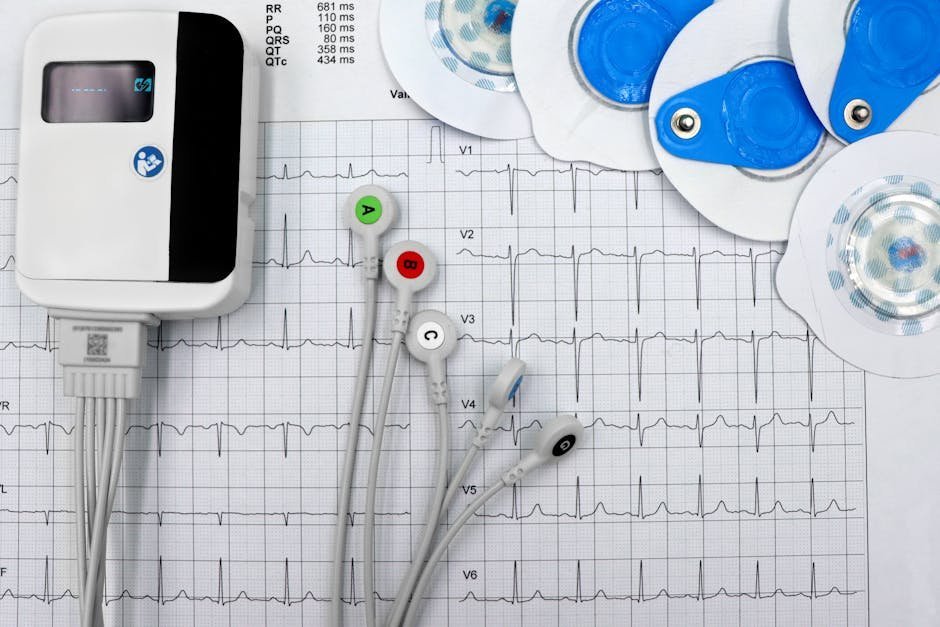
- EKG to assess QT interval and rhythm
- Urinalysis with specific gravity to assess hydration status
- Pregnancy test in any female of reproductive age, given altered medication and clinical decisions
- Beta-hydroxybutyrate or anion gap if starvation ketosis is suspected
- Lipase and amylase if abdominal pain or recent extreme binge
This panel is not exotic, and yet ER teams sometimes order only a basic metabolic panel and a CBC, missing magnesium, phosphate, and the EKG that would catch a prolonged QT before a fatal arrhythmia.
The Academy for Eating Disorders Medical Hospitalization Criteria
The Academy for Eating Disorders publishes consensus criteria for medical hospitalization in eating disorders, applicable across diagnoses. ER physicians should know these by heart, but in practice the criteria are not consistently applied, particularly in normal-weight patients. The criteria include:
- Heart rate below 50 in adults or below 45 in adolescents
- Systolic blood pressure below 90 in adults or postural drop greater than 20
- Body temperature below 36 degrees Celsius
- Significant orthostatic changes in pulse or blood pressure
- Potassium below 3.0 mmol/L
- Sodium below 130 or above 150
- Phosphate below 2.5 mg/dL
- Magnesium below 1.5 mg/dL
- Glucose below 60 mg/dL
- QTc above 450 ms or arrhythmia
- Acute medical complications: syncope, seizures, congestive heart failure, pancreatitis, hematemesis
- Suicidality or significant comorbid psychiatric instability
- Failure of outpatient treatment with continued weight loss or worsening medical parameters
A patient meeting any of these should be admitted, ideally to a medical service with eating disorder consultation, not simply discharged with outpatient follow-up. Specialized inpatient and residential eating disorder treatment centers often coordinate the medical-to-psychiatric transition once stabilization is achieved.
The Ipecac Warning Families Should Know About
Ipecac syrup, once available over the counter and used to induce vomiting in poisoning cases, was sometimes obtained and abused by patients with bulimia in earlier decades. Chronic ipecac use causes a cumulative cardiomyopathy that is partially or fully irreversible. Karen Carpenter’s death in 1983, attributed in part to long-term ipecac use, made the danger newly visible. Ipecac is no longer routinely sold in the United States, but residual supplies exist, and online channels can still provide it. Families and clinicians should specifically ask about ipecac and laxative use as part of any eating disorder history, even when patients are reluctant to disclose. The cardiomyopathy associated with chronic ipecac is not always reversible even with cessation, which makes early detection critical.
Finding the Right Team in the ER and After

Eating disorder care is, more than most diagnostic categories, a specialty within a specialty. ER physicians vary widely in their familiarity with the medical complications, and psychiatric consult services in general hospitals may not have specific eating disorder expertise. Patients and families navigating an acute presentation should ask, when possible, whether the hospital has an adolescent medicine service, a medical eating disorder consult team, or a relationship with a regional specialty center. Once medically stable, the transition to specialized treatment, residential, partial hospital, intensive outpatient, depending on severity, is the longer arc that determines whether the medical emergency becomes a turning point or a recurring event. Families often underestimate how much of recovery happens in the months after discharge, when daily structure, meal support, and trauma-informed therapy work together.
The National Eating Disorders Association maintains a helpline (1-800-931-2237) and treatment finder. The National Institutes of Health publishes patient resources on eating disorders and their medical complications.
Frequently Asked Questions
My loved one is a normal weight. Can they really need ER care?
Yes. Body weight is a poor predictor of medical risk in patients who purge. Electrolyte derangements, esophageal injury, and arrhythmias can occur at any weight. If your loved one is purging multiple times a day, an ER visit and lab evaluation is warranted, particularly if they report chest pain, palpitations, weakness, or any acute new symptom.
What does a Mallory-Weiss tear feel like?
Most commonly, sudden chest or upper abdominal pain during or after vomiting, often with hematemesis (vomiting blood) that can range from streaks to bright red. A full-thickness esophageal rupture (Boerhaave) is more dramatic, with severe pain, often radiating to the back, and rapid clinical deterioration.
Can binge eating disorder cause emergencies?
Yes, though less frequently than bulimia. Acute pancreatitis after a very large binge, hyperglycemic crisis in diabetic patients, and rare but documented gastric rupture are all possible. Severe abdominal pain or distension after a binge warrants medical evaluation.
How do I get my family member into specialized treatment?
Once medically stable, contact a specialized eating disorder treatment center directly to begin assessment. NEDA’s helpline can help with referrals. Insurance navigation is often complex, and many programs have intake coordinators who help with this. Treatment levels range from outpatient to residential depending on severity.
What labs should be checked at the ER?
At minimum: complete metabolic panel, magnesium, phosphate, complete blood count, EKG, and pregnancy test if applicable. If purging is recent, lipase and an upright chest X-ray to evaluate for free air may be appropriate. Asking about magnesium and phosphate specifically is reasonable because these are sometimes omitted.
The Bottom Line
Bulimia and binge eating disorder can produce sudden, life-threatening medical emergencies that are easy to miss because the patient does not look like the cultural picture of an eating disorder. An eating disorder medical emergency can include esophageal tears, severe hypokalemia with arrhythmia, pancreatitis, and gastric rupture, and these events do not require visible thinness. The Academy for Eating Disorders publishes specific medical hospitalization criteria that should guide ER decisions. Families and clinicians should ask directly about purging frequency, ipecac, and laxative use; the answers shape both immediate care and long-term planning. The ER visit is a window. Specialized eating disorder treatment is the longer road that turns a window into a recovery.
If you or someone you love is in crisis, call or text 988 to reach the Suicide and Crisis Lifeline. The National Eating Disorders Association helpline is available at 1-800-931-2237.
This article is for general educational purposes and does not replace medical advice. Eating disorders are serious illnesses with significant medical risk; if you or a loved one are struggling, please reach out to a qualified clinician.