The volunteer firefighters in a small Kentucky town arrived at the abandoned barn around eleven on a school night and found Bryce, fourteen, cyanotic and pulseless on the dirt floor. A can of computer duster was clutched in his right hand. His best friend, sobbing nearby, said Bryce had been spraying it into a paper bag and breathing in for “a couple of seconds for the head rush” the way they had done on weekends since the start of eighth grade. The medics worked Bryce for forty minutes. He never came back. The county coroner wrote, in language his parents had never heard before, that Bryce had died of sudden sniffing death syndrome. The local emergency physician spent the next morning on the phone with three different school superintendents, because Bryce was the second adolescent inhalant fatality in that county in eighteen months and the first had also occurred during what the kids on the bus called “huffing duster.” The hospital later assembled a parent night to teach families what to look for, what is in the hardware store aisle, and why a product labelled non-toxic at room temperature can stop a teenager’s heart.
An inhalant abuse emergency is one of the most under-recognised crisis presentations in American medicine. Inhalants are the only class of substances of abuse that adolescents typically use at higher rates than adults, partly because they are legal, cheap, and labelled in ways that obscure their toxicity. Because the products are mundane, parents and pediatricians often miss the early signs. Because the high lasts only a few minutes, users redose repeatedly within an hour, multiplying risk. Because cardiac sensitisation can convert a routine adolescent startle response into a fatal arrhythmia, the first inhalant emergency many families ever encounter is also the last. This guide explains the chemistry, the recognition pattern, the ER management, and the prevention work that actually changes outcomes.
What “Inhalants” Actually Means
The clinical category covers any volatile substance that produces an acute psychoactive effect when inhaled. The list is long and dispiritingly easy to fill from a hardware store or a kitchen cabinet. Aliphatic and aromatic hydrocarbons such as toluene appear in spray paint, paint thinner, and rubber cement. Halogenated hydrocarbons such as 1,1-difluoroethane appear as the propellant in computer keyboard duster. Butane and propane are present in cigarette lighter refills and camping fuel. Nitrites, the so-called “poppers,” are sold openly in some adult retail spaces. Anaesthetic gases, especially nitrous oxide, are sold in whipped-cream chargers and increasingly in larger steel canisters. Each subclass has slightly different toxic profiles, but the cardiac risk runs through almost all of them.
Sudden Sniffing Death Syndrome: The Cardiac Mechanism
The mechanism behind sudden sniffing death is well characterised. Volatile hydrocarbons sensitise the myocardium to circulating catecholamines, especially epinephrine. A user who is startled, exerted, or excited during or shortly after inhalation surges adrenaline, and the sensitised heart responds with a malignant ventricular arrhythmia. The arrhythmia produces sudden cardiac arrest, often without warning and within seconds. Resuscitation is difficult because the heart will re-fibrillate as long as catecholamines and the inhalant remain. This is why the standard ER teaching is to avoid epinephrine in the resuscitation of a known inhalant cardiac arrest if any other option exists, and to prefer beta blockade or amiodarone for stabilisation.
The Hardware Store Inventory
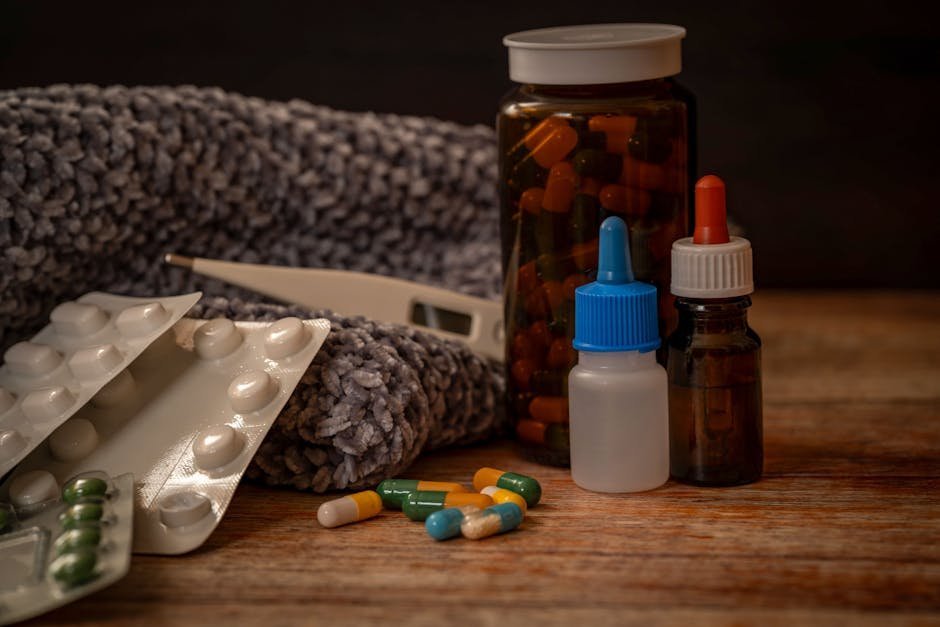
Parent education sessions usually move through a short, sobering inventory. Computer keyboard duster contains a difluoroethane propellant and is often the entry product because the cans are colourful, cheap, and stocked at every office supply store. Cigarette lighter refills contain butane. Spray paint, especially silver and gold, contains the highest toluene fractions. Aerosol cooking spray, hairspray, and deodorant all carry hydrocarbon propellants. Whipped cream chargers contain nitrous oxide; larger canisters sold openly online have created a fresh wave of nitrous use among older teens and young adults. Permanent markers, glue, nail polish remover, and gasoline round out the casual list.
- Computer keyboard duster, very common with adolescent users
- Cigarette lighter refills containing butane
- Spray paint, particularly metallic colours with high toluene content
- Aerosol household products, including hairspray and cooking spray
- Whipped cream chargers and larger nitrous canisters
- Permanent markers, glue, paint thinner, and gasoline
Recognising Use at Home or School
The signs are recognisable once a parent or teacher knows what to scan for. Paint or chemical stains around the nose, mouth, or hands, especially with a chemical smell on breath or clothing. Empty product containers in unusual places like a bedroom drawer or the back of a closet. A sudden interest in the household cleaning supplies or art aisle. Slurred speech, unsteady gait, dizziness, and apparent intoxication without alcohol odour. Conjunctival injection. Watery eyes. Frequent headaches. Cognitive changes such as difficulty concentrating or sudden academic decline. Behavioural shifts, including secretive social patterns, lying about whereabouts, and withdrawal from prior friend groups.
Acute ER Management
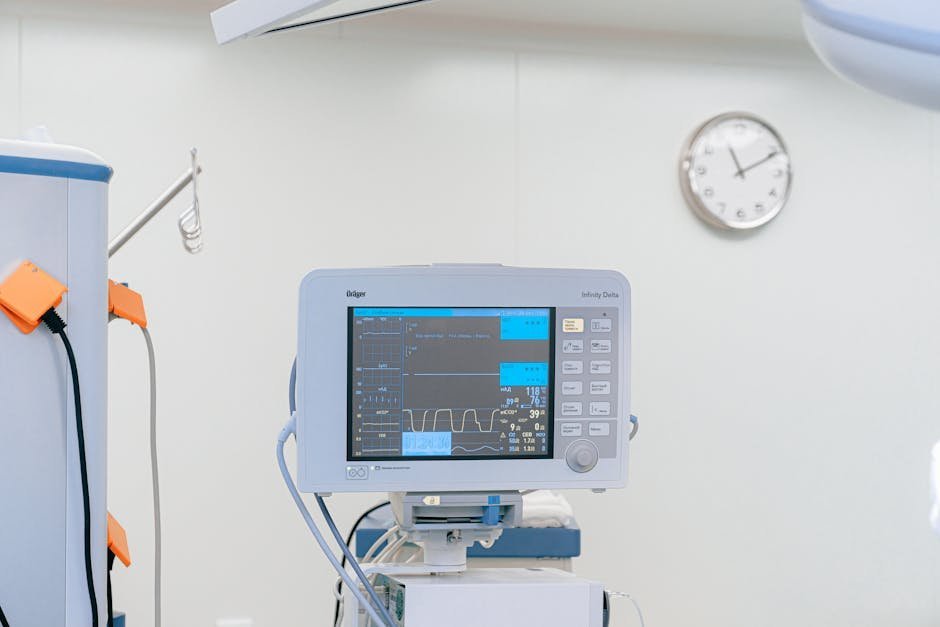
The most important first decision is to keep the patient calm and avoid sympathetic surge. The standard approach prioritises reducing stimulation, supporting airway and breathing, and obtaining continuous cardiac monitoring for at least twenty-four hours because delayed arrhythmias are well documented. IV access is established but agitation is managed with low-dose benzodiazepines rather than physical struggle. Catecholaminergic medications, especially epinephrine, are avoided where possible. Beta blockers are the preferred antiarrhythmic in many cases of inhalant-related ventricular dysrhythmia. Hepatic and renal function are monitored because hydrocarbon metabolism is hard on both. Patients who have aspirated solvent require pulmonary care for chemical pneumonitis.
Patients in concurrent withdrawal from other substances, especially alcohol or stimulants, require parallel management. Our piece on stimulant withdrawal recovery covers concurrent stimulant detox patterns, and our walkthrough of medical alcohol detox covers the alcohol component when it co-occurs.
Neurological Sequelae from Chronic Use
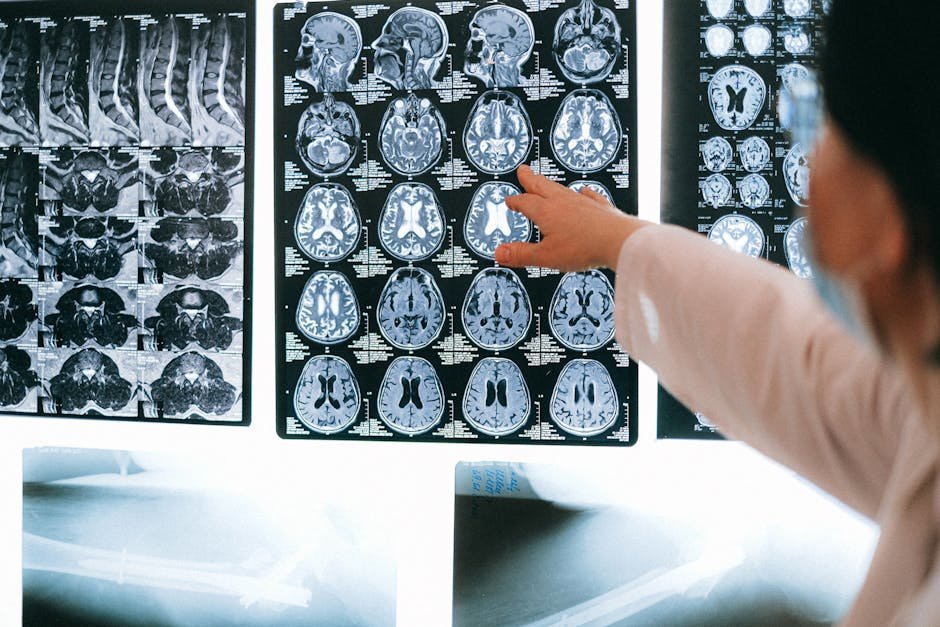
Chronic inhalant use, especially of toluene-containing products, produces cumulative damage to white matter, the cerebellum, and peripheral nerves. Imaging studies of long-term users show diffuse white matter signal changes, cerebellar atrophy, and brainstem damage. Clinically these patients present with cognitive impairment, ataxia, tremor, peripheral neuropathy, and frequent psychiatric symptoms including depression and apathy. Some neurological deficits improve with abstinence over months to years; others are permanent. Optic neuropathy is a recognised complication, as is hearing loss. Bone marrow suppression has been described with chronic benzene exposure from inhalant abuse.
Family Education and Prevention
Prevention work is unusually high yield because the entry age is young, the products are cheap, and most adolescents have never been told that a single use can kill them. Schools that include inhalants in their substance education curricula, especially in middle school, see measurable changes in attitudes and intentions. Parental supervision of household chemical inventory, locked storage of solvents and aerosols in homes with at-risk teens, and frank conversations about sudden cardiac death are the practical interventions.
The federal drug abuse research institute publishes adolescent-focused prevention material that parents and teachers can use directly. Their inhalant resource page is at NIDA on inhalants. The federal substance abuse and mental health agency runs a complementary set of family resources at SAMHSA National Helpline.
Aftercare and Cost
Treatment for inhalant use disorder is structurally similar to treatment for other substance use disorders, with adolescent and family components added. Residential programs that accept teens, partial hospitalisation programs, and intensive outpatient programs all participate. Family therapy is more central than in many adult addiction programs because the home environment, including secure storage of household chemicals, is part of the care plan. Cost varies widely; our walkthrough on the true cost of drug and alcohol rehab covers the financial decisions families face.
Frequently Asked Questions
How likely is sudden death from one use?
The risk per use is small in absolute terms but real, and it does not require many uses to occur. Cases of fatal arrhythmia on the first known use are documented across the literature. Risk is amplified by physical exertion, emotional excitement, and concurrent stimulant use during or just after inhalation.
Will my child show up positive on a standard drug screen?
Most inhalants are not detected by standard urine drug screens. Specialised tests can detect toluene metabolites or breath analysis can detect recent exposure. Parents who suspect inhalant use should focus on behavioural signs and product evidence rather than expecting a routine screen to confirm.
Is nitrous oxide as dangerous as the hydrocarbons?
Nitrous oxide carries different risks. It rarely causes the sudden cardiac death pattern of hydrocarbon inhalants, but it inactivates vitamin B12 and chronic use produces a severe peripheral and central neuropathy that can be permanent. Cases of paralysis from large-canister nitrous use have surged in the last few years.
Should I take my teen to the ER if I find an empty duster can?
If the teen is asymptomatic, no, but make a same-week appointment with their pediatrician for assessment and counselling. If the teen has any chest pain, palpitations, syncope, severe headache, or altered mental status, call emergency services immediately and do not let them exert physically.
Will inhalant use show up on a school physical?
Routine school physicals do not screen for inhalants. A physician who knows what to look for may notice perioral stains, characteristic odours, or behavioural concerns and bring them up confidentially. Parents who want a focused evaluation should ask the pediatrician directly.
The Bottom Line
An inhalant abuse emergency is preventable, treatable, and dramatically under-discussed. The products are mundane, the high is brief, the cardiac risk is real on the first use, and the neurological sequelae of chronic use are unforgiving. Recognition at home and at school is the single most useful intervention; the second is calm, monitored ER care that avoids sympathetic surge during stabilisation; the third is a structured aftercare program that includes the family. Bryce’s family in Kentucky now spends some Saturdays at parent nights organised by their hospital, talking to other parents about what they wish someone had told them earlier.
If you or someone you love is in immediate danger, dial or text 988 in the United States to reach the Suicide and Crisis Lifeline. The line is free, confidential, and available around the clock.
This article is for general educational purposes and does not replace evaluation by a licensed clinician. Decisions about emergency care, hospitalization, and aftercare belong with your treating team and depend on the particulars of your situation.