Daniel Okafor, a 47-year-old construction supervisor in Houston, agreed to try music therapy because his daughter Amara had asked him for one favour after his stroke. He could walk again, but his speech had stalled in a way the speech therapist could not budge. Words came in fragments. He sang, however, fluently. His daughter had read about a clinical technique called Melodic Intonation Therapy, designed for stroke survivors with non-fluent aphasia, and had found a board-certified music therapist in Houston who used it. The first session was, in Daniel’s later description, “humiliating and miraculous in equal parts.” He could not say his own address. He could sing it, in a slow rising melody, with eighty percent accuracy. Six months later he was leading short meetings at his job again. He was not cured. He was not magical. But he had recovered access to language through a clinical pathway most of his neighbours did not know existed. Music therapy mental health work is not the same as the Spotify “calm focus” playlist. This guide separates the evidence-based clinical practice from the wellness performance that has grown up around it.
What a Board-Certified Music Therapist Actually Is
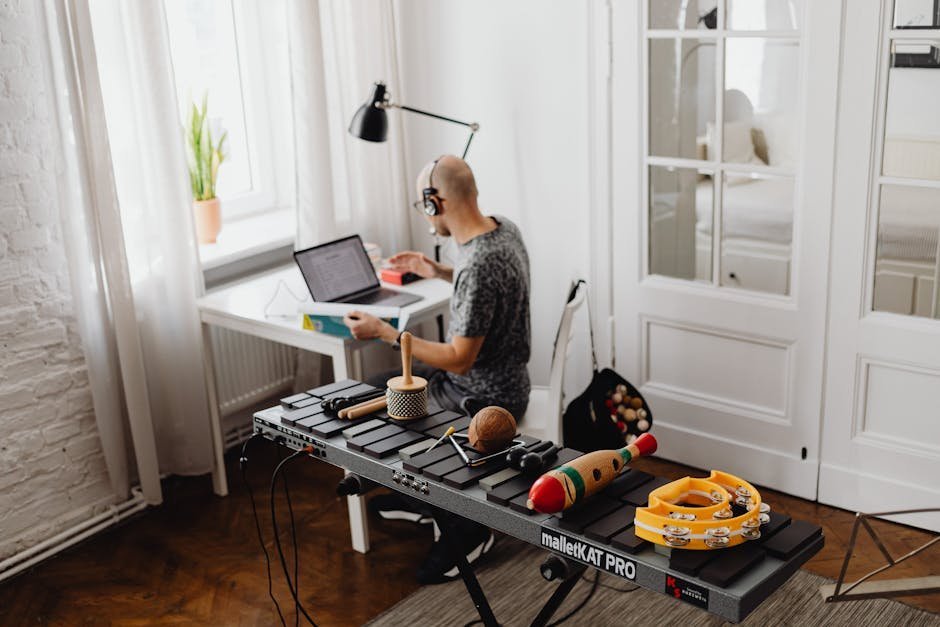
The credential to look for in the United States is MT-BC, which stands for Music Therapist, Board-Certified. The credential is awarded by the Certification Board for Music Therapists after a candidate completes a bachelor’s or master’s degree in music therapy from an American Music Therapy Association approved programme, completes at least 1,200 hours of clinical training, and passes a national board examination. MT-BCs are required to maintain continuing education and are bound by a clinical code of ethics.
A “sound healer,” “vibrational therapist,” “shamanic drum facilitator,” or DJ describing their set as “therapeutic” is not the same thing. None of those titles requires clinical training, supervised practice, or any standardised credential. Some sound practitioners are skilled and well-meaning. Others are charging hundreds of dollars an hour for unregulated services. The distinction matters most when the person seeking help has a clinical condition, such as PTSD, severe anxiety, dementia, or a neurological injury, where the wrong intervention can do harm.
The American Music Therapy Association and the Profession
The American Music Therapy Association, or AMTA, is the professional body for music therapy in the United States. It accredits university programmes, sets clinical competencies, and publishes the Journal of Music Therapy and Music Therapy Perspectives, both peer-reviewed. AMTA’s directory at musictherapy.org is the most reliable starting point for finding a credentialed clinician in a given state.
The profession is small. As of recent counts, there are roughly 9,000 board-certified music therapists practising in the United States, concentrated in hospitals, hospice settings, schools serving children with developmental disabilities, psychiatric units, and rehabilitation centres. Outpatient music therapy in private practice exists but is rarer than psychotherapy or occupational therapy. The scarcity matters because it shapes both insurance coverage and waiting times.
Where the Evidence Is Strongest
Music therapy has stronger evidence in some clinical applications than in others. Consumers benefit from knowing the difference.
- Anxiety reduction in surgical and procedural settings. Multiple Cochrane reviews have found that music therapy reduces preoperative and intraoperative anxiety, lowers analgesic requirements, and modestly reduces blood pressure.
- Dementia care. Music therapy reduces agitation, improves mood, and increases verbal expression in people with moderate to severe dementia, with effects that often outlast the session by hours.
- Autism spectrum communication. Improvisational music therapy improves social engagement and joint attention in children on the spectrum in randomised trials.
- Neonatal intensive care. Live music therapy in NICUs has been associated with improved feeding, faster weight gain, more stable vital signs, and reduced parental anxiety.
- Neurologic music therapy for stroke and TBI. Techniques such as Melodic Intonation Therapy and Rhythmic Auditory Stimulation have replicated evidence for gait rehabilitation and aphasia recovery.
These are not soft outcomes. They are measured with the same instruments used to evaluate any other clinical intervention.

Mood, Music, and the Limits of Hype
The research on listening to music for mood, separate from clinical music therapy, is real but more modest than the wellness industry suggests. Listening to preferred music can lower cortisol, reduce self-reported anxiety, and modestly improve mood, particularly when paired with other practices. The effects are not specific to any genre, frequency, or “binaural beat.” The single biggest predictor of benefit is whether the listener actually likes the music. Research subjects who listened to genres they disliked sometimes showed cortisol increases.
This is the part most often overstated. Spotify-curated “anxiety relief” playlists, 432-Hz tracks, and “scientifically engineered” focus music have very little independent evidence beyond what any preferred music delivers. They are not harmful. They are simply not, in clinical terms, music therapy. The claim that a particular frequency restores cellular health is not supported by replicated research.
Group Drumming and Trauma
Group drumming, sometimes called community drumming or therapeutic drumming, sits in an interesting middle position. Studies of veterans with PTSD have found reductions in hyperarousal symptoms after structured group drumming programmes, particularly when combined with talk-based trauma work. The mechanism likely combines rhythmic entrainment of the nervous system, group synchrony, and the felt safety of shared physical activity that does not require verbal disclosure.
Group drumming led by a board-certified music therapist with trauma training is different from a community drum circle led by a layperson. Both can have value. For someone with diagnosed PTSD, particularly complex trauma, the clinical version is the safer entry point. Our companion guide to trauma residential and PTSD treatment covers when intensive care makes sense.
Contraindications and Cautions
Music is not universally safe. The contraindications are real but rarely discussed.
- Severe migraine. Headphone listening at moderate volumes can trigger or worsen migraine in susceptible individuals. Open-air listening at lower volumes is usually better tolerated.
- Trauma triggers. Specific songs, instruments, or genres may be linked to traumatic events. A skilled music therapist screens for this. A wellness DJ rarely does.
- Auditory hallucinations. People with active psychotic symptoms may experience increased distress from certain musical structures, particularly highly layered or dissonant music.
- Hearing loss and tinnitus. Loud listening, especially through earbuds, can worsen both conditions. Music therapy programmes for tinnitus exist and are different from recreational listening.
- Misophonia and sound sensitivity. Some neurodivergent individuals experience certain sounds as physically painful. Forced exposure, even to “calming” music, can cause harm.
A trained MT-BC asks about all of these in intake. A “vibrational practitioner” usually does not. The pairing of music with broader nervous-system regulation, including the kind of work covered in our piece on equine therapy, can be useful when one modality is contraindicated.
Insurance Coverage in the United States
Insurance coverage for music therapy in the United States is uneven. In inpatient and hospice settings, where music therapy is bundled into the cost of care, patients usually pay nothing additional. In outpatient private practice, coverage is rare. Some Medicaid waivers, particularly those serving children with developmental disabilities, cover music therapy when prescribed by a physician. Some private insurers cover it when delivered as part of a documented rehabilitation plan after stroke or TBI.
The practical implication is that the easiest access to music therapy is through a hospital, hospice, school district, or rehabilitation centre, not through self-pay outpatient sessions. Asking your discharge planner, school district special education coordinator, or hospice intake nurse whether music therapy is part of the available services is the most efficient route. For self-pay, sliding-scale options exist in some metropolitan areas, often through university music therapy programmes that supervise advanced students.
How to Find an MT-BC Near You
The directory at musictherapy.org is the most reliable starting point. Search by state and clinical population. Verify that the credential listed is MT-BC, not a self-awarded title. Ask, on a first phone call, where the therapist trained, what their primary clinical population is, and whether they have experience with the specific concern you are bringing.
The questions matter. A therapist who specialises in NICU work may be less suited to outpatient adult depression than one who works primarily in psychiatric settings. According to the National Institutes of Health, treatment outcomes in any therapy modality improve when the clinician’s specialisation matches the patient’s primary concern. Pairing music therapy with the practices in our mindfulness meditation guide often produces compounding benefits.
Frequently Asked Questions
Do I need musical training to benefit from music therapy?
No. Music therapy is designed for clients with no musical background. The therapist provides the structure, instruments, and clinical framing.
Is music therapy the same as music lessons?
No. Music lessons aim to build performance skill. Music therapy uses music as a tool toward non-musical clinical goals such as language recovery, emotional regulation, or pain reduction.
How do I distinguish a credentialed therapist from a sound healer?
Look for the MT-BC credential, listed in the AMTA directory. Ask where the practitioner trained and whether they completed a board examination. Sound healers do not have a national credential.
Will music therapy replace my antidepressant or other medication?
Music therapy is generally a complementary intervention. It does not replace prescribed medication or psychotherapy for moderate to severe mental illness. Talk to your prescriber before changing any treatment.
How many sessions before I see results?
Acute applications, like preoperative anxiety, can show effects in a single session. Rehabilitation goals, such as gait recovery after stroke, typically require weeks to months of regular sessions.
The Bottom Line
Music therapy delivered by a board-certified clinician has strong evidence in surgical anxiety, dementia care, autism communication, NICU outcomes, and neurorehabilitation. It is a real clinical profession with a national credential, peer-reviewed journals, and decades of replicated research. The wellness industry’s appropriation of “music therapy” as a label for any soothing playlist or sound bath is not the same thing and should not be treated as such, particularly for people with serious mental health or neurological conditions.
If you are in crisis, in the United States call or text 988 to reach the Suicide and Crisis Lifeline. The 988 Lifeline provides free, confidential support 24/7 for people in distress and for those worried about someone else.
This article is for educational purposes only and does not constitute medical advice. Music therapy is not a substitute for diagnosis or treatment from a qualified mental health professional. If you are experiencing severe mental illness, neurological symptoms, or are considering changes to prescribed treatment, please consult a licensed clinician.