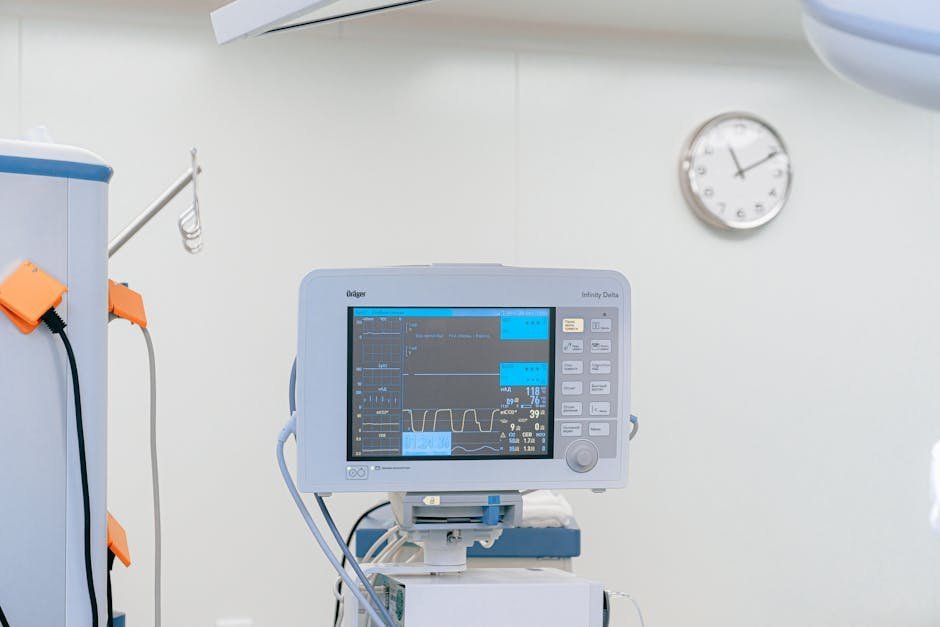
Reggie was a 38-year-old graphic designer in Long Beach, California, who walked into a small community hospital on a Thursday afternoon complaining of insomnia, anxiety, and an “overwhelming feeling that something was about to crawl out of my skin.” Triage assessed him as a routine anxiety presentation. He was handed a cup of water and a Lorazepam, told to wait. Within four hours, he was in florid delirium tremens-like withdrawal: pulse 148, blood pressure 198/112, hallucinating the wallpaper as moving spiders, and seizing. Two milligrams of Lorazepam had touched nothing. By the time the on-call addiction medicine consultant arrived from the academic hospital across town, the team was running 80 milligrams of Diazepam, considering Propofol, and finally getting an honest history from Reggie’s husband: chronic GHB use, daily, every two hours, for the last six years. The community hospital had never seen GHB withdrawal. They mistook it for a panic attack, then a generic alcohol DT, then a medical mystery. It was none of those. It was a textbook GHB taper-failure that should have been managed in an ICU from the first dose.
GHB withdrawal is one of the most dangerous and least recognized drug withdrawal syndromes in American medicine. Most emergency physicians have never managed a case. Most addiction medicine physicians have managed only a handful. The pharmacology mimics alcohol delirium tremens but resists the standard benzodiazepine doses that work for alcohol. Patients deteriorate fast, frequently die when missed, and routinely receive inadequate care because their drug history is hidden, ignored, or misunderstood. This guide explains the science of GHB and analog withdrawal, why benzodiazepines fail, what facilities are actually equipped to manage it, and how patients and families can find safe medical detox.
What GHB Actually Is and How Chronic Users Got Here
Gamma-hydroxybutyrate (GHB) is an endogenous neurotransmitter that became a club drug, a date-rape drug, and a chronic dependence problem in three overlapping subcultures. The pharmacology is straightforward: GHB acts at GABA-B receptors and at its own GHB receptor, producing dose-dependent sedation, euphoria, and ultimately respiratory depression. Its analogs (gamma-butyrolactone or GBL, and 1,4-butanediol or 1,4-BD) convert to GHB in the body and produce identical effects with slightly different onset profiles.
Chronic users in the United States cluster in three groups. The first is the bodybuilding and party-circuit population that started using GHB in the 1990s for sleep and growth-hormone effects, a population that is now in middle age and may have been redosing every two to four hours for decades. The second is the chemsex subculture, where GHB is part of a polysubstance pattern that often includes methamphetamine and erectile dysfunction medications. The third is patients prescribed sodium oxybate (Xyrem) or low-sodium oxybate (Xywav) for narcolepsy, who can develop physiologic dependence even on therapeutic doses. The first two groups rarely tell their primary care physicians. The third group is followed by sleep medicine, a specialty that has historically had limited addiction expertise.
The Withdrawal Timeline: Why Hours, Not Days, Matters
The half-life of GHB is short, around 30 to 60 minutes for ingested doses, longer with chronic dosing because of saturation kinetics. Chronic daily users typically redose every two to four hours, including at least once overnight. When dosing stops, withdrawal begins within 1 to 6 hours of the last dose, peaks at 12 to 48 hours, and may continue at lower intensity for 7 to 14 days. Compare that to alcohol withdrawal, which peaks at 48 to 72 hours, or benzodiazepine withdrawal, which can extend over weeks. The compressed timeline means a patient who appears anxious in triage at noon can be in life-threatening autonomic instability by dinner.
Early signs (1 to 6 hours): tremor, anxiety, restlessness, tachycardia, mild hypertension. Mid-phase (6 to 24 hours): worsening agitation, insomnia, diaphoresis, autonomic instability, visual hallucinations, paranoid ideation. Severe phase (24 to 96 hours): florid delirium, seizures, rhabdomyolysis, hyperthermia, cardiovascular collapse. Mortality in untreated severe cases approaches that of untreated alcohol DTs. The condition is fully treatable when recognized early; it is frequently fatal when missed.
Why Benzodiazepines Often Fail and What Actually Works
The default reflex in any sedative-hypnotic withdrawal is benzodiazepines. For alcohol, doses of Diazepam in the 10 to 40 milligram range usually break early symptoms and prevent escalation. For GHB withdrawal, those doses often produce no observable response. Patients have received cumulative doses exceeding 200 milligrams of Diazepam in 24 hours, with continued tachycardia, agitation, and seizure activity. The mechanism is that GHB acts at GABA-B receptors while benzodiazepines act primarily at GABA-A; the cross-tolerance is partial, not complete. High-dose benzodiazepines remain part of the protocol, but they are rarely sufficient as monotherapy.
Adjunctive agents that have evidence in the published case series and ICU literature include baclofen (a direct GABA-B agonist, doses titrated rapidly), Phenobarbital (cross-tolerant at GABA-A and GABA-B and shown to reduce ICU length of stay), Propofol (in intubated patients, providing direct GABA-A and NMDA effects), Dexmedetomidine (for autonomic instability without intubation), and antipsychotics for delirium. Some centers have used pharmaceutical sodium oxybate, the FDA-approved form, to taper a patient off illicit GHB in a controlled stepdown, similar to methadone for opioids. This is rare and typically only available in academic addiction units.
The “Sleep Medicine” Community Blind Spot
Sodium oxybate (Xyrem) and low-sodium oxybate (Xywav) are FDA-approved for narcolepsy with cataplexy and for idiopathic hypersomnia. They are GHB. Sleep medicine prescribers, who are often pulmonologists or neurologists rather than addiction specialists, prescribe these medications safely to a large population, but a small subset of patients escalate dosing, develop physiologic dependence beyond the prescribed schedule, and experience withdrawal when supply is interrupted (insurance lapse, vacation, prescription error). These patients rarely meet a clinical “addiction” picture; they are professionals managing a chronic condition who suddenly cannot get their medication and present to an ER with a syndrome the ER has never seen.
The American Academy of Sleep Medicine’s prescribing guidance has improved over the last several years, but the field’s historical separation from addiction medicine still produces gaps. If you or a loved one takes Xyrem or Xywav, verify before any planned medication interruption that the prescribing clinic has an emergency plan and ask whether they would consult addiction medicine in the event of severe withdrawal. Many will. Some will not.
Finding GHB-Knowledgeable Medical Detox
This is the hardest part of the story. The number of inpatient detox programs in the United States that explicitly accept and have protocols for GHB withdrawal is small, perhaps a few dozen nationwide. They cluster in major academic medical centers and in a small number of private addiction hospitals. Most freestanding detox facilities will refuse a known chronic GHB patient because the risk of decompensation exceeds their staffing. Many will accept the patient without realizing what they have signed up for, which is worse.
- Ask whether the facility has a written GHB withdrawal protocol
- Ask whether the medical director is board-certified in addiction medicine
- Ask whether the facility has on-site ICU capability or rapid transfer agreement
- Ask whether the facility uses Phenobarbital or Baclofen alongside benzodiazepines
- Ask the average dose range required for prior GHB cases at the facility
- Ask whether the medical team has consulted on a GHB case in the last 12 months
If the facility cannot answer these questions confidently, the patient belongs in a higher level of care. The right setting for chronic GHB users is an academic medical center addiction consult service or a specialized detox unit with ICU backup. For comparison, the protocols and oversight differ significantly from a standard medical alcohol detox, even though some symptoms appear similar. Chronic benzodiazepine taper situations have their own pitfalls covered in our benzodiazepine withdrawal detox guide, which is informative reading for anyone navigating a complex sedative dependence picture.
Harm Reduction for Patients Not Yet Ready for Detox
Not every chronic GHB user can or will enter formal detox tomorrow. Harm reduction in the meantime focuses on dose stability, awareness of withdrawal warning signs, and a plan for crisis. Stable users avoid sudden cessation, abrupt dose drops, polysubstance combinations (especially alcohol and benzodiazepines, which cause respiratory depression), and unknown-source supply. They carry naloxone for the polysubstance overdose risk, even though naloxone does not reverse GHB itself.
Some harm reduction organizations, particularly DanceSafe and a small number of public-health programs in major cities, distribute test strips for GHB and provide written harm reduction guidance for chronic users contemplating taper. Engaging early with these resources increases the likelihood of a safe, planned medical detox rather than a chaotic ER presentation. Stimulant withdrawal, which often co-occurs in chemsex contexts, has its own management considerations covered in our stimulant withdrawal resource.

What Family Members Should Know During Acute Withdrawal
If a family member is admitted to a hospital that has not seen GHB withdrawal before, your job as the family advocate is to tell the truth as fully as you can. Bring the bottle, the schedule, the dose, the timeline of last use. Do not minimize. The medical team cannot dose appropriately if they think the patient took 2.5 grams every six hours when the reality is 6 grams every two hours. Ask the team to consult addiction medicine immediately. Ask whether the patient should be transferred to a higher-acuity facility while still stable. Ask whether the team has used Baclofen or Phenobarbital in similar cases.
Stay at the bedside if permitted. The cognitive distortions of GHB withdrawal include profound confusion and paranoia; a familiar face oriented to person, place, and time can prevent escalation. Bring the patient’s medications, supplements, and a written list of any prior episodes of withdrawal, ER visits, or hospitalizations. Keep your phone charged and your contacts list updated. The next 72 hours are the highest-risk window in your loved one’s life.
Aftercare and Long-Term Recovery
Surviving acute GHB withdrawal is the beginning, not the end. The relapse risk is high, particularly for chemsex-pattern users whose GHB use is interwoven with sexual identity and community life. Aftercare typically combines a structured outpatient program, a pharmacologic strategy (Baclofen or Gabapentin in some cases, though no medication is FDA-approved for GHB use disorder), and a psychosocial program tailored to the user’s subculture. The Crystal Meth Anonymous community has been particularly thoughtful about the chemsex overlap; specialized therapists in San Francisco, Los Angeles, New York, Atlanta, and Miami have built explicit programs.
For prescription Xyrem patients who developed dependence, the path forward is collaborative care between the sleep medicine prescriber, the addiction physician, and the patient. Some return to controlled prescribed dosing; others switch to alternative narcolepsy medications. The conversation requires honesty without shame, and it requires a sleep medicine clinician willing to engage rather than discharge.
Frequently Asked Questions
Can GHB withdrawal be done at home?
For chronic daily users, no. The risk of seizures, autonomic collapse, and delirium is too high. Outpatient management may be feasible for very low-dose, infrequent users with close medical supervision, but the chronic redosing pattern that defines most cases requires inpatient detox.
Why didn’t my urine drug screen detect GHB?
Standard hospital drug screens do not test for GHB. Specialized GHB testing is available but expensive, has a short detection window (under 12 hours), and is rarely used clinically. The diagnosis is made on history and clinical picture, not toxicology.
Is Xyrem dependence the same as illicit GHB dependence?
Pharmacologically yes; the molecule and receptors are identical. Clinically, prescribed users typically take lower, more stable doses and have less escalation, but withdrawal physiology is the same and severe withdrawal can occur even at therapeutic doses.
How long does post-acute withdrawal last?
Anxiety, insomnia, and mood instability often persist for weeks to months after the acute phase. Aftercare medications and structured outpatient care help. Sleep architecture in particular can take months to normalize.
Is it safe to use benzodiazepines after GHB detox?
Generally not for ongoing use. The cross-tolerance is partial and the relapse risk on benzodiazepines is high. Non-benzodiazepine options for sleep and anxiety (trazodone, mirtazapine, gabapentin under medical supervision) are usually safer in the recovery period.
The Bottom Line
GHB withdrawal is severe, fast, and routinely missed by clinicians who have never seen it. The mortality rate in untreated chronic users is comparable to untreated alcohol delirium tremens, and the response to standard benzodiazepines is often inadequate. Patients and families navigating this crisis need to advocate hard for addiction medicine consultation, full disclosure of dose and pattern to the treating team, and transfer to a center with explicit GHB protocols when the receiving hospital lacks experience. The detox is survivable. The aftercare is real. But the system requires informed patients to ask the right questions, because most clinicians will not know what they don’t know about this drug. Reggie in our opening lived. Many do not.
988 and Crisis Resources
If you or someone you love is in immediate danger, call 911 or 988. The 988 Suicide and Crisis Lifeline can connect callers to substance use crisis support, and SAMHSA’s National Helpline (1-800-662-4357) provides free, confidential treatment referral and information 24/7. The National Institute on Drug Abuse publishes evidence-based resources on club drug pharmacology, and the DEA provides scheduling and identification information for GHB and analogs.
This article is for educational purposes only and does not constitute medical advice. GHB withdrawal can be life-threatening; never attempt detox without appropriate medical supervision. If you suspect withdrawal, seek emergency medical care immediately and disclose your full dosing history.