Lieutenant Sarah Chen, a 27-year-old Army nurse, returned home to Tacoma after her second deployment with no warning sign more dramatic than fatigue. Two weeks after she landed, she woke at three in the morning convinced that the air conditioning vent in her bedroom was transmitting orders. She paced the house, repeated phrases under her breath, and called her mother to say goodbye. Her mother drove her to Madigan Army Medical Center where the on-call psychiatrist, after a careful workup, made a diagnosis few civilians have heard of: brief psychotic disorder, the modern DSM-5-TR term for what older clinicians sometimes still call acute reactive psychosis. Sarah was admitted, placed on a low dose of risperidone, supported by her family throughout, and discharged after eight days with the symptoms entirely gone. She returned to her clinical work three months later. Her case is a textbook example of a condition that resolves cleanly when caught early but is often confused with the early stages of schizophrenia, leading to overtreatment and unwarranted prognosis.
What the DSM-5-TR Says About Brief Psychotic Disorder
The DSM-5-TR defines brief psychotic disorder by the presence of one or more positive psychotic symptoms, such as delusions, hallucinations, or disorganized speech, lasting at least one day but less than one month, with eventual full return to premorbid functioning. The diagnosis specifically excludes presentations better explained by another psychotic disorder, mood disorder with psychotic features, substance use, or general medical condition. Specifiers indicate whether the episode followed a marked stressor, occurred during the postpartum period, or appeared without an identifiable trigger.
The hard cap of one month is what separates brief psychotic disorder from schizophreniform disorder, which is reserved for episodes lasting one to six months. If symptoms continue beyond six months, the diagnosis shifts to schizophrenia. The diagnostic boundaries matter because they shape both the immediate treatment plan and the conversation with the patient and family about what to expect.
Distinguishing It From Schizophreniform Disorder and First Episode Psychosis
The challenge in the first 48 to 72 hours of presentation is that no clinician can know yet how long the symptoms will last. A patient with brief psychotic disorder, schizophreniform disorder, and the prodromal phase of schizophrenia can look identical at admission. Time and observation, with the support of structured outpatient follow-up, are what eventually clarify the diagnosis. This is one reason coordinated specialty care programs for first episode psychosis emphasize watchful, low-dose treatment rather than committing patients to long courses of high-dose antipsychotics during the early days. Our resource on first episode psychosis explores this in depth.
Premorbid functioning offers an important clue. Patients who are described by family as bright, organized, and socially connected up until the week before symptoms began are more likely to recover fully. Patients who had subtle decline over months or years, with worsening hygiene, social withdrawal, and odd thinking before frank psychosis, are more likely to have an evolving primary psychotic disorder.
The Trauma Trigger Pattern
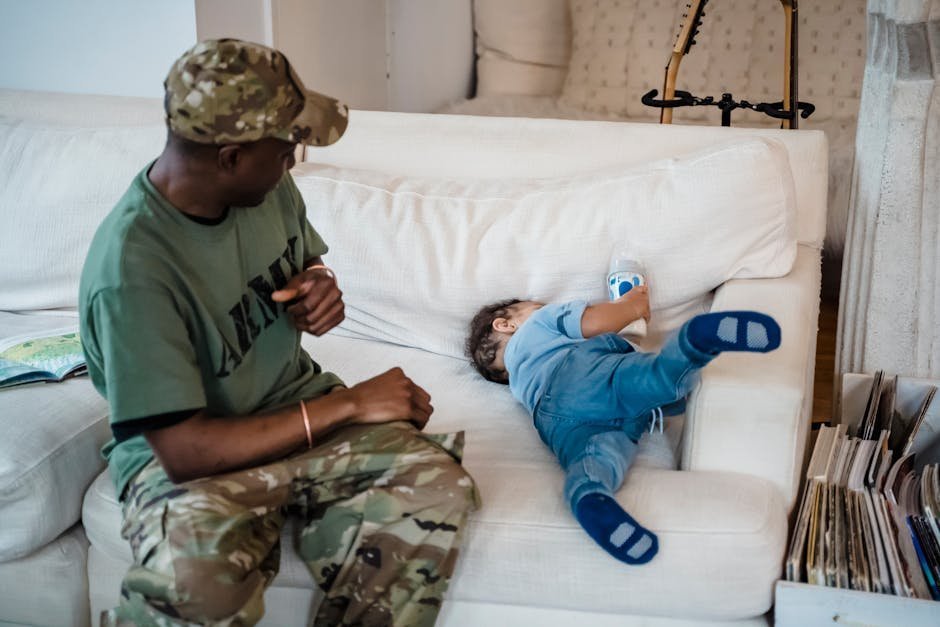
A meaningful proportion of brief psychotic disorder cases follow a major stressor or trauma. Postpartum onset is one well-known pattern and is often discussed alongside postpartum psychosis, although the two conditions are clinically distinguished. Military deployment, particularly returning from combat, is another classical trigger. Severe bereavement, sexual assault, natural disaster, immigration stress, and major surgery have all been documented as precipitants. The common thread is overwhelming, often acute psychosocial stress that exceeds the individual’s coping capacity. The vulnerability that allows stress to crystallize into psychosis is not fully understood and likely involves genetic predisposition, sleep disruption, hormonal changes, and prior subclinical neuropsychiatric vulnerability.
Kahlbaum and the Long History of Reactive Psychosis
The concept of a brief, stress-triggered psychotic episode that resolves fully has been recognized in psychiatry for over a century. Karl Kahlbaum and other German clinicians of the late nineteenth century described what they called reactive psychoses, and Scandinavian psychiatry preserved a robust diagnostic category for these presentations long after American psychiatry had largely folded them into schizophrenia spectrum diagnoses. The DSM-III in 1980 reintroduced brief reactive psychosis as a distinct entity, and successive editions have refined the criteria. The history matters because it reminds clinicians that not every psychotic episode predicts a chronic illness, and that the prognostic optimism warranted by good premorbid functioning has a long evidence base.
Treatment Centers on Low-Dose Antipsychotic and Supportive Care
The pharmacologic backbone of treatment is a low to moderate dose of a second-generation antipsychotic, often risperidone, olanzapine, or aripiprazole. The dosing principle differs from chronic schizophrenia care. Lower starting doses are used because patients are typically more sensitive to side effects, and the goal is symptom resolution within days rather than long-term suppression. Sleep restoration is critical, since many patients arrive sleep deprived and the deprivation itself amplifies symptoms. Hydration, nutrition, and a calm therapeutic milieu round out the inpatient stay.
- Low-dose second-generation antipsychotic, started at half the usual schizophrenia starting dose
- Sleep restoration with attention to circadian regulation
- Family meetings within the first 48 hours of admission
- Trauma-informed milieu with clear, simple communication
- Brief inpatient stay typically lasting four to ten days
- Outpatient psychiatry follow-up within one week of discharge
Prognosis Is Generally Excellent but Not Without Risk of Recurrence
The defining feature of brief psychotic disorder, by definition, is full return to premorbid functioning within a month. Most patients accomplish this with treatment. However, having had one episode raises the lifetime risk of another psychotic episode and the lifetime risk of developing a chronic primary psychotic disorder. Estimates from longitudinal studies suggest that roughly half of patients diagnosed with brief psychotic disorder remain symptom free for life, while the other half experience recurrence or eventual transition to a longer-term psychotic illness. Long-term outpatient follow-up, often for two to five years, is therefore part of the standard care plan.
Finding Psychiatrists Experienced With Brief Psychotic Episodes
Not every general psychiatrist has comfort with the watchful, taper-friendly approach that brief psychotic disorder requires. Some clinicians, trained in chronic schizophrenia paradigms, default to long-term antipsychotic continuation regardless of recovery quality, which can saddle a patient with years of unnecessary medication. The better fit is a psychiatrist who has experience with first episode programs, postpartum populations, or military and veteran care, all of which build familiarity with brief psychotic presentations. Programs offering schizophrenia treatment programs often have clinicians who can guide patients through the diagnostic uncertainty without overcommitting to chronic care assumptions.
Family Education Is the Quiet Pillar of Recovery
The family of a patient with brief psychotic disorder is often more frightened than the patient themselves, particularly after the symptoms resolve. Many families have spent the acute period bracing for a chronic illness diagnosis, and the rapid recovery feels almost too good to trust. Structured family education sessions cover what brief psychotic disorder is, what warning signs of recurrence look like, how to support sleep and stress management, and when to call for urgent help. Some families benefit from joining a multifamily psychoeducation group for several months, even when the patient is symptom free, to consolidate knowledge and build a sustainable support routine.

Frequently Asked Questions
How long does brief psychotic disorder last?
By DSM-5-TR definition, the active symptoms last at least one day but less than one month, with full return to baseline functioning afterward. With treatment, most patients see substantial improvement within the first one to two weeks.
Will I need to take medication forever?
Usually no. Most patients are tapered off antipsychotic medication within three to twelve months after a single episode, depending on stability and clinician judgment. Long-term continuation is reserved for patients with recurrence or evidence of an evolving primary psychotic disorder.
Is brief psychotic disorder the same as schizophrenia?
No. Schizophrenia is defined by symptoms persisting for six months or longer along with significant functional impairment. Brief psychotic disorder resolves within a month and carries a substantially better prognosis, although a minority of patients later develop a chronic primary psychotic disorder.
Can stress alone cause a psychotic episode?
Severe acute stress is a documented trigger in many cases of brief psychotic disorder, particularly in vulnerable individuals. The underlying biology likely involves a combination of genetic predisposition, sleep disruption, and stress hormone surges that destabilize neural networks involved in reality testing.
What should family do during an active episode?
Stay calm, avoid arguing with delusional content, ensure safety, and seek urgent psychiatric evaluation. Do not try to manage acute psychosis at home. Emergency departments and crisis stabilization units are equipped to assess and stabilize these presentations safely.
The Bottom Line
Brief psychotic disorder is a real, recoverable, and underrecognized condition that should not be conflated with schizophrenia at first presentation. The defining features are short duration, identifiable triggers in many cases, and full return to baseline functioning, all of which justify a measured, low-dose treatment approach with careful follow-up. Patients and families should walk out of an inpatient stay knowing what the diagnosis means, what recurrence might look like, and how to access urgent care if symptoms return. Programs that combine pharmacology with structured family education and trauma-informed support produce the best long-term outcomes. According to the National Institute of Mental Health and the Substance Abuse and Mental Health Services Administration, early identification and coordinated specialty care substantially improve outcomes after a first psychotic episode.
If you or someone you know is in crisis, call or text 988 for the Suicide and Crisis Lifeline.
This article is for informational purposes only and does not constitute medical advice. Always consult a qualified clinician for diagnosis and treatment of any health condition.