Eleanor Briggs, 78, had lived in her Sarasota condo for forty years before her daughter Marcy noticed the changes. The repeated phone calls. The forgotten stove burner. Then the agitation that turned into screaming at invisible visitors at 3 a.m. After a hospitalization for a UTI revealed advanced dementia complicated by psychotic features, Eleanor’s geriatrician said something Marcy had never heard before: “She needs a nursing home with a behavioral health wing.” Marcy assumed that meant a psychiatric hospital. It didn’t. What her mother needed was a specialized long-term care setting designed for older adults whose cognitive and psychiatric conditions had outgrown what assisted living or a standard skilled nursing facility could safely manage. Finding one took six weeks of phone calls, three facility tours, and a crash course in CMS quality ratings, antipsychotic reduction policies, and Medicaid SNF coverage. Eleanor has now been at a 32-bed dementia care unit in Bradenton for nine months. The agitation has eased. The screaming has stopped. And Marcy, who once felt she was abandoning her mother, now visits four times a week to a woman who recognizes her smile.
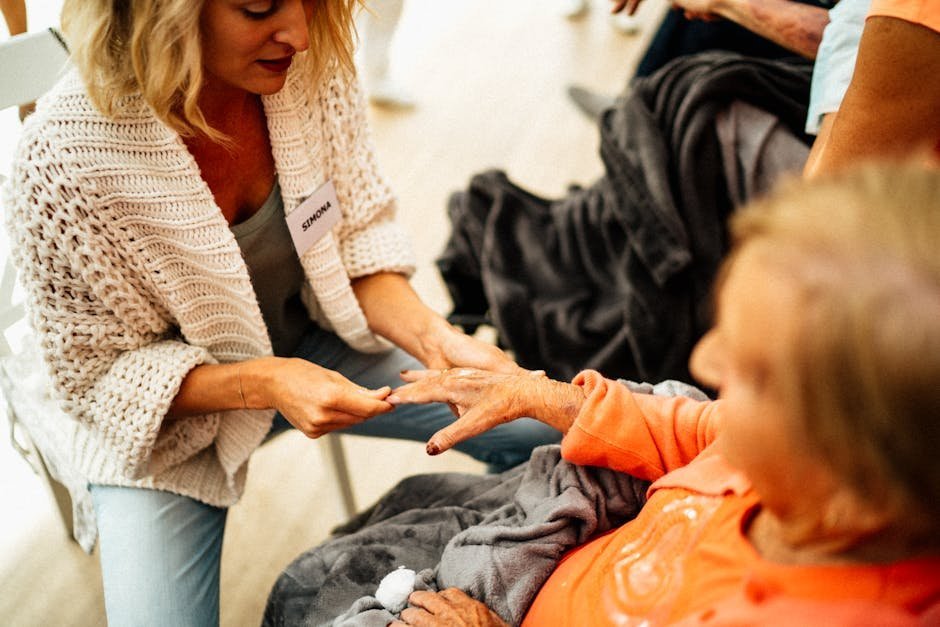
Nursing home behavioral health programs occupy a strange middle ground in American long-term care. They are not psychiatric hospitals. They are not standard nursing homes. They are skilled nursing facilities (SNFs) with specialized units, staffing, and protocols designed to manage residents whose dementia, late-life depression, schizophrenia, or treatment-resistant psychiatric illness requires round-the-clock care that ordinary memory care cannot provide. For families navigating the search, understanding what these wings actually are, how they are paid for, and how to evaluate quality is the difference between a peaceful placement and a destabilizing transfer six months later.
What a behavioral health wing in a nursing home actually is
The terminology varies by state. You will hear “geriatric psychiatric unit,” “specialized dementia care unit,” “behavioral health SNF,” and “neurobehavioral unit.” All describe the same general concept: a self-contained wing within a skilled nursing facility, usually 20 to 60 beds, designed for residents who exhibit aggression, wandering, severe agitation, hallucinations, or other behavioral symptoms that pose safety risks. The doors are typically secured. Staffing ratios are higher than the rest of the facility. The physical environment is engineered for de-escalation: low stimulation, quiet hallways, contained outdoor spaces, soft lighting, and visual cues that help disoriented residents orient themselves. For an overview of the broader continuum of geriatric mental health care, see our guide to senior behavioral health options.
The clinical population is mostly older. Residents with major neurocognitive disorders (Alzheimer’s, vascular dementia, Lewy body, frontotemporal) make up the majority. A smaller share are adults aging into long-term care with chronic schizophrenia, bipolar disorder, or persistent depression complicated by medical comorbidities. The unit is built for both groups, though the daily rhythm tilts heavily toward dementia care.
How this differs from psychiatric inpatient hospitalization
Psychiatric inpatient stays are short. The national median is around seven days for adults and slightly longer for geriatric units. The goal is acute stabilization: stop the suicidal crisis, adjust medications, ensure safety, then discharge. Nursing home behavioral health is the opposite. The average length of stay is measured in months or years. Residents are not expected to “get better and go home.” Many will live out their final years in the unit. The clinical work is about quality of life, behavior management, family involvement, and dignified end-of-life care, not acute psychiatric stabilization.
A second difference: psychiatric hospitals are licensed under different state regulations and often funded by Medicare Part A or commercial insurance for the acute stay. Nursing home behavioral health is funded by Medicaid (long-term custodial care), with Medicare covering only the first 100 days of qualifying skilled care after a hospital stay. The financial mechanics shape almost everything about how families experience the system.
The CMS Five-Star Nursing Home Quality Rating
The Centers for Medicare and Medicaid Services maintains a public Five-Star rating system covering nearly every certified nursing home in the country. You can search by ZIP code at the federal Care Compare tool. Each facility receives an overall star rating from one to five, plus separate sub-ratings for health inspections, staffing, and quality measures. Several of those quality measures touch directly on behavioral health: the percentage of long-stay residents receiving antipsychotic medication, the percentage with depressive symptoms, the use of physical restraints, and the rate of falls with major injury.
For families evaluating a behavioral health wing specifically, the antipsychotic measure deserves close attention. A facility with a high antipsychotic prescribing rate is not automatically poor quality, especially if it serves residents with severe psychiatric histories. But a rate dramatically above the state and national average is a flag worth asking about during the tour.
Staffing requirements that distinguish a real behavioral health unit

States set their own minimum staffing rules, but a serious behavioral health wing typically maintains:
- A psychiatric nurse practitioner or geriatric psychiatrist on contract, with weekly or biweekly resident rounds
- Registered nurses with documented mental health or dementia care training
- Certified nursing assistants (CNAs) trained specifically in behavioral de-escalation, not just clinical tasks
- A licensed social worker handling family communication, care planning, and discharge coordination
- Access to occupational and recreational therapists who run group activities calibrated for cognitive function
- On-call psychiatric coverage for medication adjustments after hours
Ask the admissions director for the unit’s staffing pattern: how many CNAs per resident on day, evening, and night shifts? Federal staffing data is published, but the granular unit-level numbers usually require a direct conversation. If the facility cannot answer specifically about the behavioral health wing, that itself is information.
Antipsychotic reduction and the CMS Partnership to Improve Dementia Care
For decades, American nursing homes used antipsychotic medications, often off-label, to manage agitation and aggression in dementia residents. By the early 2010s, federal data showed roughly a quarter of long-stay nursing home residents were receiving antipsychotics, despite FDA black-box warnings about increased mortality in elderly dementia patients. In 2012, CMS launched the National Partnership to Improve Dementia Care, setting public reduction targets and requiring facilities to document non-pharmacologic interventions before prescribing.
The result has been measurable. National antipsychotic prescribing rates have dropped substantially, though critics note some facilities responded by shifting residents to other sedating medications (benzodiazepines, antidepressants used for behavior, mood stabilizers) that are not tracked the same way. When you tour a behavioral health wing, ask directly: “What is your antipsychotic rate, and what non-medication strategies do you use first?” A facility staff member should be able to talk fluently about person-centered care plans, activity-based interventions, sleep hygiene, pain assessment, and environmental modifications. Nursing home behavioral health done well is not chemical restraint. For more on appropriate medication management in dementia, see our discussion of behavioral medication review.
How Medicaid funds long-term care in a behavioral health SNF
Medicaid is the dominant payer for nursing home long-term care in the United States, covering roughly six in ten residents nationally. For families, the path usually looks like this: the resident enters under Medicare Part A skilled care after a qualifying hospital stay, Medicare runs out at day 100 (or sooner if the resident no longer requires daily skilled services), and the family transitions to Medicaid by spending down assets to state limits. Each state administers its own Medicaid program, so eligibility, asset limits, look-back periods for transfers, and spousal protection rules vary enormously.
For behavioral health wings specifically, some states pay enhanced Medicaid rates to facilities that meet specialized unit criteria. Others fold it into the general SNF rate. A handful of states operate dedicated behavioral health nursing home programs (Pennsylvania’s Community HealthChoices, New York’s specialized rate cells, Texas’s State Supported Living Centers for IDD-psychiatric overlap). The reimbursement structure shapes which facilities can afford to staff a real behavioral health wing and which simply attach the label.
Family decision-making and the practical search
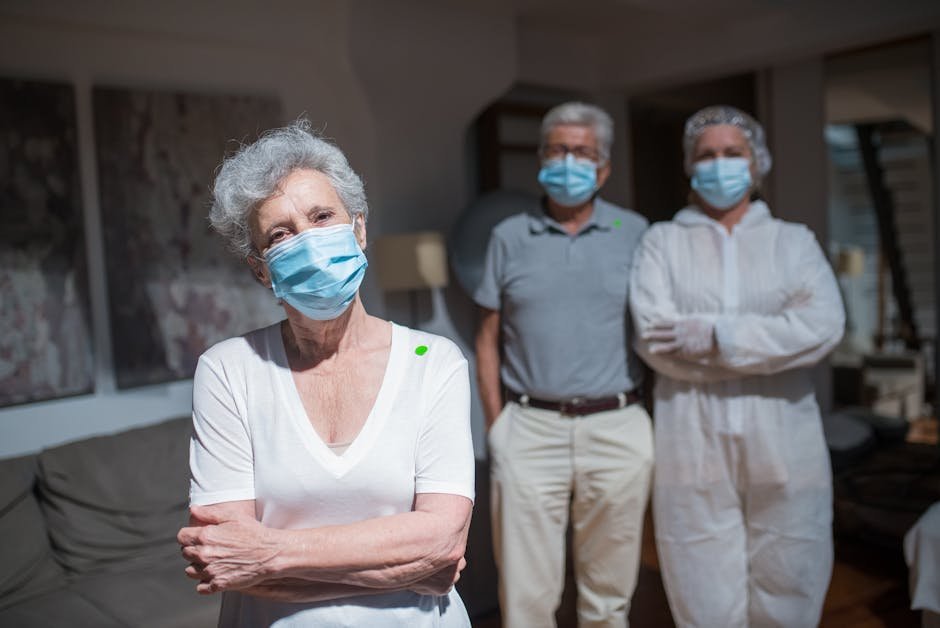
Most families come to this decision exhausted. The resident has usually cycled through assisted living, memory care, hospital ER visits, and possibly a geriatric psychiatric inpatient stay before nursing home behavioral health is even on the table. Some practical guidance from families who have done it:
- Start with the discharge planner at the hospital or geriatric psychiatric unit. They have working relationships with admissions directors at regional facilities
- Get on multiple waitlists. Behavioral health beds turn over slowly
- Tour in person, on different shifts. The unit at 2 p.m. on a Tuesday looks different from the unit at 7 p.m. on a Saturday
- Ask to see a sample care plan and meet the unit’s social worker
- Request the most recent state survey results and any plan-of-correction documents
- Verify that the medical director and psychiatric provider actually round in person, not just by phone
The federal CMS nursing home oversight pages publish inspection findings, complaint investigations, and enforcement histories for every certified facility. Reading the last three years of survey reports for a facility you are seriously considering is one of the highest-value hours a family can spend. For a broader view of how to evaluate any long-term mental health placement, our guide to evaluating residential mental health programs walks through the full vetting process.
Frequently asked questions
Can a nursing home refuse to admit someone with aggressive behaviors?
Yes. Nursing homes can decline admission if they determine they cannot safely meet a resident’s care needs. Behavioral health wings exist precisely to accept residents that general SNFs decline, but even specialized units have admission criteria, particularly around physical aggression toward staff.
How long is the typical stay?
For dementia residents, the median stay is roughly two to three years, though the range is wide. Residents with stable psychiatric conditions and no progressive cognitive disease may live in the unit much longer.
Will Medicare pay for a behavioral health wing?
Medicare covers up to 100 days of skilled care after a qualifying three-day hospital stay, with full coverage for the first 20 days and copays after. After Medicare exhausts, the family transitions to private pay or Medicaid for ongoing custodial care.
What if my loved one improves?
Some residents stabilize enough to transfer to a less restrictive setting (memory care, assisted living with mental health support). The unit social worker should be involved in step-down planning when clinically appropriate.
How do I find facilities that actually have a behavioral health wing, not just the label?
Call the regional Area Agency on Aging, ask hospital geriatric psychiatric discharge planners, and use Care Compare to filter by special focus and specialty designations. Then verify by tour.
The bottom line
Nursing home behavioral health wings serve a population that is small in numbers but enormous in caregiving complexity. Families who find the right placement often describe the same experience: relief mixed with grief, replaced over time by something closer to gratitude that their loved one is safe, dignified, and known by name. The placement is rarely the ending the family imagined. It is, for many, the most humane chapter available.
If you or a loved one is in crisis, call or text 988 to reach the Suicide and Crisis Lifeline.
This article is for informational purposes only and does not constitute medical, legal, or financial advice. Long-term care decisions should be made in consultation with treating clinicians, elder law attorneys, and licensed care managers familiar with your state’s specific regulations and benefits.