Wendell, a fifty-two-year-old high school principal in Cleveland, had been in psychiatric care for three years when his second psychiatrist asked him a question the first never had: how do you sleep? Wendell laughed. He slept the way everybody his age slept, he said, badly, and he had been told for as long as he could remember that he snored loud enough to wake the dog. His wife Cherelle had moved to a separate room four years earlier. He had tried sertraline, then duloxetine, then bupropion augmentation, then aripiprazole augmentation, and an unsuccessful course of TMS. He thought of himself as the rare person whose depression simply did not respond to anything. The new psychiatrist, instead of prescribing the next medication, ordered a home sleep apnea test. Wendell scored an apnea-hypopnea index of forty-seven, in the severe range, with oxygen desaturations into the high seventies. Within six weeks of consistent CPAP use, his Patient Health Questionnaire score dropped from sixteen to four. He had not been treatment-resistant. He had been chronically suffocating in his sleep.
The intersection of sleep medicine and psychiatry is the territory where a missed diagnosis can produce years of wrong treatment. A sleep apnea mental health crisis is not always dramatic; sometimes it presents as treatment-resistant depression, sometimes as ADHD-like inattention, sometimes as the irritability and mood lability that a partner describes long before the patient acknowledges it. This guide explains the bidirectional relationship, when to escalate, and how to access urgent sleep evaluation.
OSA as the missed diagnosis in treatment-resistant depression
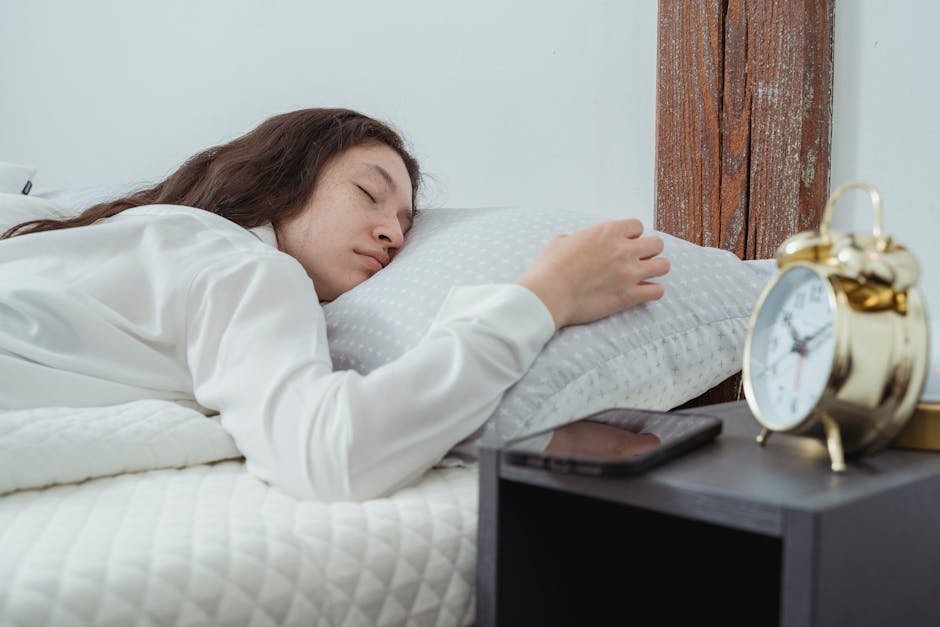
Obstructive sleep apnea (OSA) and depression cluster heavily. Cohort studies estimate roughly 20 to 40 percent of patients with major depressive disorder have undiagnosed clinically significant OSA, with substantially higher rates in patients labeled treatment-resistant. The biology is plausible: repeated nocturnal hypoxia, sleep fragmentation, sympathetic activation, and inflammatory cascades all converge on neural circuits implicated in mood regulation. CPAP treatment of OSA in depressed patients produces measurable improvement in depression scores in many trials, sometimes enough to obviate the need for additional medication adjustment.
Treatment resistance in depression should trigger evaluation of the basic substrates of mood, including thyroid function, vitamin D, B12, and sleep. A patient who has failed two adequate antidepressant trials deserves a sleep history, a physical examination focused on airway, and, if any indication, a sleep study. Our guide to evaluating treatment-resistant depression outlines the broader workup.
ADHD-like presentations from chronic sleep fragmentation
Adults referred for ADHD evaluation include a non-trivial fraction whose attention symptoms reflect chronic OSA rather than primary ADHD. Sleep fragmentation produces inattention, executive dysfunction, irritability, and emotional dysregulation that map closely onto ADHD criteria. Stimulant treatment can mask OSA symptoms temporarily by overcoming daytime sleepiness, while leaving the underlying nocturnal hypoxia untreated.
A reasonable workup for adult-presenting ADHD includes screening questions for snoring, witnessed apneas, daytime sleepiness, and morning headaches. Body habitus, neck circumference, retrognathia, and a high Mallampati score increase suspicion. The Epworth Sleepiness Scale and STOP-BANG questionnaire are quick tools. Patients meeting screening thresholds deserve sleep evaluation before starting stimulant therapy when feasible.
Sleep deprivation psychosis from severe OSA
The extreme end of OSA-mediated psychiatric presentation is sleep deprivation psychosis: hallucinations, paranoia, and disorganized thinking arising from cumulative sleep debt. While more often described in primary insomnia and stimulant overuse, severe OSA with apnea-hypopnea indices above sixty can produce equivalent total sleep deprivation effects. Patients sometimes present to emergency departments with apparent first-episode psychosis that resolves within days of CPAP initiation in the hospital.
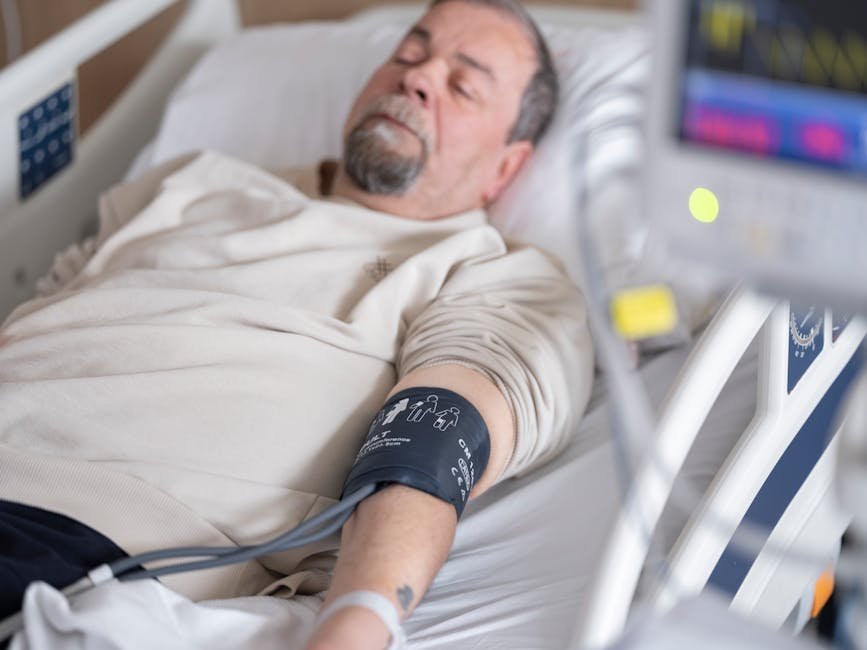
This presentation is rare but worth recognizing because the alternative diagnoses (psychotic depression, schizophreniform disorder) carry vastly different treatment implications. A high apnea-hypopnea index found on inpatient sleep evaluation can redirect care toward sleep medicine and away from antipsychotic-only regimens.
Home sleep tests: faster access to diagnosis
Home sleep apnea tests (HSATs) have transformed access to OSA diagnosis. A patient with high pre-test probability and no significant comorbidities can receive an HSAT within days through most major insurers, conduct the test at home over one or two nights, and have results read by a board-certified sleep physician within a week. In-laboratory polysomnography remains the gold standard and is appropriate when HSAT is non-diagnostic, when central sleep apnea is suspected, or when significant comorbidities are present.
- HSAT: 1-2 nights at home, finger oximeter and chest band, 7-day insurance turnaround typical.
- In-lab PSG: full polysomnography with EEG, EOG, EMG, plus respiratory channels.
- Auto-titrating CPAP (APAP): adjusts pressure dynamically, useful for empirical starts.
- BiPAP: indicated for severe OSA with hypoventilation or CPAP intolerance.
- Telehealth consultation: many sleep medicine practices now offer remote initial visits.
The faster pathway from psychiatric concern to sleep evaluation often runs through a primary care physician willing to order an HSAT directly, bypassing a sleep medicine consultation that might add weeks of delay. The American Academy of Sleep Medicine publishes patient-facing guidance and a directory of board-certified sleep specialists.
Urgent CPAP titration and adherence
For severe OSA with high apnea-hypopnea indices and significant oxygen desaturations, CPAP initiation should not wait the six to eight weeks that some payers require for in-lab titration. Auto-titrating CPAP devices started empirically allow same-week therapy initiation in many practices. Patient adherence in the first thirty days strongly predicts long-term use; early follow-up at one to two weeks for mask fit, pressure tolerance, and side effect troubleshooting is critical.
Common adherence barriers include claustrophobia, dry mouth, mask leak, and pressure intolerance. Each has practical solutions: heated humidification, alternative mask styles (nasal pillows versus full-face), pressure ramp settings, and exhalation pressure relief. A motivated patient supported by a responsive durable medical equipment supplier and sleep medicine practice can overcome most barriers within a few weeks. Our guide to pediatric sleep and behavioral health covers parallel issues in children and adolescents.
Comorbid mental illness and OSA: bidirectional risks
The relationship between OSA and mental illness runs in both directions. Untreated OSA worsens depression, anxiety, and PTSD; treating OSA improves these conditions. At the same time, sedating psychiatric medications (benzodiazepines, sedating antipsychotics, alcohol used for self-medication) worsen OSA by reducing upper airway tone. Trazodone, mirtazapine, and quetiapine, often prescribed for sleep in psychiatric patients, are particularly associated with OSA worsening.
This bidirectional risk argues for a sleep evaluation before starting sedating medications in patients with OSA risk factors, and for considering OSA contribution in any patient whose psychiatric symptoms worsen after such medications are added. Our guide to medication-induced sleep disturbance explores this in more detail.
The cardiovascular emergency overlap
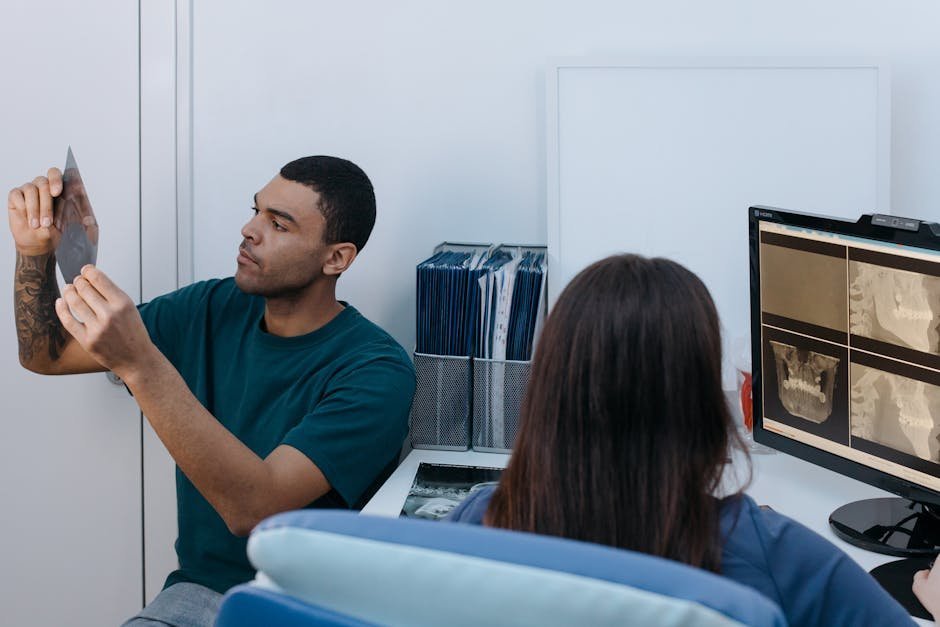
Severe untreated OSA is not only a psychiatric concern; it is a cardiovascular one. Hypertension that responds poorly to medication, atrial fibrillation, congestive heart failure, and sudden cardiac death all show elevated risk in untreated severe OSA. Patients presenting with both treatment-resistant depression and treatment-resistant hypertension should raise the OSA suspicion meaningfully. Screening for OSA in such patients is supported by current cardiology guidelines.
The combined burden of psychiatric and cardiovascular consequences makes severe OSA a meaningful clinical priority, even in patients without classical daytime sleepiness. Some patients adapt to chronic sleep deprivation and report feeling fine, despite measurable cognitive, mood, and cardiovascular impacts.
Finding sleep specialists fast
Sleep medicine remains a small specialty, and wait times for consultation can stretch to months in some markets. Several pathways shorten access. Primary care physicians can often order home sleep apnea tests directly; many telehealth platforms now offer same-week sleep medicine consultations; large hospital systems often have integrated sleep medicine clinics with shorter waits than community specialists. The NIH publishes patient-facing resources on sleep disorders, and AASM’s directory locates board-certified specialists by ZIP code.
For patients with severe symptoms, expressing the urgency to the referring physician and to the sleep medicine office matters. Daytime sleepiness causing motor vehicle near-misses, untreated severe hypertension, and cardiovascular comorbidities all justify expedited scheduling.
Frequently asked questions
Can sleep apnea cause depression?
Causation in the strict sense is hard to establish, but the association is strong and bidirectional. CPAP treatment of OSA produces measurable depression improvement in many trials, suggesting a causal contribution rather than mere comorbidity.
How do I know if my treatment-resistant depression is actually OSA?
Screening tools (STOP-BANG, Epworth) identify higher-risk patients, but a sleep study is the only way to confirm. Any patient who has failed two adequate antidepressant trials should consider sleep evaluation as part of the workup.
How fast can I get a home sleep test?
In many markets, within one to two weeks of order placement. Telehealth sleep medicine practices offer faster pathways. Insurance authorization is typically streamlined for HSAT compared to in-lab studies.
Will CPAP make me dependent on a machine forever?
OSA is a structural condition; CPAP treats but does not cure. Some patients can reduce CPAP needs through weight loss, positional therapy, or oral appliances. For most, ongoing therapy is the standard, similar to medications for chronic conditions.
Are there alternatives to CPAP?
Yes. Mandibular advancement devices, positional therapy, weight loss, and surgical options including hypoglossal nerve stimulation all have roles. CPAP remains the most effective and is the standard first-line therapy for moderate to severe OSA.
The bottom line
Untreated severe obstructive sleep apnea can present as treatment-resistant depression, ADHD-like inattention, mood lability, and in rare cases sleep deprivation psychosis. The relationship is bidirectional: psychiatric medications can worsen OSA, and OSA worsens psychiatric symptoms. Home sleep tests have made faster diagnosis possible, and CPAP initiation often produces meaningful psychiatric improvement within weeks. Any patient with treatment-resistant depression, refractory hypertension, or significant snoring with daytime symptoms deserves a sleep evaluation before the next medication trial.
If you are in crisis
If you or someone you love is in immediate danger or experiencing thoughts of suicide, call or text 988 to reach the Suicide and Crisis Lifeline, available 24/7. Severe untreated OSA combined with significant depression is a meaningful clinical emergency and warrants prompt medical attention.
This article is for informational purposes only and is not a substitute for professional medical advice. Always consult a qualified clinician for guidance specific to your situation.