Hannah, a 19-year-old college sophomore in Minneapolis, had been losing weight for nine months when her mother finally drove from Duluth to take her to an outpatient assessment. The first therapist Hannah saw — a kind generalist who advertised eating disorder treatment on her website — used cognitive techniques and weekly weigh-ins but did not call for medical labs or an EKG, and did not have a contract with a registered dietitian. Three months in, Hannah had lost another six pounds. Her mother called the NEDA Helpline, which referred them to a CEDS-certified provider in Minneapolis affiliated with the Emily Program. The new therapist used CBT-E and immediately coordinated with a pediatric medical provider, an RD-CEDR registered dietitian, and a family therapist trained in FBT. Within two weeks Hannah was in a structured outpatient track with weekly medical monitoring, daily meal support, and weekly family sessions. The course of recovery still took two years. The trajectory changed within the first month because the team that took it on actually knew what they were doing.

Finding an eating disorder therapist who is actually trained in evidence-based protocols and connected to a multidisciplinary team is one of the most important decisions a family makes in the early weeks of treatment. A skilled eating disorder therapist works inside a network that includes a medical provider, a registered dietitian with eating disorder credentials, and ideally a psychiatrist familiar with anorexia, bulimia, ARFID, and binge eating disorder. This guide explains the credentials that matter, the protocols that work, and how to find providers in the United States.
The CEDS credential and the iaedp Foundation
The Certified Eating Disorder Specialist (CEDS) credential, issued by the International Association of Eating Disorders Professionals Foundation (iaedp), is the most recognized clinical credential in American eating disorder treatment. CEDS certification requires a graduate clinical license, a minimum number of supervised eating disorder cases, completion of iaedp coursework, and passing a written examination. The advanced CEDS-S (Supervisor) and CEDS-C (Consultant) credentials denote senior status. iaedp also certifies registered dietitians as CEDRD (Certified Eating Disorder Registered Dietitian) and the more advanced CEDRD-S.
The iaedp directory at iaedp.com is searchable by state and credential. A patient or family looking for outpatient therapy should typically prioritize CEDS or CEDS-S therapists, paired with a CEDRD or CEDRD-S dietitian. The Academy for Eating Disorders (AED) is the international research and clinical society and maintains a separate professional listing useful for finding academic-affiliated providers and researchers. Our guide to eating disorder warning signs and intake describes when to escalate from outpatient to higher levels of care.
CBT-E: the Christopher Fairburn protocol
Enhanced Cognitive Behavioral Therapy for eating disorders, known as CBT-E, was developed by Christopher Fairburn at the Centre for Research on Eating Disorders at Oxford. It is the most studied individual outpatient treatment for adult eating disorders, with randomized trial support for bulimia nervosa, binge eating disorder, and anorexia nervosa in adults. The protocol runs twenty sessions for patients of normal weight and forty sessions for those who are underweight. Sessions are weekly, structured, and use behavioral interventions targeting eating, weighing, body image, and the over-evaluation of shape and weight.
True CBT-E training requires completion of a structured program, typically the online training Fairburn developed (CREDO) or in-person training through the Center for Eating Disorders at Sheppard Pratt, Columbia University Center for Eating Disorders, or other authorized centers. A therapist who lists CBT and eating disorders separately is not necessarily delivering CBT-E. The right question is “are you trained in CBT-E and which version of the manual do you use?” The original Fairburn manual is the standard. Cognitive Behavior Therapy and Eating Disorders, the published treatment manual, is what trained clinicians work from.

FBT and the Maudsley method for adolescents
Family-Based Treatment, sometimes called the Maudsley method after the Maudsley Hospital in London where it was developed, is the first-line outpatient treatment for adolescents with anorexia nervosa and has growing evidence for adolescent bulimia. FBT is delivered in three phases: parents take charge of refeeding (Phase 1), the adolescent gradually resumes age-appropriate eating autonomy (Phase 2), and the family addresses developmental issues that the eating disorder interrupted (Phase 3). Total treatment runs about twenty sessions over six to twelve months.
FBT certification is offered through the Training Institute for Child and Adolescent Eating Disorders, founded by Daniel Le Grange and James Lock — the developers of the manualized American FBT protocol. Certified FBT clinicians have completed a structured curriculum, supervised cases, and a fidelity review. The FBT directory at trainadeats.com lists certified providers. Many academic medical centers including Stanford, the University of Chicago, the University of California San Francisco Medical Center, Children’s Hospital of Philadelphia, and Boston Children’s Hospital have FBT-trained teams. Our piece on family therapy for adolescent mental health explores how parental engagement transforms outcomes.
The medical and nutritional team that must surround therapy
An eating disorder therapist working alone, without a medical provider monitoring vitals, electrolytes, and EKG, and without a registered dietitian managing meal planning, is providing inadequate care for moderate to severe eating disorders. The standard team includes:
- A medical provider — usually a primary care physician or adolescent medicine specialist with eating disorder experience, monitoring weight, vitals, and labs at intervals dictated by severity.
- A registered dietitian (CEDRD or CEDRD-S) — providing meal planning, exposure to feared foods, and education on the body’s caloric needs during refeeding.
- The therapist (CEDS or equivalent) — delivering CBT-E, FBT, or another evidence-based protocol.
- A psychiatrist — for medication management when comorbid depression, anxiety, or OCD requires pharmacological treatment, and for assessment of refeeding-related medication interactions.
- A family therapist — particularly in adolescent treatment, often the same person as the FBT therapist.
Patients in higher levels of care — partial hospitalization, residential, or inpatient — receive these services within a single program. Outpatient patients have to assemble the team themselves, ideally with the therapist coordinating. Programs like the Emily Program (Minnesota and several states), the Renfrew Center (East Coast and several locations), Eating Recovery Center (national), Center for Discovery (national), and academic-affiliated outpatient clinics integrate the team in a single referral.
Finding providers via NEDA, Eating Disorder Hope, and ED Referral
The National Eating Disorders Association (NEDA) maintains a Helpline accessible by phone, text, and chat. NEDA staff and volunteers help families assess severity and connect with treatment in their region. The NEDA Treatment Provider Directory is a searchable map of programs and individual providers. The screening tool on the NEDA website helps clarify whether a formal evaluation is warranted. Visit the National Eating Disorders Association at nationaleatingdisorders.org for these resources.
Eating Disorder Hope and the EDReferral.com directories are additional independent resources. The Academy for Eating Disorders has a public-facing referral page. ANAD (the National Association of Anorexia Nervosa and Associated Disorders) operates peer support groups and a referral list. The National Institutes of Health summarizes evidence-based treatment options and ongoing research at nih.gov. Federally funded research at the Eating Disorders Research Society and academic medical centers continues to refine treatment protocols.
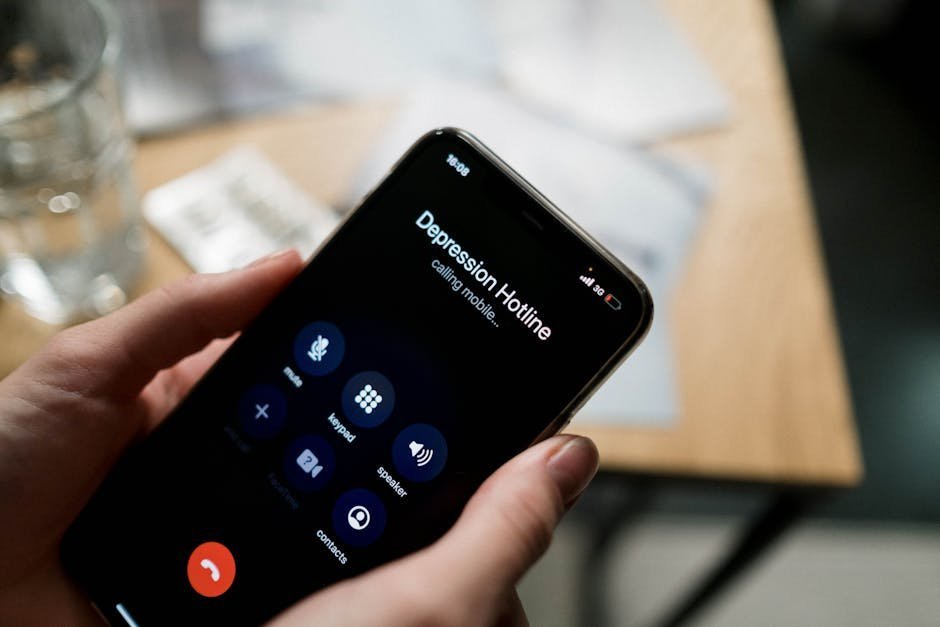
Telehealth eating disorder treatment
Virtual eating disorder treatment expanded substantially in 2020 and 2021 and remains an option for many patients. Programs like Equip Health (national virtual FBT for adolescents and young adults), Within Health (virtual partial hospitalization for adults), and Arise (virtual treatment with peer support) deliver multidisciplinary care to patients without geographically nearby specialty programs. Outpatient telehealth with individual CEDS therapists is widespread.
Virtual treatment is not appropriate for every presentation. Patients who are medically unstable — bradycardia, electrolyte abnormalities, orthostatic hypotension, BMI below clinically defined thresholds — need in-person medical monitoring and often inpatient or partial hospitalization care. The decision about level of care should be made by an evaluator with eating disorder experience using criteria like the AED medical care standards and the APA Practice Guideline for Eating Disorders. Our guide to levels of care decisions in mental health walks through these thresholds.
Insurance and the access reality
Eating disorder treatment is one of the areas where mental health parity laws are most actively contested. Plans are required by the Mental Health Parity and Addiction Equity Act to cover eating disorder treatment at the same level as other medical conditions, but in practice plans frequently impose medical necessity criteria that limit access to higher levels of care. Patients and families often need to appeal denials, and several specialty advocacy law firms work specifically on eating disorder insurance appeals.
Outpatient CEDS therapy bills under standard psychotherapy CPT codes — 90791 for the diagnostic evaluation, 90834 or 90837 for individual sessions, and 90847 for family therapy. In-network rates range from $90 to $200 per session. Many CEDS therapists work out of network at $200 to $400 per session and provide superbills. Higher levels of care — partial hospitalization (PHP), intensive outpatient (IOP), residential — bill at higher rates and typically require pre-authorization. The expected cost of a multi-month residential admission is $30,000 to $80,000, often with significant insurance reimbursement after appeal.
What to ask in the first call
The intake call to a prospective therapist is a screening opportunity. Useful questions include: Are you a CEDS or do you have equivalent eating disorder training? What protocols do you use — CBT-E, FBT, something else? How do you coordinate with a medical provider and dietitian? At what point would you recommend a higher level of care? Have you treated patients with the specific diagnosis and age in question? Do you accept my insurance, and if not, what are your fees?
Vague or evasive answers — “I treat the whole person, not the disorder” without describing actual protocols — are a clue to keep looking. Eating disorders are too dangerous, with the highest mortality rate of any psychiatric illness, to be treated by a generalist who is uncertain about evidence-based protocols. The right therapist will name their training and team without hesitation, will know who to call when medical concerns arise, and will not be defensive about referring up if outpatient becomes inadequate.
Frequently asked questions
Can my regular therapist treat my eating disorder?
Sometimes, if they have CEDS-level training and access to a coordinated medical and nutrition team. For most patients with diagnosed eating disorders, a specialist is the better choice and your existing therapist may continue to support coexisting issues.
What is the difference between CBT-E and standard CBT?
CBT-E is a specific manualized protocol for eating disorders developed by Fairburn. It includes targeted interventions on weighing, eating regularity, body image, and the over-evaluation of shape and weight that are not part of generic CBT.
Is FBT only for younger adolescents?
FBT is the first-line treatment for adolescents under eighteen with anorexia and has support for older adolescents and young adults living at home. Adapted versions like Family-Based Treatment for Transition Age Youth address the developmental needs of older patients.
Do I need an inpatient program?
The decision is medical and clinical. Severe weight loss, electrolyte derangement, suicidal ideation, or failure of outpatient care typically prompt higher level of care recommendations. A specialist evaluator can determine the appropriate level.
How long does outpatient eating disorder treatment last?
CBT-E is twenty sessions for normal-weight patients, forty for underweight. FBT is about twenty sessions over six to twelve months. Many patients continue with maintenance and relapse prevention work for an additional year.
The bottom line
Eating disorders are treatable, but recovery rates depend heavily on the quality of the team. A CEDS-credentialed therapist, a CEDRD dietitian, a medical provider experienced with eating disorder labs and vitals, and protocol-based treatment (CBT-E for adults, FBT for adolescents) is the standard of care. The NEDA Helpline, the iaedp directory, and academic-affiliated programs are the most reliable starting points. Specialty programs like the Emily Program, Renfrew, ERC, and Center for Discovery integrate the full team. Calling the National Eating Disorders Association is often the fastest way to a real referral.
If you are in crisis or thinking about suicide, call or text 988 to reach the Suicide and Crisis Lifeline, available twenty-four hours a day.
This article is for informational purposes only and does not constitute medical or psychological advice. Eating disorders are serious medical conditions and require evaluation and treatment by a multidisciplinary team of licensed providers. The mention of programs, organizations, and clinicians is illustrative and does not constitute endorsement.