James was sixty-eight, a retired schoolteacher in Charlotte, North Carolina, when his depression deepened into something his outpatient psychiatrist could no longer manage at the standard appointment cadence. He needed daily medication adjustments, vital signs monitoring, and structured therapy. Inpatient psychiatry was the obvious answer, but James was the primary caregiver for his wife, who lived with early-stage dementia, and a two-week hospitalization would have required emergency placement for her. His care team at Atrium Health offered a different option: enrollment in their psychiatric Hospital-at-Home program. Over the next eleven days, a nurse visited twice daily, a psychiatrist saw him by video each morning, paramedics delivered medications and checked vitals, and a therapist conducted six structured sessions in his living room. James never left the house. His wife stayed in her routine. His depression remitted by week three, with continued outpatient follow-up. The model that made this possible, hospital at home mental health care, is one of the fastest-growing acute-care innovations in American medicine and is reshaping what psychiatric stabilization can look like.
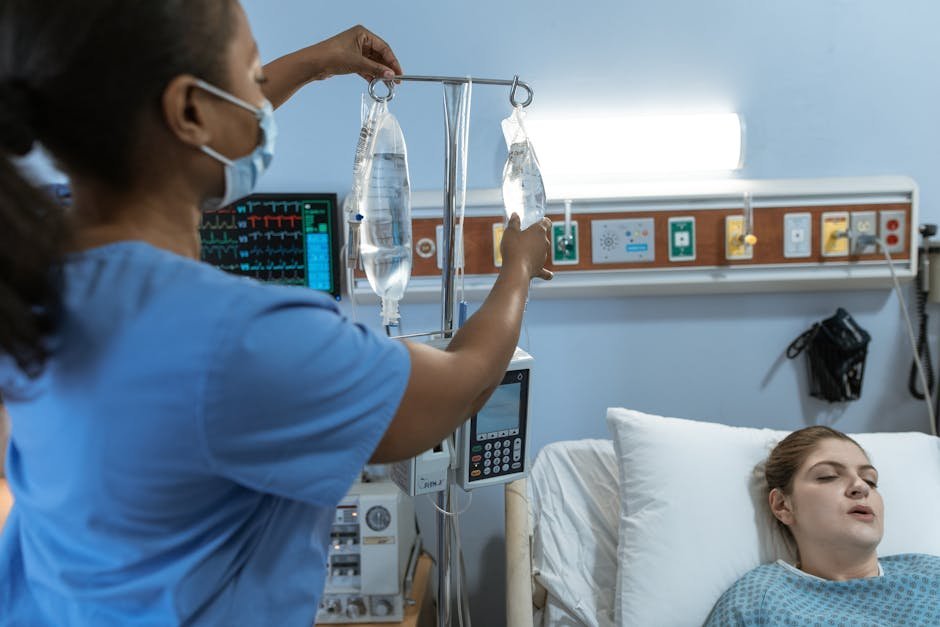
The CMS Acute Hospital Care at Home Waiver
The federal Acute Hospital Care at Home program traces directly to a November 2020 emergency waiver issued by the Centers for Medicare and Medicaid Services during the COVID-19 surge. The waiver allowed participating hospitals to provide inpatient-level acute care in patients’ homes while billing standard Medicare DRG rates. What began as a pandemic-era stopgap has become a durable policy: Congress has extended the waiver multiple times, most recently through the Consolidated Appropriations Act of 2024 and subsequent extensions running into 2026 and beyond.
As of early 2026, more than 380 hospitals across 39 states participate in the federal program. Initial enrollment focused on medical and surgical conditions like pneumonia, heart failure, and cellulitis, but the model has steadily expanded to include behavioral health applications. Psychiatric Hospital-at-Home, sometimes called acute psychiatric care at home or virtual psychiatric inpatient, sits at the leading edge of that expansion.
Psychiatric Hospital-at-Home as an Emerging Model
The psychiatric application of the Hospital-at-Home framework is more recent and more limited than its medical counterpart, but it is no longer purely experimental. Hospital at home mental health services now operate at a handful of academic medical centers and integrated health systems, including the Mass General Brigham Home Hospital program, Mount Sinai’s hospital-at-home expansion, Atrium Health’s behavioral pilot, Northwell Health, and Presbyterian Health Services in New Mexico. Several Veterans Affairs medical centers have adapted the model for psychiatric admissions as well.
The clinical rationale is compelling. Many patients who require acute psychiatric stabilization do not need a locked unit, restraints, or constant 1:1 observation. They need frequent medication adjustments, daily provider contact, structured therapy, and a safe environment with someone present. For a meaningful subset of patients, that environment can be home, with the right wraparound. Our overview of levels of psychiatric care places Hospital-at-Home within the broader continuum.
What Hospital-at-Home Mental Health Includes
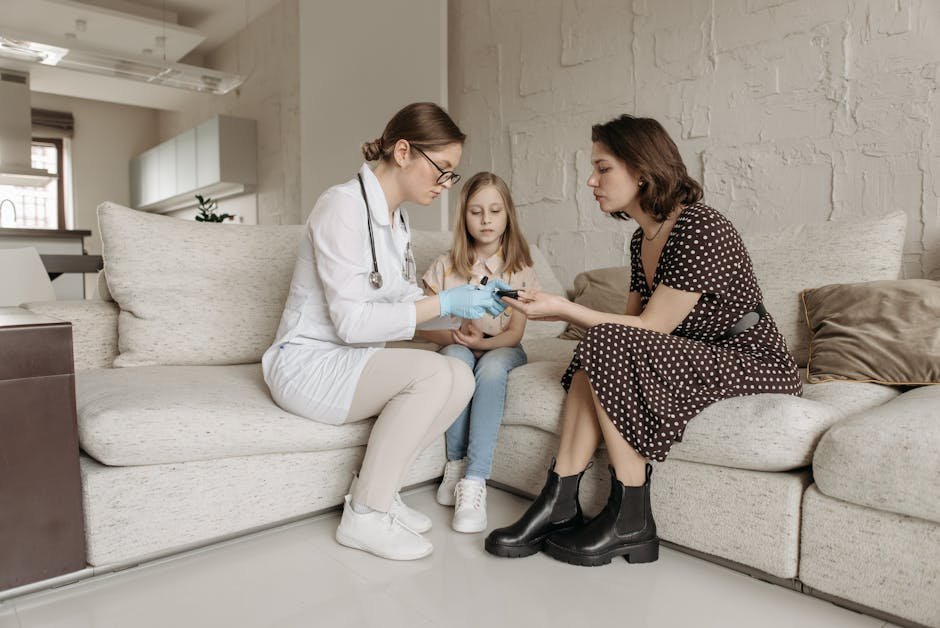
A psychiatric Hospital-at-Home admission typically replicates the core elements of inpatient care, scaled to a home setting. The exact service mix varies by program, but most include 24/7 monitoring through a combination of in-person visits and remote sensors, daily provider visits in person or by video, medication delivery and observed dosing for high-risk medications, structured therapy sessions, family involvement and psychoeducation, and rapid escalation pathways if acuity rises.
- Twice-daily nurse home visits with mental status exams and vital signs
- Daily psychiatrist contact, generally one in-person visit and one telehealth check-in
- Continuous remote monitoring of activity, sleep, and medication compliance via wearable devices
- 24/7 telephonic and rapid in-person response from the program’s command center
- Structured therapy sessions, often three to five per week, in person or via video
- Pharmacy delivery of all medications, with controlled-substance protocols for buprenorphine, benzodiazepines, and stimulants
- Family education and a designated support person trained in safety planning
The intent is not to recreate every element of an inpatient ward at home, but to deliver the elements that drive clinical outcomes while leveraging the stability and dignity of the patient’s own environment.

Eligibility Criteria
Hospital-at-Home is not suitable for every acute psychiatric patient. Programs screen carefully before admission. Typical eligibility criteria include a suitable home environment that is safe, has utilities, and allows for staff visits, a designated support person willing and able to be present overnight and assist with safety planning, low-acuity acute symptoms that do not require physical containment such as restraints or seclusion, absence of active suicidal intent with means at home, low risk of violence toward others, and stability of any comorbid medical conditions.
Conditions that often qualify include moderate to severe major depression with suicidal ideation but no active intent or means, anxiety disorders with crisis-level symptoms, postpartum depression and anxiety, geriatric depression with medical complexity, certain medication-induced acute states, and step-down from inpatient when continued acute-level monitoring is needed but the locked environment is no longer necessary. CMS guidance at cms.gov details the eligibility frameworks participating hospitals use.
Insurance Coverage Through 2026
Coverage has been the most significant barrier to wider availability of Hospital-at-Home programs. Under the federal waiver, traditional Medicare reimburses participating hospitals at standard inpatient DRG rates. Many Medicare Advantage plans have followed suit. Medicaid coverage varies dramatically by state, with about half of state Medicaid programs covering Hospital-at-Home services as of early 2026 and several more in the rule-making process.
Commercial insurance coverage has expanded substantially over the past two years. Major national insurers including Aetna, UnitedHealthcare, Anthem, and Humana now cover Hospital-at-Home benefits in many of their products, though specific authorization processes vary. Behavioral health applications are covered when delivered through accredited programs, although prior authorization is typically required and length-of-stay reviews mirror traditional inpatient.
Finding Programs in 2026
The CMS Acute Hospital Care at Home waiver maintains a public list of participating hospitals at the cms.gov portal, which is the most reliable starting point. The list is updated as new programs are approved. Among the better-known programs with behavioral health components are Mass General Brigham Home Hospital, Atrium Health Hospital at Home, Northwell Health Connected Home Care, Presbyterian Healthcare Services Hospital at Home, and Mount Sinai Health System Hospital at Home. Several VA medical centers run psychiatric variants for veterans.
Patients typically enter Hospital-at-Home through the emergency department, where eligibility screening happens at the point of admission decision. Direct admission from outpatient settings is becoming more common as programs mature. Asking your outpatient psychiatrist whether the local academic medical center participates is the most direct route. Our companion piece on in-home psychiatric crisis services distinguishes Hospital-at-Home from mobile crisis teams and ACT.
Comparison to Inpatient Outcomes
Outcome data on psychiatric Hospital-at-Home is still maturing, but early studies are encouraging. Patient-reported satisfaction is consistently higher than inpatient, with substantial advantages in dignity, family involvement, and continuity of medications and routines. Length of stay is comparable or slightly shorter. Readmission rates appear similar to or lower than traditional inpatient. Adverse event rates, including elopement and self-harm, are within acceptable ranges when eligibility screening is rigorous.
The model is not a replacement for inpatient psychiatry. Patients with acute psychosis, severe agitation, or active suicidal intent with available means need the structure and physical safety of a locked unit. Hospital-at-Home expands the menu rather than narrowing it, and the clinical question becomes which patient is best matched to which level of care. Research at nih.gov aggregates ongoing clinical trials and outcome studies of the model.
When Hospital-at-Home Is Not Appropriate
Several clinical and social situations make Hospital-at-Home inappropriate. These include active psychosis with command hallucinations, severe agitation requiring physical containment, active suicidal intent with available lethal means at home that cannot be removed, intimate partner violence in the home, severe substance withdrawal requiring medically managed detoxification, an unstable or unsafe physical environment, and absence of any willing support person. Programs decline these admissions and route the patient to traditional inpatient.
Step-down conversion is also possible: a patient may begin in inpatient and convert to Hospital-at-Home once acuity has dropped enough that the locked environment is no longer necessary but acute-level monitoring is still beneficial. This kind of bridging admission is becoming more common and reduces total inpatient days while maintaining clinical intensity. Our piece on step-down psychiatric care explores these transition pathways.
Privacy, Safety, and Family Considerations
Hospital-at-Home requires that strangers, in the form of nurses, paramedics, therapists, and pharmacy couriers, enter the home repeatedly during the admission. Programs train staff in privacy practices and obtain detailed consent for each role. Designated support persons take on responsibilities they may not have signed up for, including overnight presence, medication observation in some programs, and immediate notification of the program if symptoms worsen. The role is real labor and worth discussing in concrete terms before admission begins.
Frequently Asked Questions
Does Hospital-at-Home cost less than inpatient?
Hospitals are reimbursed at comparable DRG rates, but their internal cost is often lower because there are no facility overheads. For patients with traditional Medicare, copay structures are similar to inpatient. Commercial plans may have different cost-sharing.
Can someone with children at home enroll?
Yes, as long as childcare arrangements are stable and the home environment supports clinical visits. Programs assess family configuration during the eligibility screen and may decline admissions where parenting demands are incompatible with intensive monitoring.
How does the program handle a sudden worsening of symptoms?
All Hospital-at-Home programs maintain 24/7 rapid-response capacity. If symptoms escalate beyond what the model can safely manage, the patient is transferred to inpatient psychiatry, often via direct admission rather than emergency department.
Are weapons removed from the home?
Yes. Lethal means restriction is a precondition of admission. Firearms, large medication stockpiles, and other lethal means are secured outside the home or with a trusted third party before the program begins.
Is Hospital-at-Home available everywhere?
No. Coverage is geographic and concentrated in metropolitan areas served by participating hospital systems. Rural availability is expanding but remains limited. The CMS portal lists participating sites by ZIP code radius.
The bottom line
Hospital-at-Home mental health care has moved from pandemic improvisation to durable infrastructure, with federal coverage now extended through 2026 and beyond, more than 380 participating hospitals nationwide, and growing evidence that selected acute psychiatric patients do as well or better at home than on a locked unit. The model is not for everyone and requires careful screening, lethal means restriction, a designated support person, and a suitable home environment. For the right patient, it preserves dignity, maintains family connection, and delivers acute-level clinical care without removal from daily life. The most useful question to ask, for someone facing acute psychiatric stabilization, is whether their local academic medical center participates in the federal program and whether the patient meets eligibility for a behavioral health admission. The answer is increasingly yes, and the menu of acute care options is wider in 2026 than it has ever been.
If you or someone you love is in suicidal crisis or experiencing a mental health emergency, call or text 988 to reach the 988 Suicide and Crisis Lifeline. The line is free, confidential, and available 24 hours a day, with trained counselors who can help connect you to local emergency mental health services and home-based crisis options.
This article is for informational purposes only and does not substitute for medical advice from a licensed clinician. Decisions about Hospital-at-Home enrollment should be made in consultation with a qualified physician and the participating program’s clinical team.