
Annika Lindholm grew up taking weekly sauna sessions with her grandmother in a small lakeside cabin outside Duluth, Minnesota, where the family had kept Finnish customs alive through three generations. She did not think of it as therapy. It was simply Saturday: load the wood stove, sweat for twenty minutes, walk the gravel path down to Lake Superior, and submerge yourself in water that hovered around 39 degrees in early summer. By her late twenties, when panic attacks began ambushing her at the architecture firm where she worked in Minneapolis, she had stopped going home as often. Her therapist suggested SSRIs and CBT, both of which helped some, but Annika could not shake the feeling that something else had been quietly regulating her nervous system for years and she had let it slip away. She bought a sauna blanket for her apartment, found a dunk tank at a local recovery studio, and rebuilt the ritual on a Tuesday evening schedule. Within three months, her panic attacks dropped from weekly to roughly monthly. Her therapist did not call it a cure. She called it a return.
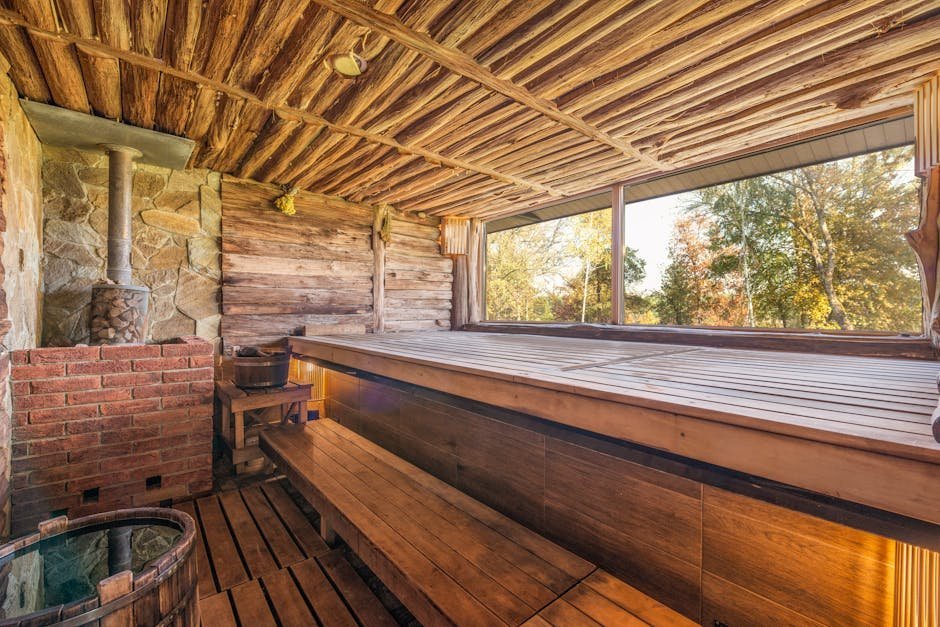
Contrast therapy mental health claims have moved from the fringes of the wellness world into mainstream conversation, with athletes, podcasters, and researchers all pointing to the same pairing: heat the body, cool the body, repeat. The underlying physiology is real and reasonably well-understood, even when the strongest mental health claims still rest on small studies. Contrast therapy mental health protocols typically combine sauna or hot tub immersion with cold water plunges or showers, exploiting the body’s response to repeated thermal stress as a kind of training program for the autonomic nervous system. Contrast therapy mental health benefits, when they show up, tend to involve reductions in anxiety, improvements in sleep, and a subjective sense of resilience that practitioners struggle to describe but consistently chase.
The physiology of hot-cold contrast
When the body is exposed to heat, peripheral blood vessels dilate, heart rate climbs, and the parasympathetic nervous system gradually downshifts as the body works to dump heat. When you then plunge into cold water, vessels constrict sharply, the cold shock response activates a sympathetic surge, and the diving reflex stimulates the vagus nerve. Cycling between these states, sometimes called autonomic conditioning, is thought to broaden the range over which your nervous system can move comfortably.
People with anxiety disorders often live with a nervous system that has narrow comfort margins; small stressors push them into sympathetic overdrive that takes hours to resolve. Repeated thermal cycling appears to nudge those margins wider, the way endurance training nudges aerobic capacity wider. Heart rate variability, a rough proxy for autonomic flexibility, has been shown to improve in regular sauna and cold exposure users in several small trials.
The Finnish tradition of sauna and cold lake plunge
Finland has roughly 3.3 million saunas for 5.5 million people, and the practice is woven into the culture as deeply as coffee in Italy. Finnish epidemiology has produced some of the most striking sauna data in the world. The KIHD cohort study tracked over 2,300 middle-aged Finnish men and found that men who used saunas four to seven times per week had significantly lower rates of cardiovascular mortality, dementia, and depression than those who used saunas once a week or less.
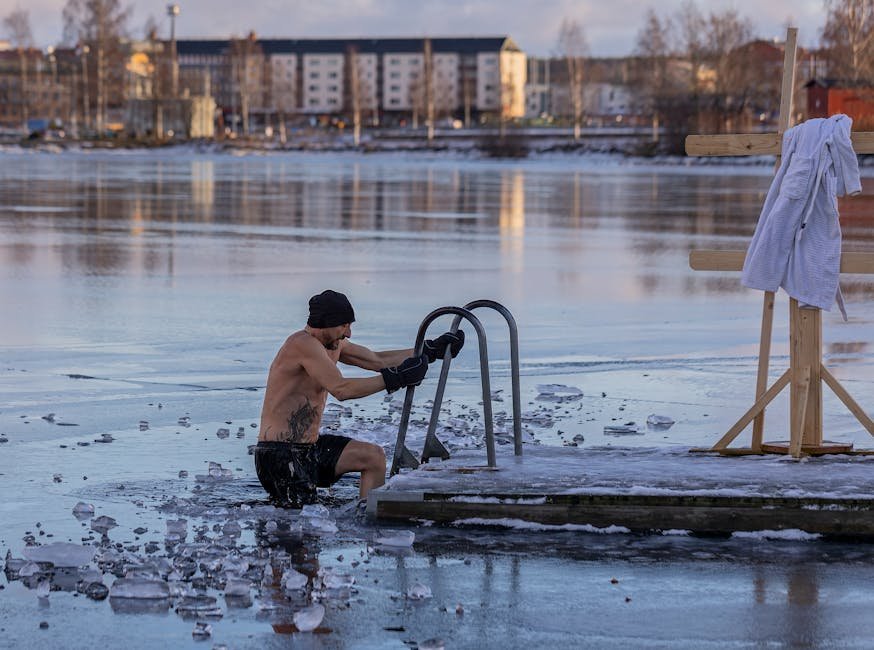
The cold plunge half of the Finnish ritual, called avantouinti or ice swimming, has its own small but interesting evidence base. A Finnish study of regular winter swimmers found significant reductions in tension, fatigue, and depressive symptoms after four months of consistent practice. The combined ritual is older and probably more powerful than either piece studied alone.
The evidence base for mental health benefits
Honest summary: the evidence is suggestive, not definitive. A 2016 randomized trial published in JAMA Psychiatry found that whole-body hyperthermia, essentially a single intensive heat treatment, produced a significant antidepressant effect in adults with major depressive disorder that lasted six weeks. Smaller studies have replicated the pattern. Cold water immersion research, particularly work coming out of the United Kingdom on outdoor swimming, has shown reductions in depressive symptom scores in patient cohorts.
The National Institutes of Health maintains a useful summary of the broader literature on sauna bathing and health outcomes, and the National Institute of Mental Health has covered depression treatments at a higher level. None of this means contrast therapy is a substitute for evidence-based treatment, but it does suggest a meaningful adjunctive role for many people. We covered related research in our piece on sauna therapy and depression.
Athletic recovery and the mental health crossover
Contrast therapy first entered American mainstream wellness through professional sports recovery rooms. NBA, NFL, and Olympic training facilities have used hot-cold cycling for decades, primarily for muscle recovery and inflammation management. The mental health benefits were a noticed side effect rather than the original target.
Athletes consistently reported better sleep, lower anxiety before competition, and a more even mood profile during heavy training blocks. As wearable sleep data became cheap and pervasive, those subjective reports got quantified, and the recovery-meets-mood overlap became hard to ignore. Our deep dive on cold plunge for anxiety covers the protocol-level details.
Home setup options
You do not need a Finnish lake to run a contrast protocol. Reasonable home setups have become accessible at multiple price points.
- Sauna blanket plus cold shower: roughly $300 to $600 entry point, fits in any apartment
- Infrared sauna cabinet plus stock tank with chiller: roughly $3,000 to $6,000, garage or backyard
- Traditional Finnish-style sauna plus outdoor tub: $8,000 to $20,000, requires space and electrical
- Gym or recovery studio access: $30 to $200 per month depending on city, no equipment needed
- Local pool plus steam room plus cold shower: often available with basic YMCA membership
The cheapest functional setup is a hot shower turned to cold for the final 60 to 90 seconds, which captures part of the cold-side benefit without any equipment at all. Pairing that with a steam room session at a local gym a few times per week is a reasonable starter protocol.
Contraindications and safety
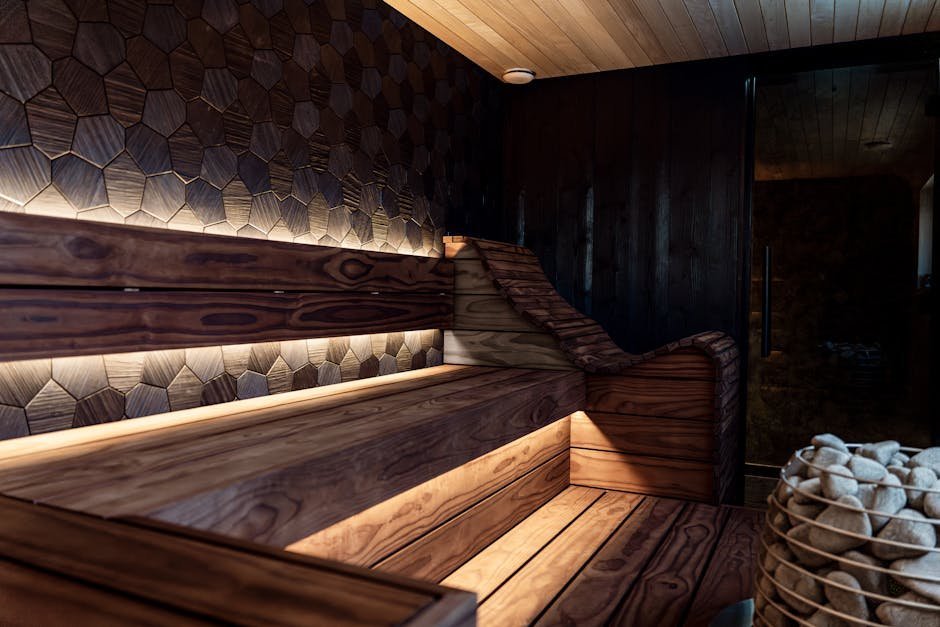
Contrast therapy is not safe for everyone. People with uncontrolled cardiovascular disease, recent cardiac events, severe hypertension, or unstable arrhythmias should not start hot-cold protocols without explicit clearance from a cardiologist. The combination of heat-induced tachycardia and cold-induced vasoconstriction places significant load on the cardiovascular system, and several deaths each year in Finland and elsewhere are attributable to medical events triggered during sauna and plunge sessions.
Raynaud’s phenomenon, peripheral neuropathy, pregnancy, recent surgery, and active eating disorders are also reasons to delay or modify the practice. Anyone on medications that affect thermoregulation, including many antipsychotics and some antidepressants, should consult their prescriber before starting. We discuss broader considerations in our overview of exercise and mental health safety.
Starting protocols and the Brian Mackenzie approach
Brian Mackenzie, a breath and stress physiology coach who has worked with Olympic athletes and special operations communities, has popularized a measured approach to contrast work that prioritizes nervous system regulation over heroic exposure. The basic structure most practitioners borrow from his work involves three to five rounds of roughly 10 to 15 minutes of heat followed by one to three minutes of cold, with deliberate slow nasal breathing through the cold portion to keep the diving reflex from spiking into a panic response.
For absolute beginners, a more conservative starting protocol looks like 10 minutes of sauna or hot bath, followed by 30 seconds of cold shower, repeated twice, two to three times per week. Sessions can extend over weeks as your tolerance develops. The signal that you are doing too much is paradoxical: you feel wired and anxious for hours afterward instead of calm. Pull back when that happens.
Frequently asked questions
Does the order matter, hot first or cold first?
Most traditional and modern protocols start with heat and end with cold, which leaves you feeling alert. Some recovery-focused protocols reverse the order to end warm.
Can I do contrast therapy daily?
Many regular practitioners do, but most people get the bulk of benefits from three to four sessions per week. Daily exposure can overload the nervous system in some users.
What temperature should the cold plunge be?
Most research uses water between 50 and 59 degrees Fahrenheit. Colder is not better; the benefits plateau and the risk profile worsens.
How long until I notice mental health changes?
Most consistent practitioners report meaningful changes within four to eight weeks of regular practice. A single session can produce a noticeable mood lift but does not represent the durable effect.
Can contrast therapy replace antidepressants?
No. It can be a useful adjunct, but stopping prescribed medication based on a wellness practice can be dangerous. Discuss any medication changes with your prescriber.
The bottom line
Contrast therapy is one of the more compelling adjunctive tools to emerge from the intersection of athletic recovery and mental health science. The Finnish tradition has done the long uncontrolled experiment for us across centuries, and the modern data, while still maturing, points the same direction. Start small, respect your cardiovascular limits, and build the practice as a ritual rather than a feat. The nervous system rewards consistency more than intensity.
If you are in crisis or thinking about suicide, please call or text 988 to reach the Suicide and Crisis Lifeline. Help is available 24 hours a day across the United States.
This article is for general informational purposes only and does not constitute medical advice, diagnosis, or treatment. Speak with a qualified mental health professional or physician about your specific situation, especially before starting any heat or cold exposure protocol.