Priya Ramaswamy did not set out to become a birder. She set out to escape her apartment, which had begun to feel like a slowly closing room after her second miscarriage in fourteen months. A neighbor in her Cambridge, Massachusetts building lent her a pair of beat-up Nikon binoculars and recommended a small park along the Charles River where chickadees were so habituated to humans they would land on outstretched palms. Priya went on a Tuesday morning in October, expecting to last twenty minutes. She stayed for two hours. She did not see anything rare. She saw a downy woodpecker, two song sparrows, a kingfisher diving for minnows, and a great blue heron standing so still she initially mistook it for a piece of driftwood. When she got home, she realized she had not thought about her grief for a stretch of nearly forty minutes. Her therapist, who had recommended antidepressants twice without success, marked the date in her notes. Eighteen months later, Priya had become the kind of person who got up at 4:45 AM in May for warbler migration. Her therapist said the birds had been better than any pill she could have written.
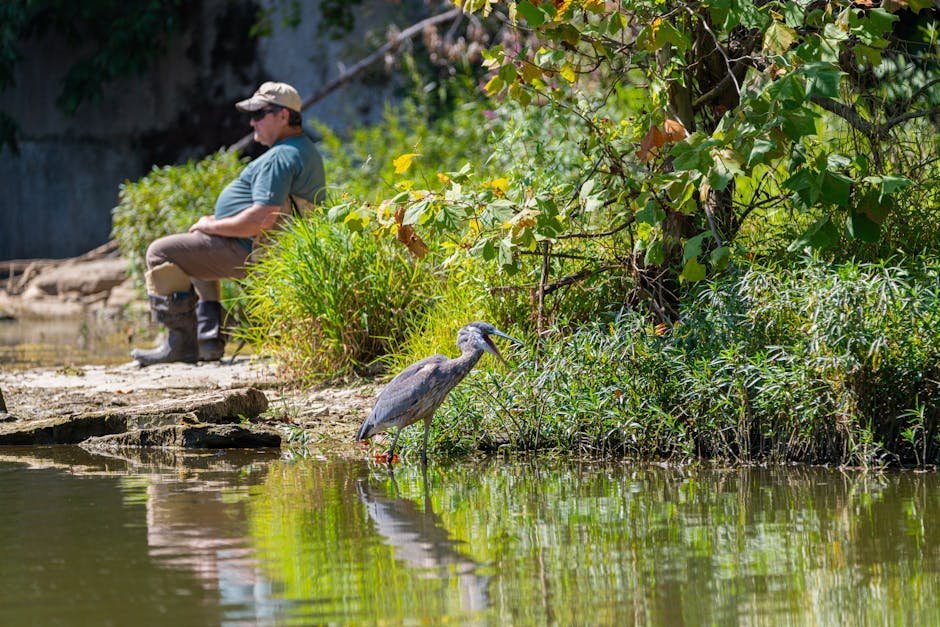
The case for birding mental health benefits has moved from anecdote into actual peer-reviewed research over the past decade. Birding mental health outcomes appear to depend on something specific about avian wildlife encounters that broader nature exposure does not fully capture: the cognitive engagement of identification, the unpredictability of what shows up, and the slow attention shift that scanning a tree line demands. Birding mental health research is still young, but the early data, combined with millions of practitioners who keep coming back, points to one of the more interesting low-cost mental health practices available.
The Cox 2017 BioScience study and the seven-species threshold
A 2017 study by Cox and colleagues, published in BioScience, measured neighborhood bird abundance and mental health outcomes in Milton Keynes, Bedford, and Luton, three British towns. The headline finding was that mental health outcomes improved with the abundance of birds people could see and hear in their daily environment, with a notable effect threshold around seven species. People living in neighborhoods where seven or more bird species could be observed showed significantly lower rates of depression, anxiety, and stress than those in less avian-rich areas.
The study did not establish causation, but it controlled carefully for income, age, and other neighborhood characteristics, which makes the bird signal harder to dismiss. Subsequent work, including a 2022 study published in Scientific Reports tracking real-time mental wellbeing through smartphone apps, replicated the pattern: encountering birds was associated with mental wellbeing improvements lasting up to eight hours after the encounter.
Merlin, eBird, and iNaturalist
The barrier to entry for birding has collapsed in the past decade thanks to a handful of free apps. Merlin, developed by the Cornell Lab of Ornithology, identifies birds by photograph or sound recording with surprising accuracy. New birders can stand under a tree, point their phone at the canopy, and learn that they are listening to a yellow-rumped warbler within seconds. The cognitive leap from “small bird” to “named species” is the leap that hooks most people.
- Merlin Bird ID, free, handles photo and audio identification anywhere in the world
- eBird, the global citizen science database, lets you log sightings and explore hotspots near you
- iNaturalist, broader than birds, with a strong community for verification
- Audubon Bird Guide app, free, with regional filtering and migration tracking
- BirdNET, an alternative audio identifier with strong scientific backing
The combination of Merlin for identification and eBird for record-keeping creates a feedback loop that turns idle observation into a structured practice. Our broader piece on nature and mental health covers adjacent territory.
Audubon community programs and Bird Walks
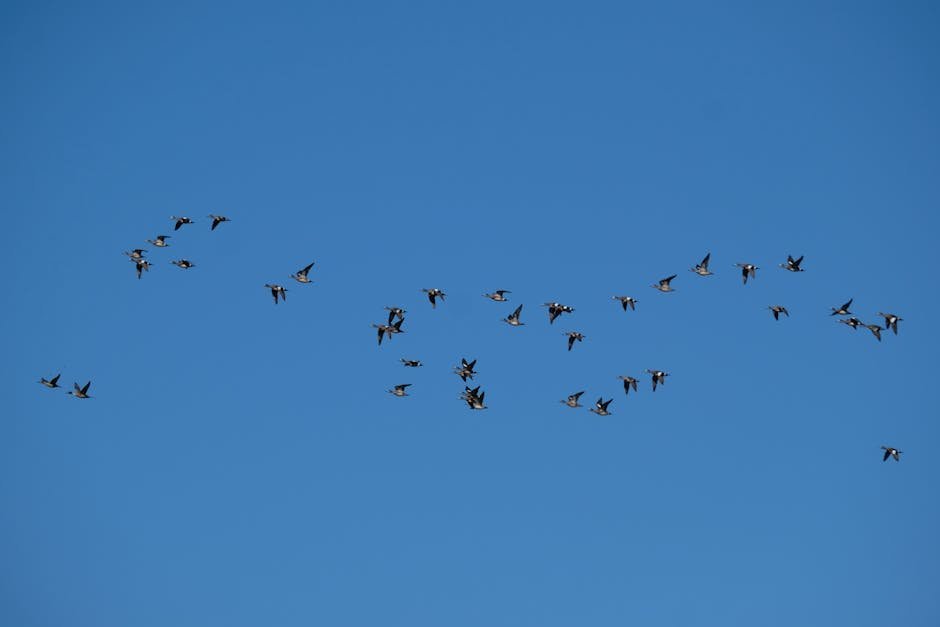
The National Audubon Society maintains over 450 local chapters across the United States, most of which run free or low-cost bird walks open to beginners. Local chapters tend to be welcoming to newcomers in a way that other naturalist communities sometimes are not; the etiquette is to share spotting scopes generously and patiently teach identification skills. Walks typically run two to three hours and cover one to three miles at a pace that would frustrate any committed hiker.
For people whose mental health benefits from social structure, the regular cadence of a chapter’s monthly bird walk schedule provides a predictable nature-and-people commitment that solo birding does not. The Audubon Society’s overview of birding and mental health covers their broader perspective on the practice.
The slow-paced attention shift
Birding requires what attention researchers call “soft fascination,” a relaxed but engaged attentional mode that allows the directed-attention system to recover from the fatigue produced by modern work. Rachel and Stephen Kaplan’s attention restoration theory, developed at the University of Michigan, predicts exactly this kind of recovery effect from environments that are interesting without being demanding.
Scanning a tree line, listening for a faint song, and waiting for movement are nearly perfect examples of soft fascination. The activity is engaging enough to crowd out rumination but not demanding enough to deepen the cognitive fatigue that depression and anxiety produce. Birders frequently report that an hour of birding feels less like effort and more like rest, despite the standing and walking involved.
Christmas Bird Count and citizen science
The Christmas Bird Count, organized by Audubon since 1900, is the longest-running citizen science project in the world. Each December and January, tens of thousands of birders fan out across designated 15-mile-diameter count circles to tally every bird they encounter. The data has informed climate science, conservation policy, and population biology for over a century.
The mental health side effect of citizen science participation is real and underappreciated. Contributing to a project larger than yourself, with measurable downstream consequences for conservation and policy, produces a sense of meaning that ordinary recreation does not. Project FeederWatch, the Great Backyard Bird Count, and breeding bird atlas projects offer year-round opportunities to participate. Our piece on meaningful activity and mood explores the broader literature on purpose and mental health.
The Audubon Bird-Friendly initiative and urban birding
You do not need to live near a wildlife refuge to bird productively. Most American cities support dozens of resident species and host migratory waves twice a year that bring extraordinary diversity through ordinary city parks. New York’s Central Park, Chicago’s Magic Hedge at Montrose Point, and Los Angeles’s Ballona Wetlands routinely host 200-plus species across a calendar year. Smaller cities have less famous but equally productive hotspots that the eBird app will reveal in seconds.
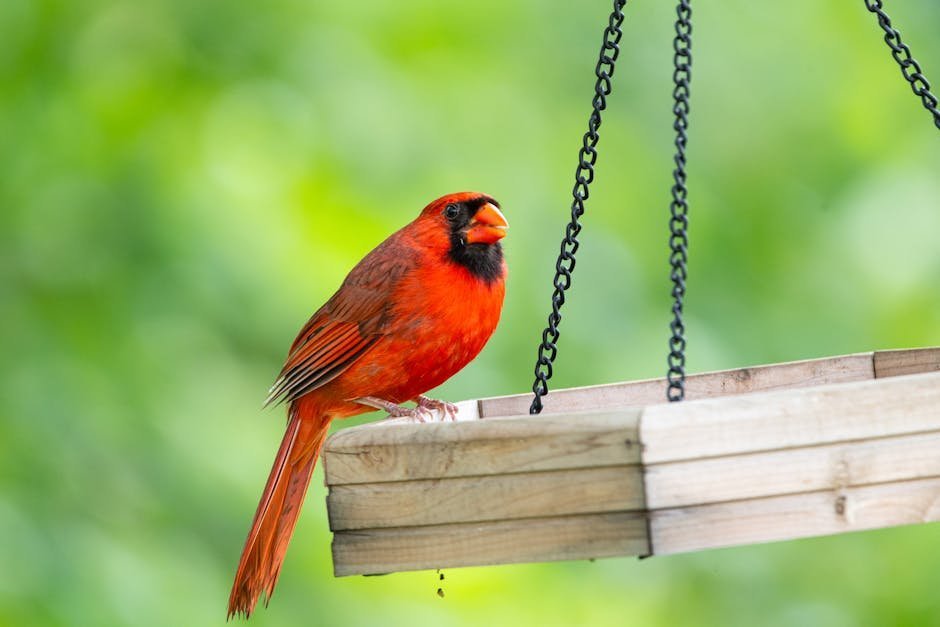
The Audubon Society’s Bird-Friendly initiative encourages homeowners and renters to make their properties more hospitable to birds through native plantings, water features, and reduced pesticide use. The mental health corollary is that birds become reliable visitors rather than rare encounters, which folds the practice into ordinary days. The National Institutes of Health summarizes related research in their overview of nature exposure and mental health.
Birding versus forest bathing
Forest bathing, or shinrin-yoku, is the Japanese practice of slow, sensory-immersive nature walking with no goal beyond presence. Birding is more cognitively engaged than forest bathing, requiring active scanning, identification, and often note-taking. For some people, especially those whose anxiety is fed by understimulation and rumination, the cognitive load of birding works better than the open attention of forest bathing.
For others, particularly those whose anxiety is fed by overstimulation and performance pressure, forest bathing’s lower cognitive demand is the better fit. Many practitioners alternate between the two depending on the day. Our companion piece on exercise and mental health covers the broader spectrum of nature-related practices.
Finding local birding groups
Beyond Audubon chapters, most regions have informal birding networks accessible through Facebook groups, GroupMe threads, and the rare-bird alert systems that local listservs maintain. ABA Birding Code of Ethics groups, eBird local hotspot pages, and Discord servers for younger birders all offer entry points. Most groups are happy to welcome beginners; the social culture of birding rewards generosity with sightings and identification help.
For mental health purposes, even one regular birding contact, a person who texts you when something interesting shows up at the local pond, can transform the practice from a private hobby into a small social ecosystem.
Frequently asked questions
What gear do I need to start birding?
A pair of decent binoculars (8×42 is the standard recommendation) and a free phone app like Merlin. That is genuinely it for the first year.
How much time do I need to put in?
Twenty minutes in a park or backyard once or twice a week produces noticeable mental health effects for most beginners. The practice scales up from there.
Do I have to learn species names?
No, but the cognitive engagement of identification is part of what makes birding effective for mental health. Most people enjoy the gradual learning curve.
Is birding accessible for people with mobility limitations?
Yes. Window birding, feeder watching, and accessible boardwalks at many wildlife refuges accommodate a wide range of mobility needs.
What if I cannot identify anything at first?
That is normal. The Merlin app handles most identification work. The mental health benefit does not require expertise; it requires showing up.
The bottom line
Birding combines the documented mental health benefits of nature exposure, attention restoration, citizen science participation, and gentle social connection into a single low-cost practice. The barrier to entry is a pair of binoculars and a free phone app, and the ceiling is a lifetime of learning. If you have struggled to make outdoor time stick, the cognitive engagement of birding may be the version of nature exposure that finally holds your attention.
If you are in crisis or thinking about suicide, please call or text 988 to reach the Suicide and Crisis Lifeline. Help is available 24 hours a day across the United States.
This article is for general informational purposes only and does not constitute medical advice, diagnosis, or treatment. Speak with a qualified mental health professional or physician about your specific situation.