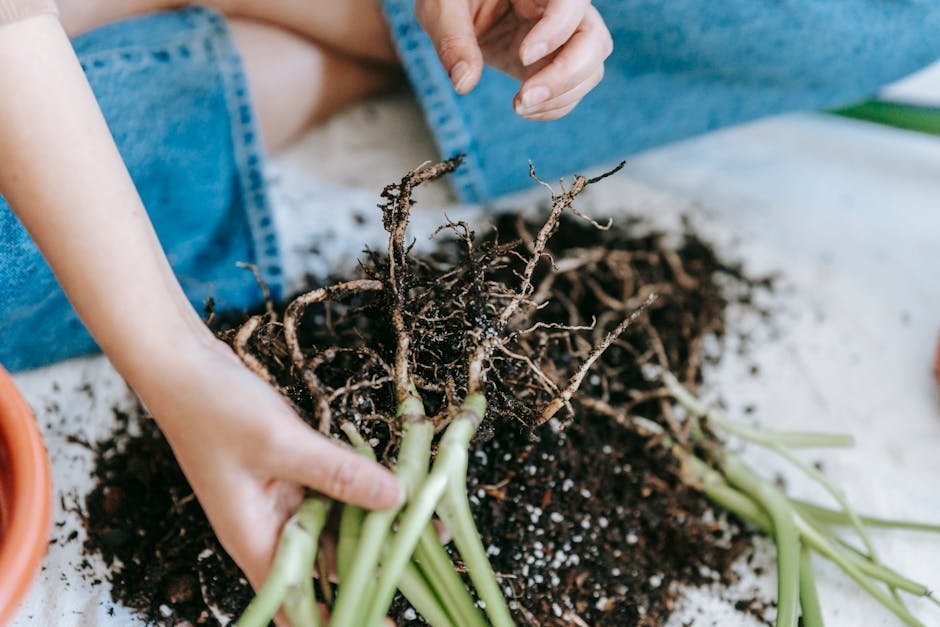
Mariana, a 67-year-old retired teacher in Tucson, Arizona, started losing words in 2024. The neurologist called it early-stage vascular cognitive impairment and suggested she find structured cognitive activities. Her daughter signed her up for a weekly horticultural therapy program at a Pima County botanical garden, where a registered horticultural therapist led a small group through tasks like seed sorting, propagating cuttings, and tending raised beds wheelchair-friendly enough for her arthritic knees. After eight weeks, Mariana wasn’t dramatically better on testing, but the family noticed she slept through the night again, asked about the tomatoes by name, and recognized that Wednesday meant “garden day.” She told her grandson she felt useful for the first time since retirement. That feeling of usefulness, the therapist told the family, is often the active ingredient. Plants need her, and her brain responds to being needed in ways that crossword puzzles never quite reached. Mariana’s story is not unique among older adults discovering that structured plant work can be medicine for both mood and cognition.

Horticultural therapy is the formal clinical use of plants and gardening activities, led by a credentialed practitioner, to achieve specific therapeutic goals. It is distinct from simply having a hobby garden, though both can support wellbeing. In the United States the credentialing body is the American Horticultural Therapy Association (AHTA), and the field has grown from rehabilitation hospitals in the postwar era into a recognized adjunct in dementia care, psychiatric units, veteran rehabilitation, autism programs, and pediatric oncology. This guide explains what the practice involves, the evidence behind it, where to find programs, and how home gardening fits into a mental wellness routine even without a clinical diagnosis.
What horticultural therapy actually is
The AHTA defines the practice as the engagement of a person in horticultural activities facilitated by a trained therapist to achieve specific, documented treatment goals. A registered horticultural therapist (HTR) holds the AHTA credential, which requires coursework in horticulture, human sciences, and therapy techniques plus supervised internship hours. Sessions look very different from a community gardening club. The therapist sets goals, perhaps improving fine motor coordination after stroke, reducing agitation in dementia, or building social communication in autistic adolescents, and chooses plant tasks accordingly. Documentation, progress notes, and outcome measurement separate clinical horticultural therapy from therapeutic gardening, which is more loosely defined recreational engagement with plants in a supportive setting.
Therapeutic horticulture, social and therapeutic horticulture, and community gardening exist on a spectrum. A volunteer-run vegetable garden at a homeless shelter is community gardening with mental health benefits but no clinical structure. A weekly plant-care group at an assisted living facility led by an activities director is therapeutic horticulture. A goal-driven session at a rehabilitation hospital led by an HTR is horticultural therapy. All three have value. Knowing which you are participating in matters when you are seeking insurance reimbursement or making clinical claims about outcomes.
The evidence base across diagnoses
Research on horticultural therapy has expanded considerably in the past two decades. Systematic reviews indexed by the National Library of Medicine show consistent if modest benefits for several populations. In dementia care, sensory-rich gardens and structured plant activities reduce agitation, improve sleep, and increase positive social engagement. In depression, allotment gardening and horticultural therapy programs reduce symptom scores comparable to some forms of behavioral activation. In post-traumatic stress disorder, particularly among veterans, programs at sites such as the Veterans Affairs system have reported reduced hyperarousal and improved sense of purpose. In autism, structured greenhouse and garden tasks build executive function, sensory tolerance, and vocational skills.
The mechanisms researchers propose include attention restoration theory, which holds that natural environments rest the directed-attention system; stress reduction theory, linking nature exposure to lower cortisol and parasympathetic activation; and the simple behavioral mechanism of being needed by living things on a regular schedule. None of these alone explain the effects, and the field acknowledges that better-controlled trials are still needed. What the evidence does support is that horticultural therapy is generally safe, low-cost relative to many adjuncts, and tolerated by populations who decline conventional talk therapy.
Notable American programs to know about
Several U.S. programs have shaped the field. The Glass Garden at NYU Rusk Rehabilitation in Manhattan was a pioneer, embedding horticultural therapy into post-stroke and spinal cord injury recovery for decades. The Buehler Enabling Garden at the Chicago Botanic Garden combines public education with clinical programs, and the Garden’s school of horticulture has trained generations of practitioners. Texas Children’s Hospital in Houston runs pediatric horticultural therapy, particularly for oncology and rehabilitation patients. The Skyland Trail psychiatric program in Atlanta integrates horticulture across its residential treatment. Veterans Affairs sites in Menlo Park, California; Bay Pines, Florida; and elsewhere have run horticulture-based PTSD programs. Several state psychiatric hospitals retain working farms or therapeutic gardens that originated in the Quaker moral-treatment movement of the nineteenth century.
Local programs are easier to find than many people assume. Many botanical gardens, including Longwood in Pennsylvania, the Atlanta Botanical Garden, and the Denver Botanic Gardens, run community-facing therapeutic horticulture for specific populations. Senior centers, assisted living facilities, and correctional facilities sometimes contract with credentialed horticultural therapists. Children’s hospitals increasingly have rooftop or courtyard therapy gardens. The AHTA maintains a directory of registered horticultural therapists searchable by state.
Community gardening as mental health support
Community gardens occupy vacant lots and shared land in nearly every American city. Programs such as GreenThumb in New York, P-Patch in Seattle, and the Trust for Public Land’s community garden network in cities like Newark and Atlanta have documented mental health and social benefits beyond food production. Plot holders report reduced isolation, more outdoor time, and incidental exercise. For people in recovery from substance use disorders, community gardens often provide a structured weekly commitment that is alcohol-free and intergenerational.
Community gardening is not a substitute for treatment when active mental illness needs clinical attention. It works best as part of a broader plan that may include medication, therapy, exercise, and social connection. Many people find that supplementing therapy with a community garden plot or co-op responsibility provides the kind of weekly anchor that helps them apply what they discuss in session. The phrase “plants don’t argue with you” recurs in interviews with gardening therapists; for clients carrying complicated grief or interpersonal trauma, that quality is often the door in.
Indoor plants and houseplant care
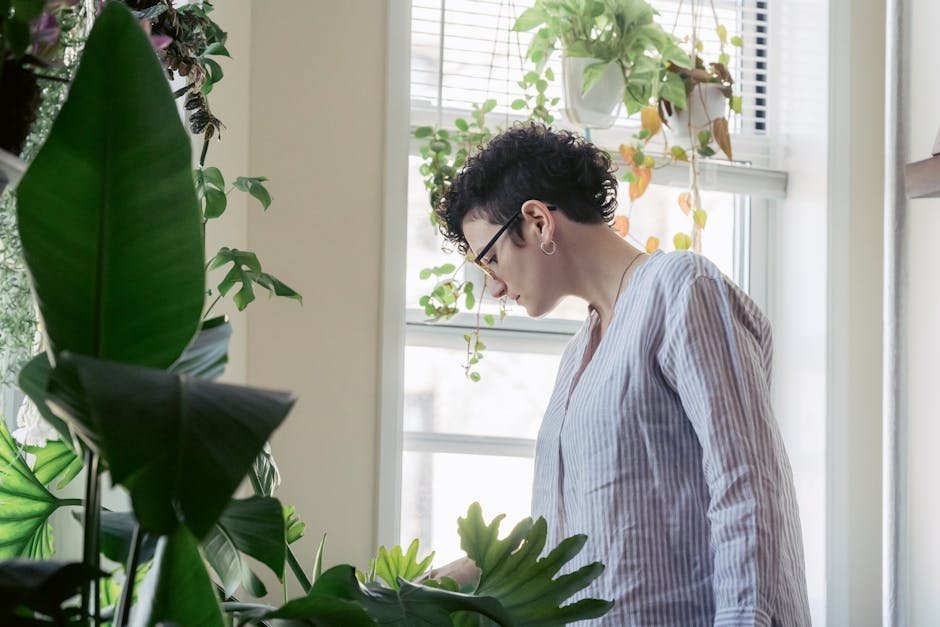
Not everyone has access to a garden plot. Apartment dwellers, college students in dorms, and people with mobility limitations often find indoor plants the most accessible entry. Easy-care species like pothos, snake plant, ZZ plant, philodendron, and various succulents tolerate the irregular care that comes with depression’s energy fluctuations. Caring for a houseplant offers a low-stakes opportunity to practice noticing, scheduling, and follow-through, the same executive functions that depression and anxiety often erode.
The houseplant boom of the early 2020s coincided with the pandemic mental health crisis and was, in part, a self-medication phenomenon. Therapists report clients describing pothos cuttings as their first successful “responsibility” after months of inability to function. Some of this slides into excess, with social-media-fueled buying and guilt over plant deaths becoming its own anxiety driver. Sustainable indoor plant care for mental health usually means starting with a few hardy species, accepting that some will die, and allowing the practice to be quietly imperfect rather than aesthetically curated. People who pair this with broader self-care routines, including forest bathing and outdoor nature immersion, often see steadier benefits.
Accessible gardening for disability and chronic illness
One of the most important developments in the field has been the design of enabling gardens for people with physical disabilities, sensory differences, and cognitive impairments. The Buehler Enabling Garden in Chicago is a model: raised beds at wheelchair-accessible heights, tools with built-up grips for arthritis and reduced grip strength, sensory plantings for low-vision visitors, and clear, predictable layouts for people with dementia or autism. Designers consider sun exposure for people on photosensitizing medications and surface materials that resist falls.
For home adaptation, occupational therapists can recommend modifications. Vertical garden walls, hydroponic countertop systems, and self-watering containers reduce the physical demand. Voice-activated and large-print plant care apps support people with vision loss or cognitive limits. People who pair gardening with structured movement plans, including those laid out in exercise prescriptions for depression, often find a sustainable routine where neither activity alone would suffice. Some find peer-led group therapy and structured group settings useful for processing the emotions that gardening unearths, since it is common for plant work to surface grief, longing, and family memories that talk therapy then helps integrate.
How to start without a clinical referral
If you do not have a clinical referral but want to add plant work to your mental health routine, the practical steps are straightforward. Visit a botanical garden’s public programs page and look for therapeutic, accessibility, or community classes. Search the AHTA directory for practitioners offering private sessions or workshops in your area. Check your local cooperative extension service, which runs Master Gardener programs that often include therapeutic horticulture training. Apply for a community garden plot, accepting that waitlists in dense cities can be long. Start small at home with a windowsill herb garden, three houseplants, or a single raised bed.
The pace matters. People who buy fifty houseplants in a depressive episode tend to feel worse a month later when most have died. People who keep one pothos alive for a year often describe a quiet shift in self-trust that talk therapy alone struggles to produce. The practice rewards consistency more than intensity.
Frequently asked questions
Is horticultural therapy covered by insurance?
Direct insurance coverage is rare in the U.S. When horticultural therapy is provided as part of an inpatient rehabilitation, psychiatric, or skilled nursing stay, it is typically bundled into the per-diem rate rather than billed separately. Some grant-funded community programs offer free participation. Sliding scale and donation-based programs exist at botanical gardens and nonprofits.
Do I need to be physically able to dig and lift?
No. Programs serve people using wheelchairs, with limited grip strength, on supplemental oxygen, and with significant cognitive impairment. Tasks scale to ability, from seed sorting at a table to deadheading flowers from a seated position to full garden bed work.
Can children participate?
Yes. Pediatric programs serve children with autism, ADHD, anxiety, oncology diagnoses, and developmental disabilities. Children’s hospitals and several outpatient pediatric mental health programs include horticultural therapy in their offerings.
What if I have no outdoor space at all?
Indoor plants, hydroponic systems, and visits to botanical gardens or conservatories all count. Many therapists run sessions entirely indoors using cuttings, seed propagation, and houseplant care.
How long before I notice mental health benefits?
Some people report mood improvement within the first session, particularly the immediate calming effect of being outdoors with plants. Sustained benefits in mood, sleep, and stress markers tend to emerge over four to twelve weeks of regular engagement, similar to the timeline for exercise interventions in depression.
The bottom line
Plants will not replace evidence-based treatment for serious mental illness, and no botanical garden membership cures depression. What horticultural therapy and its less formal cousins offer is a low-side-effect, low-cost adjunct with reasonable evidence in dementia, mood, trauma, and developmental conditions. The decision to add a plant practice, whether through a credentialed program, a community garden plot, or a single houseplant on a windowsill, is rarely the wrong call, and for many people it becomes the practice that makes everything else stick.
If you are in crisis or thinking about harming yourself, call or text 988 to reach the 988 Suicide and Crisis Lifeline, available around the clock in the United States.
For directories and research summaries, see the American Horticultural Therapy Association and the National Institutes of Health.
This article is for general educational purposes and is not medical advice. Speak with a qualified clinician about your specific health situation.