Marcus, a 34-year-old software engineer in Austin, Texas, had been chasing a deadline for nine straight days. By the third night without real sleep, he started seeing shadows shift on his apartment wall. By the fifth night, he believed his coworkers were planting microphones in his keyboard. When his sister found him on day six, he was barricaded in his bathroom whispering about a government agent in the hallway. The emergency department physician at Dell Seton Medical Center recognized the pattern within minutes: this was not schizophrenia. This was sleep deprivation psychosis, a transient but genuinely dangerous mental health emergency. Marcus was admitted, given a low-dose sedating antipsychotic, and slept for sixteen hours. By the second day after waking, the paranoia had evaporated entirely, and the only thing he remembered clearly was how real the voices had felt. His story is far more common than most American emergency rooms acknowledge, and recognizing it early often determines whether someone gets discharged with a sleep plan or admitted to a psychiatric ward for weeks.
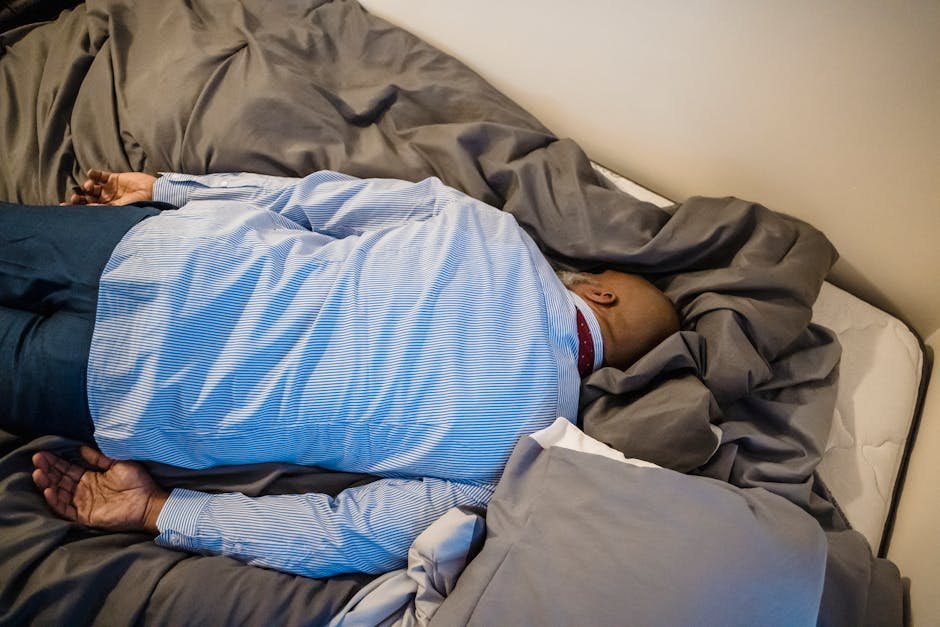
The 36 to 72 Hour Threshold When Reality Begins to Crack
Research from sleep laboratories has consistently shown that healthy adults begin developing perceptual disturbances after roughly 36 hours of total wakefulness. By 48 hours, simple visual illusions are nearly universal. By 72 hours, frank hallucinations and paranoid thinking emerge in a substantial majority of subjects, even those with no psychiatric history. The progression is predictable enough that military and aerospace researchers have mapped it in fine detail. Sleep deprivation psychosis is not a rare quirk. It is what happens when the human brain is forced to remain awake past its biological limit, and it explains a meaningful percentage of the psychiatric presentations in busy urban emergency departments on any given night.
The symptoms typically begin with subtle perceptual changes. Lights seem too bright. Peripheral vision flickers. People report the sensation that someone is standing just behind them. As deprivation deepens, auditory illusions become full hallucinations, and ideas of reference, paranoia, and disorganized thinking appear. The terrifying part for patients and families is how convincing these experiences feel in the moment. There is no internal signal that says, “you are sleep deprived, ignore this.” The brain treats the hallucinations as real sensory input.
How Emergency Rooms Distinguish Primary Psychiatric Illness From Sleep-Driven Psychosis
The differential diagnosis is critical because the treatments diverge sharply. A patient experiencing a first psychotic break from schizophrenia needs a careful workup, often weeks of observation, and long-term medication. A patient with sleep-deprivation-induced psychosis needs sleep, hydration, and a brief course of medication to facilitate that sleep. Mistaking one for the other can cost a young adult years of unnecessary antipsychotic exposure or, on the flip side, miss a true first episode psychosis that requires coordinated specialty care.
Emergency physicians and psychiatric consultants typically look at the timeline. How long has the patient been awake, and what was the trigger? Has there been stimulant use? Was there a manic prodrome with reduced sleep need before the deprivation? They also assess collateral history. A 21-year-old college student who has not slept in five days during finals week with no prior psychiatric history points one direction. A 21-year-old with a family history of schizophrenia who became progressively withdrawn over six months before the sleeplessness points another. Toxicology screens, basic metabolic panels, thyroid function, and sometimes a CT scan of the head round out the standard workup.
The Bipolar Mania and Sleep Loss Feedback Loop
One of the most dangerous interactions in psychiatry is the bidirectional relationship between sleep loss and mania. A person with bipolar disorder who loses one or two nights of sleep, perhaps from a cross-country flight or a stressful work week, can tip into hypomania. The hypomania then reduces the felt need for sleep, which deepens the deprivation, which intensifies the mania, which further suppresses sleep. Within a week, a previously stable patient can be in full manic psychosis. This is why sleep hygiene is treated as a primary intervention in bipolar care, not a wellness afterthought.
Anyone with diagnosed bipolar disorder who notices three or more nights of significantly reduced sleep should treat it as a clinical event and contact their prescriber. Many psychiatrists keep their bipolar patients on a low standing dose of a sedating agent specifically as a circuit breaker for these spirals. For more on rapid-onset mood emergencies, see our piece on out-of-network without PPO coverage and how to navigate urgent psychiatric care without prior authorization headaches.
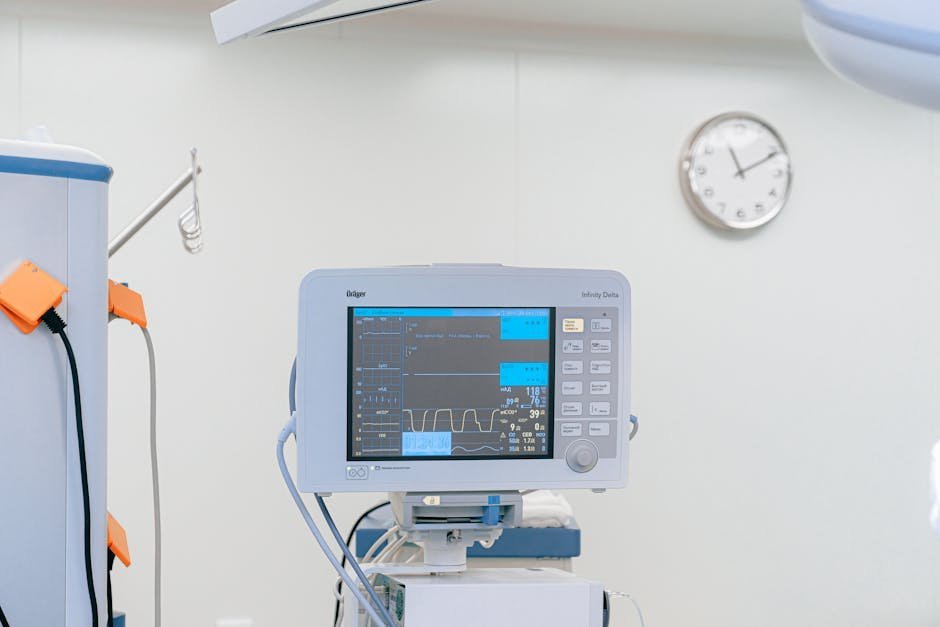
Treatment Centers on Restoring Sleep, Not Suppressing Symptoms
The cornerstone of management is rapid restoration of consolidated sleep. This usually means a sedating antipsychotic such as low-dose olanzapine or quetiapine, sometimes combined with a benzodiazepine if the patient is highly agitated. The goal is not to flatten the patient indefinitely. The goal is to break the wakeful state long enough for the brain to recover. Most patients sleep heavily for the first 12 to 18 hours, then enter a recovery period where REM rebound and slow-wave sleep rebound dominate the architecture for two or three nights.
- Quiet, dimly lit room without overhead fluorescent lighting
- Continuous observation by nursing staff for the first 24 hours
- IV fluids if oral intake has been poor for several days
- Avoidance of caffeine, energy drinks, and stimulant medications
- Reorientation by family members rather than restraints when possible
- Gradual wean of sedating medication as natural sleep returns
Why REM Rebound Can Be Risky in Vulnerable Patients
After prolonged sleep deprivation, the brain produces unusually intense REM sleep. Dreams become vivid, sometimes terrifying, and patients with PTSD or trauma histories can experience nightmare flooding that itself becomes traumatizing. Clinicians watch for this in the second and third night of recovery, particularly in veterans, sexual assault survivors, and patients with complex trauma. Sometimes a brief course of prazosin or trauma-informed support is added to manage the rebound. Patients should be warned in advance that vivid dreams are part of the recovery, not a new symptom.
ICU Sleep Deprivation and Iatrogenic Psychosis
Hospitals themselves are a major cause of sleep-deprivation psychosis, particularly in intensive care units. Continuous monitor alarms, hourly vital sign checks, bright lights, and unfamiliar environments combine to fragment sleep so severely that patients can develop psychotic symptoms after just three or four days of admission. The condition overlaps heavily with ICU delirium and is now recognized as a quality-of-care issue. Modern ICU bundles include scheduled quiet hours, light cycling, earplugs, eye masks, and minimization of overnight blood draws. Family members visiting an ICU patient who is suddenly paranoid or hallucinating should ask about delirium and sleep architecture before assuming a primary psychiatric diagnosis.
Recovery Timeline and What to Expect After Discharge
Most patients with pure sleep deprivation psychosis return to baseline within 48 to 72 hours of restored sleep. Cognitive symptoms such as poor concentration and emotional reactivity can linger for one to two weeks. Patients sometimes describe a strange grief for the experience itself, a feeling that something profound happened that they cannot fully share with others. Brief outpatient follow-up with a psychiatrist or therapist is wise, both to rule out an emerging primary disorder and to address any contributing stressors. People prone to recurrence often benefit from a sleep study to rule out untreated apnea or insomnia disorders. Our guide on lithium toxicity covers another scenario where rapid mental status changes demand emergency evaluation.

Frequently Asked Questions
How many hours without sleep before psychosis sets in?
Most healthy adults begin experiencing perceptual disturbances around 36 hours and frank hallucinations around 72 hours. Individual variation is wide, and people with a personal or family history of psychiatric illness can develop symptoms substantially earlier.
Is sleep deprivation psychosis permanent?
For people without underlying psychiatric vulnerability, the symptoms typically resolve completely within two to three days of restored sleep. There is no evidence that a single episode causes lasting changes, although repeated episodes may unmask predispositions to mood or psychotic disorders.
Can stimulants like Adderall cause this?
Yes. Stimulant misuse, particularly extended use without sleep, is one of the most common drivers of sleep deprivation psychosis seen in emergency departments. The combination of dopaminergic stimulation and sleeplessness amplifies psychotic vulnerability dramatically.
Should I go to the ER if a family member has not slept in days and is acting strange?
Yes, especially if there is paranoia, hallucinations, or behavior that puts them or others at risk. Emergency departments can rule out medical causes and provide a safe environment for sleep restoration even when no other treatment is needed.
Will antipsychotic medication be required long term?
For pure sleep deprivation psychosis, no. Medication is used briefly to facilitate sleep restoration and is tapered off over days to weeks. Long-term antipsychotic therapy is reserved for patients in whom an underlying primary psychiatric disorder is uncovered.
The Bottom Line
Sleep is not a luxury or a productivity tax. It is the daily maintenance window during which the brain clears metabolic waste, consolidates memory, and resets neurotransmitter balance. When that window stays closed for too many consecutive cycles, the brain produces hallucinations, paranoia, and disordered thinking as predictable downstream consequences. Recognizing sleep deprivation psychosis as a distinct, recoverable, and largely preventable mental health emergency keeps patients out of long-term psychiatric pipelines and points the response toward what the brain actually needs, which is rest. If you or someone you love is approaching a third sleepless night with strange perceptions or rising paranoia, treat it as the medical event it is. According to the National Institute of Mental Health and the Centers for Disease Control and Prevention, sleep is foundational to mental health and recovery.
If you or someone you know is in crisis, call or text 988 for the Suicide and Crisis Lifeline.
This article is for informational purposes only and does not constitute medical advice. Always consult a qualified clinician for diagnosis and treatment of any health condition.