
Marcus Reyna did three combat tours in Helmand Province before the Marine Corps medically retired him in 2019. The PTSD diagnosis came first, the alcohol came second, and by the time he was thirty-two he had been evicted from two apartments in San Antonio and was sleeping in his pickup outside a Whataburger. A VA homeless veterans coordinator named Theresa found him during an outreach sweep, drove him to the Audie Murphy VA medical center, and got him into a 28-day inpatient program for combined PTSD and alcohol use disorder. The harder problem began on day 27. Where would he go on discharge? Returning to his truck would unwind every clinical gain. Theresa walked him through the options: a VA Grant and Per Diem transitional housing site run by a local nonprofit, a HUD-VASH voucher application that would take months, and a Volunteers of America veteran recovery house with eighteen months of structured living. Marcus moved into the Volunteers of America program the day he discharged. Two and a half years later he is in his own apartment with a HUD-VASH voucher, working part-time at a veteran-run small business, and twenty-six months sober.
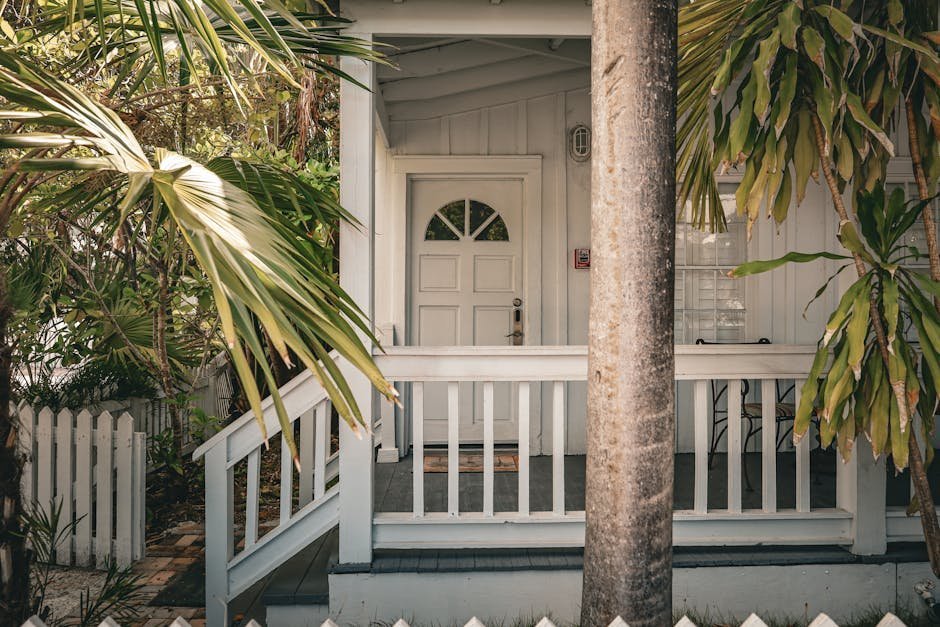
For combat veterans transitioning out of acute mental health or substance use treatment, where you live in the first six months determines almost everything that comes next. A veterans halfway house, also called a transitional housing program, recovery residence, or supportive housing, bridges the gap between inpatient care and independent living. The federal infrastructure that funds these programs is more developed than most veterans realize, but accessing it requires navigating multiple agencies and program names. This guide is about what is actually available and how to use it.
The VA Grant and Per Diem program (GPD)
The VA Grant and Per Diem program is the largest federal funder of transitional housing for homeless veterans. The VA does not operate the housing directly. Instead, GPD funds nonprofit and faith-based organizations that operate transitional housing sites, paying a per-veteran daily rate to cover bed costs and clinical services. There are several GPD models, including bridge housing (short-term, six months or less, for veterans waiting on permanent housing), low-demand (for veterans with active substance use who are not ready for abstinence), service-intensive (longer-stay programs with deep clinical wraparound), and clinical treatment (residential treatment with housing).
For a veterans halfway house stay after acute mental health or SUD treatment, the service-intensive and clinical treatment GPD models are usually the right fit. Length of stay ranges from six to twenty-four months. Cost to the veteran is typically zero or a small fraction of disability benefits, depending on the operator’s policy. The veteran works with the GPD case manager on permanent housing placement, employment, benefits, and continued mental health care during the stay.
HUD-VASH vouchers and how they fit
HUD-VASH (Housing and Urban Development VA Supportive Housing) is the second pillar of the federal veteran housing system. HUD provides Section 8 rental assistance vouchers, and the VA provides ongoing case management. The voucher pays a portion of fair-market rent in private apartments. The veteran chooses the apartment, the landlord must accept the voucher, and the VA case manager continues to provide clinical and recovery support indefinitely.
HUD-VASH is permanent supportive housing, not transitional. It is the destination, not the bridge. A common pathway looks like this: the veteran completes inpatient treatment, moves into a GPD transitional house for six to eighteen months, applies for HUD-VASH during that stay, and transitions to a HUD-VASH apartment when the voucher comes through. For more on how housing intersects with sustained recovery, see our guide to recovery housing for adults.
What distinguishes veteran-specific recovery housing
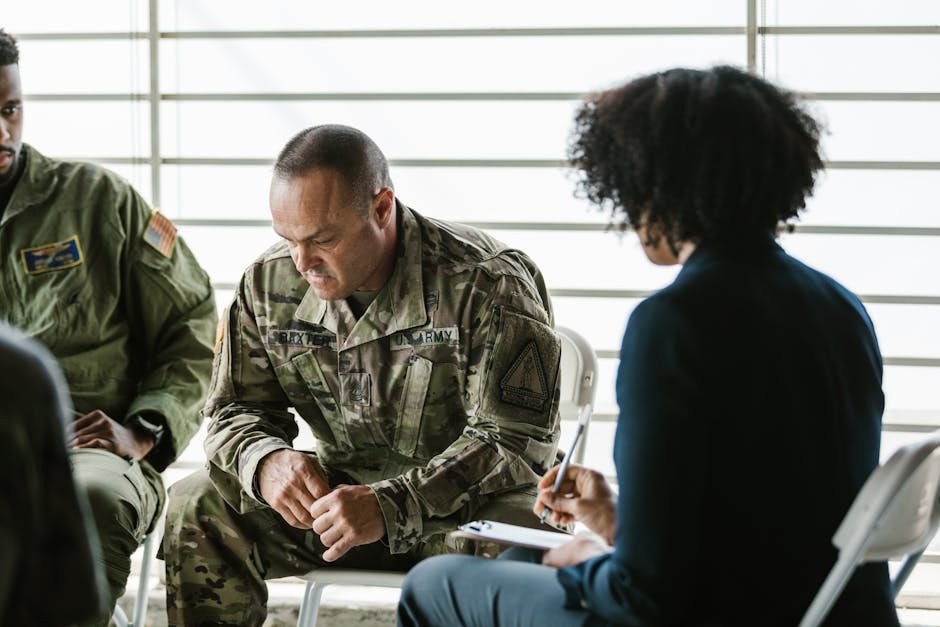
Civilian recovery housing operates on Oxford House models, sober living principles, or state-licensed recovery residence frameworks. Veteran-specific housing layers in elements that matter for the population:
- Staff who are themselves veterans or are trained in military culture
- Integrated PTSD-informed clinical care, often with VA mental health appointments coordinated through the program
- Recognition of moral injury as distinct from PTSD, with chaplaincy or peer support addressing it
- Connection to VA benefits coordinators for service-connected disability claims and appeals
- Peer culture in which most or all residents share combat or service experience
- Programming oriented around employment in veteran-friendly industries and education benefits (Chapter 31 Vocational Rehabilitation, Post-9/11 GI Bill)
The peer dimension matters more than civilians often understand. A veteran who is six months out from a third deployment frequently cannot make sense of his own anger, sleep, or grief in a recovery house full of people whose context is entirely different. Veteran-specific housing is where the conversation can actually happen.
Volunteers of America and other major operators
Volunteers of America is one of the largest GPD grantees in the country, operating transitional housing for veterans in dozens of cities. The Salvation Army, U.S.VETS, Catholic Charities, and a long list of regional nonprofits run similar programs. Each operator has its own admission criteria, length-of-stay norms, and clinical model. Some require sobriety from intake, others use a low-demand or harm-reduction model. Some are open to veterans with any discharge status, others have restrictions tied to GPD funding rules.
The VA’s homeless veterans portal maintains a directory of GPD operators by state. Veterans can also access the National Call Center for Homeless Veterans at 877-4AID-VET, available 24/7 with bilingual support.
Finding a veterans halfway house through the VA homeless coordinator
Every VA medical center has a designated homeless veterans coordinator, sometimes titled Health Care for Homeless Veterans (HCHV) coordinator. This person is the entry point. They handle:
- Initial assessment for housing eligibility
- Referral to GPD-funded transitional housing
- HUD-VASH voucher application
- Connection to compensated work therapy and supported employment
- Coordination with mental health and SUD treatment teams
- Outreach to veterans who are unsheltered, including street outreach in major cities
Veterans currently in inpatient treatment can ask the social worker on the unit to connect them to the homeless coordinator before discharge. The transition is far smoother when housing is arranged during the inpatient stay rather than after release. For veterans not currently in VA care, calling the National Call Center for Homeless Veterans triggers a callback from the local coordinator, often within 24 hours.
Length of stay, rules, and structure
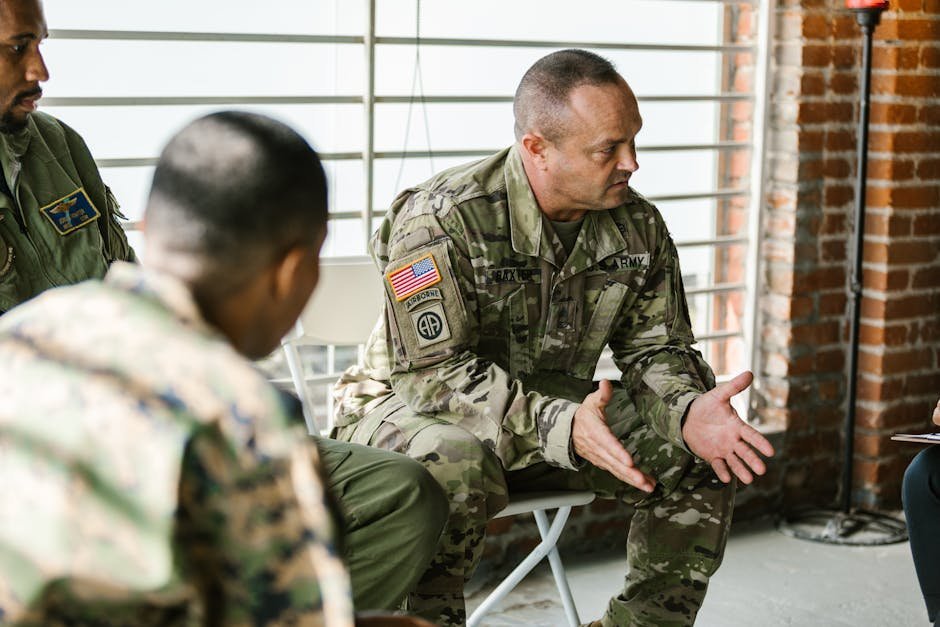
A typical veterans halfway house under the GPD service-intensive model runs twelve to twenty-four months. Daily structure usually includes:
- Curfew, with exceptions for employment and approved appointments
- Random or scheduled drug and alcohol testing
- Required attendance at weekly individual case management sessions
- Required attendance at house meetings and peer recovery groups
- Employment or job-search expectations after a stabilization period
- Coordinated VA medical, mental health, and SUD appointments
- Savings requirements (a portion of income set aside for permanent housing)
- Visitor and overnight guest policies
Rules exist for clinical reasons, but they also exist because GPD funding requires accountability. Veterans who chafe at structure during the first month often describe it later as the scaffolding that allowed everything else to work. For a deeper look at how structured living supports recovery from co-occurring disorders, see our discussion of dual-diagnosis transitional care.
Mental health and SUD integration during transitional housing
The clinical strength of a good veterans halfway house lies in the integration with VA care. While the veteran is housed, ongoing PTSD treatment (Prolonged Exposure, Cognitive Processing Therapy, EMDR), medication management, SUD relapse prevention, and primary care all continue through the local VA medical center or a community-care contract. Many GPD programs have an embedded mental health clinician or weekly visiting psychiatric provider. Peer specialists, often veterans themselves with lived experience of recovery, run groups inside the house.
For veterans whose inpatient care happened outside the VA system (private rehab, community psychiatric hospital), the GPD entry can be the moment that VA care begins. The case manager handles enrollment in VA health care, service-connection claims, and coordination with the inpatient providers to ensure clinical continuity.
Transitioning from acute treatment to community
The handoff from inpatient to housing is the highest-risk window in the entire continuum. Relapse, suicide, and homelessness all spike in the first thirty days after discharge. The federal HUD Continuum of Care framework recognizes this and embeds veteran-specific housing into community-level homelessness response.
Practical guidance for veterans and families navigating this transition:
- Start the housing conversation in week one of inpatient, not week three
- Request a meeting with the homeless veterans coordinator while still admitted
- If GPD beds are not immediately available, ask about contracted Emergency Housing or Safe Haven options as a bridge
- Do not discharge to “couch surfing” with family if there are firearms in the home or active substance use in the household
- Apply for HUD-VASH on day one of GPD entry, not at month twelve
Our overview of veteran mental health resources covers the broader VA mental health system that wraps around the housing continuum.
Frequently asked questions
Do I need an honorable discharge to qualify?
For most VA homeless services, including GPD and HUD-VASH, “veteran” is defined broadly. Other-than-honorable discharges may still qualify, and a Character of Discharge determination process exists. Talk with the homeless coordinator before assuming ineligibility.
What if I have a service-connected mental health rating?
Service-connected ratings can affect compensation, but they do not exclude you from transitional housing. Many veterans in GPD housing have 50% to 100% PTSD ratings.
Can my spouse or children stay with me?
Most GPD sites are individual-occupancy. Family-eligible housing exists but is limited. HUD-VASH vouchers cover families. The case manager can route you to the right option.
What if I relapse during my stay?
Policies vary. Many programs respond clinically rather than punitively, with increased treatment intensity rather than immediate discharge. Programs using a low-demand model are explicitly designed for veterans with ongoing substance use.
How long is the HUD-VASH waitlist?
Wait times vary by city, ranging from a few weeks in some markets to over a year in others. The local Public Housing Authority and VA medical center jointly manage the list.
The bottom line
The federal infrastructure for veterans transitioning out of acute mental health and substance use treatment is real, well-funded, and underused. GPD transitional housing, HUD-VASH vouchers, and veteran-specific recovery residences operated by Volunteers of America and similar nonprofits form a continuum that can carry a combat veteran from a hospital discharge to a permanent apartment with sustained clinical support. The pathway requires asking the right person the right question at the right time. The right person is the VA homeless veterans coordinator. The right time is during the inpatient stay, not after.
If you or a loved one is in crisis, call or text 988 to reach the Suicide and Crisis Lifeline. Veterans can press 1 after dialing 988 or text 838255 to reach the Veterans Crisis Line.
This article is for informational purposes only and does not constitute medical, legal, or benefits advice. Veterans should consult their VA medical center, accredited Veterans Service Organization representatives, and licensed clinicians for guidance specific to their situation.