
Sophia Marquez was sixteen when she came home from her second residential treatment stay in Minneapolis. Her parents had pulled her from the comprehensive high school where she had been using opioids since freshman year. The treatment team’s discharge plan called for her to enroll somewhere with sober peers, integrated counseling, and accountability that did not look like punishment. The placement coordinator at the residential program mentioned a name her parents had never heard before: Recovery High School. There were two of them in the Twin Cities, both members of the Association of Recovery Schools, both serving fewer than seventy students total. Sophia toured one on a Wednesday afternoon. The hallways were quiet. The staff knew every student’s name and recovery stage. There was a recovery counselor on site full-time. She started on Monday. Two years later she graduated, enrolled at a community college, and was working part-time at the same recovery school as a peer mentor for incoming freshmen. Her mother said the school did not save her daughter alone, but it was the place where everything else they had tried finally held.

A recovery high school is a secondary school designed specifically for students in recovery from substance use disorder. The model is small, the network is national, and the outcomes data is meaningfully better than what comparable students achieve returning to traditional comprehensive high schools after treatment. For families weighing where a teenager should go to school after rehab, recovery high schools are one of the most under-known options in American education.
What a recovery high school actually is
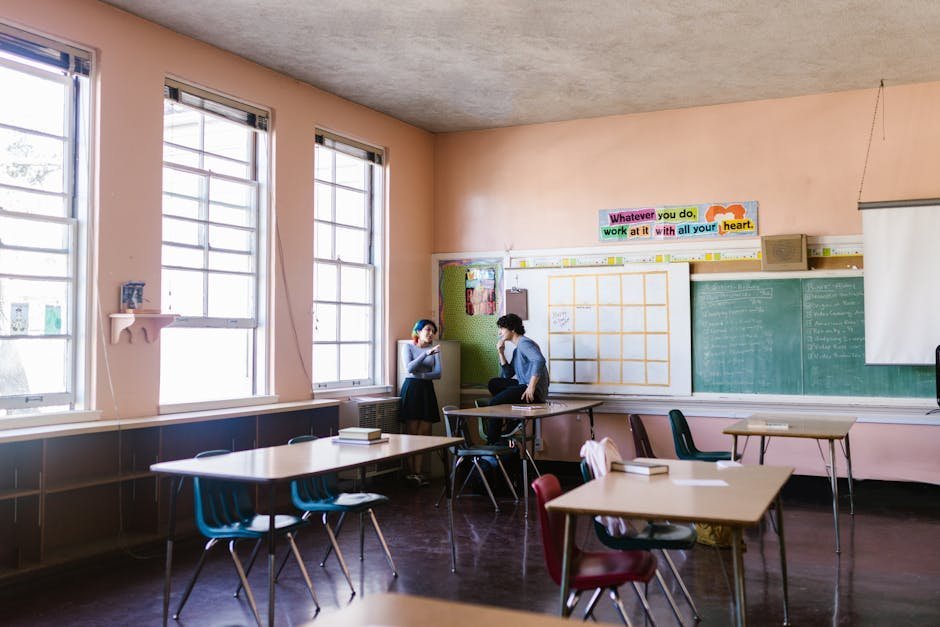
A recovery high school is a state-recognized secondary school that grants high school diplomas, follows state academic standards, and structures the entire school environment around supporting students in recovery from addiction. Enrollment is voluntary. The student must be in recovery, typically with a defined period of sobriety from intake (often 30 days, though some schools admit students still stabilizing). Class sizes are tiny, usually six to twelve students per teacher. Daily schedules build in recovery groups, individual counseling, twelve-step or alternative recovery support meetings, and academic instruction.
The Association of Recovery Schools (ARS) is the national membership and standards body. ARS-affiliated schools meet criteria covering academic credentialing, clinical staffing, recovery culture, and outcome reporting. There are roughly 45 ARS member schools across the United States as of recent counts, concentrated in Texas, Massachusetts, and Minnesota, with smaller footprints in Pennsylvania, Tennessee, Colorado, Houston, and a growing list of states.
The school model: small, accountable, integrated
The clinical and academic models reinforce each other in ways that traditional schools cannot match. Common features:
- Total enrollment usually under 100 students, sometimes under 30
- Student-to-teacher ratios of 6:1 to 12:1
- A licensed substance use counselor on staff full-time
- Daily check-ins, weekly individual counseling, group therapy embedded in the school day
- Random drug testing as part of the agreement at enrollment
- Recovery community curriculum (Step study, SMART Recovery, refuge recovery, or eclectic)
- Sober peer culture as the structural foundation, not an afterthought
- Partnerships with local treatment providers for higher levels of care if needed
- Family involvement built into enrollment and ongoing support
What students often describe is that the school does not treat them as patients or as problems to be managed. They are students who are also in recovery, with academic identities that the model takes seriously. For more on how this fits the broader continuum of adolescent recovery, see our overview of adolescent treatment options.
State-by-state availability
The geography of recovery high schools is uneven. Three states have led the field for different reasons:
- Texas, with substantial state funding and the University of Texas at Austin’s Center on Youth Recovery anchoring research
- Massachusetts, with state-level legislation funding recovery high schools as a category and serving most regions of the state
- Minnesota, with deep treatment-industry roots and the Hazelden Betty Ford foundation’s adolescent programs creating natural school partnerships
States with one or two recovery high schools include California, Colorado, Florida, Georgia, Indiana, Maryland, Nevada, New Jersey, North Carolina, Ohio, Oregon, Pennsylvania, Rhode Island, Tennessee, and Wisconsin. Many states have none. The Association of Recovery Schools directory maintains the current list with contact information.
Enrollment criteria and the voluntary requirement
Most recovery high schools require:
- The student is in recovery from a substance use disorder, with a defined sobriety threshold (often 30 days clean from substances of choice)
- The student is enrolling voluntarily; coercion is treated as a contraindication
- Completion of an intake interview, often including the parent or guardian
- Recent treatment completion or active engagement in outpatient treatment
- Willingness to sign agreements covering drug testing, recovery group participation, and academic expectations
Voluntary enrollment is not a procedural detail. The model depends on it. A teenager forced into a recovery school by a parent or court will undermine the peer culture for everyone else. Most schools will decline a student who is not committed to recovery, redirecting families to traditional placement or higher levels of care first.
Academic outcomes versus traditional high school
Research on recovery high school outcomes, much of it produced by the Center on Youth Recovery and Vanderbilt’s Peabody College, has shown several consistent findings. Students attending recovery high schools after treatment have substantially lower rates of substance use at six and twelve months than matched students returning to comprehensive high schools. Graduation rates and college enrollment rates are competitive with state averages for the demographic, and considerably higher than what equivalent post-treatment students achieve in traditional schools. The most significant predictor of relapse for adolescents leaving residential treatment is returning to the same peer environment where use occurred. Recovery high schools sever that link by design.
Academic rigor varies by school. Some offer Advanced Placement courses, dual enrollment with local community colleges, and college-prep curricula. Others focus on credit recovery for students who fell behind during their addiction, getting them to a diploma rather than to selective college admissions. Both are legitimate, and the right fit depends on the student’s trajectory.
The funding mechanism behind these schools
Recovery high schools are funded through a patchwork of mechanisms. Common structures:
- Public charter schools, funded by per-pupil state allocations like other charters
- District-affiliated programs, where the local school district operates the recovery school as a specialty placement
- Private schools, funded by tuition with some scholarships or sliding-scale aid
- Hybrid models, where a private nonprofit operates the school and contracts with the local district for tuition reimbursement
- State legislative appropriations specifically for recovery schools (Massachusetts model)
For families, the cost depends entirely on which model the school uses. A charter or district-affiliated school is free to families. A private school may run $10,000 to $25,000 in annual tuition, with substantial financial aid available at most. The federal SAMHSA youth substance use resources sometimes catalog state-level funding mechanisms by region.
Hazelden-affiliated programs and the treatment-school pipeline
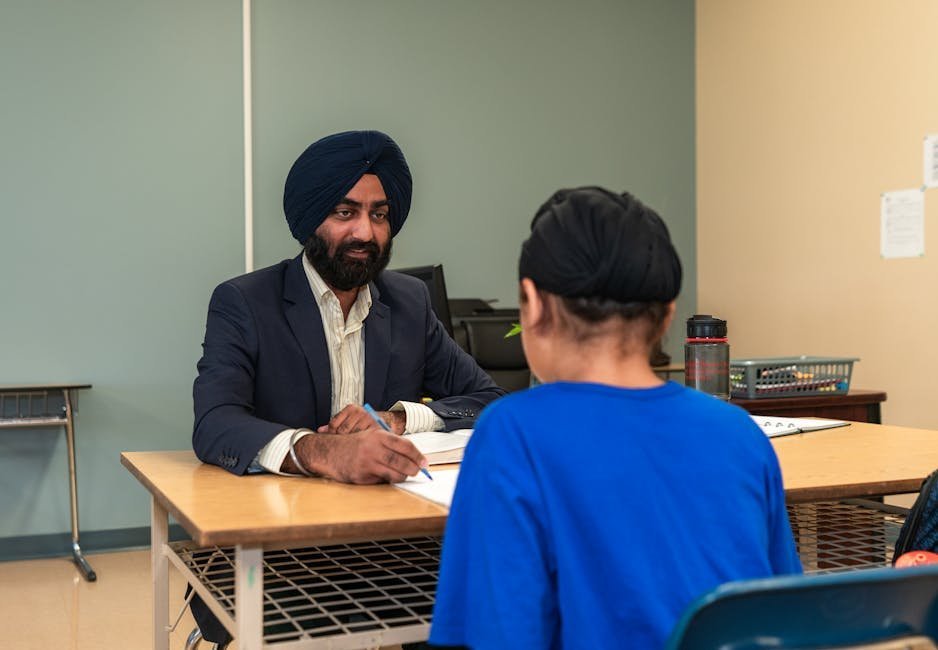
The Hazelden Betty Ford Foundation has long operated adolescent treatment programs and has historic partnerships with recovery high schools, particularly in Minnesota. The model treats the school as the natural step-down from residential or intensive outpatient care, with the same clinical philosophy continuing in the educational setting. Other treatment networks have built similar pipelines, where adolescent residential graduates are referred to ARS schools as part of discharge planning.
For families whose teenager is currently in residential treatment, ask the discharge planner specifically about recovery high school options in your home region. The conversation is most productive while the student is still in care, when admission decisions can align with the treatment plan. Our guide to step-down planning after residential covers how to construct a continuum.
Alternatives where recovery high schools are unavailable
Roughly half of U.S. states have zero ARS member schools, and many regions have no school within commuting distance. Families in those areas can consider:
- Online recovery high school programs (a small but growing field)
- Continuing care intensive outpatient (IOP) layered over a traditional school
- School transfer to a different comprehensive high school where the student has no using peer group
- Therapeutic boarding school placement for students whose home environment cannot support recovery
- Homeschool combined with recovery community participation through Alateen, AA, NA, SMART Recovery teen meetings, or similar
- State Recovery Community Organizations that may operate after-school recovery programs
Each alternative has tradeoffs. None replicate the daily peer accountability of an in-person recovery school, but each can carry a student through the post-treatment year while families advocate for or build a recovery school in their region.
Frequently asked questions
What ages do recovery high schools serve?
Most serve grades 9-12, ages 14-18, occasionally enrolling students up to age 21 to complete a diploma.
What happens if a student relapses while enrolled?
Schools typically respond clinically rather than expulsion. A relapse triggers reassessment, possible step-up to higher levels of care, and a return-to-school plan. Repeated or unwillingness to engage in recovery work may lead to discharge.
Will the diploma transfer to college admissions?
Diplomas from accredited recovery high schools are recognized by colleges. Some students explicitly note their recovery school experience in college applications; others do not. Both approaches are common.
How are recovery high schools different from alternative or continuation schools?
Alternative schools serve students who have struggled in traditional settings for varied reasons. Recovery high schools serve only students in recovery from addiction. The clinical model and peer culture are the differences.
Can a student attend a recovery high school without going to residential treatment first?
Yes, if the student meets the sobriety and engagement criteria. Some students enter recovery high schools after intensive outpatient or after a self-directed recovery start.
The bottom line
Recovery high schools solve a problem that traditional education cannot. The teenager who has just completed treatment and returns to the same hallways, the same lunch tables, the same people who handed her the first pill is fighting against a structure that was not built for her. A recovery school inverts that structure. It builds the day around recovery rather than asking recovery to survive the day. For the students who fit the model, who choose it, and who can reach one geographically, the outcomes are real. For the rest, the alternatives matter, and the work of building more recovery schools state by state continues.
If you or a loved one is in crisis, call or text 988 to reach the Suicide and Crisis Lifeline.
This article is for informational purposes only and does not constitute medical, educational, or treatment advice. Decisions about adolescent placement after substance use treatment should be made in consultation with the treatment team, licensed clinicians, and educational professionals familiar with your local options.