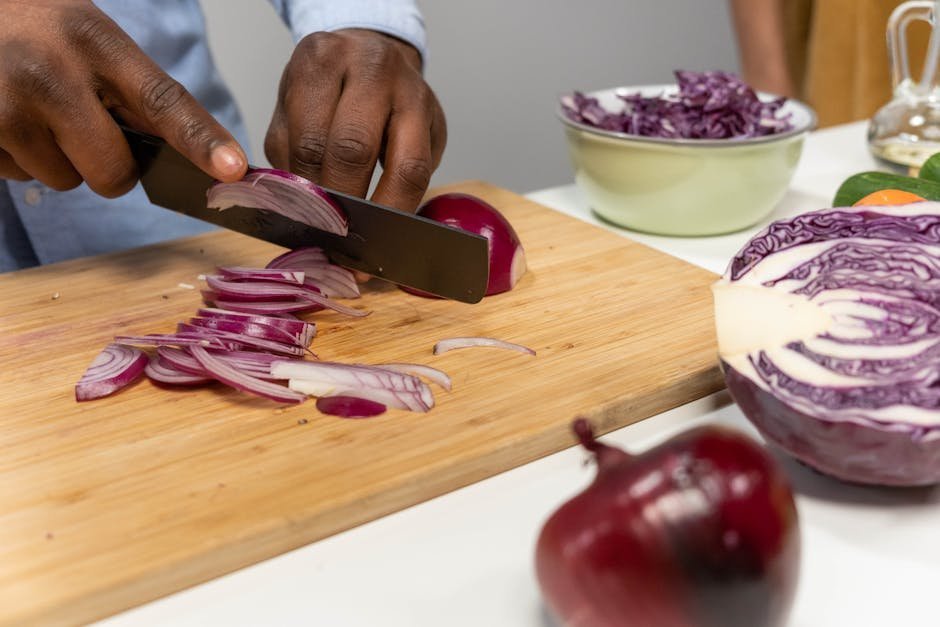
Priya, a 34-year-old hospital social worker in Providence, had not cooked a real meal in eight months. After her mother’s death, the kitchen turned into a place of frozen pizzas and apology. Her therapist, who specialized in grief and depression, suggested something specific. Not a meal plan. Not a diet overhaul. One pot of dal, on Sunday, no audience, no photos, no obligation to eat it. Priya bought lentils and ginger and a yellow onion she did not really want. She chopped slowly. She burned the cumin twice. The kitchen smelled like her mother for the first time since the funeral, and she sat on the floor and cried and ate the dal directly out of the pot with a spoon. The next Sunday she made it again. By the third Sunday she had invited her sister over. The therapist had not written a prescription. She had recommended an action small enough that depression could not block it and meaningful enough that something inside Priya could move. This is the unglamorous machinery of behavioral activation, with a chef’s knife in it.
If you have ever wondered whether cooking therapy mental health claims hold up when you actually look at the research, the picture is genuinely encouraging in a measured way. Cooking sits at the intersection of behavioral activation, sensory regulation, mastery experiences, social connection, and nutrition, all of which have independent evidence in mood disorders. The combined effect, when it works, is often larger than any single ingredient. This guide walks through the clinical evidence, the hospital programs leading the field, the privilege gaps the research has not solved, and the practical ways to use cooking as a piece of a real depression plan.
Behavioral activation and why cooking therapy mental health protocols make sense
Behavioral activation is one of the most evidence-based depression treatments in the world. The premise is unfashionable in a culture obsessed with insight. Mood follows action more reliably than action follows mood. Depressed clients who wait to feel like doing things mostly do not start, and depressed clients who do small, structured, value-aligned activities mostly feel somewhat better, in that order. Cooking checks every box on a behavioral activation worksheet. It is concrete, sensory, time-limited, and produces an outcome you can see, smell, and eat.
Randomized trials of behavioral activation as a stand-alone treatment, including the Hopko and Lejuez protocols, have shown it to be roughly as effective as cognitive behavioral therapy for many adults with depression, at lower cost and with simpler training. Cooking-specific applications layer in mastery, an antidepressant ingredient documented in studies of skill acquisition, plus the reward of food at the end. The whole package is harder for depression to dismantle than a single thought-record exercise.
The Eatwell program at Massachusetts General Hospital
The Eatwell program at Massachusetts General Hospital, run through its Department of Psychiatry and the Benson-Henry Institute for Mind Body Medicine, integrates nutrition counseling, cooking instruction, and group support for patients with mood disorders, eating disorders, and chronic disease. Participants meet weekly for several months, learn basic technique, share meals, and track changes in mood and energy alongside changes in lab markers. Outcomes published from similar academic programs include reductions in depression scores, improvements in self-efficacy, and durable changes in food behavior measured a year later.
Programs like Eatwell are not widespread, but they are growing. Many academic medical centers now offer some version, often grant-funded and accessible to patients on Medicaid as well as commercial insurance. Asking your psychiatrist or primary care clinician whether a culinary medicine program exists locally is worth a single email.
Tulane’s Goldring Center and culinary medicine education
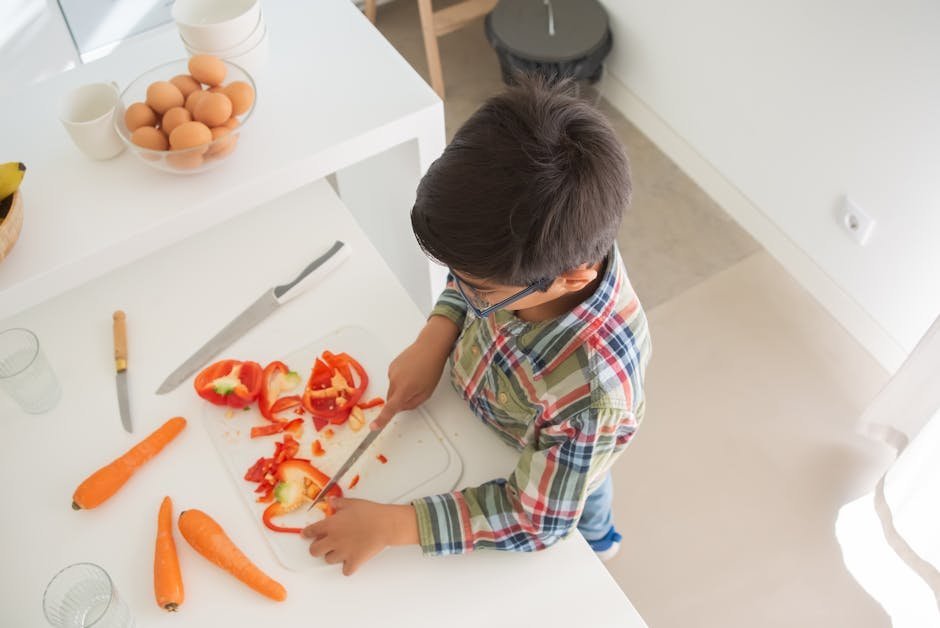
The Goldring Center for Culinary Medicine at Tulane University was the first dedicated teaching kitchen at a U.S. medical school. Medical students take elective courses there, and the Center runs community cooking classes for the public. The Health Meets Food curriculum developed at Goldring has now been licensed to dozens of medical schools, residency programs, and community sites. The model is straightforward. Future clinicians cook the food they will recommend, and patients cook in the same teaching kitchens for class fees that are often subsidized.
For patients, the practical benefit is access to nutrition education that includes the actual cooking, not just a printed handout about Mediterranean ratios. The link between dietary patterns and depression risk is strongest in the Mediterranean and MIND-style diet literatures, which we cover in detail in our piece on the Mediterranean diet for mental health. The cooking is what turns a recommendation into a meal.
Community cooking classes as anti-depression intervention
Community-based cooking programs without a hospital affiliation also produce mental health gains. Studies of refugee resettlement cooking circles, immigrant women’s kitchens, and senior center culinary groups consistently show reductions in self-reported loneliness and depression scores. The mechanism is the same as choir or sports league research. Regular gathering plus shared task plus tangible product equals durable social glue.
Free or low-cost options are widely available if you know where to look. Public libraries and parks departments increasingly host community cooking classes. Cooperative Extension offices, run by land-grant universities and partially funded by the USDA, offer evidence-based nutrition and cooking education in nearly every U.S. county, often free. Faith-based food ministries and food bank teaching kitchens run drop-in classes in many cities. The fees, when they exist, tend to be sliding scale.
Depression-friendly cooking, finger food, and one-pot meals
Standing at the stove for an hour is not realistic when you cannot get out of bed. Clinically, the answer is to scale the task to match the energy. Sheet pan dinners, slow cooker meals, microwave-baked sweet potatoes, and high-protein finger foods like hard-boiled eggs and apple slices with peanut butter are all valid cooking. The goal is nutrition, agency, and a small completed task, not a magazine-grade plate.
- Pre-cut vegetables and bagged salads from the grocery store remove the chopping barrier on the worst days
- One-pot meals like soups, stews, and rice bowls reduce decision fatigue and dish load
- Finger foods that need no plate or utensils still count as cooking when you assemble them
- Frozen vegetables retain most of the nutrition and lower the spoilage stakes that often paralyze depressed cooks
- A weekly grocery list of five repeated items beats a complicated meal plan that gets abandoned by Wednesday
Blood sugar, mood, and the MIND diet’s preparation
Blood sugar swings affect mood in ways most people underestimate. Skipped meals, white-flour breakfasts, and large gaps between eating produce reactive lows that mimic anxiety, irritability, and brain fog. People in recovery from depression often discover that eating consistently every three to four hours steadies their day in ways they were attributing to other interventions. The MIND diet, an evidence-based hybrid of Mediterranean and DASH approaches that emphasizes leafy greens, berries, nuts, beans, whole grains, fish, and olive oil, is a useful framework for steady-blood-sugar cooking.
Pairing complex carbohydrates with protein and fat at each meal blunts the glucose curve. A bowl of oatmeal with peanut butter and berries, a tuna sandwich on whole-grain bread, a chicken thigh with brown rice and broccoli are all unromantic, durable depression meals. The goal is steadiness, not perfection. Exercise paired with nutrition compounds the effect, as we discuss in our article on exercise and depression.
Privilege, food access, and what culinary medicine cannot solve
It is worth saying clearly. Cooking-as-therapy assumes a kitchen, time, equipment, transportation to a grocery store, money for ingredients, and freedom from the executive function deficits that severe depression creates. None of those are evenly distributed. Food deserts, single-room occupancy housing without a stove, working multiple jobs, caregiving for a sick parent, and the cumulative tax of poverty all blunt the intervention. Caregivers in particular often cannot prioritize their own meals, a problem we explore in our piece on caregiver burnout.
Programs that work in low-resource contexts pair cooking instruction with food provision. Project Open Hand, Community Servings, and similar medically tailored meals organizations deliver chef-prepared meals to people with serious illness while running cooking classes for those who can attend. SNAP-Ed programs run cooking classes in food bank kitchens. The honest version of culinary therapy starts by removing the barriers between a person and a hot meal, then invites them to participate at whatever level the day allows.
Research limitations to keep in mind
The cooking-as-therapy literature has the limitations common to lifestyle medicine. Studies are often small, short, and unblinded. Self-selected participants are usually healthier and more motivated than the general clinical population. The active ingredient is hard to isolate when an intervention bundles cooking, eating, group time, and nutrition information. None of this means the field is fake. It means the appropriate posture is one of measured optimism, not evangelism, and that cooking belongs alongside therapy and medication, not in place of them, when depression is moderate or severe.
Finding a culinary therapy program
Start with your clinician. Ask whether your hospital system runs a teaching kitchen or culinary medicine program, whether your behavioral health provider has worked with one, and whether your insurance covers nutrition counseling. Cooperative Extension offices, available through the USDA’s Cooperative Extension System, run nearly universal community cooking and nutrition programs at no cost. Local YMCAs, community centers, and religious institutions often have culinary classes that double as community-building. Online options like Rouxbe and America’s Test Kitchen courses help with skills, but they lack the social ingredient that drives much of the mental health benefit.
Frequently asked questions
Will cooking really help my depression?
For mild to moderate depression, regular cooking activates several evidence-based mechanisms at once, including behavioral activation, mastery, sensory engagement, and improved nutrition. It is not a stand-alone cure for severe depression, but it complements therapy and medication well and can reduce relapse risk over time.
What if I cannot afford fresh ingredients?
Frozen vegetables retain most of their nutritional value and are usually cheaper than fresh. Dry beans and lentils are among the cheapest protein sources available. SNAP benefits, food banks, and community fridges expand access in many areas. SNAP-Ed cooking programs are designed for low-budget cooking. Eating well on a tight budget is harder, not impossible.
I cannot cook anything. Where do I start?
Pick one meal you already like, find a five-ingredient recipe for it online, and make it twice in two weeks. Skill comes from repetition, not range. Consider a single class through your local Cooperative Extension office or library. Asking a friend or family member to cook with you once is a shortcut that many people undervalue.
Is meal kit delivery cheating?
No. Meal kits remove decision fatigue and shopping barriers, both of which are real obstacles in depression. They are more expensive per meal than store cooking, but for someone returning to the kitchen after a long absence they can be a useful bridge for a few months.
What if cooking triggers eating disorder thoughts?
If you have a history of an eating disorder, work with a therapist or registered dietitian who specializes in eating disorders before adopting culinary therapy as a strategy. The wrong framing can reinforce restriction or rituals. Programs like Eatwell are deliberately designed to be eating-disorder safe, and a clinician can help you find similar resources.
The bottom line
Cooking is one of the most underrated mental health practices available, partly because it is so ordinary. The research is less flashy than meditation studies and less promoted than supplement campaigns, but the mechanisms are well documented, the access is broader than most clinical interventions, and the side effect is that you eat. Use the smallest version that works on a hard day, scale up when you can, and lean on culinary medicine programs and Cooperative Extension classes when you need a structure. Pair it with therapy or medication when depression is more than mild, and treat the privilege gaps as system problems rather than personal failures.
If you are in crisis, please call or text the 988 Suicide and Crisis Lifeline, available 24 hours a day across the United States. You can also explore nutrition guidance from the Centers for Disease Control and Prevention at cdc.gov and research summaries from the National Institutes of Health at nih.gov.
This article is for educational purposes only and is not medical or nutritional advice. If you have a history of an eating disorder, diabetes, kidney disease, food allergies, or other conditions affected by diet, work with a licensed clinician or registered dietitian before changing how you eat.