Tomas was a graphic design student in Austin who took LSD at a desert festival the summer before his junior year, had what his friends called a beautiful trip, slept it off in a campervan, and went home expecting to never think about it again. Three weeks later he was sitting in a fluorescent-lit lecture hall when the air around the projector screen began to shimmer with halos. Static snow drifted across the back wall. After-images of the professor’s hand traced for several seconds with each gesture. The lecturer’s voice sounded fine. Tomas’s heart rate climbed and he excused himself, certain he was either still tripping or losing his mind. Over the following months the visual disturbances did not vanish. They softened, then flared during stress, then softened again. A neuro-ophthalmologist found nothing structural. A psychiatrist who had seen festival patients before recognised the pattern within two visits and gave it a name Tomas had never heard: hallucinogen persisting perception disorder, or HPPD. Three years later Tomas still sees occasional snow on dark walls, manages it with low-dose lamotrigine, and has finished his degree.
HPPD treatment is one of the strangest niches in modern psychiatry because the disorder itself sits at the seam between neurology, psychiatry, and the cultural after-life of psychedelic use. The Diagnostic and Statistical Manual lists HPPD as a real condition with specific criteria. The literature is thin but growing. Treatments are mostly off-label and supported by case series rather than large trials. Patients typically arrive scared, embarrassed about disclosing past drug use, and convinced something is permanently broken in their brains. This guide explains what HPPD is, what it is not, what the visual phenomena actually look like, when the emergency department is the right place, and what evidence-based treatment looks like in 2026.
What HPPD Actually Is Under DSM-5 Criteria
The DSM-5 criteria for HPPD require, first, the re-experiencing of one or more perceptual symptoms that occurred during prior hallucinogen use, in a person who is no longer intoxicated. Second, the symptoms must cause clinically significant distress or impairment. Third, the disturbances must not be better explained by another medical condition such as anatomic lesions, infections, or seizure disorders, and must not be better attributed to another mental disorder such as schizophrenia or delirium. The diagnosis can be made years after the last hallucinogen exposure.
HPPD Versus “Flashbacks”: A Specific Distinction
The cultural concept of a “flashback” suggests a brief, intense re-living of a past trip. HPPD is different. The visual disturbances in HPPD are usually constant or near-constant rather than episodic, are typically lower in intensity than during active intoxication, and do not include the emotional and cognitive content of the original experience. The patient knows the visuals are not real, which separates HPPD from psychosis. Researchers now recognise two subtypes: type I, episodic and brief, often called “true flashbacks,” and type II, chronic and persistent, which is the form most patients describe to a psychiatrist.
The Visual Phenomena Patients Describe

The vocabulary patients reach for tends to be the same across the literature. Visual snow, the constant presence of small flickering dots like television static, is among the most common. Palinopsia, persistent after-images of moving objects, often called “trailing.” Halos around lights. Geometric patterns visible against blank surfaces. Heightened or distorted colour perception. Floaters that move with eye movement. Macropsia and micropsia, where objects appear larger or smaller than they are. Brief visual hallucinations of patterns that are clearly not present in the room.
- Visual snow, like static on an old television set
- Palinopsia, where moving objects leave brief trailing images
- Halos around point light sources at night
- Geometric patterns visible on blank walls or in peripheral vision
- Macropsia or micropsia, with objects appearing the wrong size
- Heightened colour saturation or unusual colour perception
Which Substances Are Most Often Implicated
LSD is the substance with the largest case literature, partly because it has been studied longest and partly because its long duration of action and high serotonin 2A receptor affinity may particularly drive HPPD. MDMA is the second most commonly implicated, especially in patients with heavy festival use over multiple seasons. Psilocybin appears in case reports but at apparently lower rates. Synthetic NBOMe compounds, sold dishonestly as LSD blotter, have produced HPPD in young patients and may be over-represented because of their unpredictable potency. Cannabis alone is unlikely to cause HPPD, although it frequently aggravates pre-existing HPPD. The federal drug abuse research agency maintains an accessible primer at NIDA on hallucinogens.
Comorbid Anxiety, Depression, and the Festival Subculture
HPPD rarely arrives alone. The most common comorbid conditions are panic disorder, generalised anxiety, and depersonalisation-derealisation disorder. The reason is partly biological and partly experiential. The visual disturbances themselves drive a feedback loop in which the patient panics over the symptoms, the panic worsens the perceptual sensitivity, and the loop tightens. The cultural context matters as well. Festival and rave subcultures normalise heavy psychedelic use over consecutive nights with poor sleep, dehydration, and stimulant co-use, all of which appear to elevate the risk of persistent symptoms. Patients embedded in those scenes often feel they cannot disclose to their friends and arrive in clinic isolated.
Evidence-Based Treatment Options
No medication carries an FDA indication for HPPD. The treatment literature is built from case series and small open-label studies. Three agents have repeatedly shown promise. Lamotrigine, an anticonvulsant, has the strongest case series support and is often the first medication trial. Clonidine, an alpha-2 agonist, has helped some patients especially with anxiety-laden symptoms. Naltrexone, the opioid antagonist, produced unexpected improvement in a small case series. Benzodiazepines reduce both the perceptual disturbance and the anxiety that amplifies it but are reserved for short-term or low-dose use because of dependence risk. SSRIs are mixed; some patients improve and others report worsened visuals. Antipsychotics generally do not help and sometimes worsen HPPD.
- Lamotrigine, with the most case-series evidence and the most common first trial
- Clonidine, useful when anxiety drives much of the disability
- Naltrexone, with a small but interesting case literature
- Benzodiazepines, short-term, for severe symptoms or panic episodes
- Cognitive behavioural therapy targeting the symptom-anxiety feedback loop
- Strict abstinence from all hallucinogens and reduction of cannabis and stimulants
When the Emergency Department Is the Right Place
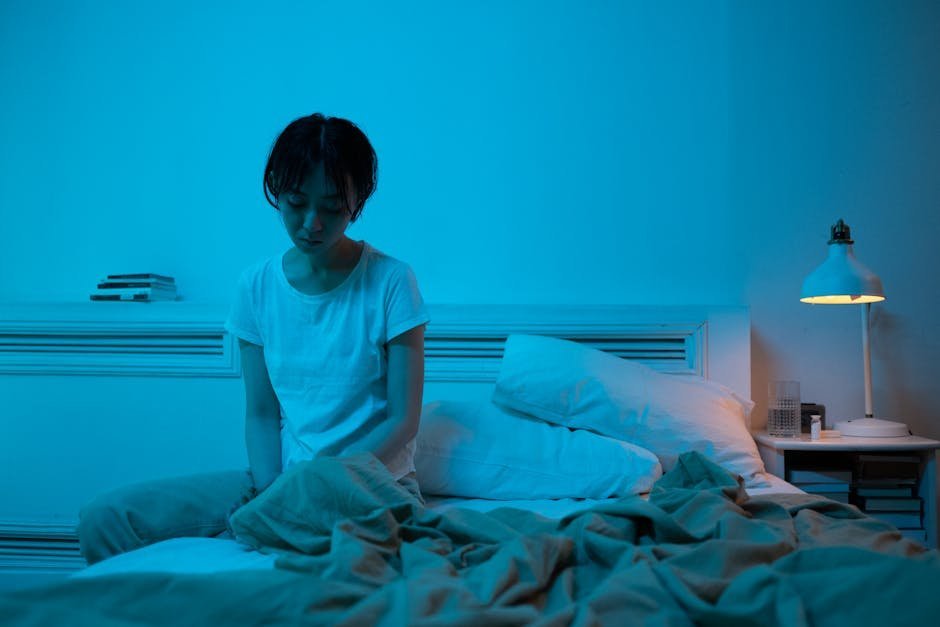
HPPD itself is rarely a medical emergency. The visual symptoms are stable and do not threaten life. Where the ER becomes the right place is during an acute “bad trip” panic state, particularly when the patient cannot tell whether they are still intoxicated or experiencing a recurrence, or when accompanying suicidal ideation, severe psychosis, or unmanageable agitation surfaces. The standard ER intervention for an acute psychedelic crisis is a quiet room, a benzodiazepine such as lorazepam, reassurance from a trusted person, and observation until the acute panic resolves. Patients with prolonged or severe psychotic content should be evaluated for primary psychotic illness; our companion piece on first-episode psychosis evaluation covers that pathway, and the related question of cannabis triggers is addressed in our piece on cannabis-induced psychosis.
Finding an HPPD-Aware Psychiatrist
Most general psychiatrists encounter HPPD rarely and may misdiagnose it as somatic symptom disorder, depersonalisation, or early psychosis. Patients are best served by a clinician with addiction psychiatry training, a research interest in psychedelics, or specific case experience. Academic medical centres in metropolitan areas often have one or two psychiatrists who have seen enough cases to recognise the pattern quickly. Patient communities online maintain informal lists of HPPD-aware clinicians, although those lists vary in reliability. Asking a prospective psychiatrist directly whether they have treated HPPD before is reasonable. Patients exploring the wider conversation around psychedelic use and harm reduction may find context in our piece on microdosing and mental health. The U.S. National Institutes of Health maintain a research portal that aggregates emerging hallucinogen-related studies at NIH news and research.
Frequently Asked Questions
Will HPPD ever go away?
Many patients see substantial reduction or full resolution within months to a few years, especially with abstinence and treatment. A subset has chronic but manageable symptoms. Outcomes appear better when the patient stops all psychedelics, reduces cannabis and stimulant use, and engages with both medication and therapy.
Did I cause permanent brain damage?
Imaging studies of HPPD patients have not shown structural damage. The current best hypothesis is that hallucinogens disinhibit cortical visual processing in a way that persists in vulnerable individuals. The condition is best understood as a functional alteration rather than structural damage.
Can cannabis trigger HPPD if I never used psychedelics?
The DSM definition of HPPD requires prior hallucinogen exposure, so by strict criteria, no. Some patients without psychedelic history do report visual snow and similar phenomena, which are categorised under visual snow syndrome rather than HPPD. The clinical management overlaps substantially.
Should I disclose past drug use to a psychiatrist?
Yes. Without that disclosure the diagnosis cannot be made and you risk misdiagnosis. Psychiatric records are protected by federal medical privacy law, and the disclosure does not appear on standard background checks.
Is HPPD treated the same as anxiety?
The anxiety component overlaps with general anxiety treatment, but the perceptual component is treated differently and not with most standard anxiolytics. Lamotrigine, clonidine, and naltrexone are not first-line for plain anxiety but show particular promise for HPPD. Treatment plans usually combine both arms.
The Bottom Line
HPPD treatment is real, it is increasingly well understood, and it is overwhelmingly outpatient. The visual phenomena that frighten patients into the emergency department are rarely the medical issue. The actual medical issue is the panic, anxiety, and depersonalisation that ride along with the perceptual disturbance, plus the underlying need to stop further hallucinogen exposure. With abstinence, evidence-based off-label medication, cognitive behavioural therapy, and a clinician who knows the diagnosis, most patients function well within a year. Tomas, who finished his degree, is closer to the rule than to the exception.
If you or someone you love is in immediate danger, dial or text 988 in the United States to reach the Suicide and Crisis Lifeline. The line is free, confidential, and available around the clock.
This article is for general educational purposes and does not replace evaluation by a licensed clinician. Decisions about diagnosis, medication, and treatment belong with your treating team and depend on the particulars of your situation.