Daniel, a 29-year-old marketing manager in Austin, Texas, did not think he had a drinking problem. He drank what his friends drank: two beers after work most weekdays, four or five on weekends, occasional tequila when the mood was right. He functioned. He hit his quarterly numbers. He had no DUIs, no blackouts he could remember, no doctor warning him about his liver. What he did have was a slow, low-grade fog that had been building for two years. He woke up tired even after eight hours of sleep. His Whoop strap kept showing his heart rate variability dropping. His morning anxiety had become a permanent companion. In January 2025, on a whim, he tried Dry January. By the third week, he noticed something he could not explain: his sleep had transformed, his anxiety had quieted, and his focus at work felt sharper than it had since college. By February, he was not eager to return to drinking. He was eager to find out who he was without it. That curiosity, more than any rock-bottom moment, is what brought him into the sober curious movement, and why the movement has reshaped how an entire generation thinks about alcohol.
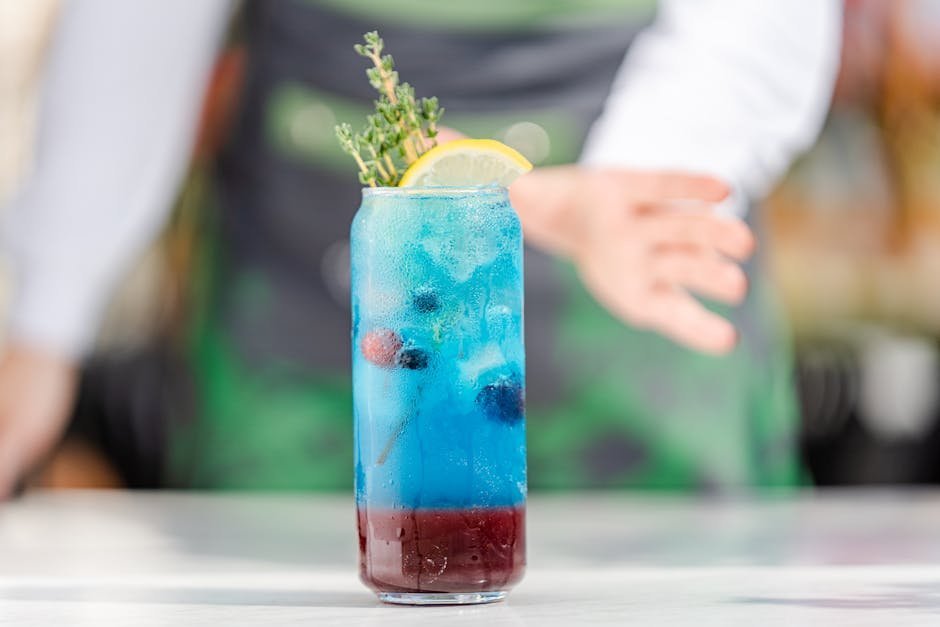
The sober curious movement is what writer Ruby Warrington named in her 2018 book of the same title. Warrington, a British wellness journalist, used the phrase to describe a way of relating to alcohol that did not require a diagnosis, did not require permanent abstinence, and did not require AA. It was simply curiosity: what would my life look like if I drank less, or differently, or not at all? That curiosity has since become a generational shift. Gallup polling has shown alcohol consumption among Americans aged 18 to 34 falling consistently across the past decade. The N/A beverage market has grown into a multi-billion-dollar category. Bars now stock non-alcoholic spirits next to gin. This article walks through what the sober curious approach actually involves, the data on what your brain and body do when you drink less, and the line between curiosity and a problem that needs clinical attention.
What sober curious is, and what it is not
Sober curious is voluntary. It does not require you to identify as an alcoholic. It does not require lifetime abstinence. It does not require working steps, finding a higher power, or attending meetings. It is a stance toward alcohol rather than a recovery program.
This distinction matters because alcohol use disorder, or AUD, is a clinical diagnosis with specific criteria in the DSM-5: cravings, loss of control, continued use despite consequences, tolerance, withdrawal. People with AUD often need structured treatment, sometimes including medical detox, medication, and intensive outpatient programming. Sober curious people, by definition, do not meet AUD criteria. They drink because the culture pours alcohol into every social moment and because alcohol does, in fact, produce short-term effects people enjoy. They get curious because at some point they wonder whether the trade-off is worth it.
The line between sober curious and AUD is not always clean. Some people start sober curious and discover, when they try to cut back, that they cannot. That is itself diagnostic information, and it matters. Treating AUD with willpower alone often fails. If your attempt at moderation reveals that moderation is not available to you, that is when clinical assessment becomes useful. Our piece on mental health wearables includes data on how devices like Whoop, Oura, and Apple Watch make these patterns visible in ways traditional self-report cannot.
Dry January and the research behind it
Dry January, the British charity Alcohol Change UK’s 31-day no-alcohol challenge, has become one of the largest natural experiments in public health. Researchers at the University of Sussex have followed Dry January participants and found striking results: six months after the month ended, participants reported drinking fewer days per week, fewer drinks per occasion, and lower binge frequency, even when they had returned to drinking. The mechanism appears to be habit interruption. A month of not drinking breaks the automatic pour at 6 p.m., the automatic third glass at dinner, the automatic Saturday afternoon. Once broken, the habit does not fully reassemble.
Other findings include sleep improvement that begins within the first week and stabilizes by week three, weight loss averaging 2 to 4 pounds for those who substitute lower-calorie drinks, blood pressure reductions in the 5 to 10 mmHg range for moderate drinkers, and self-reported improvements in mood, energy, and concentration. None of this is medical advice for any individual; it is a description of what the population-level data show.
The brain on less alcohol
Alcohol is a sedative. It increases GABA activity, suppresses glutamate, and produces the brief feeling of social ease that explains its global popularity. The price is paid hours later. Once alcohol clears the system, the brain rebounds. GABA drops below baseline; glutamate spikes. This is the mechanism behind the 3 a.m. wake-up, the racing morning thoughts, and the next-day anxiety that drinkers often blame on caffeine, work stress, or simply being tired.
When someone reduces alcohol consistently, the rebound stops. The brain re-stabilizes its neurotransmitter rhythms. REM sleep, which alcohol suppresses even at moderate doses, returns to normal architecture. People often describe this as the most surprising effect of cutting back. They did not realize how much of their baseline anxiety was actually a chronic alcohol rebound.
For people with co-occurring depression or anxiety, the effects can be larger still. Alcohol worsens both conditions despite the short-term relief it provides. Many psychiatrists will not consider an antidepressant fully tested until a patient has been alcohol-free or low-alcohol for several weeks, because alcohol blunts the medication’s effect and confounds the clinical picture. If you carry both an anxiety or mood diagnosis and a drinking pattern you want to change, our overview of dual diagnosis treatment explains how these conditions are addressed together.
Apps and tools for tracking
Several apps have built large user bases serving the sober curious. They differ in approach, and choosing the right one depends on what you want.
- Reframe takes a neuroscience-based approach with daily lessons drawn from cognitive behavioral therapy and habit research. It is designed for cutting back, not necessarily for full abstinence.
- Sunnyside emphasizes mindful drinking and goal-setting, with text-based coaching and weekly planning. It is widely used by people who want to keep drinking but at lower volumes.
- I Am Sober is more aligned with traditional sobriety, with day counters, daily pledges, and community check-ins, but it works equally well for someone simply tracking alcohol-free days.
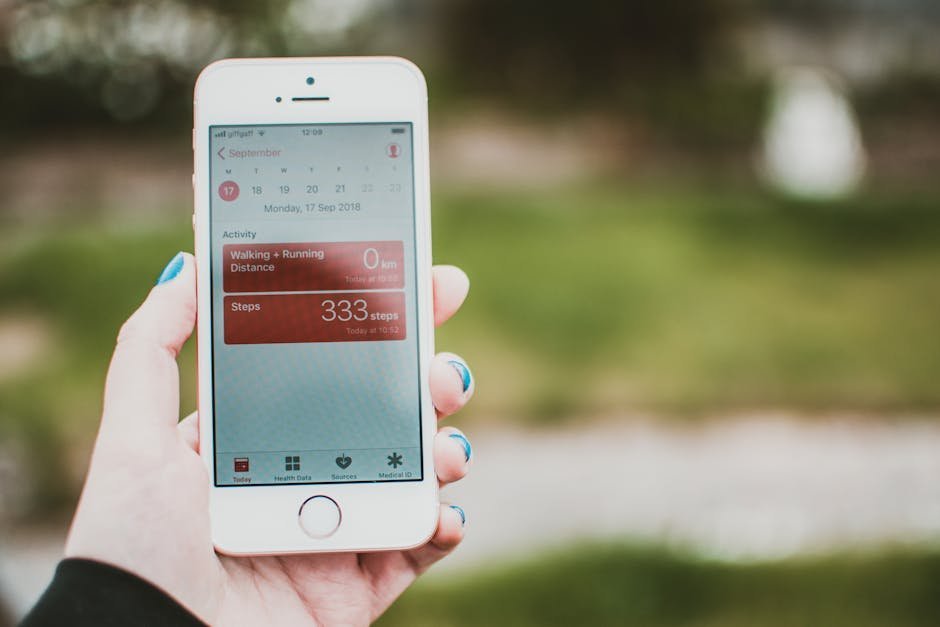
- Wearables such as Whoop, Oura, and Apple Watch do not replace these apps but make the body’s response to drinking visible. Many users report that watching HRV crash after two glasses of wine changes the calculation faster than any abstract argument.
None of these tools is a substitute for clinical care if you have AUD. They are also not necessary. Many people reduce successfully with nothing more than a calendar and a marker.
Mocktails and the N/A beverage market
One reason sober curious has stuck is that the alternatives have caught up. Ten years ago, the bar choice was beer, wine, cocktail, or soda. Today, restaurants in any city serve crafted non-alcoholic cocktails. Athletic Brewing, the largest N/A beer brand in the United States, did not exist a decade ago and now distributes nationwide. Spirits like Seedlip, Ritual, and Lyre’s allow gin, tequila, and whiskey replacements that mix the way alcohol does without the alcohol. For Daniel, the Austin marketer, having an N/A IPA in his hand at a happy hour solved most of the social problem before he even got to the conversation.
The cultural normalization is real. A 2024 Nielsen survey found that more than 40 percent of American adults had purchased a non-alcoholic alternative in the past year. Bartenders increasingly pride themselves on a strong N/A menu. The awkwardness that used to attach to ordering club soda is fading.
Peer support beyond AA
Alcoholics Anonymous remains the most accessible peer support framework in the country, with meetings in nearly every town. AA works for many people, and its abstinence-based, spiritually-oriented approach has saved lives. It is not a fit for everyone, especially for sober curious people who do not identify as alcoholics and do not want lifetime abstinence as a non-negotiable.
SMART Recovery is a secular alternative built on cognitive behavioral therapy and motivational interviewing. It teaches tools rather than steps, emphasizes self-empowerment, and accepts moderation as a legitimate goal for those who choose it. She Recovers, a women-focused community, blends elements of trauma-informed care with peer support and is open to multiple recovery paths. Tempest, founded by writer Holly Whitaker, was an online program designed specifically for women who want to stop drinking without the AA framework; though the company itself has gone through changes, its philosophy lives on in adjacent communities. Recovery Dharma uses Buddhist principles. LifeRing emphasizes secular self-help. Reddit communities like r/stopdrinking provide low-friction, low-stakes support that has helped tens of thousands.
The right framework is the one you will actually use. Many sober curious people do not need any framework at all. Many need one for a season and not forever. The key is to know that the options exist.
When sober curious crosses into AUD
The most important watch-out in sober curious work is recognizing when curiosity is hitting a wall that curiosity alone cannot move. The signs are specific. You repeatedly set rules and break them within days. You drink alone in ways you hide from people close to you. You experience physical withdrawal symptoms when you stop, including tremor, sweating, racing heart, or insomnia that lasts more than a few days. You drink in the morning. You have lost relationships, jobs, or driving privileges to alcohol.
Any of these warrant a clinical evaluation. AUD is highly treatable today. Medications including naltrexone, acamprosate, and disulfiram have strong evidence for reducing cravings and preventing relapse. Outpatient programs allow most people to keep working while getting care. Residential treatment exists for the more severe cases. The cost question is real but more navigable than people often think; our deep dive on the true cost of drug and alcohol rehab covers insurance, financing, and lower-cost alternatives.
Frequently asked questions
Do I have to quit completely to be sober curious?
No. The whole point of sober curious is that the goal is yours to define. Some people end up at zero alcohol. Others land at one drink a week. Others rotate through experiments. Curiosity is the method; the destination is open.
Will my friends pressure me?
Some will, briefly. Most adapt quickly, especially if you have a non-alcoholic drink in your hand and are not preaching. The discomfort is usually larger in your imagination than in reality. Several months in, most sober curious people report that social life has not shrunk; it has just shifted.
How long until I notice changes?
Sleep often improves within the first week. Mood and anxiety changes typically show up between weeks two and four. Weight changes, if they happen, become visible after about a month. Skin and morning energy follow similar timelines.
Can I still drink wine with dinner?
Yes, if that is what you decide. Sober curious is not abstinence by another name. The point is conscious choice rather than autopilot. Wine with a Saturday dinner once a month is a different pattern than wine every night, and the data on health outcomes is different too.
Is being sober curious only for young people?
No. The trend started in the wellness and millennial spaces but has spread broadly. Many people in their fifties and sixties are reducing or quitting after a doctor visit, a diagnosis in a friend, or simply noticing that alcohol no longer agrees with their body. The benefits often arrive faster in older drinkers, partly because the cumulative effect was larger.
The bottom line
The sober curious movement has done something useful: it has made it normal to question alcohol’s place in your life without requiring a diagnosis or a recovery identity. The data on what reducing alcohol does to sleep, mood, anxiety, and metabolic health is consistent, even at modest reductions. Tools like Reframe, Sunnyside, and the wider N/A beverage market have removed many of the practical obstacles. Peer communities outside AA have created landing places for people who want support without the traditional recovery framework. The boundary that matters is the one between curiosity and AUD: when cutting back is hard in ways willpower cannot resolve, clinical care is the right next step. For most sober curious people, the experiment is gentler than they feared, and the benefits are larger than they expected.
Crisis resources
If you are experiencing a mental health crisis or alcohol withdrawal symptoms that feel dangerous, get help right away. Call or text 988 for the Suicide and Crisis Lifeline, available 24 hours a day, 7 days a week. For severe alcohol withdrawal symptoms including seizures, hallucinations, or confusion, call 911 or go to the nearest emergency department. For evidence-based information on alcohol and health, visit the National Institute on Alcohol Abuse and Alcoholism and the Centers for Disease Control and Prevention.
Disclaimer: This article is for informational and educational purposes only and is not a substitute for professional medical or mental health advice. If you have a history of heavy drinking, do not stop suddenly without consulting a clinician, as severe withdrawal can be medically dangerous. Reading this article does not create a clinician-patient relationship.