Eleanor, a 62-year-old retired schoolteacher from Asheville, North Carolina, had been in the geriatric psychiatry unit for nine days with a diagnosis of severe major depression. She would not eat. She would not speak. She lay in the same position for hours, her right arm raised slightly off the mattress as if she had been frozen mid-gesture. The attending psychiatrist had increased her mirtazapine, then added an SSRI, then ordered ECT consults that kept getting bumped. On day ten a fourth-year resident, doing a routine rotation through the unit, watched the nursing aide try to reposition Eleanor’s arm. The arm stayed where the aide moved it. The resident pulled out her phone, looked up the Bush-Francis Catatonia Rating Scale, and ran through the items at the bedside. Waxy flexibility. Mutism. Posturing. Negativism. The score was 16 out of 23. The resident paged the attending and asked, gently, whether anyone had considered catatonia treatment rather than another antidepressant. Two milligrams of intramuscular lorazepam later, Eleanor sat up, asked for water, and said the first three sentences her husband had heard in twelve days.
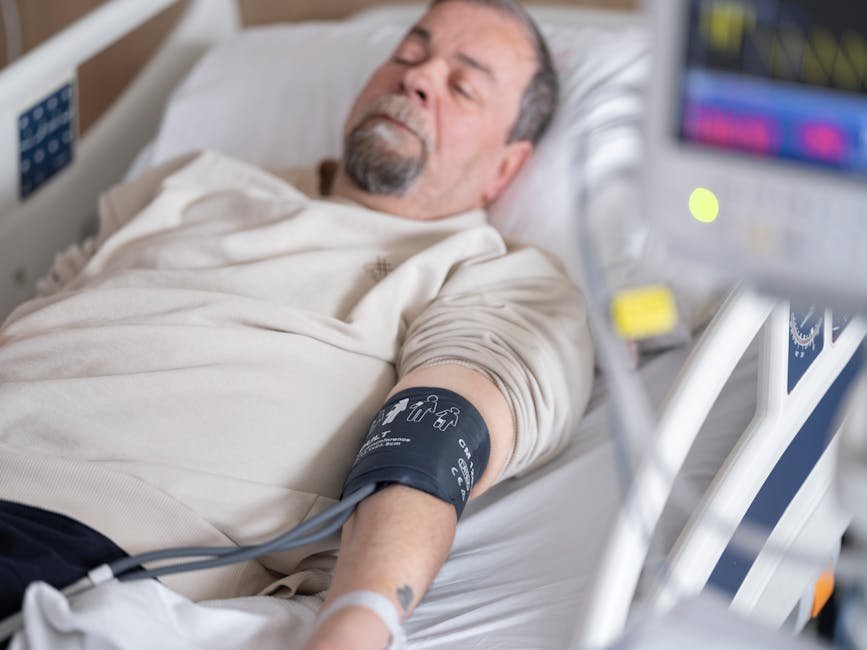
What catatonia actually looks like
Catatonia is a syndrome, not a disease. It can complicate mood disorders, psychotic disorders, autism, neurological conditions, and an expanding list of autoimmune and infectious processes. The DSM-5 lists twelve features; the presence of three is enough for diagnosis. The classic presentations fall into a few broad patterns:
- Stuporous (retarded) catatonia: immobility, mutism, refusal to eat or drink, fixed gaze, posturing, waxy flexibility, automatic obedience or its opposite (negativism)
- Excited catatonia: purposeless agitation, stereotypies, echolalia, echopraxia, verbigeration, periods of intense restlessness without environmental cause
- Mixed catatonia: oscillation between stuporous and excited states within hours or days
- Malignant (lethal) catatonia: catatonic features plus autonomic instability, fever, rigidity, and rhabdomyolysis; medical emergency with mortality 9–20 percent untreated
Effective catatonia treatment begins with recognising the syndrome, which is the step most often skipped. Stuporous catatonia in a patient with a depression diagnosis is misread as severe melancholia. Excited catatonia in a patient with a schizophrenia diagnosis is misread as agitation, leading reflexively to more antipsychotic, which can precipitate the malignant variant. Catatonia in autism is dismissed as the autism worsening.
The Bush-Francis Catatonia Rating Scale
The Bush-Francis scale is the standard bedside tool. The screening instrument is fourteen items, scored present or absent; the full scale rates 23 items on a 0–3 severity scale. Two or more screening items present, or any two items at any severity on the full scale, suggest catatonia. Performing the scale takes ten minutes once you know the manoeuvres.
Key items that any clinician should be able to elicit at the bedside include immobility, mutism, staring, posturing, grimacing, echopraxia, stereotypies, mannerisms, verbigeration, rigidity, negativism, waxy flexibility, withdrawal (refusal to eat/drink), and automatic obedience. Several items pair: ambitendency (the patient gets stuck mid-action), gegenhalten (resistance proportional to applied force), mitgehen (paradoxical light-touch movement), and grasp reflex.
Why catatonia is the most-missed psychiatric emergency
Recognition rates in inpatient psychiatry units sit between 10 and 30 percent of cases. Several factors drive this:
- Modern training emphasises medication management over phenomenology, and the Bush-Francis exam is not routinely taught
- Stuporous catatonia mimics severe depression so closely that the differential is rarely entertained
- Excited catatonia in a previously psychotic patient is reflexively treated with antipsychotic dose escalation
- Catatonia in autistic adolescents is attributed to baseline behaviour
- Medical wards rarely consider it at all, even though it is common in delirium, autoimmune encephalitis, and post-surgical states
The cost of missed diagnosis is substantial. Untreated catatonia leads to dehydration, malnutrition, deep vein thrombosis, pressure ulcers, aspiration pneumonia, and, in the malignant variant, death. The treatments that reverse catatonia are dramatically effective; the treatments commonly given for the misdiagnosis (more antidepressants, more antipsychotics) often make it worse.
The lorazepam challenge
The lorazepam challenge is both diagnostic and therapeutic. The standard protocol gives 1–2 mg of lorazepam intravenously or intramuscularly, with reassessment at five minutes (IV) or 30–60 minutes (IM). A 50 percent reduction in Bush-Francis score within an hour is considered a positive response and confirms the diagnosis.
Once a positive response is documented, scheduled lorazepam at 6–24 mg per day in divided doses is the maintenance treatment. Doses that would sedate a non-catatonic patient are tolerated remarkably well. Many patients require 8–12 mg daily, and some need higher doses; sedation is uncommon if catatonia is genuinely the underlying state. The treatment is continued for weeks, then tapered slowly over months once the underlying disorder is controlled.

ECT: second-line, gold-standard, life-saving
For patients who do not respond to lorazepam within 48–72 hours, or who have malignant catatonia from the outset, electroconvulsive therapy is the definitive treatment. Response rates exceed 80 percent, often within the first three to six treatments. For malignant catatonia, ECT is started urgently, frequently as bilateral treatments daily, and is considered first-line rather than second-line because mortality climbs sharply with each day of delay.
The barriers to ECT in catatonia are logistical, not clinical. Many community hospitals do not have ECT services. Consent in a mute, immobile patient requires surrogate decision-making and sometimes court approval, which slows things further. The closely related neuroleptic malignant syndrome shares enough phenomenology with malignant catatonia that the same urgent ECT pathway applies. When ECT is genuinely available and used early, deaths from malignant catatonia in the developed world are now rare.
The medical workup: what to rule out
Catatonia attributable to mood or psychotic disorders is the most common pathway, but a thorough workup is mandatory because reversible medical causes are common. The basics:
- Complete metabolic panel, magnesium, phosphate, calcium
- Creatine kinase to screen for malignant variant or neuroleptic malignant syndrome
- Thyroid function, B12, folate
- HIV, RPR, urine drug screen
- Lumbar puncture if any encephalitis features
- Brain MRI to rule out structural lesions
- EEG to rule out non-convulsive status epilepticus
- Anti-NMDA receptor antibodies and broader autoimmune encephalitis panel in young women, post-partum patients, or anyone with new-onset psychosis plus catatonia
Anti-NMDA receptor encephalitis deserves special attention. It frequently presents with psychiatric symptoms first, then catatonia, then autonomic instability and seizures. It is treatable with immunotherapy (steroids, IVIG, plasmapheresis, rituximab) and is curable in most cases if recognised. Every young patient with new psychosis and catatonia deserves the antibody panel.
Catatonia in autism and adolescents
Pediatric catatonia, particularly in autistic adolescents and young adults, is increasingly recognised. The presentation can be subtle: a previously verbal teenager becomes mute, takes hours to complete simple tasks, develops new stereotypies that are clearly distinct from baseline, or shows new incontinence. The lorazepam challenge is just as effective in this population, and ECT, while more administratively complex in minors, is equally effective.
The barrier in autism is conceptual: the catatonic features are blamed on the autism, and clinicians are reluctant to “medicalise” what they assume is behavioural. The cost of that reluctance is months of lost development, severe weight loss, and the secondary trauma of repeated emergency room visits without effective treatment. Specialised paediatric catatonia services exist at a handful of academic centres and are worth travelling for.
Antipsychotics in catatonia: caution required
One of the most consequential management decisions is what to do about antipsychotics. In a patient who developed catatonia while on an antipsychotic, the medication should generally be stopped or held until the catatonic state has resolved. Continuing antipsychotic in active catatonia raises the risk of converting to neuroleptic malignant syndrome, which shares overlapping clinical features and treatment. The pathophysiologic logic is straightforward: catatonia involves GABA-A hypofunction and probably altered dopaminergic tone, and adding a D2 blocker on top can tip the system toward malignant features.
Once catatonia has remitted on lorazepam or ECT, antipsychotics can be reintroduced cautiously, often starting with a lower-potency agent like quetiapine or olanzapine, while the patient remains on a benzodiazepine bridge. Clozapine has a particular role in patients with chronic schizophrenia and recurrent catatonia, with several case series suggesting both prophylactic and therapeutic benefit. The decision tree for restarting antipsychotic therapy deserves careful documentation in the chart, including dose, rationale, and the contingency plan if catatonic features re-emerge.
Nursing care during a catatonic episode
Even with effective pharmacology, the bedside care that determines whether a catatonic patient avoids serious complications happens at the nurse-aide level. Patients who do not move spontaneously develop pressure ulcers within days. Those who do not eat or drink lose lean mass quickly. Those who are mute cannot report pain, dyspnoea, or constipation, so vital signs and physical exam carry the entire signal load. Specific bedside priorities include scheduled repositioning every two hours, meticulous skin care, deep vein thrombosis prophylaxis, monitoring for aspiration during feeding attempts, and aggressive bowel and bladder regimens because urinary retention and constipation can both contribute to autonomic dysregulation.
Nutritional support sometimes requires a nasogastric tube during the most stuporous phase. Patients usually pull tubes once they begin responding to lorazepam, which is often the first sign that the syndrome is resolving. Hydration status, electrolytes, and creatine kinase should be checked every 12 to 24 hours during the acute phase, particularly in any patient with rigidity or fever, to catch early conversion toward malignant features.
Frequently asked questions
How quickly does lorazepam work in catatonia?
IV lorazepam often produces visible improvement within 5–10 minutes. IM works within 30–60 minutes. Some patients respond dramatically with the first dose; others require 24–72 hours of scheduled dosing before substantial improvement.
Why doesn’t lorazepam sedate catatonic patients?
The neurochemistry of catatonia involves GABA-A hypofunction in specific cortical circuits. Lorazepam restores function rather than producing simple sedation. Patients who later recover from catatonia often respond normally to benzodiazepines, with sedation at much lower doses.
Can catatonia recur?
Yes, particularly in patients with bipolar disorder or recurrent depression. Some patients require chronic low-dose lorazepam for years to prevent recurrence, with rapid uptitration at the first sign of return.
Is catatonia related to serotonin syndrome?
The presentations can overlap, especially in malignant variants. Distinguishing features matter for management and are covered in detail in dedicated reviews of serotonin syndrome and NMS.
Should every depression be screened for catatonia?
Severe depression with mutism, food refusal, or psychomotor retardation that does not improve with antidepressants should always trigger a Bush-Francis exam. The screening adds five minutes and frequently changes management.
The bottom line
Catatonia is a common, dangerous, and dramatically treatable syndrome that hides inside other diagnoses. The Bush-Francis exam is the gateway. Lorazepam is the first move. ECT is the rescue. The mortality of malignant catatonia in 2026 should be near zero in a hospital with even basic resources, but recognition is the rate-limiting step. Eleanor, the retired teacher in our opening, was discharged home seventeen days after that first lorazepam injection. She kept teaching pottery to grandchildren for another decade. The fourth-year resident is now an attending who teaches the Bush-Francis to every group of medical students who rotates through her service.
If you are worried that someone you love is in a psychiatric crisis that is not being correctly identified, the 988 Suicide and Crisis Lifeline can connect you to local resources around the clock. Federal information about catatonia and the broader category of psychiatric emergencies is available through the National Institute of Mental Health and neurological details through the National Institute of Neurological Disorders and Stroke.
This article is for educational purposes only and is not medical advice. Catatonia is a medical and psychiatric emergency. If you suspect catatonia in a hospitalised loved one, ask the treating team explicitly about the Bush-Francis exam and a lorazepam challenge, and consult a board-certified psychiatrist promptly.