
Maya Reynolds, fourteen, sat in the children’s emergency department in Newark on a Tuesday night, holding her mother’s hand and waiting. Maya had told her school counselor that morning that she had been thinking about her stepfather’s pistol for the last week, that she had Googled how to load it, and that she had stood in the master bedroom yesterday with the magazine in her hand. The counselor called her mother. Her mother called the pediatrician. The pediatrician said the only safe option was the ER. By Wednesday afternoon, Maya was still in the ER. By Thursday morning, still in the ER. The hospital had no pediatric psychiatric beds available within 200 miles, and the closest in-network bed was open in Pittsburgh. Maya finally transferred Friday at 2 a.m., almost three full days after she walked in. Her mother slept in a vinyl chair every night of that wait. The phenomenon she lived through has a name. Pediatric psychiatric boarding is the long, often invisible bottleneck that swallows roughly one in three children presenting in child psychiatric emergency across the United States, and families navigating it benefit from understanding the system before they need it.
What Counts as a Pediatric Psychiatric Emergency
The signs that should trigger an ER visit, rather than an outpatient appointment or even a same-day urgent visit, fall into specific categories. A child psychiatric emergency includes any of the following. Suicidal ideation with a specific plan, access to means, or recent attempt is the clearest indicator. Homicidal ideation with intent toward a specific person or group requires immediate intervention. Severe agitation that places the child or others at physical risk warrants emergency care. Command hallucinations telling the child to harm themselves or someone else require evaluation. Severe self-injurious behavior that involves wounds requiring medical attention or that has escalated in lethality counts as emergency-level. Severe eating disorder presentations with medical compromise, such as bradycardia, electrolyte imbalance, or significant weight loss, often require ER evaluation before psychiatric admission.
Some signs do not necessarily require an ER but require same-week intervention. Increased self-harm without medical risk, suicidal thoughts without plan or means, and new psychotic symptoms in a stable patient all warrant rapid response. When in doubt, calling 988 with the child and family connects to a counselor who can help triage in real time.
The Reality of Pediatric ER Boarding
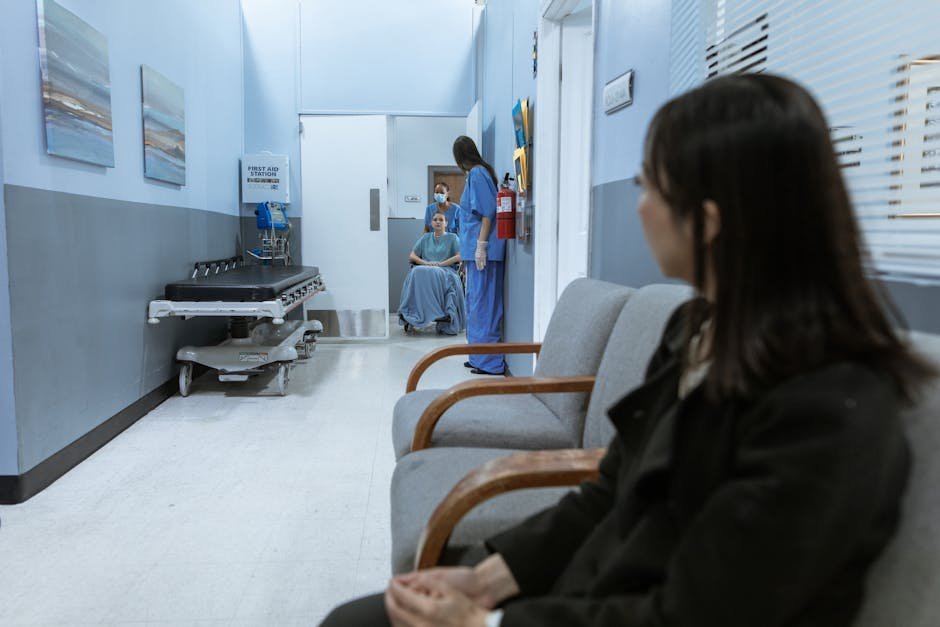
Pediatric psychiatric boarding is the practice of holding a child in a medical ER while waiting for a psychiatric inpatient bed. National data show that one to seven days is the typical wait, with some children boarding for two weeks or more. The problem is concentrated in specific regions and seasons. Rural states and small markets have fewer pediatric psych beds. Sunday and Monday admissions face longer waits because weekend referral patterns clog the queue. School calendar peaks around back-to-school and finals weeks see admission spikes that overwhelm capacity.
While boarding, the child usually stays in a hallway-adjacent room or a designated psychiatric ER bay. Items deemed unsafe, including phone chargers, shoelaces, drawstrings, and personal electronics, are removed. A sitter or security staff member is often present. The child’s mental health treatment during boarding is limited to medication management and brief safety check-ins. Many parents describe the boarding period as worse for the child than the actual psychiatric admission that follows. Our piece on finding the right psychiatric hospital quickly covers the discharge transition.
Crisis Stabilization Units for Kids
Crisis stabilization units, abbreviated CSUs, are short-stay programs that can hold a child for up to 23 hours, three days, or seven days. They function as a less restrictive alternative to inpatient hospitalization. CSUs offer assessment, stabilization, brief therapy, family work, and discharge planning. The environment is more therapeutic than an ER. Pediatric CSUs remain rare nationally. Most states have only one or two, often clustered in major metro areas.
Where CSUs do exist, they are typically reached through a referral from an ER, mobile crisis team, or pediatrician. The CSU model has grown over the last decade as states have invested in alternatives to hospital boarding. Pennsylvania, Massachusetts, New Jersey, and Connecticut have notable pediatric CSU expansions.
Mobile Response and Stabilization Services
Mobile Response and Stabilization Services, abbreviated MRSS, deploy a clinician or team to the family’s home, school, or community location within an hour or two of a crisis call. The service stabilizes the immediate situation, provides up to six to eight weeks of follow-up support, and links the child to longer-term care. New Jersey runs perhaps the most well-developed MRSS system, called PerformCare and CMO programs, accessible through the 1-877-652-7624 PerformCare line. New York, Pennsylvania, Massachusetts, and several other states have growing MRSS capacity, often accessible through 988 or state-specific helplines.
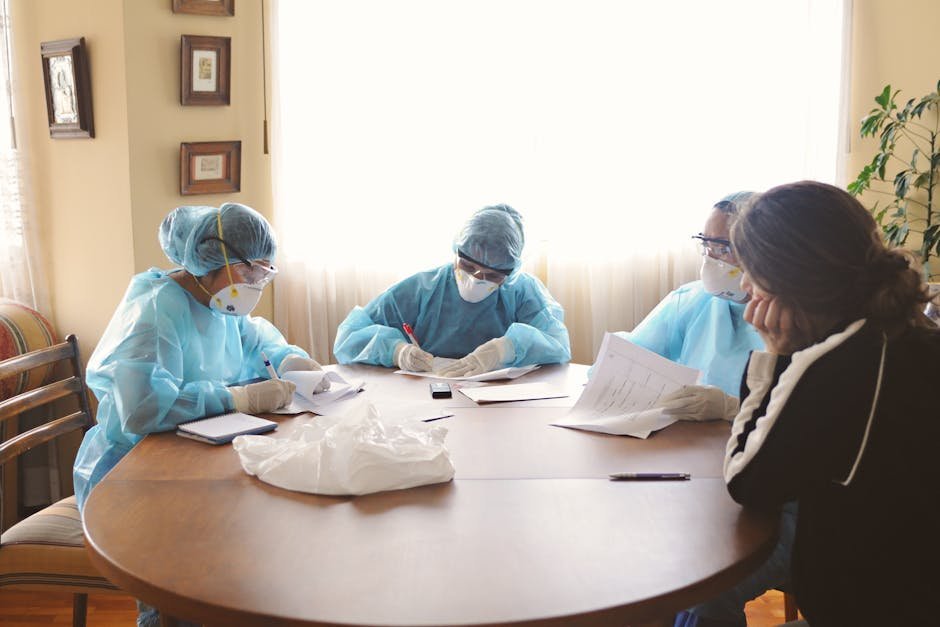
MRSS prevents many ER visits by stabilizing the crisis at home. The clinician assesses safety, helps remove or secure means, develops a safety plan, links the child to outpatient services, and stays involved through the early follow-up period. Families who have used MRSS often report that having a clinician in the living room is dramatically more useful than driving to an ER and waiting in a chair for hours. Not every situation can be safely stabilized at home. When the safety bar is too high, MRSS supports the family in moving to ER care, which often goes more smoothly with a clinician already involved.
Child Psychiatry Access Programs
Child Psychiatry Access Programs, abbreviated CPAP, are state-funded systems that give pediatricians and family doctors real-time consultation with a child psychiatrist by phone. The pediatrician calls the line, describes the case, and a child psychiatrist offers diagnostic input, medication suggestions, and referral guidance. The program does not replace direct child psychiatric care but extends limited specialist capacity to a much larger primary care workforce. Massachusetts launched the first CPAP, called MCPAP, in 2004. Most states now have a version. Families can ask their pediatrician whether the practice uses the state CPAP for input on complex mental health cases.
For families who cannot find a provider, several work-arounds help. Telehealth has dramatically expanded child psychiatry access. Academic children’s hospitals usually maintain wait lists with shorter timelines for high-acuity cases. Community mental health centers accept Medicaid and have child psychiatry hours. Our piece on adolescent residential treatment programs covers options beyond inpatient.
Inpatient Pediatric Psychiatric Admission
Inpatient pediatric psych units serve children who cannot be safely managed at lower levels of care. Indications include active suicidality with high risk of acting, psychosis with safety risk, severe mood symptoms not responding to outpatient care, dangerous aggression, and certain severe eating disorder presentations. Length of stay averages five to ten days, although shorter and longer stays occur. The goal is stabilization, not full resolution. The treatment plan focuses on safety, diagnostic clarification, medication adjustment, family work, and discharge planning to a step-down level of care.
What to bring: a list of all current medications with doses, contact information for the child’s outpatient providers, the insurance card, and any documentation of legal custody if parents are separated. Comfort items such as a familiar book are usually allowed during boarding. Phones are usually taken at admission to inpatient. Bring a backup contact list written on paper.
School-Based Mental Health Support
Schools are often the first responders to child mental health crises. School counselors, school psychologists, and school social workers see students before pediatricians often do. The quality of school-based support varies enormously, but families should know what to ask for. Section 504 plans and Individualized Education Programs, abbreviated IEPs, can include mental health accommodations, scheduled check-ins with the school counselor, modified attendance policies, and behavioral support plans. School-based mental health partnerships with community agencies are growing in many states, sometimes funded through Medicaid.
Returning to school after a psychiatric admission requires planning. A re-entry meeting with the parent, school counselor, and ideally a representative from the discharging hospital sets expectations and creates a safety plan for the school environment. Schools cannot legally require disclosure of psychiatric admission, but a planned, voluntary disclosure usually opens more doors. Our piece on long-term outpatient psychiatric maintenance care covers the longer arc beyond crisis.

Finding Child Psychiatrists Fast
The shortage of child psychiatrists is severe. Most surveys estimate one child psychiatrist for every 1,800 children with mental health needs, with wait times of three to six months in many markets. Several strategies improve odds for fast access. State helplines designed specifically for children, such as NJ4SChildren in New Jersey, MassHealth Children’s Behavioral Health Initiative in Massachusetts, and PerformCare in several Southern states, route families to the right level of care quickly. Telehealth platforms specializing in child mental health have shorter wait times than local in-person practices. Academic children’s hospital outpatient clinics sometimes have shorter waits for higher-acuity referrals from a primary care doctor.
The American Academy of Child and Adolescent Psychiatry, at aacap.org, maintains a public-facing finder and a library of family resources. The Substance Abuse and Mental Health Services Administration, at samhsa.gov, runs the 988 line and a treatment locator that includes pediatric programs. Insurance companies are required by law to maintain accurate provider directories, and persistent calling of listed providers eventually finds a slot.
Frequently Asked Questions
Should I take my child to the ER for self-harm without suicidal intent?
It depends on severity and trajectory. Superficial cuts that have not required medical care, in a child already engaged with a therapist, may not require an ER visit. Deep wounds, escalating frequency, new use of more lethal methods, or any expression of suicidal thoughts shifts the calculus toward ER evaluation. Calling 988 with the child can help triage in real time.
Can I refuse a psychiatric admission for my child?
For most pediatric psychiatric admissions, parental consent is required. If a clinician believes a child is at imminent risk and parents refuse, the clinician may pursue an emergency evaluation hold, with timelines and processes varying by state. The ER team will explain options and risks. Parents who feel their child does not need admission can ask for a second opinion or a different disposition such as a CSU or intensive outpatient program if available.
Will my child come out of inpatient treatment fixed?
Inpatient pediatric psych is a stabilization, not a full course of treatment. The team aims to reduce safety risk, clarify diagnosis, adjust medication, and connect the family to step-down care. Real recovery happens in the weeks and months after discharge, in outpatient therapy, possibly intensive outpatient or partial hospitalization, family work, and school re-integration.
Does insurance cover pediatric psychiatric ER visits?
Yes. Emergency mental health services are covered under federal mental health parity laws, with no prior authorization required for emergency care. Subsequent admission to an inpatient unit usually requires authorization from the insurance company, but the hospital handles this. Out-of-network ER care is also covered for emergencies, although out-of-network admission may have higher cost-sharing.
What if my child refuses to go to the ER?
For high-risk situations, calling 911 or a mobile crisis team is appropriate. Police-mediated transport is sometimes necessary but is being replaced in many communities by mental health response teams, which use plain clothes and minimal force. If your community has 988-affiliated mobile crisis, request that team specifically. The 988 line can connect you in real time to the appropriate response option for your area.
The Bottom Line
A child psychiatric emergency requires fast, accurate triage among ER care, crisis stabilization units, mobile crisis teams, and inpatient admission. ER boarding waits of one to seven days or more remain common, especially in regions with limited pediatric psychiatric beds. Mobile Response and Stabilization Services, where available, often resolve crises at home and prevent unnecessary ER trips. Crisis stabilization units offer a less restrictive alternative for many children. Inpatient admission stabilizes the highest-risk situations and connects to step-down care. Child Psychiatry Access Programs help pediatricians manage complex cases between specialist visits, and school-based mental health support smooths re-entry after admission. Families who learn the local system before a crisis hits navigate it more effectively when crisis arrives.
988 Reference
If your child is in suicidal crisis or experiencing severe psychiatric symptoms, call or text 988 to reach the Suicide and Crisis Lifeline. Trained counselors can help triage, connect you with mobile crisis teams in your area, and stay on the line while you arrange transport to an ER if needed. For an active medical emergency, call 911 first.
Disclaimer: This article is for general educational purposes and does not replace medical advice from a licensed clinician. Pediatric psychiatric emergencies should always be triaged in real time with qualified mental health professionals familiar with your child’s history and your state’s specific crisis response system.