Rebecca from Minneapolis came in for her annual physical in late February with a complaint that had become routine. She was tired all winter, irritable in ways she did not recognize as herself, sleeping ten hours and waking up unrefreshed, and her mood was creeping toward what she would have called depression in another context. Her primary care physician ran the usual panels and added a 25-hydroxyvitamin D level. The result came back at 14 nanograms per milliliter, well below the deficiency threshold. The repletion protocol was straightforward, 50,000 international units of D3 once weekly for ten weeks, then a daily maintenance dose. By April her energy had returned, her sleep had normalized, and her mood had lifted out of the winter dip. She was not cured of seasonal depression, but the deficiency had been a fixable contributor that no one had checked for during the previous five winters when she had presented with the same complaint.
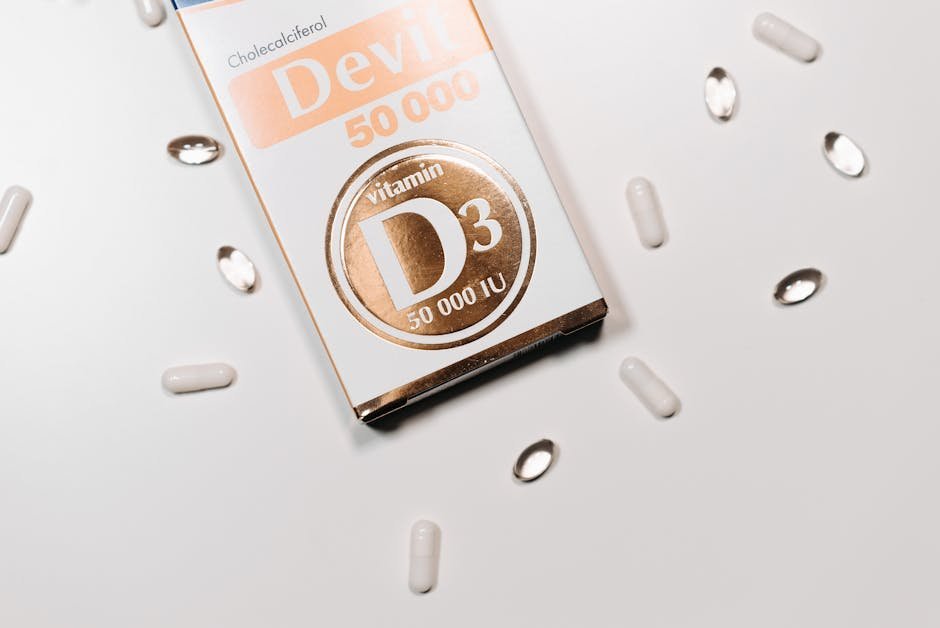
The relationship between vitamin D depression risk and supplementation is one of the most studied and most contested topics in nutritional psychiatry. The correlations in observational data are robust, the mechanism stories are biologically plausible, and the randomized trial evidence on supplementation is genuinely mixed. Some patients benefit dramatically from repletion, others see no change. The clinical question is not whether vitamin D matters at the population level, but how to identify the patients in front of you who will benefit and dose them appropriately without over-promising.
The deficiency-depression correlation literature
Hundreds of cross-sectional and longitudinal studies have reported associations between low serum 25-hydroxyvitamin D and depressive symptoms. The associations show up in adolescents, adults, pregnant women, postpartum women, the elderly, and several disease-specific populations. Meta-analyses pooling these studies generally find that vitamin D-deficient individuals have roughly 30 to 50 percent higher odds of clinically significant depression compared to vitamin D-replete individuals, with the magnitude varying by population, latitude, and the deficiency cutoff used.
The biological plausibility is also there. Vitamin D receptors are expressed in brain regions implicated in mood, including the hippocampus, prefrontal cortex, and substantia nigra. Vitamin D regulates neurotrophin expression, modulates inflammation, and affects neurosteroid synthesis. The deficiency-depression connection is not metaphysical. It is a plausible mechanistic link with substantial observational support.
Why correlation may not equal causation
The harder question is whether supplementation reverses the depression. The randomized controlled trial evidence is more cautious than the observational evidence. People who are depressed go outside less, eat less varied diets, and exercise less. All three behaviors lower vitamin D status independently. Some of the observational signal between low vitamin D and depression is the depression causing the low vitamin D, not the other way around. Reverse causation is real, and it is a meaningful confounder.
Trials testing whether vitamin D supplementation in depressed patients improves mood have produced inconsistent results. Some have shown modest benefit. Others have shown no effect. Meta-analyses pooling the trials, depending on which trials are included and how the outcomes are weighted, sometimes show small significant effects and sometimes show no effect. The pattern that emerges from a careful read is that vitamin D supplementation matters when patients are deficient and is unlikely to help meaningfully when they are not. Trials that did not screen for baseline status, or that enrolled mostly replete patients, predictably failed to show benefit. Our broader piece on non-medication options for depression places vitamin D in context with the larger evidence-based intervention set.

The VITAL trial and the non-deficient population
The VITAL trial, led by JoAnn Manson at Brigham and Women’s Hospital, was the largest randomized controlled trial of vitamin D supplementation for depression prevention ever conducted. Over 18,000 adults aged 50 and older were randomized to vitamin D3 at 2,000 IU per day or placebo, followed for an average of more than five years. The depression-related primary outcomes were null. Vitamin D supplementation did not prevent the development of depression or improve mood scores in the overall population. The result was not what many in the field had predicted, and it forced a reassessment of the supplementation-as-prevention story.
The interpretation, however, is not that vitamin D does not matter. The VITAL participants were largely vitamin D-replete at baseline. The trial did not test repletion of deficient individuals, which is the population in whom benefit is most plausible. The lesson is more refined than the headline. Vitamin D supplementation in already-replete adults does not appear to prevent depression. Vitamin D supplementation in deficient adults still has open questions, and a smaller body of trials supports benefit when baseline deficiency is documented.
Populations most likely to benefit
Several patient groups are at elevated risk for vitamin D deficiency and represent the population most likely to benefit from screening and repletion. Adults living at high latitude, particularly above the 40th parallel during winter months, where cutaneous synthesis of vitamin D essentially stops from October through March. Adults with darker skin pigmentation, where melanin reduces cutaneous synthesis efficiency at any given sun exposure. Adults who avoid sun exposure for medical or cosmetic reasons, or who work indoors and rarely have skin uncovered outside. Pregnant and lactating women, where requirements increase. The elderly, in whom skin synthesis efficiency declines and dietary intake is often inadequate. Patients with malabsorption from gastrointestinal disease, gastric bypass, or celiac disease. Patients on medications that interfere with vitamin D metabolism, including some anticonvulsants and corticosteroids.
For a Boston resident with darker skin who works indoors and presents with seasonal mood worsening, the prior probability of meaningful deficiency contributing to symptoms is not low. For a healthy outdoor worker in Phoenix presenting with similar symptoms, the prior probability is much lower, and a vitamin D level is unlikely to change management. Targeted screening based on risk profile is more useful than universal screening. Our piece on light therapy for seasonal affective disorder walks through the parallel intervention for the same seasonal mood pattern.
How to test 25-hydroxyvitamin D and what insurance covers
The standard test is 25-hydroxyvitamin D, abbreviated 25-OH D or 25(OH)D. Total 25-OH D is the most clinically useful single number, reflecting both D2 and D3 metabolite levels. The reference ranges have been a topic of debate for years. The Endocrine Society has historically used a deficiency threshold of less than 20 ng/mL and a sufficiency threshold of greater than 30 ng/mL, while the National Academies have used a slightly lower sufficiency threshold of 20 ng/mL. For depression-relevant clinical practice, levels below 20 ng/mL clearly represent deficiency that should be addressed, levels between 20 and 30 represent insufficiency where repletion is reasonable, and levels above 30 are generally considered sufficient.
Insurance coverage of vitamin D testing varies. Medicare and most commercial plans cover testing when there is a documented clinical indication, such as suspected deficiency, malabsorption, osteoporosis, or chronic kidney disease. Routine screening of asymptomatic adults is not always covered, and patients without a clear indication may be asked to pay out of pocket. The cash price for 25-OH D testing has dropped substantially with direct-to-consumer lab options, often under $50, which has made screening accessible even when insurance declines.
Repletion strategies and the 50,000 vs 5,000 question
The two most common dosing strategies for repletion in deficiency are weekly high-dose pulses and daily moderate doses. The pulse strategy uses 50,000 IU of vitamin D2 or D3 once weekly for eight to twelve weeks, with rechecking of levels at the end of the course. This approach is convenient, often prescribed because the 50,000 IU formulation is the standard prescription strength in U.S. pharmacies, and produces rapid repletion in most patients. The daily strategy uses 5,000 IU of vitamin D3 daily for the same total period, achieving similar repletion at the end of the course with smoother day-to-day pharmacokinetics.
The choice between strategies is partly preference and partly biology. Some research suggests that very large pulse doses may not be optimal for the brain, where steady availability matters, and that daily dosing may produce more consistent serum levels. Other research has not found meaningful differences. For most patients with documented deficiency and no special considerations, either strategy works. After the loading course, daily maintenance at 1,000 to 5,000 IU is appropriate, with the higher end of the range for patients with persistent risk factors and the lower end for those with routine sun exposure and dietary adequacy.

Risks of overdose and the upper limit
Vitamin D toxicity is uncommon but real, and it is a different kind of problem than most consumer supplement issues because vitamin D is fat-soluble and accumulates. The Institute of Medicine has set a tolerable upper intake level of 4,000 IU per day for adults, while acknowledging that higher intakes are sometimes appropriate under medical supervision. Daily intakes consistently above 10,000 IU for months can produce hypercalcemia, with symptoms including kidney injury, fatigue, nausea, polyuria, and confusion. Most cases of toxicity in the literature involve unintentional overdose from mislabeled supplements or from patients self-prescribing very high doses based on internet advice.
The 50,000 IU weekly prescription, divided across seven days, averages around 7,000 IU per day, which is above the upper limit but well within the documented safety range for short-term repletion under medical supervision. The relevant safety practice is to recheck levels after a defined course, adjust the maintenance dose to the patient’s response, and avoid open-ended high-dose use without monitoring. For patients also dealing with anxiety symptoms compounded by alcohol, our piece on menopause and mental health covers some of the overlapping age-related considerations where vitamin D status often comes up.
The vitamin K2 question
Vitamin K2, particularly the menaquinone-7 form, has become a popular co-supplement with vitamin D, on the theory that K2 directs calcium toward bone and away from soft tissues, mitigating any vascular calcification risk from increased calcium absorption driven by vitamin D. The theory is biologically reasonable. The clinical evidence for routine K2 co-supplementation in patients taking vitamin D is much thinner than the marketing suggests. For patients on warfarin or other vitamin K antagonists, K2 supplementation interferes with anticoagulation and should not be added without medical consultation.
For most adults taking vitamin D at standard repletion or maintenance doses, K2 supplementation is optional, low-risk except in the warfarin context, and unlikely to make a clinically meaningful difference in mood-related outcomes. The decision is usually about long-term cardiovascular and bone health rather than depression treatment, and either choice is reasonable absent specific indications.
Food sources and the dietary reality
Vitamin D from food alone, in the absence of fortification, is hard to obtain in adequate quantity. Wild-caught fatty fish such as salmon, mackerel, sardines, and herring provide the highest naturally occurring concentrations, with a single serving sometimes covering daily requirements. Egg yolks contribute small amounts. Mushrooms exposed to UV light provide vitamin D2. Beyond these sources, fortified milk, fortified plant milks, fortified orange juice, and fortified breakfast cereals contribute most of the dietary vitamin D in the typical American diet. Reaching the 1,000 to 5,000 IU range from food alone is not realistic for most patients.
The implication is that supplementation, sun exposure, or both are usually required to maintain replete status, particularly during winter months at higher latitudes. The National Institutes of Health Office of Dietary Supplements maintains a detailed fact sheet on vitamin D requirements, food sources, and supplementation through its consumer health information portal. The National Institute of Mental Health publishes broader guidance on integrative approaches to depression on its consumer information pages, including discussion of nutritional factors.
Frequently asked questions
Should everyone take a vitamin D supplement?
Not necessarily. Adults with adequate sun exposure, varied diet, and no risk factors may not need supplementation. Adults at high latitude, with darker skin, indoor occupations, or other risk factors are more likely to benefit. Testing answers the question for an individual.
How long until vitamin D affects my mood if I am deficient?
Patients who are repleted from significant deficiency often notice energy and mood changes within four to eight weeks. Patients who were near sufficient at baseline are unlikely to notice mood changes from supplementation.
Is D2 or D3 better?
D3, cholecalciferol, raises serum levels more efficiently and is preferred in most contexts. D2 is the prescription weekly form in the U.S. and works adequately, though slightly less efficiently per international unit.
Can I just get my vitamin D from sunlight?
In summer at moderate latitudes, with significant skin exposure, often yes. In winter above the 40th parallel, no, since cutaneous synthesis essentially stops. Sun exposure for vitamin D synthesis carries skin cancer risk that should be weighed.
Will my insurance cover the test?
Often yes, when ordered by a clinician with a clinical indication noted. Routine screening of asymptomatic adults may not be covered, but the cash price has become affordable through direct-to-consumer lab options.
The bottom line
The vitamin D depression story is more nuanced than either the supplement industry or the dismissive backlash suggests. Deficiency is a real, treatable contributor to mood symptoms in a meaningful subset of patients, particularly those with risk factors that make deficiency likely. Supplementation in already-replete adults does not appear to prevent or treat depression. The clinical move that fits the evidence is targeted screening of patients with risk factors, repletion of those who are deficient, and continued monitoring rather than indefinite high-dose use without follow-up. Vitamin D is not a depression cure. It is one of the more correctable contributors when it is the relevant problem, and one that is easily missed when no one orders the test.
If you are in a crisis, call or text 988 to reach the Suicide and Crisis Lifeline. If you are not in immediate danger but suspect that nutritional factors may be contributing to mood symptoms, talk with your primary care clinician about appropriate testing and a plan that fits your overall health picture.
This article is for general information only and is not a substitute for medical advice. Vitamin D supplementation should be discussed with a clinician, particularly if you have kidney disease, hyperparathyroidism, sarcoidosis, are pregnant, or are taking medications that affect calcium or vitamin D metabolism. High-dose supplementation should always be supervised with serum monitoring.