Diane from Portland was eating frozen pizza four nights a week and drinking diet soda with breakfast when her psychiatrist asked, almost in passing, what she ate on a typical day. Forty minutes later they had walked through her grocery list, her takeout history, her snack drawer at work, and her coffee shop muffin habit. The psychiatrist did not lecture. She handed Diane a one-page handout summarizing the SMILES trial and a referral to a registered dietitian who specialized in mood and anxiety. Twelve weeks later Diane had not lost a meaningful amount of weight. She had also stopped having the four o’clock crash, started sleeping more soundly, and seen her PHQ-9 score drop from 14 to 7. She had not added a medication. She had moved from a Western dietary pattern to something closer to the Mediterranean pattern. The change was incremental, the swaps were not dramatic, and the mood improvement was real.
The relationship between food and mood was the soft underbelly of psychiatry for most of the late twentieth century. People said it mattered, randomized trials were thin, and most clinicians told patients to eat better without any specific instructions. The mediterranean diet depression conversation changed in 2017 when Felice Jacka and her colleagues at Deakin University in Australia published the SMILES trial, the first major randomized controlled trial showing that a structured dietary intervention produced significant improvement in adults with moderate to severe depression. The work has been replicated, extended, and integrated into clinical guidelines that now treat nutrition as a legitimate component of depression care, not a wellness afterthought.
The SMILES trial and what it actually showed
SMILES, which stood for Supporting the Modification of lifestyle In Lowered Emotional States, randomized 67 adults with major depressive disorder to either a Mediterranean-style dietary intervention with a clinical dietitian or a befriending social support condition. Both groups continued whatever existing treatment they were on. After twelve weeks, the dietary intervention group showed significantly greater reductions in depression scores, with about a third of the dietary group achieving full remission compared to single-digit remission in the control group. The effect sizes were substantial, in the range comparable to first-line antidepressants and structured psychotherapies in mild-to-moderate depression.
The trial design has limitations that researchers themselves were quick to note. Sample size was modest, blinding to dietary condition is essentially impossible, and the comparison condition was social support rather than a sham nutritional intervention. The replication efforts that followed addressed several of those limitations. The HELFIMED trial in Australia, the larger Spanish PREDIMED-Plus secondary analyses on depression, and the AMMEND trial in the UK all converged on the same direction of effect, with Mediterranean dietary patterns reducing depressive symptoms in adults with mild to moderate depression. The 2024 update of the umbrella reviews in Molecular Psychiatry treats Mediterranean dietary patterns as a probable causal factor in depression risk and a reasonable intervention in active depression.
The components, beyond the marketing
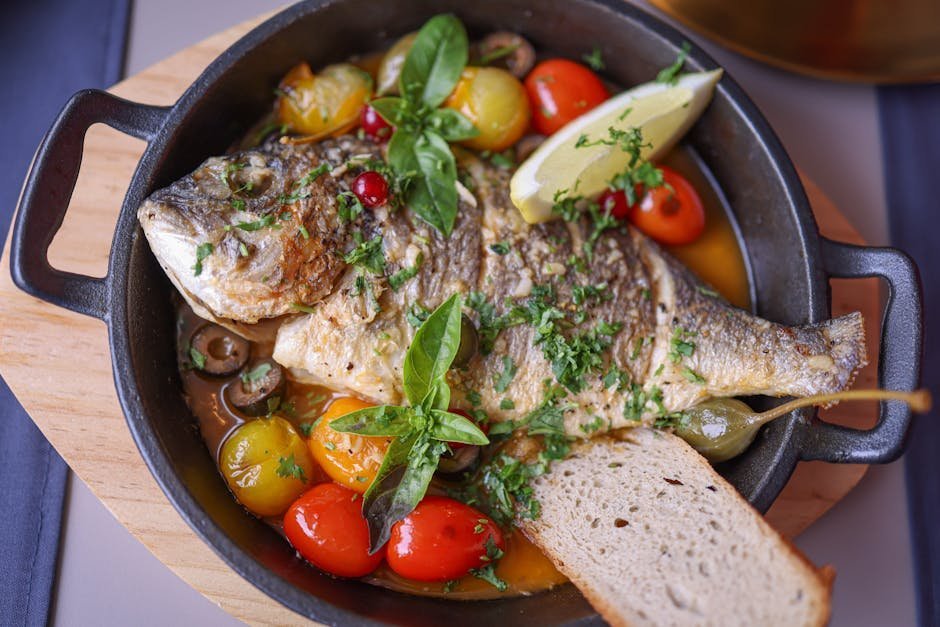
Mediterranean diet has become a marketing term. The clinically meaningful pattern has specific components. Extra virgin olive oil as the primary added fat, with multiple tablespoons per day not being unusual. Fatty fish two to three times per week, particularly sardines, mackerel, salmon, anchovies, and other oily species rich in long-chain omega-3 fatty acids. Vegetables in substantial daily quantity, with an emphasis on leafy greens, tomatoes, peppers, onions, garlic, eggplant, and seasonal varieties. Legumes several times per week, including lentils, chickpeas, white beans, and the variety of bean preparations that anchor cuisines from Lebanon to Greece to Italy. Whole grains rather than refined, with whole grain bread, bulgur, farro, and barley appearing more often than rice or pasta. Nuts daily, in modest quantities, and especially walnuts and almonds.
The pattern also implies what is reduced or rare. Red meat, particularly processed red meat, drops to a few times per month rather than weekly. Refined sugar and refined flour are minimized, not eliminated, with desserts treated as occasional rather than habitual. Ultraprocessed foods, the category that includes most packaged snacks, sweetened breakfast cereals, sodas, and fast food, are the largest reduction in most patients moving from a typical Western pattern. Our broader piece on depression treatment options that work without medication places dietary intervention in context with the other major lifestyle approaches.

The gut-brain axis evidence
Why might food affect mood? The gut-brain axis is the leading mechanistic story, and it is still partly speculative. The general picture is that diet shapes the gut microbiome, the microbiome produces metabolites that cross into systemic circulation and affect inflammation, neurotransmitter precursors, and vagal signaling, and the brain integrates all of those signals in ways that influence mood and anxiety. The Mediterranean dietary pattern is associated with greater microbial diversity, higher production of short-chain fatty acids such as butyrate, and lower systemic inflammation, all of which have plausible links to mood biology.
Causality is harder than association. We have animal model evidence that fecal microbiome transplants can transmit anxious or depressive phenotypes between mice. We have human cross-sectional evidence linking dysbiosis to depression. We have a smaller and more cautious set of intervention studies suggesting that probiotic strains can shift mood symptoms modestly. The mechanism story is consistent with the trial data without being the only possible explanation, and it is reasonable to act on the dietary pattern evidence while the gut-brain mechanism continues to be investigated.
The MIND diet for cognitive decline
The MIND diet, developed by Martha Clare Morris and colleagues at Rush University, is a hybrid of the Mediterranean and DASH dietary patterns, optimized specifically for slowing cognitive decline. It emphasizes leafy green vegetables daily, berries several times per week, nuts daily, beans, whole grains, fish at least once per week, poultry, olive oil, and a glass of wine. It limits red meat, butter and stick margarine, cheese, pastries and sweets, and fried or fast food. The original observational work showed that adherence to the MIND pattern was associated with substantially reduced rates of incident Alzheimer’s disease, even when adherence was moderate.
The first major randomized controlled trial of MIND, published in 2023, was more cautious in its conclusions, finding that the dietary intervention did not significantly outperform a mild caloric restriction comparison over three years on cognitive outcomes. The interpretation depends on whether you weight observational consistency over decades or the single trial more heavily. For older adults concerned about cognitive trajectory and mood together, MIND remains a reasonable framework, with the Mediterranean components doing most of the work the depression evidence supports.
Western dietary patterns and the comparison
The Western pattern, against which the Mediterranean is usually compared, is high in red and processed meats, refined grains, added sugars, sweetened beverages, fried foods, and ultraprocessed snacks, with relatively low intake of fish, legumes, vegetables, and whole grains. Multiple cohort studies have found that adherence to Western dietary patterns is associated with higher rates of depression, anxiety, and cognitive decline, with effect sizes that are not trivial. The implication is not that any single food is the culprit, but that the combined pattern of high ultraprocessed food intake and low whole-food intake is a measurable risk factor for mood disorders.
For patients dealing with the residual mood symptoms of post-viral illness, the dietary picture has additional relevance. Our coverage of long COVID and depression reviews the inflammation and neurocognitive overlap where dietary modification has been studied as a supportive intervention.
How to actually start, without demonizing food
The dietary intervention that works is the one that gets sustained past the first month. Dietary recommendations made in moralizing language, treating certain foods as forbidden and others as virtuous, tend to produce reactive behaviors and short adherence windows. The SMILES trial protocol, and its derivatives, took a different approach. Patients met with a dietitian, reviewed a current week of eating, and identified gradual swaps rather than wholesale replacements. Diet soda for sparkling water with lime. White bread for whole grain bread on the same sandwich. The afternoon vending-machine snack for a small handful of almonds. The third pizza night replaced with a sheet-pan dinner of salmon and roasted vegetables.
The progression usually moves through three phases. The first three to four weeks add components, focusing on building in olive oil, vegetables, and fish without yet subtracting much. The next three to four weeks reduce ultraprocessed foods, particularly sugary drinks and packaged snacks. The final phase consolidates a sustainable pattern that the patient can maintain without daily decision fatigue. Total cost over the trial period is usually similar to the prior diet, sometimes slightly higher, sometimes lower, depending on whether the patient was previously eating a lot of restaurant takeout. Beans, lentils, frozen vegetables, canned tomatoes, and rolled oats are among the cheapest foods on a per-calorie basis available in any U.S. grocery store.

Affordability, access, and the food environment question
The criticism that Mediterranean-style eating is expensive comes up in every clinical conversation about it, and the answer is both yes and no. Fresh wild-caught salmon and imported extra virgin olive oil at premium prices are expensive. Canned sardines, frozen vegetables, dried lentils, and store-brand olive oil are not. The average cost per meal of a Mediterranean-style home-cooked dinner is competitive with fast food and well below restaurant takeout, particularly when the household includes more than one person.
The bigger barrier is often time and skill. Patients with depression are dealing with reduced energy and reduced executive function, and “cook three meals a day” is not a feasible prescription early in treatment. Practical adaptations include batch cooking on a single weekend afternoon, simplified recipes that take fewer than fifteen minutes, frozen and pre-chopped vegetables that bypass knife work, and a small set of go-to assemblies that the patient can produce without thinking. The food environment in food deserts is a separate and harder issue, where SNAP-Ed programs, community-supported agriculture share programs, and partnerships with community health workers can help bridge the gap.
Vegan and vegetarian variations
The Mediterranean pattern adapts well to vegetarian and vegan eating. The fish component is the hardest to replace, since the long-chain omega-3 fatty acids EPA and DHA come primarily from oily fish. Algae-derived DHA supplements bridge the gap for many vegan patients, with a smaller body of evidence on EPA from algae sources. Legumes, nuts, seeds, whole grains, vegetables, and olive oil are already plant-based, and a vegetarian Mediterranean pattern can be assembled without much modification beyond the protein swap. Patients moving toward vegan eating in the context of depression should make sure that B12, iron, and long-chain omega-3 status are addressed.
For patients building a comprehensive nutrition and lifestyle relapse-prevention plan, our piece on long-term mood maintenance after remission walks through the evidence on combining dietary, exercise, and sleep interventions across years rather than weeks.
When dietary intervention is and isn’t sufficient
For mild to moderate depression, dietary intervention alongside basic exercise and sleep hygiene can be a primary intervention, particularly for patients who prefer to begin without medication or whose mood symptoms are part of a broader metabolic and lifestyle picture. For severe depression, depression with active suicidality, depression with psychotic features, or bipolar depression, dietary intervention is supportive at most, and the primary intervention is going to be medication and clinical contact at appropriate intensity. The mistake is treating diet as either a complete replacement for established treatment or as a frivolous add-on. It is neither.
The National Institutes of Health publishes a plain-language nutrition and mental health overview through its consumer health portal, including current guidance on the SMILES-style intervention. The Centers for Disease Control and Prevention maintains practical resources on healthy eating patterns through its nutrition information pages, including budget-conscious shopping and meal-planning tools.
Frequently asked questions
How long until the diet starts affecting my mood?
The SMILES trial saw measurable improvement at twelve weeks. Some patients notice changes in energy, sleep, and afternoon crashes within two to three weeks. Mood scores typically lag the energy and sleep changes by several weeks.
Do I need to be perfect with the pattern?
No. The trial data show benefit at moderate adherence, and the dose-response curve is gradual. Aiming for a meaningful pattern most days is more sustainable than aiming for total compliance and giving up after a slip.
Should I see a dietitian or do this on my own?
For patients with active depression, a registered dietitian, ideally one with mental health experience, doubles or triples adherence in the early weeks compared to self-directed change. Many insurance plans cover several sessions when there is a relevant medical diagnosis.
Is wine part of the Mediterranean pattern?
Modest wine consumption is part of the traditional pattern but should be approached cautiously in depression treatment, since alcohol can worsen depression and interact with medication. Most current guidance treats the wine component as optional rather than recommended.
Will I lose weight on this diet?
Sometimes, especially when ultraprocessed foods drop. The intervention is not designed primarily for weight loss, and the mood benefits show up regardless of whether weight changes. Patients who do not need to lose weight should not aim to.
The bottom line
The mediterranean diet depression evidence has crossed the threshold from interesting to actionable. The SMILES trial, the replications, and the umbrella reviews together support dietary intervention as a real component of depression treatment, particularly for mild and moderate severity. The pattern is specific, the swaps are practical, and the trajectory of improvement is measurable. Pair the dietary work with appropriate clinical care, account for affordability and skill barriers, and treat slips as normal. The goal is sustained pattern change over months and years, not perfection over weeks. Done that way, the dietary track contributes meaningfully to mood, energy, and long-term health, alongside whatever else the treatment plan includes.
If you are in a crisis, call or text 988 to reach the Suicide and Crisis Lifeline. If you are not in immediate danger but are struggling, reach out to a primary care clinician or a mental health professional who can help you build a plan that may include dietary, behavioral, and clinical components.
This article is for general information only and is not a substitute for medical or nutritional advice. Dietary changes should be discussed with a clinician or registered dietitian, particularly if you have diabetes, kidney disease, food allergies, or a history of eating disorders. Individual response to dietary intervention varies, and severe depression generally requires additional treatment beyond nutrition.