Caleb sat on the edge of the bed in a treatment centre in Phoenix, Arizona, on the morning of his second day off oxycodone, sweating through a t-shirt he had already changed twice. He was thirty-four. He had been taking forty milligrams of oxycodone three times a day for the better part of seven years, since a back injury at work, and he had told his wife the night before that he was finally going to stop. The nurse who walked into his room held a clipboard with the Clinical Opiate Withdrawal Scale on the top page, and she scored him at twenty-three: moderate-to-severe. She handed him two milligrams of buprenorphine and asked him to let it dissolve under his tongue. Within forty minutes the bone-aching restlessness in his legs had eased and he could speak in full sentences again. He looked up at her and asked the question every patient asks at this stage: “Is this going to keep working?” The answer the nurse gave him is the answer this article exists to explain. Modern opioid withdrawal management is not the white-knuckled punishment it was once advertised to be. The right opioid detox protocol turns one of medicine’s most uncomfortable experiences into a tolerable bridge.
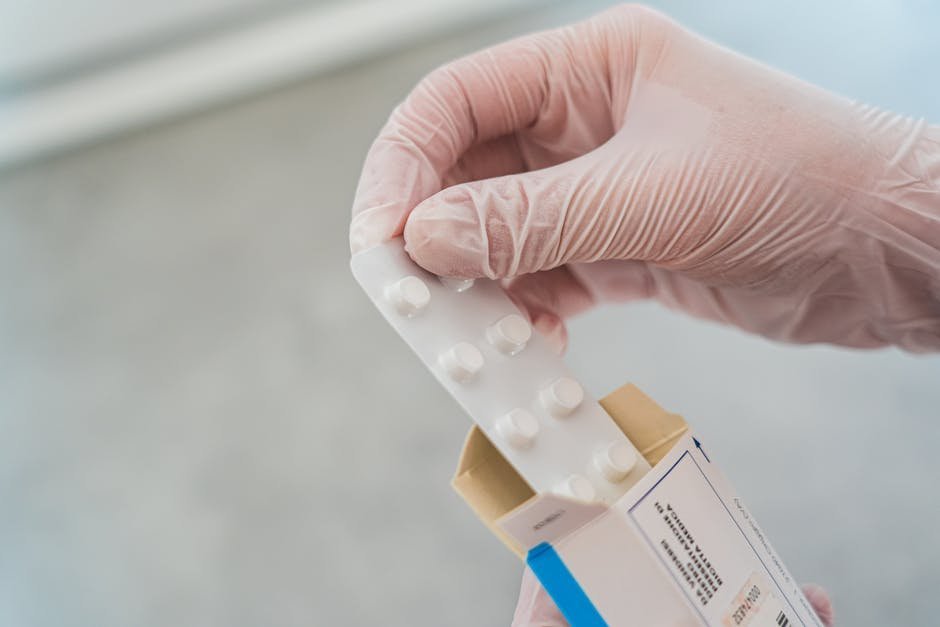
This guide explains how opioid withdrawal differs from withdrawal from alcohol or benzodiazepines, the timelines for short- and long-acting opioids, the assessment tools clinicians use, and the medications that turn the experience into something tolerable. It also explains why rapid detox under anaesthesia is dangerous and why the moment after detox matters most.
How opioid withdrawal differs from alcohol or benzodiazepine withdrawal
The first thing to understand about opioid withdrawal is that, while it is intensely unpleasant, it is rarely fatal in a healthy adult. Unlike alcohol withdrawal, which can produce seizures and delirium tremens, opioid withdrawal does not typically kill people directly. The symptoms — muscle aches, restlessness, gooseflesh, runny nose, abdominal cramping, vomiting, diarrhoea, anxiety, insomnia — are miserable but survivable.
The most serious medical risks are dehydration from vomiting and diarrhoea, aspiration during vomiting, and the secondary risk that a person who completes withdrawal loses tolerance and overdoses on their first relapse. That overdose risk is the central reason modern care no longer treats detoxification as a goal in itself; it is a bridge to ongoing medication treatment.
Timelines: short-acting versus long-acting opioids
The pharmacokinetics of the opioid a person has been using shapes the entire withdrawal timeline. Short-acting opioids leave the system quickly and produce earlier, sharper symptoms. Long-acting opioids leave slowly and produce a longer, lower-grade course.
- Codeine. Onset of symptoms 8 to 24 hours after the last dose, peak at 36 to 72 hours, total course 4 to 7 days. Codeine is metabolised to morphine in the liver, which is why people who lack the relevant enzyme experience little effect from codeine and others (ultra-rapid metabolisers) experience dangerous overdoses.
- Hydrocodone. Onset 6 to 12 hours, peak 36 to 72 hours, total course 4 to 7 days. The most commonly prescribed opioid analgesic in the United States, hydrocodone has a withdrawal profile very similar to codeine.
- Oxycodone (immediate release). Onset 6 to 12 hours, peak 36 to 72 hours, total course 5 to 7 days. Extended-release oxycodone produces a slightly delayed onset and peak.
- Morphine and heroin. Onset 6 to 12 hours, peak 36 to 72 hours, total course 5 to 10 days. Heroin’s withdrawal is essentially the same as morphine’s, although street heroin in 2025 is frequently fentanyl-contaminated, which alters the picture significantly.
- Fentanyl. Pharmaceutical fentanyl has a short half-life and produces sharp early withdrawal, but illicit fentanyl deposits in body fat and produces a longer, more variable course. Onset can be 8 to 24 hours, peak at 36 to 96 hours, with prolonged low-grade symptoms for two to three weeks.
- Methadone. Onset 24 to 48 hours, peak 72 to 96 hours, total course 14 to 21 days. The longest withdrawal of any commonly used opioid, which is why supervised methadone tapers in opioid treatment programs run for months rather than days.
- Buprenorphine. Onset 24 to 72 hours, peak 72 to 120 hours, total course 7 to 14 days. Generally milder than full-agonist withdrawals because of buprenorphine’s partial agonist action.

The Clinical Opiate Withdrawal Scale (COWS)
The Clinical Opiate Withdrawal Scale, or COWS, is the assessment tool used in nearly every American detox setting. A clinician scores eleven items — pulse rate, sweating, restlessness, pupil size, joint and bone aches, runny nose or tearing, gastrointestinal upset, tremor, yawning, anxiety or irritability, and gooseflesh skin — for a total score between zero and forty-eight. A score below five suggests no significant withdrawal. Five to twelve indicates mild withdrawal. Thirteen to twenty-four indicates moderate withdrawal. Twenty-five to thirty-six indicates moderately severe withdrawal. Above thirty-six suggests severe withdrawal.
The score matters because most modern opioid detox protocols use COWS as the trigger for medication. Buprenorphine, in particular, requires the patient to be in objective withdrawal before it is started; giving it too early can precipitate a sudden, intense worsening of withdrawal known as precipitated withdrawal. The traditional rule of thumb is to wait for COWS of at least eight to twelve before initiating buprenorphine.
Buprenorphine induction, including the Bernese method
Buprenorphine is the workhorse of modern opioid detox protocol design, both because it controls withdrawal effectively and because it doubles as the maintenance medication that keeps a person from relapsing afterwards. Standard induction in a person who has been using a short-acting opioid like oxycodone or hydrocodone is straightforward. The patient stops the offending opioid, waits 12 to 24 hours until COWS is at least eight, and then receives an initial buprenorphine dose of two to four milligrams. The dose is repeated every one to two hours as needed to a typical first-day total of eight to sixteen milligrams.
The complication clinicians most often face in 2025 is induction in fentanyl users. Fentanyl’s storage in body fat means a user can be in clear withdrawal at induction and still develop precipitated withdrawal when given a standard buprenorphine dose. The response has been microdosing protocols, the most widely cited being the Bernese method. Originally described at Berne University Hospital, it starts buprenorphine at very low doses (often 0.5 milligrams or lower) while the patient continues the full agonist, and escalates over five to seven days.
Methadone induction in an opioid treatment program
For some patients, methadone is a better fit than buprenorphine, particularly those with very high opioid tolerance, those who have failed buprenorphine in the past, or those with chronic pain that buprenorphine alone cannot manage. Methadone for opioid use disorder can be dispensed only through a federally regulated opioid treatment program (OTP), commonly known as a methadone clinic. The slower induction reflects methadone’s long half-life and the risk of accumulating to toxic levels.
Initial doses are typically twenty to thirty milligrams once daily, with cautious increases over the first one to two weeks as the dose accumulates. Stable maintenance doses range from sixty to one hundred and twenty milligrams daily for most patients, occasionally higher. Detox-only methadone is usually a slow, clinic-supervised taper over weeks to months. Our companion piece on medication-assisted treatment compares the two medications in greater depth.
Clonidine, lofexidine, and the supportive medication menu
For patients who prefer not to start an opioid agonist or who are bridging to long-acting naltrexone, the supportive medication menu can soften withdrawal substantially. Clonidine, an alpha-2 adrenergic agonist originally marketed for hypertension, blunts the autonomic features of withdrawal — the sweating, runny nose, watery eyes, gooseflesh, and elevated heart rate. Typical doses are 0.1 milligrams every four to six hours as tolerated, monitoring for low blood pressure.
Lofexidine, a related alpha-2 agonist approved by the FDA in 2018 specifically for opioid withdrawal, has a similar mechanism with less blood-pressure effect. Supportive care also includes ondansetron for nausea, loperamide for diarrhoea, ibuprofen for muscle aches, and trazodone for sleep. None of these shorten withdrawal; they make the days bearable.

Why rapid detox under anaesthesia is dangerous and discredited
Through the 1990s and early 2000s, several private clinics in the United States and abroad marketed “rapid opioid detox under anaesthesia,” in which patients were sedated for several hours while receiving naltrexone to precipitate and accelerate withdrawal. The marketing promised a one-day experience and a clean bridge to naltrexone treatment. The reality was different. Multiple studies and case series, including a randomised trial published in JAMA in 2005, found that rapid detox under anaesthesia produced no improvement in long-term outcomes, exposed patients to anaesthesia complications including death, and left patients with severe post-anaesthesia withdrawal symptoms that lasted days. The American Society of Addiction Medicine and the federal Substance Abuse and Mental Health Services Administration both advise against the procedure.
If a treatment program is marketing rapid detox under anaesthesia in 2025, that is itself a warning. Reputable programs do not offer it. Our overview of predatory addiction-treatment marketing covers the related red flags.
Neonatal abstinence syndrome (NAS) considerations
Pregnant women with opioid use disorder require a different approach. Detoxification during pregnancy was once routinely recommended; current guidelines from the American College of Obstetricians and Gynecologists and the SAMHSA pregnancy guidelines instead recommend medication-assisted treatment with buprenorphine or methadone throughout pregnancy. Babies born to mothers on these medications often develop neonatal abstinence syndrome (NAS), now sometimes called neonatal opioid withdrawal syndrome (NOWS), which is treated with non-pharmacologic measures (rooming-in, breastfeeding when appropriate, gentle holding) and, when needed, low-dose morphine or buprenorphine for the infant. The treatment of opioid use disorder in pregnancy is one of the clearest cases in modern addiction medicine where stopping the medication is worse for the baby than continuing it.
The bridge to MAT or naltrexone
The most clinically important moment in any opioid detox is what happens at hour seventy-two, when the worst of the withdrawal has passed and the patient leaves the detox unit. The literature on detox-only treatment is unambiguous: relapse rates exceed ninety percent within a year, and overdose deaths in the weeks following detox are a leading cause of opioid-related mortality. Modern protocols therefore treat detox as the entry point to medication treatment, not the destination.
Two bridges are common. The first is direct continuation of buprenorphine after induction, with the patient leaving detox already on the medication that will keep them stable. The second, for patients who prefer not to take an opioid medication, is a transition to extended-release injectable naltrexone, which requires seven to ten days fully off all opioids before the first injection. The National Institute on Drug Abuse resources lay out both pathways in detail. For broader context, our article on stimulant withdrawal compares the opioid picture with the stimulant landscape.
Frequently asked questions
How long does opioid detox take in an inpatient setting?
Inpatient detoxification for short-acting opioids typically lasts three to five days. For long-acting opioids like methadone, inpatient detox can run seven to fourteen days or longer. Most patients then transfer to residential or outpatient treatment for ongoing care.
Can I detox from opioids at home?
Yes, in many cases. Outpatient buprenorphine induction is widely used and effective for healthy adults without significant comorbidities. Patients with serious medical conditions, pregnancy, or co-occurring withdrawal from alcohol or benzodiazepines should detox in a supervised setting.
What is the difference between Suboxone and methadone for detox?
Suboxone is buprenorphine combined with naloxone; it can be prescribed by office-based clinicians and dispensed at any pharmacy. Methadone for opioid use disorder is dispensed only at federally licensed opioid treatment programs and requires daily clinic visits in early treatment. Both are evidence-based; the choice depends on tolerance, prior treatment history, and access.
Will my insurance cover opioid detox?
Most commercial insurance plans cover medically necessary opioid detoxification, though prior authorisation may be required. Medicaid covers detox in nearly every state. Cash-pay rates vary widely, with inpatient detox typically running $5,000 to $20,000 for a five-day stay.
Is it safe to stop opioids cold turkey?
For most healthy adults, opioid withdrawal is not life-threatening, but it is unnecessarily miserable and the relapse risk is very high. Medication-assisted withdrawal with buprenorphine, methadone, or supportive medications is far safer and more effective than going cold turkey alone.
The bottom line
An opioid detox protocol in 2025 is a medical procedure with well-defined timelines, well-validated assessment tools, and well-tested medications. It is also no longer treated as an end in itself. The point of the protocol is to get a patient comfortably across the withdrawal week and onto the medication treatment that will protect them from overdose and relapse for the years ahead. If a program is offering you detox without a clear plan for what comes next, ask why. If a program is offering you rapid detox under anaesthesia, walk out.
If you or someone you love is in immediate crisis or considering harm, call or text 988 to reach the 988 Suicide and Crisis Lifeline. The line operates 24 hours a day in English and Spanish and can connect callers to local detox and addiction treatment services.
This article is for educational purposes only and is not a substitute for medical advice. Opioid withdrawal can be medically complex, and the right protocol depends on the individual’s medical history, the specific opioid involved, and concurrent substance use. Always work with a qualified clinician to plan and supervise detoxification.