Marcus, twenty-three, walked into a corner store in the Bronx on a humid July afternoon and bought a small foil packet labeled “AK-47 herbal incense.” Twenty minutes later, his cousin found him on the sidewalk outside, frozen in a half-crouch, eyes locked open, drool tracking down his chin. He could not answer his name. By the time paramedics arrived, his temperature read 104.2, his heart was hammering at 168, and he had begun to seize. The ER team in Lincoln Hospital had seen this play out fifty times that summer alone, the year a single bad batch turned several blocks of East 125th Street into what reporters called a “zombie wave.” Marcus survived. Two of the men he had bought from that month did not. What Marcus had smoked was not weed. It was a synthetic cannabinoid, a lab-engineered chemical sprayed onto plant material, and the difference between it and cannabis is the difference between a candle and a flamethrower. This guide walks through what families and patients need to know about K2 spice overdose treatment, why standard reversal drugs do not work, and how aftercare actually unfolds once the ER stabilizes someone.
Why Synthetic Cannabinoids Are Not “Fake Weed”
The marketing on these packets is a lie. Names like K2, Spice, Scooby Snax, AK-47, and Mr. Happy suggest a mellow alternative to cannabis. The chemistry tells a different story. Natural THC is a partial agonist at the CB1 receptor, meaning even a heavy dose maxes out at a ceiling effect. Synthetic cannabinoids, including JWH-018, AKB48, and MDMB-CHMICA, are full agonists. They bind harder, activate longer, and have no built-in ceiling.
Potency varies wildly between batches and even within a single packet. Manufacturers dissolve the powder in acetone or alcohol and spray it onto damiana leaf or whatever plant matter they have. The spray is uneven. One pinch from the bag might contain a trace dose. The next pinch might contain ten times the lethal threshold. There is no quality control. K2 spice overdose treatment exists because the drug itself was engineered without the chemical guardrails that nature put on cannabis.
What an Acute Reaction Looks Like
Emergency physicians describe the presentation as polymorphic, which is a clinical way of saying it can look like almost anything. The most common picture is severe agitation paired with psychosis. The patient is awake but disconnected, sometimes mute, sometimes screaming, often violent. They may strip their clothes. They may run into traffic. They may stare for thirty minutes at a wall. Hallucinations are typically frightening rather than pleasant. Paranoid delusions are routine.
The body breaks alongside the mind. Heart rates above 150 are normal in young users. Blood pressures crest 200/120. Body temperature climbs to 104 or higher. Seizures occur in roughly one in ten serious cases. Acute kidney injury follows, sometimes severe enough to require dialysis. There is a separate cluster of patients who arrive instead in deep sedation, eyes closed, barely breathing, looking like an opioid overdose. This is the trap.
Why Naloxone Does Not Work
If you find someone unresponsive after smoking what you suspect was K2 or Spice, naloxone will not reverse them. Synthetic cannabinoids do not act at opioid receptors. They act at cannabinoid receptors, which have no antagonist available in any pharmacy or first responder kit. There is no Narcan equivalent. Bystanders who give naloxone anyway are not making a mistake, because polysubstance use is common and many synthetic packets have been laced with fentanyl or other opioids in recent years. Give the naloxone if you are unsure. Just understand that if it does not work, the person is not faking. They need an ambulance and they need it now.
The myth that “weed is harmless, so fake weed must be too” has cost lives. With synthetics, that wait can mean an unwitnessed seizure, a breathing pattern that quietly stops, or a temperature that cooks organs while the person looks merely tired.
How the ER Actually Treats It
Treatment is supportive and aggressive. There is no antidote, so the team controls each symptom in parallel. The first move is almost always benzodiazepines, usually IV lorazepam or midazolam, in doses larger than someone unfamiliar with the drug class would expect. Five to ten milligrams of lorazepam in the first hour is not unusual. The benzodiazepines calm the agitation, lower the heart rate, drop the blood pressure, and pull the temperature down by stopping the muscle activity that was driving heat production. They also break seizures.
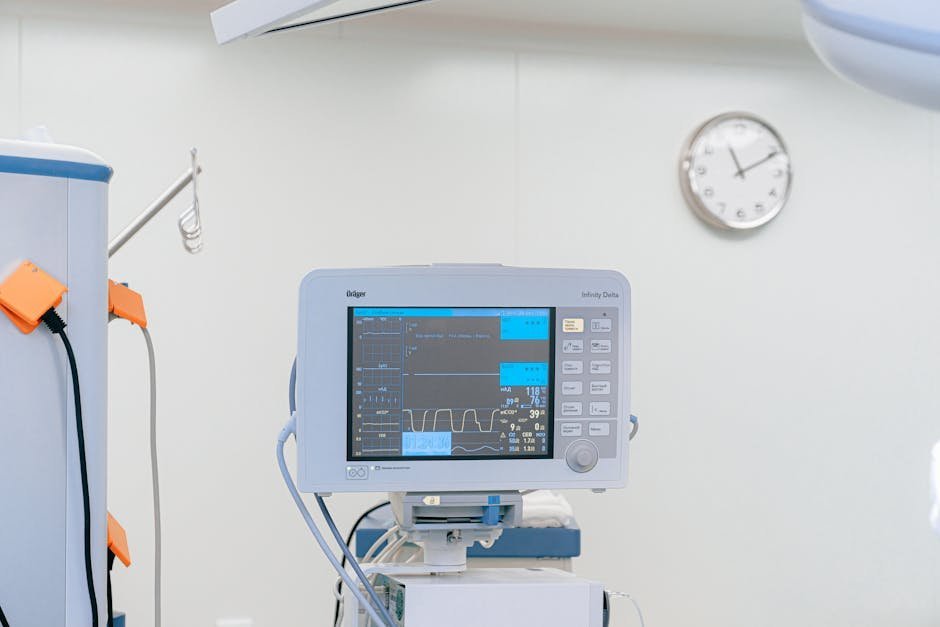
If sedation alone is not enough, antipsychotics enter the picture. Haloperidol or olanzapine help with active psychosis, although clinicians watch for QT prolongation and avoid haloperidol in patients already running hot. Severe hyperthermia gets ice packs to the groin and axillae, evaporative cooling with a fan and misted skin, and cold IV fluids. Patients are monitored on telemetry for cardiac arrhythmias, with frequent labs to track creatinine, CK for rhabdomyolysis, and electrolytes. The most agitated patients sometimes require intubation and deep sedation in the ICU, simply to keep them from injuring themselves or staff. Recovery from a serious episode often takes 24 to 72 hours of monitored care. Patients who need a structured next step after stabilization sometimes flow into a stimulant-style detox program because the agitated, hyperadrenergic picture is closer to meth withdrawal than to cannabis withdrawal.
The “Zombie Outbreak” Pattern and Why Cities Cluster
July 12, 2016, in a single block radius around the Myrtle-Broadway subway in Brooklyn, thirty-three people collapsed within hours. Reporters called it a zombie outbreak. The chemistry was AMB-FUBINACA, a synthetic cannabinoid roughly 85 times more potent than THC. Similar mass-casualty days hit Lancaster Pennsylvania, New Haven Connecticut, Washington DC, and Chicago Illinois between 2015 and 2018. A single supplier, a single batch, dozens of patients in one ER on one shift.
These clusters happen because the supply chain is concentrated. The product is cheap, three to ten dollars a packet, and it appeals heavily to people who face mandatory drug testing because most standard urine screens cannot detect it. Someone on probation, in a sober living house, or working a job with random panels may turn to synthetics specifically because they will pass.
Why Drug Screens Miss Synthetics
A standard 5-panel or 10-panel urine test looks for THC-COOH, the metabolite of natural cannabis. Synthetic cannabinoids do not produce that metabolite. They have completely different chemical structures and break down into different byproducts. Specialty labs can test for some synthetics, but only the ones already known and only if specifically ordered. Manufacturers routinely tweak the molecule to stay one step ahead. By the time a lab develops an assay for AKB48, the supply has shifted to MDMB-CHMICA, then to ADB-FUBINACA, then to something with no public name yet.
This matters for clinical care because a negative drug screen does not rule out synthetic cannabinoid use. ER staff should treat the clinical picture, not the screen. It also matters for accountability. A person leaving inpatient rehab who relapses on K2 may pass every test the program orders. Honest self-report becomes the only reliable signal, and that requires a therapeutic relationship strong enough to make honesty feel survivable. People in long-term recovery navigating menopause and other life transitions sometimes face this trap when other coping skills fall short.
Aftercare for Cannabinoid Use Disorder
Once a patient leaves the ER, the next 30 days set the trajectory. Cannabinoid use disorder meets DSM-5 criteria for substance use disorder when it is causing harm and the person cannot stop. Withdrawal from synthetics is more intense than withdrawal from cannabis. Insomnia is severe and can last weeks. Anxiety, irritability, and depressed mood are common for the first month. There is no FDA-approved medication for cannabinoid use disorder, but clinicians sometimes use mirtazapine or gabapentin off-label.
Behavioral treatment is the spine. Cognitive behavioral therapy and contingency management have the strongest evidence. Group treatment helps with the social isolation that often pushed someone toward synthetics in the first place. Some patients are dealing with underlying schizophrenia spectrum illness that the cannabinoids unmasked, and they need linkage to long-term psychiatric care, not just substance counseling. A guide on finding the right level of care after a psychiatric crisis can help families think through that triage.

What Families Should Do in the First Hour
If you find someone reacting badly to K2 or Spice, do not try to talk them down alone. Call 911. Tell the dispatcher exactly what was used if you know, and bring any packaging to the ER, even crumpled foil. The label name and the lot number help the toxicologist target supportive care. Do not give food or water if the person is not fully alert. Do not let them drive. Do not let them “walk it off” outside in summer heat or winter cold, because thermoregulation is one of the systems the drug breaks. If they are agitated, clear hard objects from the room and stand at a distance. If they are unresponsive, place them on their side in the recovery position and stay with them. Authoritative information about emerging synthetic threats is published by the U.S. Drug Enforcement Administration, and treatment locator help is available through SAMHSA.
Frequently Asked Questions
Will my insurance cover ER care for K2 reactions?
Yes. Acute medical stabilization for any drug emergency is covered under the emergency services provisions of every major plan, including Medicaid, Medicare, and private insurance. You cannot be denied care or balance-billed for the ER itself under federal law, although follow-up admissions may require prior authorization. Document everything and ask the hospital social worker to help with paperwork before discharge.
Can someone be permanently psychotic after one bad batch?
It happens but it is uncommon. Most acute psychotic symptoms resolve within 72 hours of the last use. A subset of patients, usually those with a personal or family history of psychosis or mood disorder, develop persistent symptoms requiring antipsychotic treatment. Early follow-up with a psychiatrist within 1 to 2 weeks of the ER visit catches these cases.
Are CBD products safe? Could they be contaminated?
Legitimate, third-party-tested CBD products from licensed dispensaries do not contain synthetic cannabinoids. The risk lives in unregulated CBD vape cartridges and gummies sold at gas stations and smoke shops. Several outbreaks of synthetic cannabinoid poisoning have been traced to products labeled as CBD. If you use CBD, buy only from sellers who publish independent lab reports.
How long does someone need to stay clean before kidneys recover?
Acute kidney injury from synthetic cannabinoids is usually reversible if the person stops using and gets adequate hydration and follow-up. Creatinine typically returns to baseline within 4 to 8 weeks. A small number of patients have residual chronic kidney disease, especially those who had multiple episodes or required dialysis. Repeat labs at 1 month and 3 months post-ER visit are standard.
What do I do if my teenager admits to trying it?
Stay calm. Punishment-based responses push the behavior underground. Get a same-week appointment with an adolescent addiction medicine specialist or a child psychiatrist. Ask specifically about co-occurring depression and anxiety, because synthetics often serve as self-medication. Lock up cash and gift cards in the short term, because that is the currency of the smoke shop economy. Most teens who try synthetics once and have a frightening experience never use again, but they need a place to talk about it without shame.
The Bottom Line
Synthetic cannabinoids are not cannabis. They are full-agonist receptor bombs with no meaningful quality control, no reliable detection, and no antidote. K2 spice overdose treatment in the ER focuses on aggressive symptom control with benzodiazepines, antipsychotics, cooling, and IV fluids, while ICU care handles the most severe presentations. Naloxone does not reverse them, although giving it for an unclear overdose is still reasonable because polysubstance contamination is common. Aftercare requires honest assessment of cannabinoid use disorder, behavioral treatment, and psychiatric follow-up to catch any unmasked illness. Families and friends save lives by calling 911 fast, bringing packaging to the ER, and refusing to wait it out.
988 Reference
If you or someone you know is in suicidal crisis or experiencing severe psychiatric symptoms after substance use, call or text 988 to reach the Suicide and Crisis Lifeline. For an active medical emergency such as seizure, unresponsiveness, or severe agitation, call 911 first.
Disclaimer: This article is for general educational purposes and does not replace medical advice from a licensed clinician. Treatment of synthetic cannabinoid emergencies and substance use disorders should always be guided by qualified medical and behavioral health professionals familiar with your individual history.