Marcus was twenty-eight, an investment associate in Chicago, when he collapsed on a Friday night at a friend’s loft party in River North. He had been doing lines off and on for eighteen months, mostly weekends, never thinking of himself as having a problem. Around 2am he stood up to refill a drink, said he felt his heart hammering, and went grey. His friend, who happened to be a third-year internal medicine resident, recognised what was happening and called 911 with one hand while pushing Marcus into the recovery position with the other. By the time the paramedics arrived, Marcus was conscious but his blood pressure was 220 over 130, his heart rate was 168, and he was complaining of crushing chest pain. The ER team in the small community hospital ran his EKG, saw ST depression in the lateral leads, drew troponins, and started him on IV benzodiazepines and saline. They did not give the beta-blocker the medic had suggested. That single decision, made by a senior attending who had seen this exact picture before, was probably what kept Marcus alive. Effective cocaine overdose treatment is not the simple wash-and-discharge cocaine intoxication is sometimes assumed to be.
The pathophysiology of cocaine toxicity
Cocaine is a sympathomimetic drug. It blocks the reuptake of norepinephrine, dopamine, and serotonin at the synaptic cleft, leaving these neurotransmitters circulating in concentrations the body did not evolve to handle. The cardiovascular result is profound. Heart rate accelerates. Peripheral vasoconstriction drives blood pressure into hypertensive emergency range. Coronary arteries narrow, sometimes to the point of frank ischemia even in patients with no underlying coronary disease. Body temperature climbs because heat dissipation drops while metabolic rate skyrockets. Seizures can break through when the central nervous system stimulant load overwhelms inhibitory systems. The toxic syndrome is recognisable on bedside exam within seconds: hypertension, tachycardia, agitation, dilated pupils, diaphoresis, hyperthermia.
The reason effective cocaine overdose treatment looks different from other overdose syndromes is that the patient is dying from sympathetic excess, not from sedation. Reversal agents do not exist. The therapeutic strategy is to dampen the sympathetic storm with sedation while supporting the heart and brain through the toxic period.
The recognition triad in the ER
The classic ER recognition triad is hypertension, tachycardia, and agitation in a patient who admits to or is suspected of recent stimulant use. Pupils are typically dilated. Skin is hot and wet. Reflexes are brisk. The patient may complain of chest pain, palpitations, headache, anxiety that feels like impending doom, or a sense that the heart is going to explode. Mental status varies from anxious but oriented to frankly psychotic with paranoid delusions and tactile hallucinations.
Differential diagnosis matters. Sympathomimetic toxicity can also be caused by methamphetamine, MDMA, synthetic cathinones, PCP at high doses, and serotonin syndrome from medication interactions. Withdrawal from sedatives, particularly alcohol or benzodiazepines, looks similar. The history and a urine drug screen narrow the picture, but treatment is initiated based on syndrome recognition because confirmatory testing takes too long.
First-line treatment: benzodiazepines, not beta-blockers
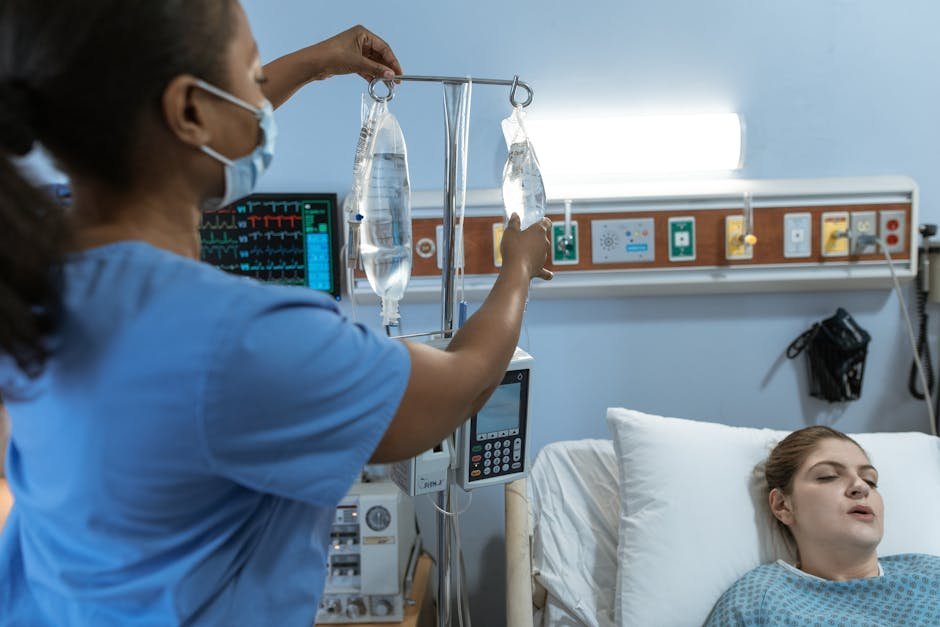
Intravenous benzodiazepines are the cornerstone of acute management. Lorazepam 2 to 4mg IV, diazepam 5 to 10mg IV, or midazolam 2 to 5mg IV are titrated to effect every 5 to 10 minutes until heart rate, blood pressure, and agitation respond. The dose required is often surprising to clinicians who do not see this regularly. Patients in severe sympathetic storm may require 20 to 40mg of lorazepam equivalent in the first hour. Sedation also reduces seizure risk and lowers core temperature passively by reducing motor activity.
Beta-blockers are traditionally taught to be avoided in cocaine toxicity because of the unopposed alpha-adrenergic effect. The theory is that blocking beta receptors leaves the alpha-mediated vasoconstriction unchallenged, potentially worsening coronary spasm and hypertension. Recent retrospective data has questioned the strength of this contraindication, particularly for mixed alpha-beta blockers like labetalol. Most ER protocols still avoid pure beta-blockers like metoprolol in the acute phase. Phentolamine, an alpha-blocker, is sometimes added for refractory hypertension. Nitroglycerin treats coronary spasm. Calcium channel blockers are useful adjuncts.
IV crystalloid fluid supports preload and helps with rhabdomyolysis prevention if the patient has been agitated and overheated. Active cooling with ice packs to the groin and axillae, evaporative cooling, and cooled IV fluids treats hyperthermia above 39 to 40 degrees Celsius. Sustained core temperatures above 41 degrees are a true medical emergency with mortality climbing rapidly.
The cocaine cardiac event paradox in young adults
One of the most important shifts in ER cardiology over the last two decades is the recognition that cocaine causes myocardial infarction in young adults with otherwise clean coronary arteries. The classic teaching that chest pain in a 28-year-old without risk factors is rarely cardiac fails entirely in the cocaine population. Up to 6 percent of patients presenting to ERs with cocaine-associated chest pain have evidence of myocardial infarction. The mechanism is multifactorial: coronary vasospasm, accelerated atherosclerosis from chronic use, increased platelet aggregation, increased myocardial oxygen demand from tachycardia and hypertension.
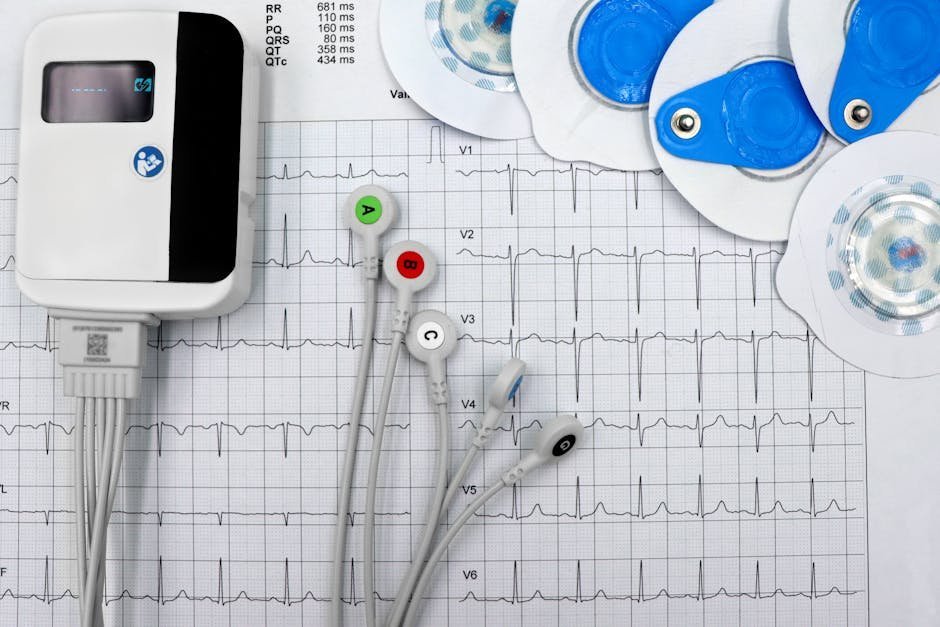
Every patient with cocaine-associated chest pain gets an EKG within 10 minutes of arrival, troponin measurement at presentation and again at 3 and 6 hours, and continuous cardiac monitoring. ST elevation triggers urgent cardiology consultation and consideration of cardiac catheterisation. ST depression and elevated troponins indicate non-ST elevation MI and warrant aggressive medical management with antiplatelet therapy, anticoagulation, and admission to a monitored bed. The treating philosophy is that chest pain in the setting of cocaine is acute coronary syndrome until proven otherwise, regardless of patient age.
Why “wash out and discharge” is the wrong move
The temptation in busy ERs is to treat the acute agitation, watch the patient until vitals normalise over a few hours, and discharge once the high has worn off. This is a mistake for any patient with chest pain, EKG changes, or troponin elevation. Cocaine-associated cardiac toxicity has a delayed presentation pattern. Some patients have a second cardiac event 8 to 24 hours after initial stabilisation, particularly when the drug is metabolised down to cocaethylene if alcohol was on board. The standard recommendation is 9 to 12 hours of observation with serial troponins and continuous monitoring for any patient with chest pain, and 24 hours for any patient with documented ischemia.
Patients without chest pain, with normal initial workup, can sometimes be discharged after 4 to 6 hours of observation if vitals have normalised and the patient is alert, oriented, and able to make a safe disposition plan. Even these patients benefit from a documented psychiatric assessment and substance use referral before they walk out. Our overview of stimulant withdrawal management walks through the post-acute phase that begins as soon as the toxic phase resolves.
Post-crisis psychiatric assessment
The ER psychiatric assessment after a cocaine overdose has three goals. First, screen for suicidal intent. Some overdoses are intentional, and the patient who survives an attempt has a substantially elevated risk of completed suicide in the next year. Second, assess the substance use disorder severity. The DSM-5-TR criteria for stimulant use disorder include impaired control, social impairment, risky use, and pharmacological criteria including tolerance and withdrawal. Most patients presenting with overdose meet criteria for severe stimulant use disorder, though they often resist the label.
Third, deliver a brief intervention and warm handoff to outpatient or residential treatment. The evidence for ER-based brief intervention in stimulant use disorder is mixed but warm handoff with same-day or next-day appointment scheduling significantly improves treatment engagement. The patient who leaves the ER with an appointment time and a phone number for a peer recovery specialist is meaningfully more likely to show up to treatment than the one who leaves with a paper referral.
MAT options for cocaine use disorder
The honest disclosure for patients and families is that no medication is FDA approved for the treatment of cocaine use disorder. This is not because the field has not tried. Decades of trials have looked at modafinil, bupropion, topiramate, disulfiram, and naltrexone. Modest signals exist in subgroups, but no medication has earned approval. Compare this to opioid use disorder, where buprenorphine and methadone produce dramatic mortality reductions, and our overview of methadone versus buprenorphine covers those medications in detail.
The behavioural intervention with the strongest evidence for stimulant use disorder is contingency management. The structure is straightforward: patients receive vouchers, prizes, or gift cards of escalating value for negative urine drug screens. The reward schedule is designed to maximise behavioural reinforcement of abstinence. Trials have repeatedly shown that contingency management outperforms standard counselling, motivational interviewing, and twelve-step facilitation for stimulants. Implementation in the US has been slow because of regulatory and funding barriers, but Medicaid in several states now reimburses contingency management programs and Veterans Affairs has rolled it out nationally.

Specialised stimulant rehab and aftercare
Residential rehab for stimulant use disorder typically runs 28 to 90 days. The therapeutic content centres on cognitive behavioural therapy adapted for stimulant relapse prevention, contingency management when available, family therapy, and structured peer support. Trauma-focused therapy is often integrated because rates of childhood adversity and PTSD in patients with severe stimulant use disorder are high. Co-occurring conditions including ADHD, depression, and anxiety disorders are common and require simultaneous treatment.
Aftercare matters more than the residential phase for long-term outcomes. The patient who leaves rehab without a clear outpatient plan, sober support network, and stable housing relapses at high rates within the first 90 days. Programs that include 12 months of structured aftercare with weekly check-ins, contingency management, and peer recovery support produce abstinence rates that approach those seen for opioid agonist therapy in opioid use disorder. The National Institute on Drug Abuse maintains a current overview of cocaine and stimulant treatment evidence at nida.nih.gov. Overdose epidemiology and prevention guidance is published by the CDC at cdc.gov.
Naloxone and the fentanyl-cocaine crossover
One of the most dangerous developments in the cocaine supply over the last five years has been adulteration with fentanyl. Patients who think they are using cocaine alone are increasingly exposed to lethal fentanyl doses, often without their knowledge. ERs are now seeing mixed cocaine-opioid presentations: tachycardia and agitation from cocaine, but also respiratory depression and sedation from fentanyl. Naloxone reversal works on the opioid component. Our piece on naloxone distribution and use covers the practical mechanics of administration.
Public health departments now recommend that everyone who uses cocaine, even occasionally, carry naloxone and use fentanyl test strips on their supply. Harm reduction programs distribute both for free in many cities. The evidence is clear that this combination reduces overdose mortality without increasing drug use rates.
Frequently asked questions
Can I refuse hospital admission after a cocaine overdose?
An adult with capacity has the legal right to refuse admission, but if you have any chest pain, EKG changes, or elevated troponin, leaving against medical advice in the next 24 hours carries real risk of a second cardiac event. The ER team should explain the specific findings and document a capacity assessment.
Why did the ER not give me a beta-blocker for my fast heart rate?
Pure beta-blockers are traditionally avoided in acute cocaine toxicity because they may worsen coronary vasospasm. Benzodiazepines lower heart rate and blood pressure indirectly by reducing sympathetic activity, which is the safer first-line approach.
Is contingency management really better than 12-step for cocaine?
For abstinence outcomes during active treatment, yes, contingency management has stronger evidence than 12-step facilitation alone for stimulant use disorders. Combining the two is reasonable. Long-term outcomes depend heavily on aftercare regardless of the initial modality.
How likely am I to have lasting heart damage from one overdose?
Most patients who survive a single cocaine overdose without documented MI recover cardiac function fully. Repeated use, however, accelerates atherosclerosis and produces structural cardiomyopathy in a subset of users. A cardiology follow-up at 4 to 6 weeks with echocardiogram is reasonable after any significant cocaine cardiac event.
What does the 24-hour observation actually involve?
Continuous cardiac monitoring on a telemetry floor, serial troponins, repeat EKGs if symptoms recur, and a psychiatric consultation. Most patients are off IV medications by hour 6 to 12 and discharged at hour 24 with follow-up appointments scheduled.
The bottom line
Cocaine overdose is a sympathomimetic emergency that kills young, otherwise healthy adults through cardiac ischemia, arrhythmia, hyperthermia, and seizure. The ER strategy is benzodiazepines first, supportive care, treating chest pain as ACS, and a 24-hour observation window for cardiac toxicity. The discharge plan is the actual treatment plan: psychiatric assessment, contingency management referral, naloxone in hand, and a same-day appointment for outpatient or residential care. Survivors who receive that integrated plan do well. Those who get discharged with a paper referral do not.
If you are in immediate emotional crisis or thinking about suicide, call or text 988 to reach the Suicide and Crisis Lifeline. Trained counsellors are available 24/7 and the call is free and confidential.
This article is for educational purposes only and does not constitute medical advice. Always consult a licensed emergency physician, cardiologist, or addiction medicine specialist for diagnosis and treatment of cocaine toxicity and stimulant use disorder.