Hannah was nineteen, a sophomore at a state university in Pittsburgh, when her roommate found her unresponsive on the dorm room floor at 2:30am on a Sunday. An empty bottle of acetaminophen was on the desk. The roommate called 911, then called Hannah’s mother in Erie. By the time Linda arrived at the hospital five hours later, Hannah had been intubated, transferred to the ICU, and started on N-acetylcysteine. Her acetaminophen level had been in the toxic range. Her transaminases were climbing. The hepatologist consulted at hour eight had given her a 70 percent chance of avoiding liver transplant. The psychiatry team had not been able to talk with her yet because she was sedated. Linda sat in the family lounge of the medical ICU and waited. The next thirty days, she did not yet know, would involve medical stabilisation, an automatic psychiatric hold, transfer to an inpatient psych unit, and a long series of conversations about lethal means restriction that nobody in her family had ever expected to have. The clinical pathway after an overdose suicide attempt is structured but exhausting, and families need to know what to expect.
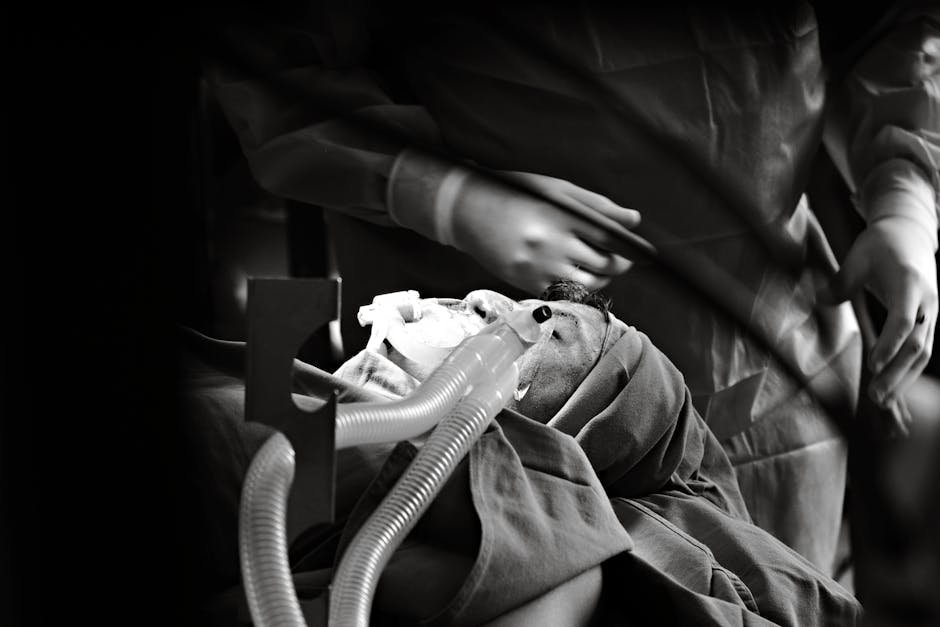
Medical stabilisation by drug class
The first phase after an overdose suicide attempt is medical stabilisation, and the protocol depends entirely on what was ingested. The toxicologic differential drives the treatment plan, and the ER staff makes initial decisions based on history from family or first responders, the contents of the home or scene, and toxicology screens. The most common ingestions in suicide attempts include acetaminophen, benzodiazepines, opioids, SSRIs and SNRIs, beta-blockers, calcium channel blockers, tricyclic antidepressants, and combinations of the above.
Acetaminophen overdose is treated with N-acetylcysteine, ideally started within 8 hours of ingestion to prevent fulminant hepatic failure. The dosing nomogram from the Rumack-Matthew curve guides decisions about whether to continue treatment based on serum levels and time since ingestion. Late-presenting cases sometimes proceed to liver transplant evaluation when the King’s College criteria for fulminant failure are met. Benzodiazepine overdose rarely requires antagonist treatment. Flumazenil reverses sedation but can precipitate seizures in patients with chronic benzodiazepine use, so it is reserved for selected cases.
Opioid overdose responds to naloxone, often requiring multiple doses for fentanyl-laced or co-ingested products. SSRI and SNRI overdoses can produce serotonin syndrome with hyperthermia, autonomic instability, and neuromuscular hyperactivity, treated with cooling, benzodiazepines, and cyproheptadine in severe cases. Beta-blocker toxicity is treated with glucagon, high-dose insulin and dextrose, and intravenous lipid emulsion in refractory cases. Tricyclic antidepressant overdose with QRS widening responds to sodium bicarbonate. Calcium channel blocker overdose mirrors beta-blocker treatment with calcium gluconate, glucagon, and high-dose insulin.
The automatic psychiatric hold
In most US states, a suicide attempt by overdose triggers an automatic psychiatric hold once the patient is medically stable and able to be evaluated. The hold is initiated by the treating physician, by an emergency psychiatrist, or by a designated mental health professional depending on state law. In California it is a 5150. In New York it is an emergency admission under section 9.39. Other states have analogous statutes. The duration is typically 72 hours, during which the patient is evaluated for ongoing danger to self.
The patient cannot leave during the hold period without medical clearance, even if they say they no longer want to die. This is intentional. Suicidal ideation can fluctuate within hours, and the period immediately after a serious attempt is high-risk for re-attempt. Our overview of how a psychiatric hold works covers the legal and clinical mechanics in more detail. Families often misunderstand the hold as punitive or restrictive. It is structured to provide medical safety while underlying psychiatric assessment proceeds.
Transfer from medical floor to psych unit
The transfer from the medical or ICU bed to an inpatient psychiatric unit happens once medical clearance is documented. Medical clearance generally means stable vitals for 24 hours, normal mental status, ability to take oral medications, no ongoing medical instability, and lab values returning toward baseline. For acetaminophen overdose this often means waiting until liver enzymes peak and begin to fall, which can take 4 to 7 days. For other ingestions, transfer is often possible within 24 to 48 hours.
The psychiatric unit admission typically lasts 5 to 10 days. The patient receives a comprehensive psychiatric assessment, medication initiation or adjustment, individual and group therapy, family involvement when appropriate, and discharge planning that includes outpatient psychiatry, therapy, and crisis resources. Specialty psychiatric units exist for adolescents, geriatric patients, dual diagnosis, and personality disorder treatment. Most general adult units handle the majority of post-attempt admissions.

Family communication during the medical phase
Families navigating the medical phase after a serious overdose attempt often feel locked out of clinical decision-making. The medical team focuses on the patient. The patient is sedated or intubated and cannot consent to information sharing. HIPAA protections mean clinicians may share less than families want. Some clinicians are uncomfortable discussing prognosis or psychiatric implications with family while the patient cannot participate. The result is families sitting in waiting rooms with limited information for hours or days.
The framework that helps is structured family meetings every 24 hours during the ICU phase. The medical team, social work, and chaplaincy if requested meet with family to update on medical status, anticipated next steps, and what families can do. Once the patient regains capacity, they can authorise specific information sharing or family involvement in care. Some patients want family heavily involved. Some want minimal involvement. Both are legitimate choices and the team should follow the patient’s preference.
Lethal means restriction conversations
One of the most evidence-based interventions in suicide prevention is lethal means restriction. The premise is straightforward: most suicide attempts are impulsive, the time between decision and action is often less than an hour, and the lethality of the attempt depends heavily on the method. Restricting access to lethal means during the high-risk period after an attempt substantially reduces re-attempt mortality.
The conversation is usually led by social work or psychiatry on the inpatient unit and continues with family in discharge planning. For overdose attempts, the practical steps include removing all unnecessary medications from the home, locking required medications in a key-controlled box, dispensing prescription medications in 7 to 14 day supplies rather than 30 to 90 day, and using a single pharmacy that can flag overlapping prescriptions. For firearms, the recommendation is removal from the home for at least 6 months, ideally to a relative or to law enforcement temporary storage. For other methods, situation-specific risk reduction.
The Stanley-Brown safety plan
The Stanley-Brown Safety Planning Intervention is a structured collaborative tool developed by Barbara Stanley and Gregory Brown that has become the standard of care for post-attempt discharge planning. The plan has six elements: warning signs, internal coping strategies, social contacts and settings that provide distraction, people to ask for help, professionals and agencies to contact, and means restriction. The patient and clinician complete it together. The patient leaves with a written copy, ideally in their wallet or phone.
Randomised trials have shown the safety planning intervention reduces suicidal behaviours and increases mental health treatment engagement compared to standard discharge. The plan is not a no-suicide contract, which has no evidence and has been largely abandoned. The safety plan is an actionable, individualised tool the patient uses during high-risk moments. Our piece on suicide prevention basics covers the framework in more depth.
Caring Contacts and follow-up call programs
One of the most cost-effective interventions in post-attempt care is the Caring Contacts program, originally developed by Jerome Motto in the 1970s. The intervention is brief: brief letters or messages sent at intervals over the year following discharge expressing concern and care, without therapeutic content or appointment requirements. Modern versions use text messages and emails. Trials have repeatedly shown reduction in re-attempt and suicide mortality with this minimal contact approach.
Programs that combine Caring Contacts with structured outpatient follow-up calls in the first 30, 60, and 90 days post-discharge produce stronger outcomes than either alone. The model works because high-risk patients in early outpatient recovery often disengage from care, miss appointments, and slip back into isolation. Brief, non-demanding contacts maintain the connection without requiring action. Many academic hospital systems and progressive community health centres have implemented these programs as standard post-discharge protocol.

What families bring to discharge planning
Family involvement at discharge is one of the strongest protective factors against re-attempt in the first 90 days. The role is concrete: implementing the lethal means restriction plan, supporting medication adherence, accompanying the patient to the first outpatient appointments, watching for warning signs, and maintaining a non-judgmental relationship that the patient can lean on. Family members often need their own support during this period because the experience of nearly losing a loved one is itself traumatic.
Family education during the inpatient phase covers what to expect after discharge, how to talk about suicide directly without fear of provoking it (the data is clear that direct conversation does not increase risk), how to notice warning signs, when to call the outpatient team or 988, and when to bring the patient back to the ER. The American Foundation for Suicide Prevention publishes family resources, and the National Institute of Mental Health maintains evidence-based information at nimh.nih.gov. The Suicide Prevention Resource Centre publishes clinical and family-facing guidance at sprc.org.
Outpatient care after psychiatric discharge
The first appointment after discharge from a psychiatric unit should occur within 7 days. This standard is part of HEDIS quality measures and is a meaningful predictor of outcome. Most discharge plans include a psychiatrist appointment within 7 days, a therapist appointment within 7 to 14 days, and follow-up calls from a care manager. Some patients step down through partial hospitalisation programs, which provide intensive day treatment 5 days per week for 2 to 4 weeks before transitioning to standard outpatient.
The medication phase often involves SSRI or SNRI initiation if depression was the primary driver, lithium or other mood stabilisers for bipolar depression, antipsychotics if psychotic features were present, and treatment of any co-occurring substance use disorder. Therapy modalities with evidence for suicidal patients include cognitive therapy for suicide prevention, dialectical behaviour therapy, and collaborative assessment and management of suicidality. Our overview of life after a psychiatric ER visit walks through what families and patients can expect in the weeks after discharge.
Frequently asked questions
How long will my loved one be in the hospital after an overdose?
Medical phase typically 2 to 7 days depending on what was ingested and how the body recovers. Psychiatric phase typically 5 to 10 days. Total hospitalisation often 7 to 14 days for serious overdose attempts.
Can I bring my loved one home before the psychiatric hold ends?
No. The psychiatric hold can only be discontinued by the treating psychiatrist when the patient meets safety criteria. Family preferences do not override the medical and legal framework. Most holds end when the team agrees on a safe discharge plan.
Should we lock up all medications at home?
Yes. Lethal means restriction is one of the most evidence-based interventions in suicide prevention. Removing or locking medications, even over-the-counter ones in large quantities, substantially reduces re-attempt risk during the high-risk period.
Will my loved one need to be in the hospital again?
Some patients require additional hospitalisations during recovery, particularly if depression remains severe or new symptoms emerge. The trajectory varies. Strong outpatient engagement and family support reduce the likelihood of return admissions.
Is talking about suicide going to make it worse?
No. The research is consistent that direct, non-judgmental conversation about suicidal thoughts does not increase risk and is a protective factor. Families and clinicians should ask directly about suicide rather than avoid the topic.
The bottom line
The pathway after an overdose suicide attempt is structured: medical stabilisation by drug class, automatic psychiatric hold, transfer to inpatient psych, comprehensive evaluation and treatment initiation, discharge with lethal means restriction, Stanley-Brown safety plan, and 7-day follow-up. Caring Contacts programs and family involvement reduce re-attempt risk in the high-risk year that follows. Families navigating this for the first time should know that the medical and psychiatric system is built to handle this exact situation, that the steps unfold over weeks rather than hours, and that the patient who receives evidence-based post-attempt care has meaningfully better outcomes than the patient who does not.
If you are in immediate emotional crisis or thinking about suicide, call or text 988 to reach the Suicide and Crisis Lifeline. Trained counsellors are available 24/7 and the call is free and confidential.
This article is for educational purposes only and does not constitute medical advice. Always consult a licensed emergency physician, toxicologist, psychiatrist, or therapist for diagnosis and treatment of overdose, suicidal ideation, and post-attempt recovery.