Devon, a 34-year-old emergency department nurse in Portland, Oregon, came home from a difficult overnight shift in early 2025 and could not stop replaying a pediatric code. Her therapist had suggested grounding techniques, but the racing thoughts overwhelmed five-finger breathing. A coworker handed her a half-finished granny square and a hook the next week, and something happened. The repetitive yarn-over, pull-through rhythm slowed her breathing without her trying. She finished a small blanket over four shifts. By summer, she was carrying a project bag everywhere and noticing that her startle response in the parking lot at 7 a.m. had eased. She did not stop therapy or her SSRI. She added a craft, and the craft did something her medication and talk sessions could not quite touch on its own. Devon’s experience echoes what UK occupational therapist Betsan Corkhill and her Stitchlinks research group have been documenting for nearly two decades: the rhythmic hand motions of yarn craft seem to have a measurable nervous system effect that goes beyond simple distraction.
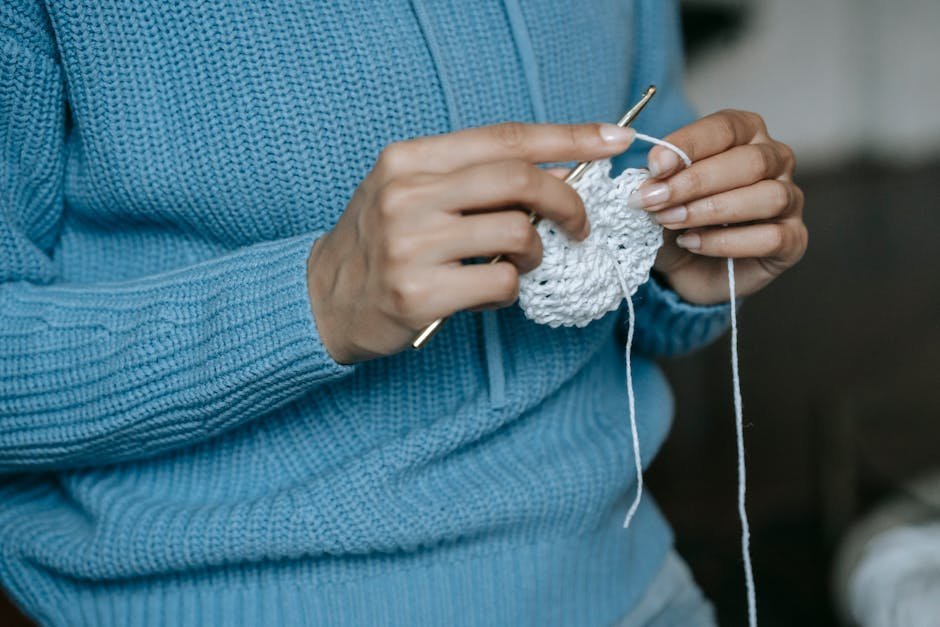
Crochet anxiety relief is now widely discussed in popular media, but the underlying research is more grounded than the trend suggests. The bilateral, rhythmic, low-stakes nature of yarn craft engages attention in a way that quiets ruminative thinking, lowers heart rate, and over weeks can reshape how a person responds to their own anxious states. This article looks at what the evidence does and does not show, distinguishes the various tactile crafts, and offers practical entry points for beginners, including those with arthritis, vision loss, or sensory differences.
The science behind hand motion and mental health
UK occupational therapist Betsan Corkhill founded Stitchlinks in 2005 after observing that her chronic pain patients who knitted reported less pain and better mood than those who did not. Her early surveys, expanded into peer-reviewed publications, suggested that knitting and crochet produced changes consistent with a flow state and a relaxation response. A widely cited 2013 paper by Riley, Corkhill, and Morris, published in the British Journal of Occupational Therapy, surveyed more than 3,500 knitters and found significant correlations between frequency of knitting and self-reported calmness, happiness, and improved cognitive function. Knitters who reported knitting more than three times a week scored consistently higher on wellbeing measures.
The mechanisms researchers propose include the bilateral nature of the activity, similar to the bilateral stimulation used in some trauma therapies; the rhythmic repetition that resembles breath work; the engagement of working memory and executive function in following a pattern; and the social bonding involved when craft happens in groups. Single-subject studies have used heart rate variability and salivary cortisol to confirm physiological calming during yarn craft sessions. The evidence is not at the level of randomized controlled trials for clinical depression, but for anxiety symptoms, chronic pain, and post-traumatic stress, the case is stronger than skeptics often assume.
Distinguishing the crafts
Crochet uses a single hook and works one stitch at a time, making it forgiving for beginners since dropped stitches do not unravel rows. Knitting uses two needles or a circular needle and produces a stretchier fabric; mistakes can ladder down rows, which makes it more demanding cognitively but also more meditative for some. Embroidery and cross-stitch involve a hoop, a fabric ground, and a needle, producing decorative stitches; cross-stitch in particular has a grid-based, predictable pattern that some autistic crafters describe as deeply soothing. Weaving on a small loom involves rhythmic shuttle motion and is increasingly accessible through tabletop frame looms.
Each of these has different demands and different appeals. People with limited grip strength often find crochet easier than knitting because it uses one hook rather than two needles. People who like predictable patterns gravitate to cross-stitch. People who want something portable and small often choose embroidery. The “right” craft for mental health is the one a person will actually pick up regularly, which usually means trying two or three before committing. Specialty yarn shops and online communities like Ravelry maintain craft category guides that help beginners compare.
Sensory regulation and ADHD
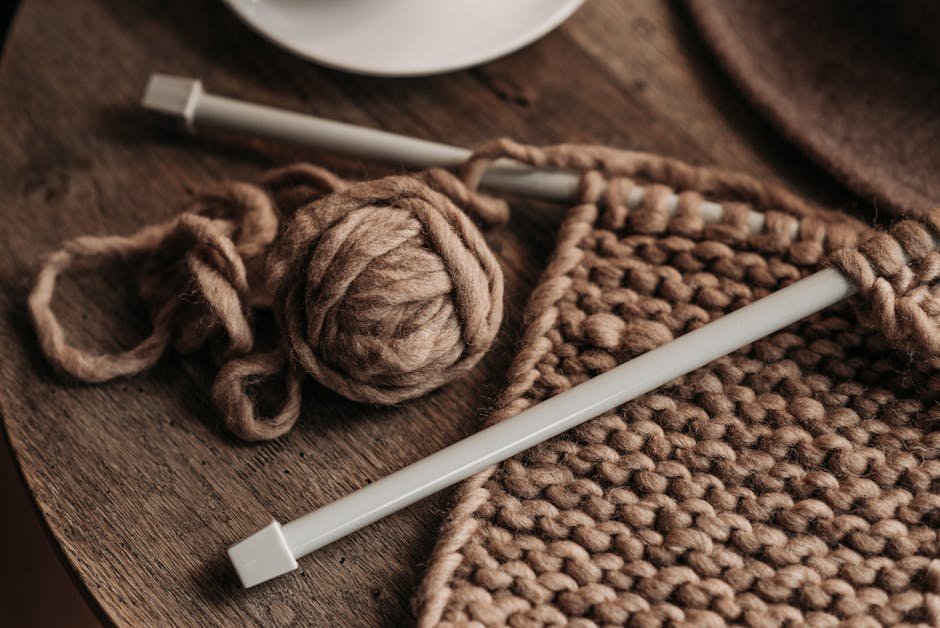
Many adults with ADHD describe yarn craft as a productive fidget. The hand motion satisfies the urge for sensory input while the brain absorbs a podcast, lecture, or conversation. Where doom-scrolling tends to leave ADHD adults feeling worse, a row of crochet stitches leaves them with a tangible product and a sense of accomplishment. Therapists who work with neurodivergent adults increasingly suggest yarn craft as an alternative to phone-based fidgeting during meetings or while watching television.
For autistic adults, the predictability of patterns and the deep proprioceptive input of working stiff yarn against a hook can provide regulation. Some autistic crafters describe yarn work as a form of stimming that produces a finished object, making it socially acceptable in environments where rocking or hand flapping might draw attention. The community around autism-affirming craft is small but active online, and the overlap with adults exploring other forms of hobby and craft work for anxiety is substantial.
The social side: knitting circles and yarn shops
Stitch-and-bitch groups, prayer shawl ministries, mosque and temple craft circles, library knitting nights, and yarn shop drop-in sessions create a social structure for the craft that the research suggests amplifies the mental health benefits. Loneliness is a documented risk factor for anxiety and depression in U.S. adults, and a weekly craft circle provides a structured, low-pressure social commitment. Conversation flows around the work; eye contact is optional; new members are welcomed because there is always a project to focus on.
Local yarn shops are often the easiest entry. Most have a community table, free or low-cost beginner classes, and staff who will help a customer choose a hook and yarn for a first project. Online communities supplement local ones; Reddit’s r/crochet and r/knitting, Ravelry pattern libraries, and YouTube tutorials by creators like Bella Coco for crochet and VeryPink Knits give beginners around-the-clock support. For people whose anxiety includes social phobia, online communities sometimes serve as a bridge to eventually attending a local circle.
Starting projects for beginners
The right first project matters because abandoning a too-ambitious blanket midway through can reinforce the depressive narrative of incompletion. Beginners do well with small, finishable items: a dishcloth, a granny square, a simple bookmark, a headband, a small zippered pouch. The first project should be completable in two to four hours of work spread over a week. Bulky-weight yarn and a larger hook or needles produce visible progress quickly, which sustains motivation in someone whose dopamine signaling is already taxed.
The pacing matters. People who buy a stash of yarn for ten projects in a manic or hypomanic phase often find themselves overwhelmed when energy drops. People who buy one skein for one project, finish it, and only then plan the next, build a sustainable practice. Therapists working with mood disorder clients sometimes specifically discourage stash-building. People who pair their craft with structured emotional processing, including group therapy and other group settings, often find a synergy where the hands work while the difficult content surfaces and integrates.
Accessible crafting for arthritis and vision loss
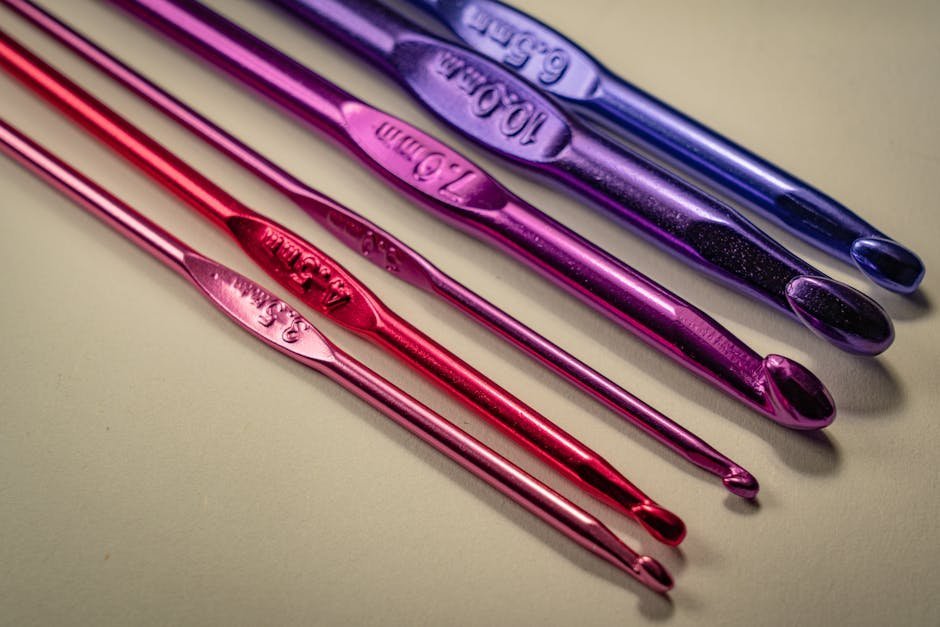
Arthritis, carpal tunnel, and other hand conditions can make traditional crochet and knitting painful. Adaptations exist. Ergonomic crochet hooks with built-up handles, available from brands like Clover Soft Touch and Furls, distribute pressure across the palm rather than the fingertips. Loom knitting replaces needles with a circular or rectangular peg loom, eliminating the pinch grip entirely. Knitting needles in lightweight materials like carbon fiber reduce fatigue. Working with bulky yarn rather than fingering weight reduces the number of stitches needed.
For vision impairment, large-print and audio patterns are increasingly available. The Lighthouse Crafts program for blind crafters teaches knitting and crochet by touch, and many experienced low-vision crafters report developing tactile counting and stitch recognition that exceeds sighted crafters’ ability. Magnifying lamps, contrast-enhancing yarn choices, and audio-described tutorials all expand access. Pairing tactile craft with movement plans like those covered in exercise prescription for depression creates a layered routine that addresses both nervous system regulation and physical activation.
When craft does not help, and what that means
Craft is not a universal balm. Some people find they cannot focus on a pattern when anxiety peaks; for them, the craft becomes another source of frustration. Others develop perfectionism around their work, ripping back rows obsessively, in which case the activity may be reinforcing rather than relieving anxiety. Some people experience grief or sensory overwhelm when they try to learn a new skill in the middle of a depressive episode and would do better starting once their baseline mood has stabilized.
If the craft helps, that is data. If it doesn’t, that is also data, and it is not a personal failing. Other tactile and creative outlets, including pottery, woodworking, sewing, and bread baking, share many of the same mechanisms and may suit people whose brains do not respond to yarn. The point is to find a regular, low-stakes, somewhat repetitive activity that produces a sense of small accomplishment.
Frequently asked questions
Is crochet really better than meditation for anxiety?
Not better, but for many people it is more accessible. Meditation requires the very attentional control that anxiety undermines. Crochet hands the brain a structured task that produces a relaxation response without the frustration of failed meditation attempts. Some people find both useful; some find one or the other.
How long until I notice a mood effect?
Many people notice an immediate calming effect within the first session of focused crocheting or knitting. Sustained mood and anxiety improvements typically emerge over four to eight weeks of regular practice, three or more times a week.
Is it expensive to start?
No. A starter crochet kit with a hook, a skein of bulky-weight yarn, and a beginner pattern can cost under twenty dollars. Many libraries offer free craft classes and lend hooks and needles. Avoid the pull to buy expensive specialty yarn for a first project.
Can children benefit from craft for mental health?
Yes. Children as young as six can learn finger knitting; older children handle hooks and needles. Craft groups for anxious or neurodivergent children exist in many school districts, and the same fine motor and regulation benefits apply.
What if I have a hand or wrist injury?
Talk with an occupational or physical therapist before starting or resuming craft. Adapted tools, shorter sessions, and breaks every fifteen to twenty minutes prevent flare-ups. Some people switch to loom knitting or larger-needle work during recovery periods.
The bottom line
Yarn craft is not a replacement for therapy or medication when those are clinically indicated. What it offers is an evidence-supported, low-cost, low-risk addition that for many people becomes the consistent practice that holds their other treatment together. Whether through formal crochet anxiety programs, an informal granny-square habit, or a weekly knitting circle at the public library, the practice rewards patience and rewards return. The hook is small, the yarn is cheap, and the nervous system seems to know what to do when given the chance.
If you are in crisis or thinking about harming yourself, call or text 988 to reach the 988 Suicide and Crisis Lifeline, available around the clock in the United States.
For research summaries on craft and mental health, see the National Institutes of Health and the Centers for Disease Control and Prevention.
This article is for general educational purposes and is not medical advice. Speak with a qualified clinician about your specific health situation.