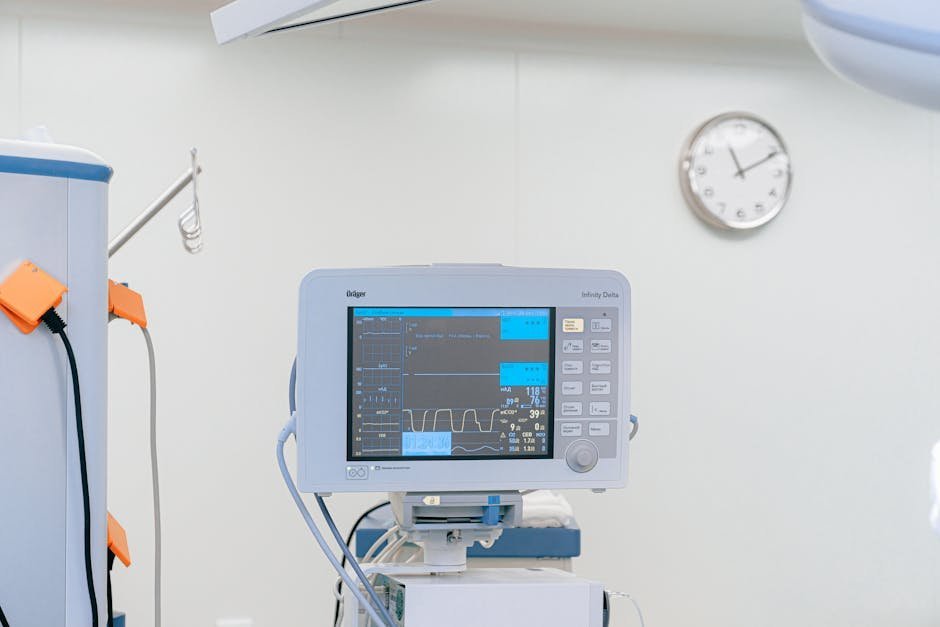
Devon was 22, a junior at Arizona State, the kind of student who built mechanical keyboards and ran a Discord server for indie game devs. He had used cannabis since high school. The change began the week he switched from flower to a 92 percent THC concentrate his roommate brought back from a Phoenix dispensary. By Thursday, Devon was convinced his neighbours were broadcasting his thoughts through the air conditioning vents. By Saturday, he had not slept in three nights and was hiding in the closet, scrawling code on the drywall. His mother flew in from Albuquerque, walked him into Banner University Medical Center, and sat through eight hours in the ER before a psychiatry resident finally came down. The diagnosis on the discharge paperwork four days later was cannabis-induced psychotic disorder. Devon was lucky. His prognosis was better than the schizophrenia diagnosis everyone in that ER initially feared. But the line between the two is thinner than the dispensary marketing wants families to know, and cannabis induced psychosis is showing up in American emergency departments at rates the system was not built for.
Why this is happening now: the THC potency revolution
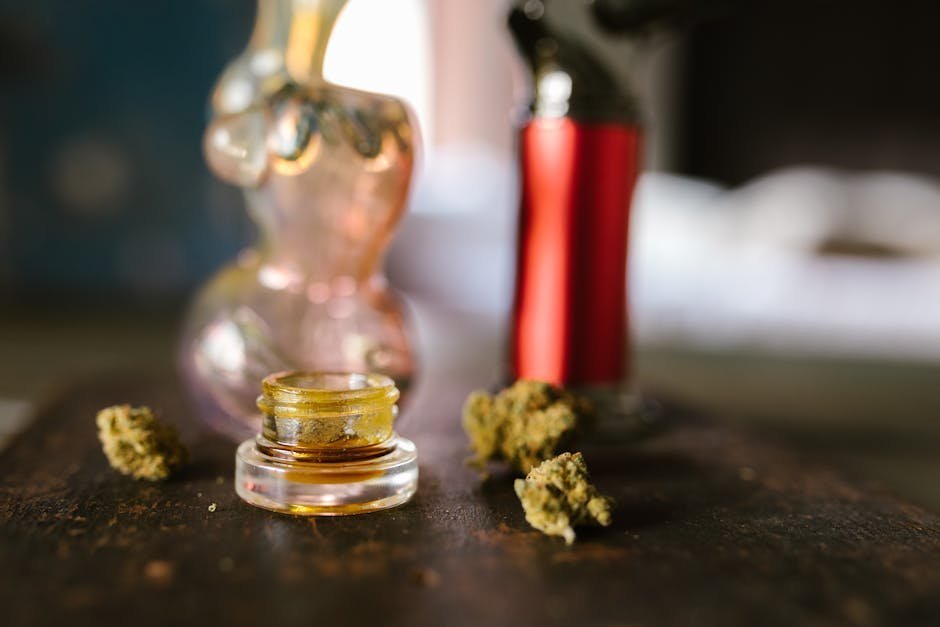
The cannabis your parents knew in 1995 averaged about 4 percent THC. Flower in a 2026 dispensary averages 18 to 22 percent. Concentrates, dabs, and live resin products routinely test at 70 to 90 percent THC. A single inhalation from a high-grade dab rig can deliver more THC than an entire joint from the previous decade. The legal cannabis market has produced a fundamentally different drug, and the medical literature on cannabis safety from 20 years ago does not translate.
This matters because cannabis induced psychosis is dose-dependent. Higher THC concentration, more frequent use, and earlier age of first use all raise the risk. Daily use of high-potency cannabis is associated with up to a five-fold increase in psychotic disorder risk in some European cohorts. The American emergency departments now seeing these cases are mostly in legal-market states: Colorado, Washington, California, Oregon, Massachusetts, and increasingly New York and New Jersey.
What it looks like in the emergency department
The ER presentation of cannabis-induced psychosis is, at first pass, indistinguishable from a first episode of schizophrenia. Patients arrive paranoid, agitated, hyperverbal, sometimes catatonic. They report auditory hallucinations and persecutory delusions. They may believe their family is poisoning them or that strangers are coordinating against them. Sleep has often been absent for two to four days. Tachycardia and dilated pupils are common findings.
What separates cannabis psychosis from primary psychosis in the ER is mostly the history. A confirmed pattern of recent heavy cannabis use, especially concentrates, plus the absence of a prodromal period of social withdrawal and odd thinking lasting months, points toward substance-induced. A urine drug screen positive for THC is helpful but not diagnostic, because THC stays detectable for weeks in chronic users and tells the team nothing about acute exposure.
The diagnostic question that changes everything: induced versus primary
The DSM-5 criterion for substance-induced psychotic disorder is essentially a time-limited diagnosis: psychotic symptoms emerge during or shortly after substance use and resolve within a month of cessation. If symptoms persist beyond that window, the diagnosis shifts to a primary psychotic disorder, often schizophrenia or schizoaffective disorder. This distinction matters enormously for prognosis, treatment, and the family’s planning horizon.
A landmark Danish national registry study published in 2018 followed 6,788 people diagnosed with cannabis-induced psychotic disorder. Within three years, 41 percent had converted to a schizophrenia spectrum diagnosis. Within five years, the conversion rate was around 47 percent, with newer analyses suggesting the figure for adolescent-onset cases approaches 50 percent. Other studies cite a 15 to 25 percent five-year conversion rate, depending on definitions. The takeaway is that what looks like a one-time bad reaction may be the announcement of a longer story. For a deeper look at what comes next, our piece on first episode psychosis and coordinated specialty care walks through the next stage.

ER management: the first 24 hours
Acute management focuses on safety and de-escalation. Most patients with cannabis induced psychosis are treated with a combination of benzodiazepines for agitation and sleep, with antipsychotics added if symptoms are severe or do not settle. Lorazepam 2 mg IM or IV is a common first move. For prominent psychotic features, olanzapine 10 mg or haloperidol 5 mg with lorazepam 2 mg is standard. The goal in the ER is not full resolution. It is enough sleep and enough calm to allow safe observation or transfer.
Disposition decisions usually happen at the 12 to 24 hour mark. Patients who clear with sleep and supportive care, who have intact insight by the next morning, and who have a sober family member able to monitor them at home may be discharged with an urgent psychiatry follow-up. Patients still actively psychotic, suicidal, or without supports go to a psychiatric inpatient unit for 3 to 7 days of stabilisation.
Why this is not the same as a synthetic cannabinoid emergency
Synthetic cannabinoids, sold as Spice, K2, and various flashy names, are chemically unrelated to natural THC despite acting on the same receptor. Their psychiatric and medical emergencies are different and often more severe: agitation requiring high-dose sedation, seizures, acute kidney injury, severe tachycardia, and sometimes death. Synthetic cannabinoid psychosis tends to be more chaotic, more medically dangerous, and less responsive to standard antipsychotics. We covered the specifics in our article on synthetic cannabinoid emergencies and how they differ from natural cannabis.
If a young patient arrives with suspected cannabis psychosis but has seizures, severe rhabdomyolysis, or hyperthermia, the team should pivot to a synthetic cannabinoid workup. Standard urine drug screens do not detect synthetics. A focused history about the source of the product matters more than the lab.
Discharge planning that actually changes outcomes
The single intervention with the strongest evidence for preventing recurrence is sustained cannabis cessation. Not reduction. Not switching to lower-potency products. Cessation. The data show that patients who continue using after a first cannabis-induced psychotic episode have markedly higher rates of conversion to schizophrenia. Those who stop, particularly within the first six months, see significantly better long-term trajectories.
A good discharge plan includes referral to a psychiatrist within 7 days, often through a coordinated specialty care program if available, a substance use counsellor with experience in cannabis use disorder, and family education on warning signs of relapse. Cognitive behavioural therapy and motivational interviewing both have evidence for cannabis use disorder. Medications for cannabis use disorder are limited, but N-acetylcysteine and gabapentin have some supportive data. Our overview of substance use treatment in midlife covers the broader recovery infrastructure.

What families need to know about prognosis
The honest message is that prognosis depends heavily on what happens in the next six to twelve months. About half of people with a single cannabis-induced psychotic episode never have another, particularly if they stop using. The other half develop a more chronic course, and a significant subset receive a schizophrenia diagnosis within five years. Genetic vulnerability matters: a family history of psychosis raises both the risk of conversion and the urgency of cessation.
Useful resources for families include the National Institute on Drug Abuse, which publishes plain-language summaries of cannabis and psychosis research, and the Substance Abuse and Mental Health Services Administration, which maintains a free 24-hour helpline and a treatment locator that filters for dual-diagnosis programs.
Frequently asked questions
Can someone develop psychosis from a single high-THC dab?
Yes, although it is uncommon in people without underlying vulnerability. A single high-dose exposure to a 90 percent THC concentrate can trigger acute psychotic symptoms in a susceptible person, particularly young men with a family history of psychosis or prior mood disorders.
How long does cannabis-induced psychosis usually last?
Most cases resolve within 7 to 30 days of cessation. Some symptoms, particularly mild paranoia and sleep disturbance, can linger 6 to 8 weeks. Persistent symptoms past one month require reassessment for a primary psychotic disorder.
Will my child need antipsychotics long term?
Often not. Many patients with substance-induced psychosis taper off antipsychotics within 3 to 6 months under psychiatric guidance, particularly if cannabis cessation is sustained and there are no further episodes. The decision is individualised and should not be made by the patient alone.
Does CBD help or hurt psychosis risk?
Pure CBD products do not appear to cause psychosis and may have modest antipsychotic effects in research settings. The risk in commercial CBD products is contamination with THC and lack of regulation. After a psychotic episode, abstinence from all cannabinoid products is the safest path.
Can someone go back to using cannabis after recovery?
The data strongly suggest no. People who resume cannabis after a substance-induced psychotic episode have higher rates of recurrence, conversion to schizophrenia, and rehospitalisation. This is a hard message for some patients, but it is the message the evidence supports.
The bottom line
Cannabis induced psychosis is not a rare curiosity. It is a growing presence in American emergency departments, driven by the high-THC products of the legal market. The acute episode is treatable with sleep, benzodiazepines, antipsychotics if severe, and observation. The longer story is that nearly half of people who experience cannabis-induced psychosis go on to develop schizophrenia within five years, and continued cannabis use is the strongest modifiable risk factor. Families who walk into an ER with a child in this state are at a turning point, not a dead end. The next six months matter most.
If you or someone you love is in crisis, call or text 988 to reach the Suicide and Crisis Lifeline, available 24 hours a day across the United States.
This article is for general educational purposes only and is not a substitute for medical advice, diagnosis, or treatment. If you are concerned about psychosis, substance use, or a mental health emergency, please consult a licensed psychiatrist, call 911, or go to your nearest emergency department.