Marisol Vega had tried seven antidepressants by the time she walked into a Phoenix psychiatric office on a 112-degree afternoon in July. SSRIs flattened her into a fog. SNRIs gave her tremors. Two trials of bupropion did nothing. The 41-year-old marketing director had been depressed since her second child was born in 2019, and the depression had outlasted therapy, a divorce, and every pill her family practice doctor reached for. Her psychiatrist mentioned a Spravato clinic two miles from her apartment in Arcadia. Marisol had heard of ketamine clinics charging $600 cash a pop, but Spravato was different: FDA-approved, REMS-monitored, and her Aetna PPO covered it after prior authorisation. The first session in August 2025 was strange, dissociative, almost theatrical. By the fifth treatment her sleep stitched back together. By week six the suicidal background hum she had lived with since 2020 was gone. Her psychiatrist kept her on sertraline as the oral backbone and tapered Spravato to maintenance every other week. Eight months later, Marisol still drives to the same strip mall every fortnight, sits in a recliner for two hours, and goes home. She calls it the most boring miracle she has ever experienced.
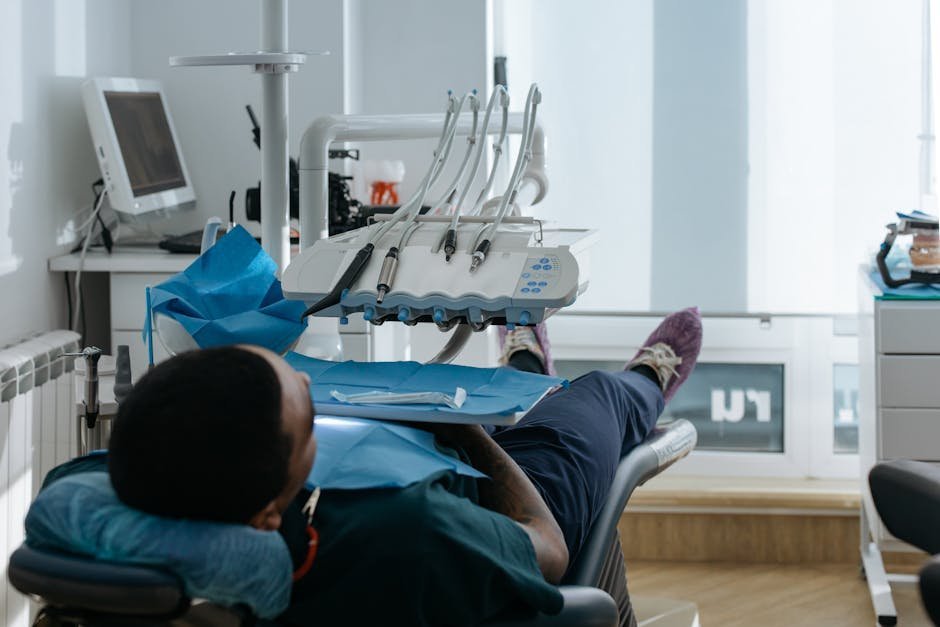
Treatment-resistant depression affects roughly one in three Americans diagnosed with major depressive disorder, and for that population a Spravato clinic represents the first genuinely new mechanism of action approved for depression in three decades. Esketamine nasal spray, sold by Janssen as Spravato, received FDA approval in March 2019 for treatment-resistant depression and an expanded indication in August 2020 for major depressive disorder with acute suicidal ideation. The 2025 monotherapy approval changed the math again. This guide walks through how Spravato differs from compounded ketamine, what the REMS program actually requires, how to locate a certified center, what insurance pays in 2026, and how the cash-pay ketamine market compares.
Esketamine versus racemic ketamine: what a Spravato clinic delivers
Ketamine is a chiral molecule, which means it exists as two mirror-image versions called enantiomers. Racemic ketamine, the anaesthetic invented in 1962, contains both the R-ketamine and S-ketamine isomers in equal parts. Spravato isolates only the S-isomer, esketamine, which binds the NMDA glutamate receptor roughly four times more tightly than its R counterpart. That tighter binding lets a smaller dose produce the rapid antidepressant effect researchers first documented at Yale in 2000. The clinical trials that earned FDA approval, TRANSFORM-1 through TRANSFORM-3 and SUSTAIN-1, used 56 mg or 84 mg doses delivered as nasal spray.
Compounded racemic ketamine, the kind delivered intravenously at most cash-pay clinics, has never received FDA approval for depression. It is used off-label, which is legal but carries a different regulatory weight. Insurance plans almost universally refuse to cover IV ketamine for depression in 2026, while most commercial plans, Medicare Part B, and roughly 38 state Medicaid programs cover Spravato. The price difference reflects this: a single IV ketamine infusion costs $400 to $800 cash, while a Spravato session billed to insurance often leaves the patient with a $20 to $75 copay after deductible. Treatment-resistant depression specialists typically reserve esketamine for patients who have failed at least two adequate antidepressant trials.
The REMS program: why you cannot take Spravato home
The Risk Evaluation and Mitigation Strategy is an FDA framework that limits how certain drugs can be dispensed. Spravato carries a REMS because esketamine causes sedation and dissociation in roughly 41 percent of patients during the first session, and the FDA wants those reactions to occur under medical observation rather than at a kitchen table. Every Spravato clinic must register with Janssen, train staff in the protocol, and document each patient encounter in a federal database.
- Patients self-administer the nasal spray under direct staff observation in the clinic
- Blood pressure is measured at baseline, 40 minutes post-dose, and discharge
- The patient remains in clinic for a minimum of two hours after the last spray
- A responsible adult must drive the patient home; ride-share is not permitted at most clinics
- The patient cannot drive, operate machinery, or sign legal documents until the next morning
The two-hour observation window is the operational backbone of every Spravato clinic in the country. It is also the reason most centers schedule only four to six patients per day per treatment room. Smaller practices in suburban markets may run a single recliner; multi-site operators like Greenbrook NeuroHealth and Mindful Health Solutions run six to twelve recliners simultaneously across a single facility.
Finding REMS-certified centers near you
Three locator tools cover most of the U.S. market. Janssen runs a manufacturer locator at spravato.com that lists every REMS-registered clinic by zip code; this is the most complete database but it does not filter by insurance contracts. Sage Therapeutics, which markets the postpartum depression drug Zurzuvae, runs a separate platform called COMPASS aimed at coordinating care across mood disorder treatments and partial-hospital programs. Individual psychiatrist-run clinics, especially academic medical centers, are listed in both systems but are easier to find through hospital websites.
Patients who live in rural counties often face a 60 to 120 mile drive to the nearest certified site. Wyoming, Montana, the Dakotas, and parts of west Texas are the thinnest markets. The Department of Veterans Affairs runs Spravato programs at roughly 70 VA medical centers as of late 2025; a veteran enrolled in VA care can usually access the medication faster than a civilian fighting prior authorisation, because the VA national formulary added esketamine in 2020.
Insurance coverage in 2026: what plans actually pay
Medicare Part B covers Spravato as a physician-administered drug, billed under HCPCS code G2082 for the 56 mg dose and G2083 for 84 mg. The 2026 Medicare allowable rate sits near $720 per session for the drug plus a separate facility and observation fee. Medigap plans typically pay the 20 percent coinsurance, leaving most Medicare patients with no out-of-pocket cost beyond the Part B deductible.
Commercial coverage is broader than patients expect. Aetna, Cigna, UnitedHealthcare, Anthem, and most BCBS plans cover Spravato after prior authorisation requiring documentation of two failed antidepressant trials of adequate dose and duration, typically eight weeks each. Kaiser Permanente covers it within its closed system. Medicaid coverage varies wildly: California, New York, Massachusetts, Washington, and Oregon cover esketamine through fee-for-service Medicaid; Texas, Florida, and Georgia restrict access through prior authorisation that rejects roughly 35 percent of initial requests. The retail cash price runs $700 to $1,200 per session depending on whether the clinic charges a separate observation fee.
The induction and maintenance schedule
The FDA-approved protocol calls for twice-weekly dosing during weeks one through four, the induction phase. Weeks five through eight drop to once weekly. After week nine, patients move to maintenance dosing every one to two weeks based on response. Total annual cost to insurance, before any patient cost-share, runs $40,000 to $55,000 if the patient stays on indefinite maintenance. Combining medication with structured therapy is the standard of care; most clinics will not start a patient who is not engaged in concurrent psychotherapy or seeing a prescriber for an oral antidepressant backbone.
Response data from the SUSTAIN-1 trial showed that patients who responded during induction and remained on maintenance had a 51 percent lower risk of relapse compared with those tapered to placebo. The 2024 real-world evidence published by Janssen using claims data from 12,800 commercial patients showed roughly 50 percent achieved a 50 percent symptom reduction by week six, and 30 percent achieved remission. Those numbers compare favourably with STAR*D-era data on conventional antidepressant switches, which produced remission in roughly 14 percent of treatment-resistant patients.
Self-pay ketamine alternatives: Mindbloom, Field Trip, and the at-home market
The cash-pay ketamine market exploded between 2020 and 2024, then contracted sharply after the FDA issued a 2023 warning about compounded ketamine telehealth. Mindbloom, the largest at-home oral ketamine telehealth company, charges $1,158 for a six-session intake program and continues to operate under the COVID-era prescriber rules extended through 2026. Field Trip and Nue Life closed or restructured. Local IV clinics still operate in most metros at $400 to $800 a session, generally not covered by insurance.
The trade-off is real. Cash-pay clinics can start treatment within 48 hours; Spravato prior authorisation takes 7 to 21 days on average. Cash-pay clinics offer flexible dosing; Spravato is locked to 56 or 84 mg. Cash-pay carries no REMS observation requirement, which patients with full-time jobs sometimes prefer. Insurance-billed Spravato carries a stronger evidence base, FDA oversight, and a price the average patient can afford. Comparing payment models for psychiatric care is worth doing before committing to a 36-week course at any clinic.
Contraindications and side effects worth knowing
Spravato is not appropriate for patients with aneurysmal vascular disease, arteriovenous malformation, intracerebral haemorrhage history, or hypertensive crisis risk. Patients with active substance use disorder involving dissociatives are typically excluded. The most common side effects are dissociation (41 percent), dizziness (29 percent), nausea (28 percent), sedation (23 percent), and elevated blood pressure during the post-dose hour. Bladder toxicity, the chronic complication seen in long-term ketamine abusers, has not appeared in Spravato trials at therapeutic doses. The FDA continues to track this risk in the post-market surveillance program. The full prescribing information is available at fda.gov.
What a typical session actually looks like
Patients arrive 30 minutes before the appointment, eat nothing for two hours prior, and skip morning coffee on session days because caffeine elevates baseline blood pressure. The clinic checks vitals, hands the patient the prefilled nasal spray devices, and observes self-administration. Most clinics use one device per nostril for the 56 mg starting dose, two per nostril for 84 mg. The dissociative effect peaks at 40 minutes and resolves by 90 minutes. Patients listen to music, doze, or sit quietly. Reading is difficult because of visual disturbances. Phones are typically discouraged. Discharge happens after the two-hour mark with normal vitals, a sober support person, and confirmation the patient feels safe to leave.
Frequently asked questions
How long does it take to feel a Spravato response?
Some patients notice mood improvement within 24 hours of the first dose; clinical trials measured significant separation from placebo at day two. Most responders see clear benefit by week two to four. Patients who show no response by week six rarely respond later, and the prescriber typically discontinues treatment.
Can I stay on my current antidepressant during Spravato?
Yes, and the FDA label specifically requires it for the original TRD indication. The 2025 monotherapy approval allows Spravato alone in select cases, but most clinics still pair it with an SSRI, SNRI, or bupropion as the oral backbone. Stopping all oral medication during Spravato is a clinical decision made with your prescriber, not the clinic technician.
Will Spravato show up on a drug test?
Standard five-panel and ten-panel employment drug tests do not screen for ketamine or esketamine. Specialised forensic panels can detect it for 7 to 14 days. Patients in safety-sensitive jobs should disclose Spravato treatment to their employer’s medical review officer before testing.
Is Spravato addictive?
Esketamine is a Schedule III controlled substance, the same schedule as buprenorphine and ketamine. The REMS structure exists in part to prevent diversion. Long-term Spravato use under medical supervision has not produced a dependence pattern in registry data through 2025, but the medication is genuinely psychoactive and patients with active substance use disorder are typically screened out.
What happens if my insurance denies prior authorisation?
Janssen runs a patient assistance program called withMe that covers up to $7,150 per year for commercially insured patients with denial or high copay. Uninsured patients earning under 600 percent of the federal poverty line can qualify for free drug. The clinic billing department typically handles the appeal; most denials are reversed on second-level review when adequate trial documentation is submitted.
The bottom line
A REMS-certified Spravato clinic is the most accessible insurance-covered route to a glutamate-modulating antidepressant in 2026. The two-hour observation requirement is real, the prior authorisation paperwork is real, and the response rates beat what conventional medication switches deliver for treatment-resistant patients. Use the Janssen locator to find a certified site, ask your psychiatrist about prior authorisation timing, and budget for the time commitment of twice-weekly induction. For broader treatment information from the National Institute of Mental Health, see nimh.nih.gov.
If you are in crisis or experiencing thoughts of suicide, call or text 988 to reach the Suicide and Crisis Lifeline, available 24 hours a day across the United States.
This article is for general educational purposes and does not constitute medical advice, diagnosis, or treatment. Decisions about Spravato or any psychiatric medication should be made with a licensed prescriber familiar with your individual history. Insurance coverage, clinic availability, and pricing change frequently; verify all details with the clinic and your insurance plan before scheduling treatment.