Informational only. This article does not provide medical advice and is not a substitute for a conversation with a licensed clinician.
If you have searched for an online psychiatrist and wondered whether a video appointment can really replace sitting in a waiting room, you are far from alone. Many people start looking into telepsychiatry after running into long waitlists, a shortage of local prescribers, or the simple difficulty of taking half a day off work to be seen. This guide walks through what an online psychiatrist actually does, what research suggests about care delivered by video, and the practical steps involved, so you can have a more informed conversation with a clinician you trust.
If you’re in crisis or having thoughts of self-harm, call or text 988 (Suicide & Crisis Lifeline) anytime, free and confidential. If someone is in immediate danger, call 911.
What an online psychiatrist actually is
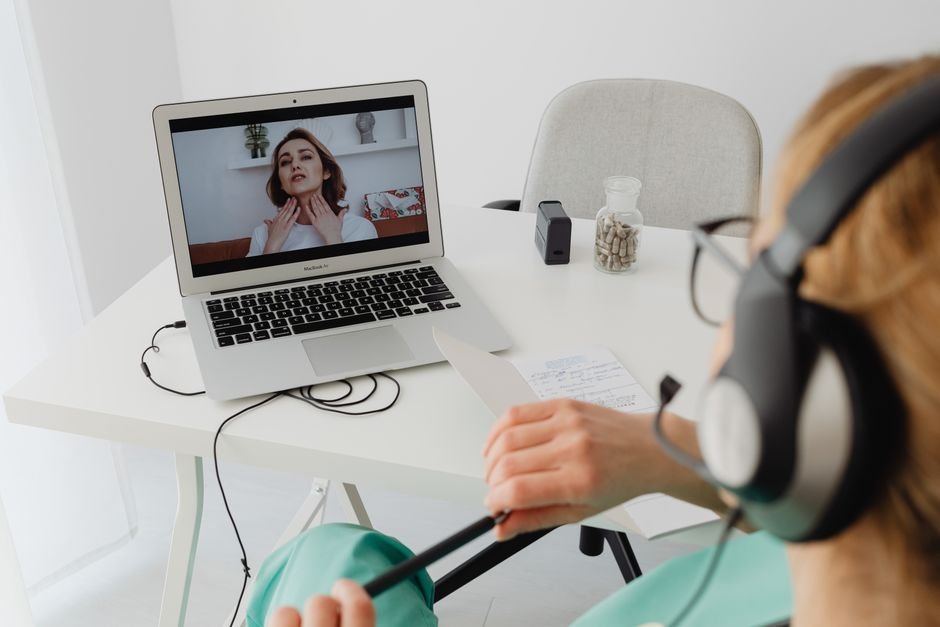
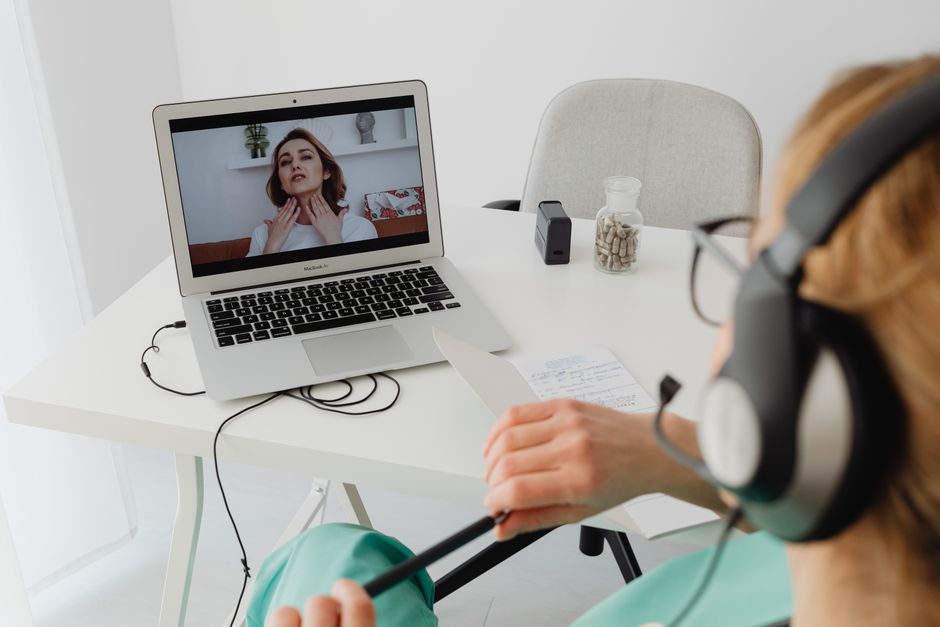
A psychiatrist is a medical doctor who specializes in mental health, which means they can diagnose conditions, prescribe and adjust medication, and coordinate care alongside therapy. An online psychiatrist is simply one who meets with you over a secure video connection rather than in person, a practice often called telepsychiatry. The training and licensing are the same as for any psychiatrist: they hold a medical degree, completed a psychiatric residency, and must be licensed in the state where you are physically located during the appointment. This is different from talk therapy delivered by a counselor or psychologist, because the central role here is medical evaluation and, when appropriate, prescribing. According to the National Institute of Mental Health, technology has expanded how mental health care can be delivered, and video visits are one of the most established of those tools. The conversation, the questions, and the medical reasoning are meant to be the same; only the room is different.
How telepsychiatry is used and what the evidence shows
In practice, video-based psychiatry is most often used for evaluating and managing common conditions such as depression, anxiety, and attention concerns, and for ongoing medication check-ins once a treatment plan is underway. The American Psychiatric Association describes telepsychiatry as an effective way to deliver psychiatric care, and research over many years has found that video appointments can be comparable to in-person visits for assessment and follow-up across a range of conditions. Studies suggest that many people are satisfied with remote care and that it can improve access for those who live far from a provider or who struggle to travel. It is not a guaranteed fit for every situation, and outcomes vary from person to person. Many people find it works best as one part of a fuller plan that may also include therapy, steady routines, and regular check-ins.
It also helps to understand the limits. Some evaluations still benefit from an in-person component, and certain medications, particularly controlled substances, are subject to federal and state rules that can affect whether they may be prescribed by video alone. Those rules have shifted in recent years and continue to be reviewed, so a careful online psychiatrist will tell you up front what they can and cannot prescribe remotely in your state. A remote prescriber also needs a plan for situations that exceed what video can handle, such as a medical emergency or a safety crisis. None of this replaces a clinician’s judgment about whether telepsychiatry suits your particular situation, but knowing the boundaries can make the early conversations feel less intimidating.

Who an online psychiatrist is and isn’t a fit for
Telepsychiatry tends to fit people who have stable enough footing in daily life to take part in a video conversation, a private space to talk, and a reliable connection. It can be a strong option for follow-up medication management, for people in rural areas with few local prescribers, and for those whose schedules make in-person visits hard. It is not automatically the right starting point for everyone. People in acute crisis, those who may need a hands-on medical workup, or those navigating complex conditions that call for close monitoring may be guided toward in-person care, at least to begin. A responsible online psychiatrist screens for these situations and is honest when video is not enough. None of this is something to sort out alone from an article; a licensed clinician who learns your history is the right person to weigh whether remote care fits you and when.
What to expect from a first appointment
A first telepsychiatry visit usually centers on a thorough evaluation rather than an immediate prescription. The psychiatrist asks about your symptoms, your history, any past treatments and how they went, your medical conditions, and your goals, often spending the better part of an hour getting a full picture. They may ask you to complete brief questionnaires beforehand, and they will confirm your location, an emergency contact, and the nearest place you could go if something urgent came up. If medication is part of the plan, you will talk through options, expected timelines, and what to watch for, and you can ask anything you do not understand. Many people feel a little nervous before a first appointment, which is completely normal, and a good clinician makes room for that.
It helps to prepare the way you would for any medical visit. Bringing a list of current medications, a short note about your symptoms and what you hope changes, and your pharmacy details gives the psychiatrist what they need. If the idea of a long list of questions feels daunting, it can be reassuring to know how routine these intake conversations are, and our overview of how virtual sessions work shows what good remote care tends to look like in practice. It can also help to line up small supports for the days around appointments, the kind that make any treatment easier to stay with, so the work does not sit with you alone.

What it costs and how insurance covers it
Cost depends on where you live, whether you use insurance, and whether the psychiatrist is in your plan’s network. The encouraging news is that telehealth coverage has expanded a great deal, and many private plans, Medicaid plans, and Medicare now cover psychiatric video visits on terms similar to in-person care. Federal parity rules generally require plans that cover mental health to do so comparably to medical care, though specific telehealth rules and copays differ by plan and can change over time. The most reliable step is to ask a provider’s billing office to run a benefits check and to confirm whether prior authorization is needed and whether your state still allows the visit type you want. Our guide to the real cost of mental health care covers HSAs, FSAs, and sliding-scale options many patients never use, and the SAMHSA National Helpline (1-800-662-HELP) can point you toward resources if cost is a barrier.
How to find an online psychiatrist you can actually access
Start with your primary care doctor or current therapist, who may already refer to prescribers who offer video visits and can help document your history. You can also use the federal treatment locator at findtreatment.gov to find behavioral health providers near you, and the NAMI HelpLine (1-800-950-NAMI) can help you think through options and prepare questions. When you call, it is fair to ask whether the prescriber is licensed in your state, what they can and cannot prescribe by video, how they handle urgent situations, and how they coordinate with a therapist or your primary care doctor. If you are weighing remote care against in-person treatment for a specific condition, it can help to see how other options work, such as our overview of a clinic-based approach for depression that has not lifted with first-line care.
When to seek a higher level of care
Video appointments are scheduled visits, and on their own they are not an emergency service. If symptoms are escalating quickly, if you are unable to keep yourself safe, or if eating, sleeping, or daily functioning is breaking down, those are signs to reach out for more immediate support rather than waiting for the next appointment. A higher level of care, such as an intensive outpatient program or a day-treatment level of support, exists precisely for these stretches, offering more hours of structure while still letting you sleep at home. Reaching out early is a strength, not a failure, and moving between levels of care is the system working the way it was designed to.
Looking into care this way is itself a hopeful step, and you do not have to decide everything at once. A simple next move, such as writing down your questions and booking one consultation, can break the process into something manageable. The best step is the one you can take this week.
Disclaimer: This article is for informational purposes only and is not medical, psychological, or psychiatric advice, diagnosis, or treatment. If you are experiencing symptoms of a mental health condition, consult a licensed clinician in your state.