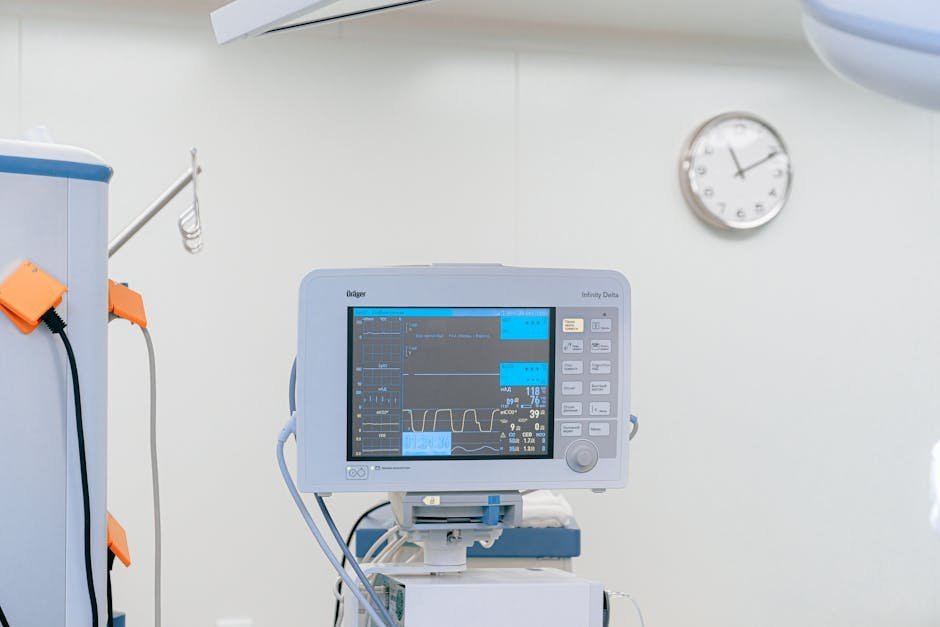
Linda Hawthorne, sixty-one, a fourth-grade teacher from Nashville, went into the medical ICU at Vanderbilt with a severe pneumonia and septic shock. She spent eleven days on a ventilator, six of them sedated with continuous propofol and fentanyl. She survived, walked out of the hospital nineteen days after she rolled in, and her daughter expected the recovery to feel like a homecoming. Instead, Linda spent the next four months unable to balance her checkbook, terrified of falling asleep, and convinced for several weeks that the nurses had tried to harvest her organs while she was unconscious. She forgot her grandson’s birthday twice in a row. She began crying when she heard a hospital scene on a TV drama. Her primary care doctor told her this was “just the hospital stay” and would pass. It did not. Six months later, Linda finally found a post-ICU recovery clinic, where a neuropsychologist diagnosed cognitive impairment and a psychiatrist diagnosed PTSD. What Linda was living through has a name. Post ICU syndrome affects 50 to 70 percent of ICU survivors, and most of them, like Linda, have no idea it exists.
What Post-ICU Syndrome Actually Is
The term post-ICU syndrome, abbreviated PICS, was formally adopted by the Society of Critical Care Medicine in 2010 to describe the cluster of physical, cognitive, and mental health problems that persist after an ICU stay. It applies to anyone who survived a critical illness, regardless of the specific diagnosis. PICS-Family is the parallel term for the trauma symptoms that hit spouses, parents, and adult children who waited in the ICU lobby. Post ICU syndrome has three legs, and they rarely show up in equal measure.
Cognitive impairment includes problems with short-term memory, attention, executive function, and processing speed. The symptoms look strikingly like a mild traumatic brain injury or early dementia. About 30 to 40 percent of ICU survivors meet formal criteria for cognitive impairment at three months, and roughly a quarter still meet criteria at twelve months. Mental health symptoms include PTSD, depression, and anxiety. Studies place PTSD prevalence at 20 to 30 percent of survivors, depression at 30 percent, and significant anxiety at 35 percent. Physical impairments cover ICU-acquired weakness, neuromuscular issues, joint problems, and persistent fatigue. The three legs interact. Cognitive impairment makes therapy harder. Anxiety makes physical rehab feel impossible. Pain makes mood worse.
ICU Delirium as the Major Risk Factor
The single strongest predictor of long-term cognitive impairment is the duration of delirium during the ICU stay. Delirium is an acute, fluctuating disturbance of attention and awareness, often with hallucinations, paranoia, and disorganized thinking. It hits 60 to 80 percent of ventilated ICU patients at some point. Each additional day of delirium is associated with measurable, durable changes in cognitive testing one year later.
Every modern ICU should use a delirium screen, most commonly the Confusion Assessment Method for the ICU, abbreviated CAM-ICU. A nurse runs the four-step assessment every shift. Yet a 2019 audit across U.S. teaching hospitals found CAM-ICU was performed and documented less than half the time on eligible patients. If a family member is in the ICU and you have not heard the team mention delirium screening, ask.
How Sedation Choices Shape the Brain
Not all sedatives are equal in their delirium footprint. Benzodiazepines, especially continuous midazolam infusions, are strongly associated with longer delirium duration and worse cognitive outcomes. Modern critical care has shifted away from continuous benzodiazepines for that reason. Propofol and dexmedetomidine produce less delirium, with dexmedetomidine showing the most favorable profile in head-to-head trials, especially in elderly and septic patients. Opioids do contribute to delirium when overdosed, but undertreated pain also triggers delirium, so the goal is enough analgesia to keep pain controlled and no more.
Light sedation has become the standard. Patients arousable to voice, able to follow simple commands, are now considered the target rather than deeply unconscious patients. This change has reduced ventilator days, ICU length of stay, and long-term cognitive outcomes. Families sometimes find this disorienting because the patient may appear to be suffering, moaning, or moving when they would prefer to see their loved one peaceful. The data are firm. Lighter sedation, with adequate pain control, produces better-thinking survivors a year later. People emerging from severe medical illness sometimes need help reframing their hospital experience the way patients with long COVID and persistent depressive symptoms have learned to do.
The ABCDEF Bundle
Every modern ICU should be running the ABCDEF bundle, a daily checklist of evidence-based practices that together reduce delirium, mortality, and long-term impairment. The letters stand for specific actions:
- A — Assess, prevent, and manage pain with validated scales
- B — Both spontaneous awakening trials and spontaneous breathing trials, daily
- C — Choice of analgesia and sedation, favoring lighter regimens and avoiding benzodiazepines when possible
- D — Delirium assessment, prevention, and management, including the CAM-ICU
- E — Early mobility and exercise, often beginning while still on the ventilator
- F — Family engagement and empowerment, including open visiting hours and bedside participation in rounds
A multicenter implementation study published in Critical Care Medicine showed that hospitals achieving high bundle compliance reduced one-year mortality by roughly 30 percent and reduced post-ICU cognitive impairment substantially. Bundle compliance varies wildly between hospitals, even within the same system. Patients and families have every right to ask which bundle elements are being delivered, and to request the elements that are not. The ABCDEF bundle is not optional best practice. It is current standard of care.
Post-ICU Recovery Clinics
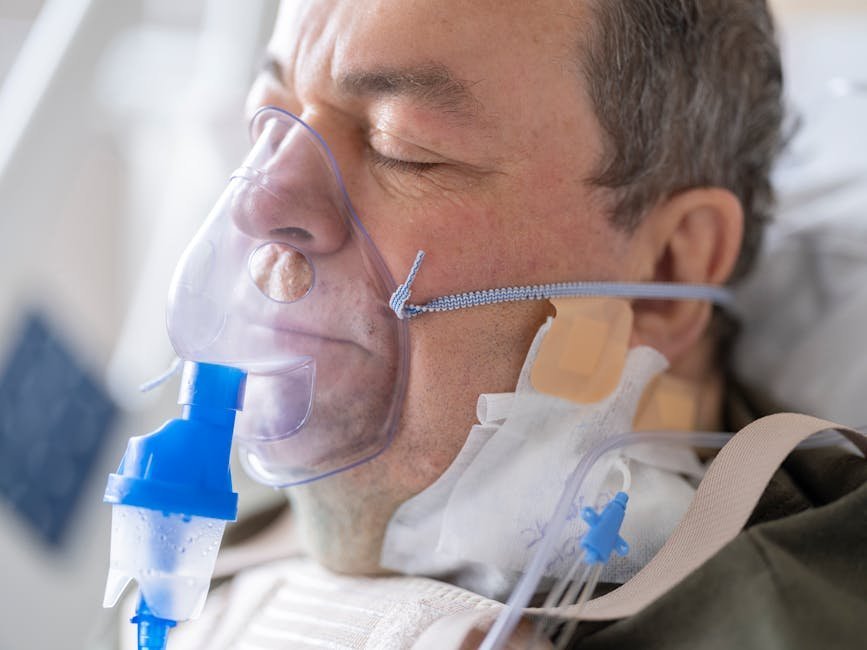
Specialized post-ICU clinics now exist at a growing number of academic centers. The Vanderbilt ICU Recovery Center, founded in 2012, remains a model. The Indiana University Critical Care Recovery Center and the University of Michigan Post-ICU Longitudinal Survivors clinic all offer multidisciplinary follow-up. A typical first visit, scheduled around three months post-discharge, includes a critical care physician, a neuropsychologist, a psychiatrist or psychologist, a physical therapist, and a social worker.
If there is no formal post-ICU clinic in your area, a coordinated handoff between primary care, a psychiatrist, and a neuropsychologist can replicate most of the value. Three months post-discharge is the standard screening interval because by then, the acute medical recovery has usually plateaued and the persistent symptoms are visible. People who lived through long medical illnesses, like the survivors discussed in our piece on long COVID and lasting depression, share many of the same recovery challenges.
Treating the Mental Health Component
PTSD after ICU stays has unusual features. Memories are often fragmented and dreamlike, mixed with delusional content from the delirium itself. Patients describe scenes that did not happen but feel real, of being held captive, tortured, or watching family members harmed. These false memories are as traumatic as accurate memories of intubation, suctioning, or nighttime alarms. Trauma-focused therapies such as cognitive processing therapy and prolonged exposure therapy have been adapted for ICU survivors, with adjustments to handle the reality-testing challenges of delirium-derived memories.
Depression after ICU often responds to standard SSRI treatment, although clinicians should screen for ongoing medical contributors such as anemia, thyroid dysfunction, and steroid effects before prescribing. Anxiety, particularly health anxiety and panic around medical settings, often requires both medication and a behavioral component. Family education matters because spouses sometimes interpret cognitive lapses as personality change or laziness, which damages the marital relationship at exactly the moment the survivor needs support. ICU diaries, a structured journal kept by family and staff during the admission, have evidence for reducing PTSD when the patient reads through the diary in the months after discharge. The reconstruction of accurate memories crowds out the delirium-driven ones.
Cognitive Rehabilitation Strategies
Cognitive rehabilitation for PICS borrows heavily from traumatic brain injury rehab and stroke recovery. The targets are attention, working memory, executive function, and processing speed. Computer-based programs, structured by a speech-language pathologist or neuropsychologist, train these domains over twelve to twenty sessions. Compensatory strategies, such as smartphone reminders, written checklists, and reduced multitasking demands, help the survivor function while underlying cognition heals. Most studies show meaningful gains over six to twelve months, with some patients achieving full return to baseline and others stabilizing at a new normal that still allows work and independent living.
Sleep deserves separate attention. Sleep disturbance during the ICU stay, driven by alarms, around-the-clock care, and the pharmacology of sedation, often persists for months. Untreated insomnia worsens every other symptom of PICS. Cognitive behavioral therapy for insomnia, abbreviated CBT-I, is the first-line treatment and works well in this population. Patients seeking guidance on comprehensive treatment plans for complex psychiatric conditions can use similar frameworks for organizing post-ICU recovery. Reliable patient education on critical illness recovery is published by the National Institutes of Health, with public health context from the CDC.

Practical Steps for Survivors and Families
If you or a loved one was in the ICU within the last year, a few specific actions tilt the recovery curve. Schedule a primary care visit at one month post-discharge specifically to discuss PICS. Bring a written list of any cognitive complaints, mood changes, sleep problems, and physical limitations. Request a referral to a neuropsychologist for testing at three months, even if you feel fine, because subtle changes show up on testing before they are obvious in daily life. Ask the primary care doctor about screening for depression, anxiety, and PTSD with validated tools such as the PHQ-9, GAD-7, and PCL-5. If symptoms are present, ask for psychiatric and therapy referrals before they spiral.
Family members of the survivor should also screen themselves. PICS-Family rates of depression, anxiety, and PTSD run 25 to 50 percent. Pretending to be fine for the survivor’s benefit damages everyone. Returning to work too quickly is the most common preventable setback. A graduated return, often two to three half-days per week, lasts three to six months for most knowledge workers.
Frequently Asked Questions
How long does PICS last?
For most survivors, the steepest improvement happens in the first six months, with continued slower gains through the first one to two years. About a third of survivors have residual symptoms beyond two years. Earlier diagnosis and structured rehabilitation improve the trajectory.
Does insurance cover post-ICU recovery clinics?
Coverage is mixed. The individual visits, including neuropsychology and psychiatry, are usually covered as standard outpatient care. The bundled, multi-disciplinary structure may not always be in network, but each component can typically be arranged separately if needed. Medicare and most commercial insurers cover cognitive rehab when ordered by a physician with appropriate documentation.
Can children develop post-ICU syndrome?
Yes. Pediatric PICS, called PICS-p, is well recognized. Children may show emotional dysregulation, sleep disturbance, regression in developmental skills, and academic decline. Pediatric ICU survivors should be followed by their pediatrician with attention to school performance, behavior, and mental health for at least one year post-discharge.
Should I read my own ICU records to fill in memory gaps?
For many survivors, structured review of medical records or an ICU diary, ideally with a therapist present, helps reduce false memories and ease PTSD. Reading the records alone for the first time is not recommended. Discuss timing and approach with your mental health provider.
Are there medications to prevent or treat ICU delirium?
No medication has been proven to prevent ICU delirium reliably. Antipsychotics like haloperidol and quetiapine are sometimes used to manage symptoms once delirium is present, but they do not shorten its duration. The strongest interventions are non-pharmacological, including sleep protection, daylight exposure, family presence, and the ABCDEF bundle.
The Bottom Line
Post ICU syndrome is a real, common, and treatable consequence of critical illness that affects more than half of ICU survivors. Cognitive impairment, PTSD, depression, anxiety, and physical weakness can persist months to years after discharge, especially in patients who experienced prolonged ICU delirium. The ABCDEF bundle during the ICU stay reduces risk, and post-ICU recovery clinics, when accessible, coordinate the multi-disciplinary care needed for full recovery. Three months post-discharge is the appropriate screening window. Survivors and families who name the syndrome, screen for it, and treat its components fare measurably better than those who try to push through.
988 Reference
If you or someone you love is experiencing suicidal thoughts after a serious medical illness or ICU stay, call or text 988 to reach the Suicide and Crisis Lifeline. Trained counselors are available around the clock and understand the emotional aftermath of medical trauma.
Disclaimer: This article is for general educational purposes and does not replace medical advice from a licensed clinician. Post-ICU recovery should be individualized in coordination with your critical care team, primary care physician, and qualified mental health professionals.