Marisol arrived at the front door of a quiet two-storey house on a residential street in Claremont, New Hampshire, with a duffel bag and a phone that had been ringing for three days. She had spent the previous week in the kind of escalating distress her family had learned to recognise. Friends had urged her to call 988, but she had been hospitalised twice before and had decided, sitting on the floor of her kitchen, that she would rather try anything else first. A friend in a recovery group mentioned Stepping Stone, a peer-staffed alternative to a psychiatric hospital, where guests stayed up to a week and the whole staff had personal experience with what she was going through. She called, was offered a bed for the next afternoon, and arrived to find a woman about her age sitting on the porch with two cups of coffee. No one took her belongings. No one assigned her a room number. The peer who greeted her introduced herself, asked what kind of week Marisol had been having, and walked her inside. Six days later Marisol left, calmer and no longer in danger, having slept in a place that called itself a peer respite house rather than an emergency room.
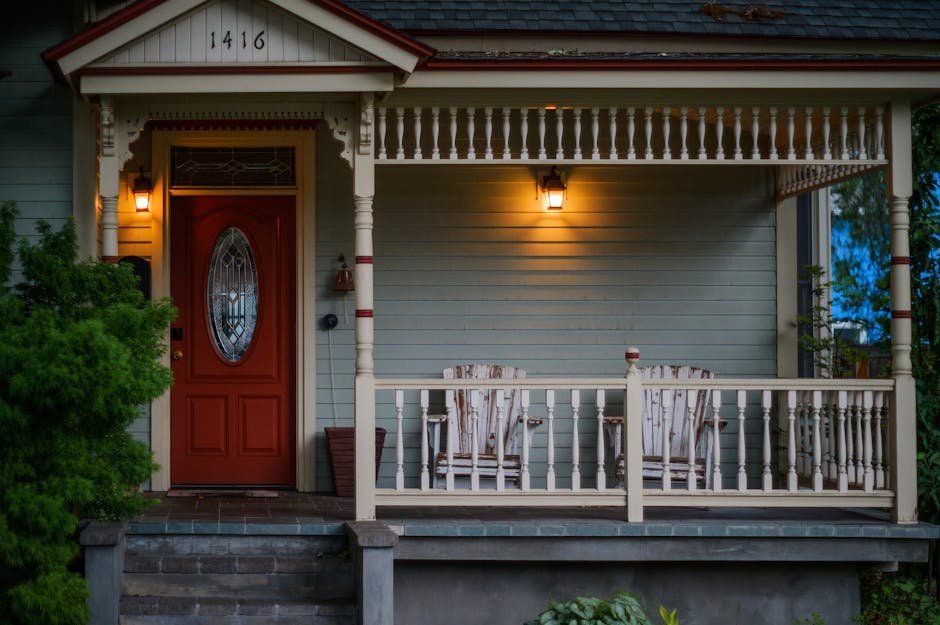
Peer respite houses are one of the quietest revolutions in American mental health care. They are small, residential, voluntary, and staffed by people who have lived through serious mental illness or psychiatric hospitalisation themselves. This guide explains what peer respite is, where it came from, where to find one, and how the funding works.
What a peer respite house actually is
A peer respite house is a short-term residential setting, usually with four to eight beds, that offers an alternative to psychiatric hospitalisation for adults in emotional crisis. The defining feature is that every staff member, from the overnight worker to the program director, identifies as a peer, meaning they have personal experience of mental illness, trauma, or psychiatric services and have been trained to use that experience in support of others. There are no nurses or psychiatrists on site. There is no involuntary treatment. Guests, as residents are called, retain their phones, their cars, their belongings, and their right to leave.
The respite is voluntary in both directions. Guests choose to come, and the program chooses whether it is a fit. Most houses do a brief screening, often by phone, to confirm that the person is not in immediate medical danger and that they can manage shared living with other guests. Guests sign no commitment, can leave at any hour, and can come back another time without prejudice. The model treats the people who use it as adults navigating a difficult patch, not as patients to be processed.
The original models, from Soteria to Stepping Stone
The lineage of the modern peer respite begins in 1971, when the psychiatrist Loren Mosher opened Soteria House in San Jose, California. Soteria was a residential alternative for young adults experiencing first-episode psychosis, staffed by non-clinically trained companions who lived alongside guests. Studies of Soteria found that residents experienced symptom reduction comparable to or better than those treated in hospitals, with much lower medication use and better social functioning. The original house closed in 1983 under federal funding pressure, but its model has been revived in Vermont, Israel, and several European countries.
The contemporary American peer-respite movement emerged in the early 2000s. Stepping Stone, opened in 1995 in Claremont, New Hampshire, was one of the first programs to insist on entirely peer staffing and on allowing guests in active suicidal distress to stay. Rose House, founded in 2001 in Milton, New York, refined the model and trained staff for a generation of programs. Second Story in Santa Cruz brought the model to the West Coast. Today there are roughly forty-five peer respite programs operating in the United States.
The evidence base
Critics of peer-run programs have long argued that they cannot safely replace hospital-level care for people in genuine crisis. The accumulated evidence has not borne that out. Studies from researchers at the University of California, Davis, the Yale Program for Recovery and Community Health, and Live and Learn have followed peer-respite guests through admission and for six to twelve months afterwards. The findings are consistent.
- Symptom and distress scores at discharge are comparable to those of patients leaving inpatient psychiatric units, despite the absence of involuntary treatment.
- Rates of psychiatric rehospitalisation in the year following a respite stay are lower than rates following a comparable hospital admission.
- Self-reported empowerment, hope, and connection scores are markedly higher.
- Cost per stay runs roughly one quarter to one third of an inpatient stay, with no documented increase in completed suicides during or after stays.
None of this means peer respites are appropriate for everyone. People requiring detoxification, those with active medical instability, and those in danger from someone else are screened to other settings. But for the broad middle of psychiatric crisis, the evidence supports the model.

Length of stay and what a typical day looks like
Most peer respites cap stays at one to two weeks, with an average of five to seven days. A typical day is quiet by design. Guests sleep until they are ready, eat communal meals when they want company, and work with peer staff on whatever feels useful. Some sleep for the first three days and then begin to reconnect; others arrive ready to talk. There are no scheduled groups in most houses, no medication-pass lines, and no observation checks.
Activities vary by house. Some run gentle wellness walks; others have a kitchen open at all hours. Most have quiet rooms for solitude and a shared porch for company. Family contact is encouraged but not required. Guests can leave for work shifts or appointments and come back to their bed.
Eligibility, screening, and the difference from sober living
Peer respites are not detox facilities and not sober living. Most programs accept guests who use substances, but they screen for active intoxication on arrival and ask that drugs and alcohol stay off the property during the stay. Houses vary on whether they admit people with significant medical needs, on age limits (most programs serve adults 18 and older, with a handful of youth-specific houses), and on geography (some take residents from anywhere in the state, others only from the surrounding county).
Screening usually consists of a fifteen-minute phone call. The intake worker asks about your situation, what you are hoping the stay will give you, what medications you take, and whether you have a way to get there. If a bed is available you can often arrive the same day. Our companion piece on crisis stabilisation alternatives compares peer respites with mobile crisis teams and crisis stabilisation units in more detail.
How peer respites are funded
The financing of peer respite has been the historic obstacle to expansion, and the most important recent shift is that the obstacle is loosening. Three funding streams now keep most programs operating, often layered on top of one another.
- State Mental Health Block Grant. The federal block grant, administered through SAMHSA, has historically been the backbone of peer-respite funding. States contract with respite operators using block grant dollars and treat the houses as part of their crisis-system infrastructure.
- Medicaid 1115 waivers. Several states (including Oregon, Washington, California, and most recently New York) have submitted 1115 demonstration waivers that allow Medicaid to reimburse peer-respite stays directly. Where this is in place, the program does not need to secure block grant funding for every guest, and capacity is far easier to expand.
- Crisis-system set-asides. The post-988 wave of state legislation, which has made the Suicide and Crisis Lifeline the front door for psychiatric crisis, has driven most states to invest in alternatives to emergency departments. Peer respite has been a frequent recipient of this funding, sometimes as a partner to a Certified Community Behavioral Health Clinic (CCBHC) and sometimes as a standalone contract.
For the guest, the practical effect is simple: stays are almost always free. A small number of houses charge sliding-scale fees for guests with private insurance, but most do not bill the guest at all.
Finding a peer respite near you
The single best directory of peer-run respite programs in the United States is maintained at peerrespite.com, a project of Live and Learn that lists houses by state with intake phone numbers and hours of operation. The directory is updated as new programs open. Your state’s department of mental health typically lists peer respite among its crisis services and can refer you. The SAMHSA National Helpline can also direct callers to the nearest peer respite if one exists.
If your state does not have a peer respite, the next closest option is often a crisis stabilisation unit operated under CCBHC funding, which has many of the same features but is staffed with a mix of peer and clinical workers. Our overview of community-based crisis services covers the full landscape.
Where peer respite fits in the 988 and CCBHC ecosystem
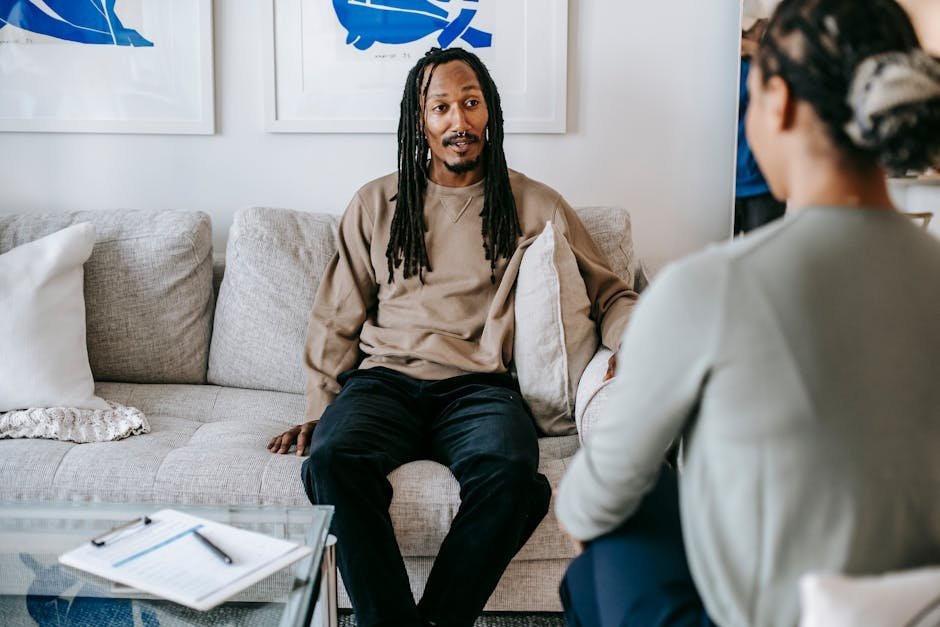
The launch of 988 in July 2022 changed the political landscape for psychiatric crisis services. States that had been quietly running one peer respite as a pilot project found themselves under pressure to expand the model so that 988 callers had a destination other than the emergency room. The standard mental-health crisis-care continuum, articulated in SAMHSA’s national crisis-care guidelines, includes someone to call (988), someone to come (mobile crisis), and somewhere to go. The “somewhere to go” piece has historically been the weakest link, and peer respite is one of the most effective ways to fill it.
The same expansion has happened around CCBHCs. Many newly designated clinics partner with a peer respite to handle the residential follow-up to a 988 call or a mobile-crisis dispatch. The pattern is now visible in counties as different as King County, Washington, and Mecklenburg County, North Carolina. If you live in a region with a CCBHC, ask whether they have a peer respite partner; the answer is increasingly yes. For broader navigation help, see our guide to insurance and mental health.
Frequently asked questions
Can I stay at a peer respite if I am suicidal?
Yes. Peer respites were specifically designed to accept guests in active suicidal distress as long as they are not in immediate medical danger. Many guests come precisely because they are suicidal and want a safer place to ride out the wave than home or the emergency department. Staff are trained in suicide-specific peer support.
Will the respite contact my outside therapist or psychiatrist?
Only with your written permission. Peer respites operate as confidential settings; staff will not contact your treaters, employer, or family without a signed release from you. Many guests use a respite stay to take a break from outside obligations entirely.
What if I take psychiatric medication?
You bring it with you and self-administer as you would at home. Houses do not dispense medication and do not have nursing staff to manage complex regimens. If your medications change frequently or require monitoring, ask whether the program is a good fit for your current situation.
Can I come back after a stay?
Most programs welcome return guests and treat repeat stays as healthy use of the resource. A small number of houses cap the number of stays per calendar year, but the cap is usually generous (six to twelve stays).
Are there peer respites for adolescents?
A small but growing number of programs serve youth aged 14 to 17, including programs in Massachusetts and California. Most adult peer respites cannot accept minors. Your state crisis line can tell you whether a youth respite exists in your area.
The bottom line
Peer respite houses do something American psychiatric care has always struggled to do, which is offer a safe, voluntary, low-cost place to ride out a crisis without surrendering one’s autonomy. The evidence behind the model is strong, the funding picture is improving, and the houses are quietly multiplying as 988 and CCBHC dollars reach them. If your state has a peer respite, learn its name now, before you need it. If it does not, ask your state’s mental-health authority why, and point to peerrespite.com when they ask what model you mean.
If you are in immediate crisis, call or text 988 to reach the 988 Suicide and Crisis Lifeline. The line operates 24 hours a day in English and Spanish and can connect you to local mobile crisis services and, where available, to peer respite programs.
This article is for educational purposes only and does not constitute medical advice. Peer respite eligibility, hours, and funding vary widely by state and program; always confirm details directly with the house. If you are experiencing a medical emergency, call 911.