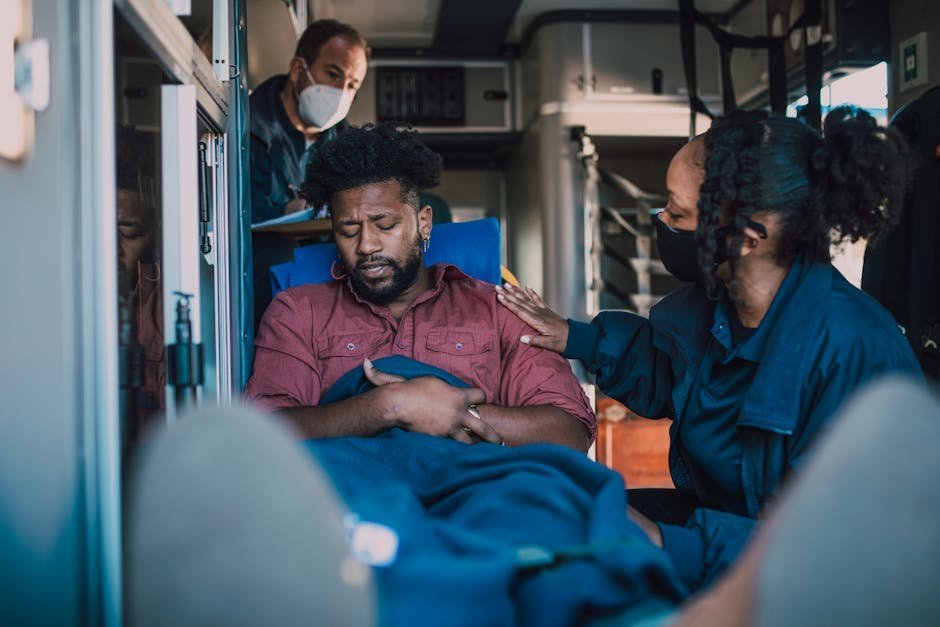
Diane was forty-four, a bookkeeper in Cleveland, when she got the call about her son Eli at 11:47pm on a Tuesday. He was twenty-two. He had used heroin in a parking lot behind a Dollar General with a friend, and the friend had recognised the blue lips and called 911 instead of running, which was not always how this story ended. The paramedics gave Eli intranasal naloxone. He came back. They gave him a second dose because the first was not holding. By the time Diane arrived at the small ER, Eli was awake, agitated, sweating, vomiting, and trying to leave. The triage nurse was gently telling him he had to stay because the naloxone would wear off and he could re-overdose. Eli was not interested. He was furious that he had been brought back. The attending physician sat with Diane for ten minutes and explained, with more patience than the situation seemed to deserve, why the next twelve hours would determine whether her son lived through the year. Real heroin overdose recovery, she learned, did not start with the naloxone. It started with what happened next.
What naloxone actually does
Naloxone is a competitive opioid receptor antagonist. It binds the mu, kappa, and delta opioid receptors with higher affinity than heroin or fentanyl, displacing the opioid molecules and reversing respiratory depression. Onset is rapid: 2 to 3 minutes for intranasal, 1 to 2 minutes for intramuscular, less than a minute for intravenous. The effect lasts 30 to 90 minutes. Heroin lasts 4 to 6 hours. Fentanyl lasts 1 to 3 hours but in adulterated street supply may have longer-acting analogues mixed in. The mismatch between naloxone duration and opioid duration is the central clinical problem in heroin overdose recovery: the rescue is temporary, and the underlying overdose is not over when the naloxone wears off.
This is why ER teams insist on observation. The post-naloxone period is a known re-overdose window. Patients who appear fully reversed in the first 30 minutes can slide back into respiratory depression at hour 2 or hour 4 as the antagonist clears and the residual opioid load reasserts itself. Fentanyl-laced products require multiple naloxone doses for initial reversal and can produce delayed re-overdose hours later despite an apparently uneventful initial recovery.
Precipitated withdrawal and why patients refuse care
The single most underappreciated factor in why overdose patients leave the ER against medical advice is precipitated withdrawal. Naloxone displaces the opioid abruptly, which throws the patient into severe acute withdrawal within minutes. The clinical picture is brutal: nausea, vomiting, diarrhoea, abdominal cramping, severe muscle aches, agitation, anxiety, sweating, and a sense of overwhelming dysphoria. Patients describe it as the worst they have ever felt physically. Many use opioids in part to avoid this exact experience. Waking up reversed is not gratitude. It is suffering.
The rational human response to severe pain and dysphoria is to seek relief. For someone who knows that heroin or fentanyl will end the suffering immediately, the urge to leave the hospital and use again is intense. This is why nearly half of overdose patients sign out against medical advice within 4 hours. It is not because they do not understand the risk. It is because they are profoundly uncomfortable and the comfort they know is half a mile away.
The against medical advice problem
The AMA discharge after overdose is a public health crisis hidden inside an individual clinical event. Patients who leave AMA after naloxone reversal have substantially higher 28-day mortality than those who stay for observation and treatment initiation. The first hours after AMA discharge are particularly dangerous because tolerance has been pharmacologically reset, and the patient who returns to a prior dose can fatally overdose on what was previously a tolerable amount.
ER teams have no legal authority to hold an adult with decisional capacity against their will. Even patients in precipitated withdrawal are typically deemed to have capacity once the acute symptoms peak and resolve. The strategies that reduce AMA rates focus on making the ER a place worth staying. Aggressive symptomatic management of withdrawal, a private space rather than a hallway bed, peer recovery specialists who have lived experience and can sit with patients through the worst hours, and immediate buprenorphine induction all reduce AMA discharge.

ER buprenorphine induction protocols
The single most important advance in overdose recovery in the last decade is the ER buprenorphine induction protocol. The model was pioneered at Yale and is now standard of care in progressive emergency departments. The premise is simple: the ER is the moment of maximum motivation and maximum medical contact for many people with opioid use disorder. Initiating medication for opioid use disorder before discharge produces dramatic improvements in 30-day treatment retention and substantially reduces re-overdose mortality.
The induction protocol typically begins when the patient has reached a Clinical Opiate Withdrawal Scale score of 8 or higher, indicating sufficient withdrawal to safely receive buprenorphine without precipitating worse symptoms. The first dose is 4 to 8mg sublingual. Repeat dosing every 60 to 90 minutes brings the patient to a comfortable steady state, typically at 16 to 24mg total in the first day. The patient is discharged with a prescription bridge of 3 to 7 days and a same-day or next-day appointment at an outpatient clinic. Our overview of methadone versus buprenorphine covers how to choose between the two long-term medication options.
The X-waiver requirement was eliminated by federal law in 2023, meaning any DEA-licensed prescriber can now write buprenorphine. This regulatory change has substantially expanded access, though many ER physicians still need training and protocol support to feel comfortable initiating treatment.
Warm handoff programs and same-day MAT
The discharge plan determines whether the ER intervention sticks. Warm handoff programs link the patient directly to an outpatient MAT clinic before they leave the hospital. The bridge clinic model creates a low-barrier appointment within 24 to 72 hours where buprenorphine continuation, behavioural treatment, and case management begin. States with robust warm handoff infrastructure show 30 to 50 percent treatment engagement at 30 days, compared to under 10 percent for paper referrals.
Same-day buprenorphine clinics now exist in most metro areas. SAMHSA maintains a treatment locator at samhsa.gov that includes both methadone and buprenorphine providers. The CDC publishes overdose data and prevention resources at cdc.gov. Many community health centres and federally qualified health centres now offer same-day MAT inductions without prior authorisation requirements for Medicaid patients.
The 2023 OTC Narcan and what it changed
In March 2023 the FDA approved over-the-counter sales of naloxone nasal spray, branded as Narcan and several generic equivalents. This was a long-fought public health victory. Pharmacies, community organisations, harm reduction programs, and even vending machines now distribute naloxone without a prescription. Many states and counties make it free through public health programs. Bystander reversal rates have climbed in regions with aggressive distribution.
The ER discharge after an overdose should include a naloxone kit physically in the patient’s hand, training on use, and at least one second kit for a family member or partner. Many programs also distribute fentanyl test strips, which allow people who use to detect fentanyl contamination in their supply before use. The combination of MAT, naloxone, and fentanyl test strips constitutes the modern harm reduction backbone for opioid use disorder. Our piece on naloxone distribution and use covers the mechanics in more depth.
The 28-day post-overdose mortality window
Multiple cohort studies have shown that the 28 days following an overdose are the highest-risk period for fatal re-overdose in a person’s life. The mechanism is multifactorial: tolerance has been disrupted, the supply chain that produced the original overdose is often unchanged, the social environment is unchanged, and the precipitating stressors that drove use are unaddressed. Mortality rates in the first month after a non-fatal overdose are roughly 20 to 30 times higher than baseline mortality for people with opioid use disorder.
This window is also the moment of maximum motivation. Patients who have just survived an overdose are often more open to treatment than they have been in years. Programs that capture this window with low-friction MAT, peer recovery support, and stable housing referrals show meaningful reductions in 30-day mortality. Programs that do not capture it, that discharge with a paper referral and no follow-up, see mortality patterns that look like they did before naloxone existed.
Post-overdose case management
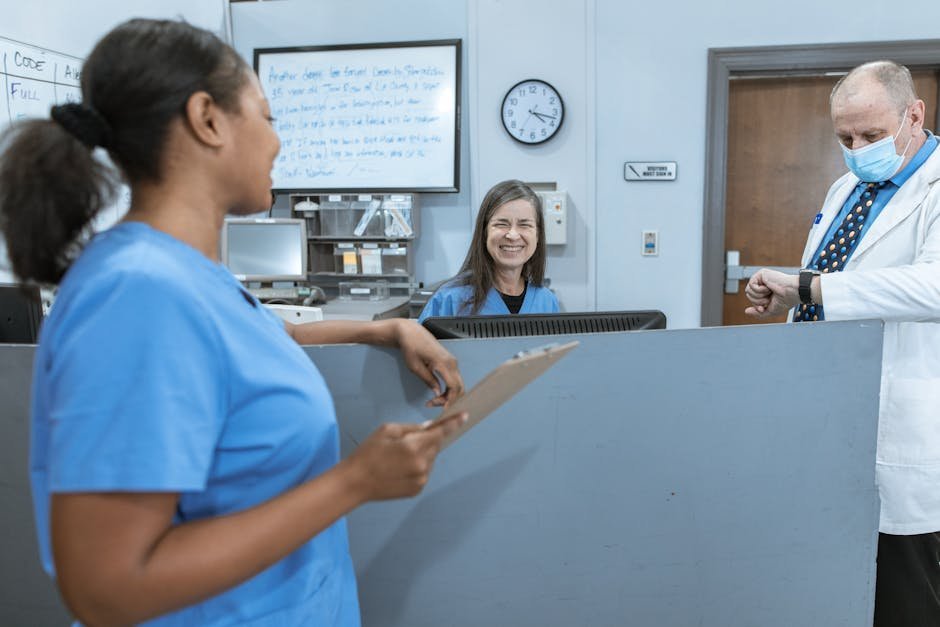
Case management is the connective tissue that holds the rest of the system together. A case manager assigned within 24 hours of an overdose can navigate the appointment scheduling, transportation, insurance prior authorisation, prescription pickup, and family communication that overwhelms most patients in early recovery. Hospital-based case managers handle the inpatient phase. Community-based case managers, often peer recovery specialists, handle the outpatient transition.
The most effective programs assign a single case manager to follow the patient for 6 to 12 months, with weekly contact in the first month and monthly thereafter. Case management is reimbursed by Medicaid in most states for patients with substance use disorders. For patients without insurance, federally funded programs including SAMHSA grants support case management at no cost.
Good Samaritan laws and legal protection
One of the persistent barriers to bystander 911 calls during overdoses is fear of arrest. Drug-induced homicide laws in some states prosecute the person who supplied or used with someone who died. Even in states without these laws, witnesses fear paraphernalia charges or arrest on outstanding warrants. To address this, most states have passed Good Samaritan laws that provide partial immunity for people who call 911 to report an overdose. Coverage varies. Some states protect against possession of personal use quantities. Some protect against probation and parole violations. None provide blanket immunity for distribution or trafficking.
Patients and families should know the specifics of their state’s law. Public health departments and harm reduction programs publish state-by-state guides. The bottom line for bystanders is that calling 911 is almost always legally safer than not calling, and from a moral standpoint it is the only response. Our coverage of opioid detox protocols walks through the medical phase that begins after the acute event.
Frequently asked questions
How long do I need to stay in the ER after naloxone?
The standard observation period is 4 to 6 hours after the last naloxone dose for short-acting opioids and at least 8 to 12 hours if fentanyl was suspected or multiple doses were required. Symptoms can recur as the antagonist clears.
Why does my loved one keep saying they want to use again right after being saved?
Precipitated withdrawal from naloxone is severe. The urge to relieve the symptoms with the substance that produces immediate relief is intense. This is a pharmacological reality, not a moral failure. Aggressive ER symptom management and rapid buprenorphine induction reduce this urge.
Can I get buprenorphine before I leave the ER?
Yes, in any ER that has implemented an induction protocol. Federal law no longer requires special prescriber waivers as of 2023. If your local ER does not offer this, ask to be transferred to one that does, or call SAMHSA’s helpline for the nearest same-day MAT clinic.
Will I be arrested for calling 911 to report an overdose?
In most states Good Samaritan laws provide partial immunity for the caller and the person overdosing for personal use quantities. Specifics vary by state. The bottom line is that calling is almost always safer than not calling, both legally and ethically.
How can I find a same-day MAT clinic near me?
SAMHSA maintains a national treatment locator. State public health departments publish bridge clinic and same-day buprenorphine clinic lists. Many federally qualified health centres now offer same-day inductions without insurance requirements.
The bottom line
Naloxone reverses an overdose. It does not treat opioid use disorder. The 28 days after an overdose are the highest-risk period for fatal re-overdose, and the ER visit is the highest-leverage moment for intervention. The clinical priorities are aggressive withdrawal management, immediate buprenorphine induction, naloxone in hand at discharge, warm handoff to outpatient care, and 6 to 12 months of case management. The patient who walks out with a prescription, an appointment, and a peer recovery specialist phone number lives. The patient who walks out with a paper referral often does not. The system either captures the post-overdose moment or loses people who could have recovered.
If you are in immediate emotional crisis or thinking about suicide, call or text 988 to reach the Suicide and Crisis Lifeline. Trained counsellors are available 24/7 and the call is free and confidential.
This article is for educational purposes only and does not constitute medical advice. Always consult a licensed addiction medicine physician, emergency physician, or treatment program for diagnosis and treatment of opioid use disorder and overdose recovery.