Reggie Halverson had been awake for nine days when his sister Janelle finally drove down from Minneapolis to his apartment in Madison, Wisconsin. He had quit his accounting job by email at 3 a.m. on day three, opened seven new credit cards by day five, bought a used motorcycle on day six despite never having ridden one, and was now mid-sentence about a business plan to “rebuild the Mississippi River corridor” when Janelle walked in. He was animated, charismatic, and completely unable to slow down. He had not slept, eaten more than crackers, or showered in over a week. His apartment smelled of cigarettes and old coffee. Reggie had been diagnosed with bipolar I disorder at age 24 and had been stable on lithium for nine years until he stopped taking it three months earlier “because it was dulling his creativity.” Janelle made one phone call to his outpatient psychiatrist, who said exactly what she needed to hear: do not try to talk him into the car. Call 911 now and request a mental health crisis team for involuntary evaluation. Forty hours later, Reggie was on a locked unit at UW Health, restarted on lithium, and beginning the slow climb back to his life.
For families watching a loved one slide into a manic episode, knowing when bipolar mania hospitalization becomes necessary is the most important judgment they will make. Get it wrong by going too early and you damage trust. Get it wrong by waiting too long and the consequences can be catastrophic.

When Mania Crosses the Line into Inpatient Territory
Hypomania (the milder cousin) and mild mania can sometimes be managed outpatient with rapid medication adjustment, daily check-ins, and a supportive home environment. Acute mania of moderate-to-severe intensity almost always requires inpatient care. The clinical thresholds that signal inpatient need:
- Severe sleep deprivation, typically less than 3 hours per night for 4 or more consecutive nights
- Hypersexuality producing actual risk (anonymous encounters, leaving spouse, online behavior creating legal exposure)
- Major financial decisions in progress (large purchases, account openings, gambling, property transactions)
- Psychotic features (delusions of grandeur or persecution, auditory hallucinations, paranoia)
- Aggression or threatening behavior toward family or strangers
- Active suicidal or homicidal ideation, even when blended with euphoria
- Inability to perform basic self-care (eating, hygiene, taking medication)
- Driving recklessly or under the influence
Any one of these in moderate severity, or two together at any severity, is generally an inpatient indication. The presence of psychosis or self/other safety concerns shifts admission from “advisable” to “mandatory” in most clinical frameworks. Our overview of bipolar disorder treatment covers the broader management context.
Voluntary vs Involuntary Admission
Most adults experiencing acute mania prefer to admit themselves voluntarily once a trusted family member or psychiatrist explains the situation calmly. Voluntary admission preserves more legal autonomy, allows the person to leave against medical advice (with a 72-hour notice in most states), and is generally less traumatic.
When the person refuses care and meets criteria, involuntary commitment laws apply. California’s 5150 process is the best known, but every state has equivalents (Wisconsin’s Chapter 51, Minnesota’s 72-hour hold, New York’s 9.39, Texas’s MHC). The threshold is usually similar: imminent danger to self, imminent danger to others, or grave disability such that the person cannot provide for basic needs. Mania frequently meets the third criterion even when the person is not overtly dangerous. Our piece on psychiatric hold 5150 walks through the process step by step. When the person refuses care entirely, the family resource we recommend most is when a loved one refuses, which covers de-escalation and intervention strategies.
Length of Stay and What Actually Happens Inside
Acute manic admissions typically run 5 to 21 days. The average in 2024 US data was approximately 8 days. The reason for the wide range is that mania resolves on a biological timeline that medication can accelerate but cannot rush. Sleep restoration in the first 48 hours is the single most predictive factor for early discharge. Patients who sleep 6 to 8 consecutive hours by night 3 typically are stable enough for step-down within 7 days. Those who do not often need 14 to 21 days.
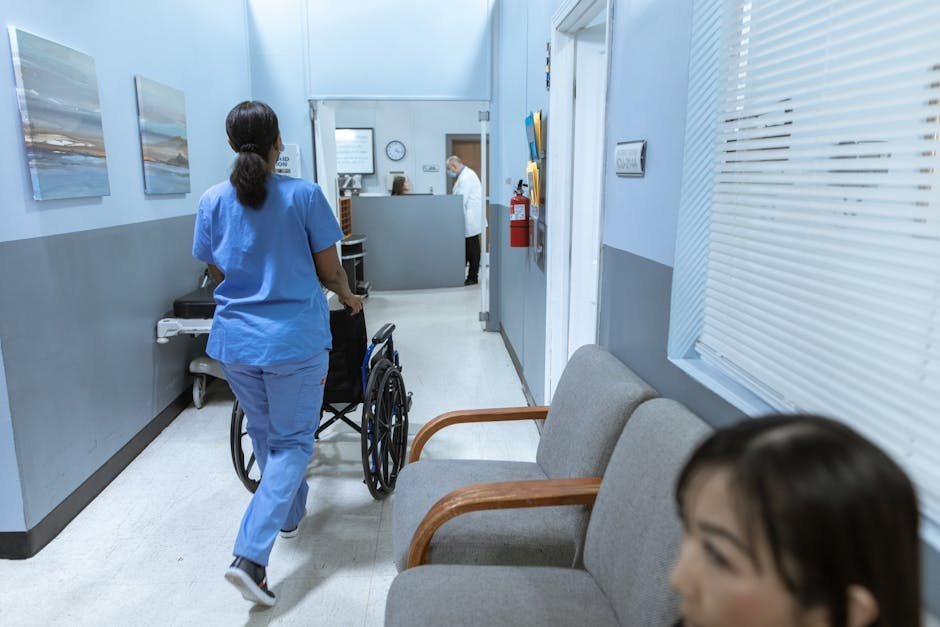
A typical inpatient day includes morning rounds with the attending psychiatrist, group therapy, individual therapy time (often brief during acute mania), medication administration, structured meals, and minimal stimulation. Phones and visitors are often restricted in the first 48 to 72 hours, both to protect the patient (who may be making manic phone calls or texts) and to allow rest. Most units allow visitors after that period during set hours.
Medication Strategy for Acute Mania
The acute mania medication algorithm is one of the most well-defined in psychiatry. First-line approaches:
- Lithium loading: starting at 600 to 900 mg daily, titrated to a serum level of 0.8 to 1.2 mEq/L, typically achievable within 5 days
- Valproate (Depakote) loading: 20 to 30 mg/kg loading dose, faster onset than lithium but more sedating
- Atypical antipsychotic: olanzapine 10 to 20 mg, risperidone 4 to 6 mg, or quetiapine 600 to 800 mg, often added on day 1 for behavioral control
- Short-term benzodiazepine: lorazepam or clonazepam, used in the first 5 to 7 days for sleep restoration, then tapered
For breakthrough mania despite outpatient lithium, the typical strategy is to optimize the lithium level, add an atypical antipsychotic, and address any precipitating factors (substance use, sleep deprivation, missed doses). For first-episode mania, lithium is often preferred long-term because it is the only mood stabilizer with strong evidence for suicide prevention. ECT is highly effective for refractory or mixed-state mania and remains underused in the US. The Depression and Bipolar Support Alliance (dbsalliance.org) maintains current treatment guidelines and patient education materials.
What Families Should Pack
If you have time before transport, the following items help admission go smoothly:
- Photo ID and insurance card
- List of current medications, doses, and prescribing psychiatrist contact info
- Comfortable clothes for 7 days, in soft fabrics (no drawstrings, belts, shoelaces, hoodies with strings; the unit will remove these)
- Toiletries in non-glass containers (no aerosols or anything alcohol-based)
- A book or two, paperback only
- Eyeglasses if needed (most units allow these)
- Photos of family members or pets, printed (most units allow paper photos)
- Cash for the small unit canteen, often $20 to $40
Items not allowed: phones (typically held at nursing station), laptops, sharps of any kind, supplements or over-the-counter medications, anything in glass, drawstrings, or shoelaces. Each unit publishes its specific contraband list.
Distinguishing Manic Episode from Substance-Induced Presentation
Stimulant intoxication (cocaine, methamphetamine, amphetamines) can mimic acute mania almost perfectly. So can acute steroid-induced mood episodes, certain antidepressant-induced switches, and some thyroid emergencies. The inpatient team will run urine drug screen, comprehensive metabolic panel, TSH, and often CT or MRI of the brain to rule these out.
The clinical distinction often becomes clear within 48 to 72 hours. Substance-induced mania typically resolves rapidly once the substance is metabolized, while true bipolar mania persists. This matters because long-term mood stabilizer treatment is appropriate for true mania but not necessarily for substance-induced presentations, where treating the substance use disorder is primary.
Insurance Authorization and the Inpatient Bed Process
Inpatient psychiatric admissions for bipolar mania are generally well-covered by major US insurers under the Mental Health Parity and Addiction Equity Act (MHPAEA), but utilization review is intense. Aetna, Cigna, BCBS, and UnitedHealthcare typically authorize an initial 5 to 7 days, then require concurrent review every 24 to 48 hours.
Daily inpatient psychiatric rates run $1,800 to $4,500 in most US cities. Out-of-pocket maximums (typically $3,000 to $9,000 per individual) limit the family’s exposure for in-network admissions. Out-of-network can cost dramatically more. The hospital’s case manager handles utilization review, but families can advocate by documenting symptoms in detail and asking that ongoing safety concerns be specifically charted. Resources at the National Institute of Mental Health (NIMH bipolar disorder) include patient advocacy guidance.

Discharge Planning and What Comes Next
Successful discharge after acute mania requires more than symptom resolution. The patient leaves the hospital still vulnerable to relapse for at least 4 to 6 weeks. A solid discharge plan includes a follow-up appointment with an outpatient psychiatrist within 7 days, ideally within 3 days, plus a written medication list with explicit instructions, a designated family contact for between-appointment concerns, and often a step-down level of care: partial hospitalization (PHP, 5 days a week, 6 hours daily), intensive outpatient (IOP, 3 days a week, 3 hours daily), or weekly outpatient with a therapist plus monthly psychiatry.
Sleep monitoring matters in the first month. Many bipolar patients use a Fitbit or Apple Watch to track sleep, with the agreement that any night below 5 hours triggers a call to the psychiatrist the next morning. This early-warning system catches relapses 7 to 14 days before they would otherwise become apparent.
Frequently Asked Questions
Will my loved one be angry at us for hospitalizing them? Often yes during the acute phase. After resolution, most bipolar patients express gratitude for family members who took action, even if they resisted at the time. Very few people report regretting their inpatient admission once stabilized; many report regretting that family did not act sooner.
How quickly does mania actually respond to medication? Sleep restoration usually begins by night 2 or 3. Behavioral calming begins by day 4 to 5. Insight and judgment recovery is the last to return, often taking 7 to 14 days. Full functional recovery extends 4 to 12 weeks beyond discharge.
Can someone be hospitalized for hypomania alone? Generally no. Hypomania does not meet inpatient criteria unless it is rapidly escalating or producing dangerous behavior. Outpatient medication adjustment is the standard response.
What if my insurance denies the admission? Federal parity law requires that mental health admissions be reviewed under the same medical necessity standards as physical health admissions. Denials can be appealed, often successfully. The hospital’s case management team handles initial appeals; families can escalate to the state insurance commissioner if needed.
Should I bring the kids to visit? Most units allow children with parent supervision and in age-appropriate ways. For acute mania, brief visits (15 to 30 minutes) after day 5 are usually fine if the parent is stable enough. Discuss with the treatment team in advance.
The Bottom Line
Bipolar mania hospitalization is one of psychiatry’s clearer interventions: when sleep is gone, judgment is gone, and risk to self or finances or relationships is mounting, an inpatient bed is the right answer. Most stays run 5 to 21 days. Lithium, valproate, atypical antipsychotics, and short-term benzodiazepines are the standard tools, with ECT held in reserve for refractory or mixed presentations. Insurance generally covers these admissions under parity law, though aggressive utilization review is the norm. The hardest part is usually the family’s decision to act, especially when the person resists. Reggie Halverson and his sister Janelle now treat the late-September warning signs (irritability, decreased sleep, increased spending) as a defined trigger for outpatient escalation, and a second admission in nine years has not been needed. With the right plan, even severe bipolar I becomes a manageable condition rather than an intermittent catastrophe.
If you or someone you love is in crisis, call or text 988 to reach the Suicide and Crisis Lifeline. They can also help with bipolar emergencies that do not specifically involve suicidal thinking.
This article is for informational purposes only and does not constitute medical advice. Bipolar disorder requires individualized treatment by a licensed psychiatric clinician. Decisions about hospitalization, medication, and care plans should be made with a qualified provider who knows the specific patient. Do not adjust medications based on any general guidance.