The plan was supposed to be simple. Take a few days off work, lock the liquor cabinet, ride out the shakes with cold showers and ibuprofen. By the third night the room is spinning, the heart is racing at 140, and the family is trying to figure out whether the seizure was a one-off or a sign that the next twelve hours could go very wrong. This is how most people learn — the hard way — that alcohol withdrawal is genuinely different from withdrawal from almost any other substance, and that medical alcohol detox is not a luxury upgrade over the white-knuckle approach. For some people it is the difference between recovery and an ICU bed.
This guide explains why alcohol withdrawal can kill you when other detoxes will not, how clinicians decide whether you actually need medical detox or can taper at home safely, what medications are used, where to find a licensed program near you, and what insurance typically covers. It is written for the person trying to make a call this week, not next month.
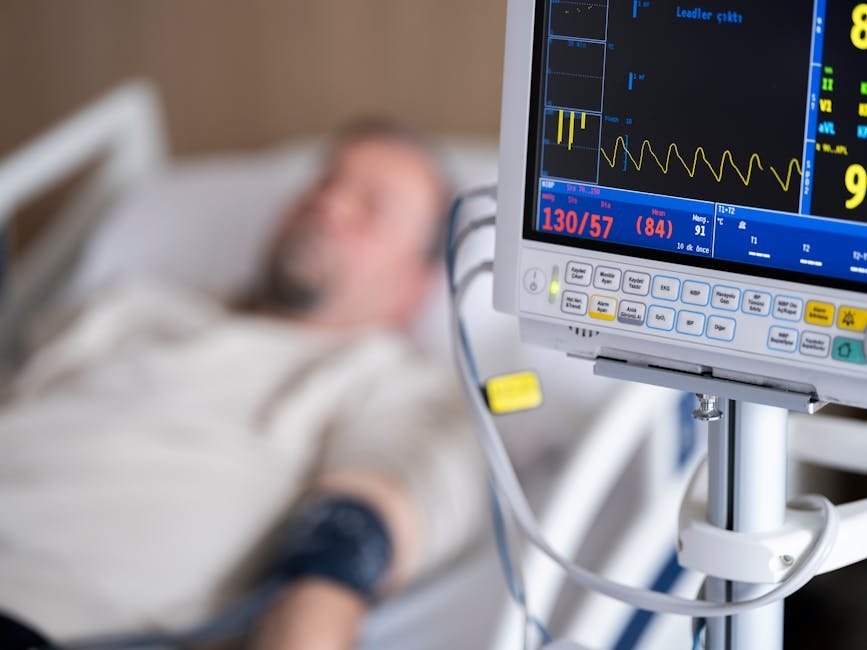
Why alcohol withdrawal can kill you when most others will not
Three substances in modern use have withdrawal syndromes that can be directly fatal: alcohol, benzodiazepines, and barbiturates. Heroin withdrawal will make you wish you were dead but rarely actually kills a healthy adult. Alcohol withdrawal kills several thousand Americans every year, mostly because they did not seek medical alcohol detox and did not know that the symptoms had a tipping point.
The mechanism is straightforward. Long-term heavy drinking causes the brain to compensate for chronic GABA stimulation by ramping up glutamate signalling. When the alcohol stops, GABA suppression goes with it, glutamate stays elevated, and the central nervous system enters a state of unopposed excitation. The phases unfold predictably:
- 6 to 12 hours after last drink: shakes, anxiety, sweating, insomnia, nausea
- 12 to 24 hours: alcoholic hallucinosis (auditory or visual), elevated heart rate, hypertension
- 24 to 48 hours: withdrawal seizures (tonic-clonic, often without prior history)
- 48 to 96 hours: delirium tremens (DTs) — confusion, severe autonomic instability, fever, mortality of 5 to 15% if untreated
The risk of DTs scales with each prior withdrawal episode — a phenomenon called kindling. Someone who has detoxed twice before is at higher risk than a first-timer with the same drinking history. This is why people who have repeatedly tried to quit at home should not assume the next attempt will look like the last one. The full picture of program intensity for substance use is laid out in our substance use levels of care guide, and the inpatient-versus-outpatient question is covered in detail in our breakdown of outpatient versus inpatient detox.
The CIWA-Ar scale: how clinicians decide if you need medical detox
The Clinical Institute Withdrawal Assessment for Alcohol, Revised — CIWA-Ar — is the tool every emergency department and detox unit uses to score withdrawal severity. It rates ten symptoms from 0 to 7: nausea, tremor, sweats, anxiety, agitation, tactile disturbances, auditory disturbances, visual disturbances, headache, and orientation. Scores translate directly into clinical decisions:
- CIWA < 8: mild — outpatient management may be appropriate with close monitoring
- CIWA 8 to 15: moderate — supportive medication, often outpatient with daily check-ins
- CIWA 15 to 20: moderate-severe — inpatient or 23-hour observation strongly indicated
- CIWA > 20: severe — admit, ICU consideration, aggressive benzodiazepine protocol
You can score yourself or a family member roughly with the freely available MDCalc CIWA-Ar calculator, but this is not a substitute for an in-person evaluation. Heart rate above 120, systolic blood pressure above 180, temperature above 100.4, any seizure activity, or any altered mental status moves the conversation from “do I need detox?” to “I need to be in an emergency department now.”
What medications are used in medical alcohol detox
The first-line medication is a long-acting benzodiazepine. Three are used routinely:
- Chlordiazepoxide (Librium): 25 to 100 mg every 4 to 6 hours, tapered over 5 to 7 days. Long half-life, smooth taper, the historical standard.
- Diazepam (Valium): 10 to 20 mg loading doses, repeated until CIWA falls below 10. Self-tapering due to active metabolites.
- Lorazepam (Ativan): preferred when liver function is impaired, since it is not metabolised by the cytochrome P450 system. Dosing 1 to 4 mg every 4 to 6 hours.
Symptom-triggered dosing — medicating only when CIWA exceeds a threshold — is now preferred over fixed-schedule dosing because it shortens length of stay and reduces total benzodiazepine exposure. Adjuncts include gabapentin (for cravings and post-acute symptoms), thiamine 100 mg IV or IM (mandatory before any glucose, to prevent Wernicke encephalopathy), folate, magnesium, and beta-blockers for autonomic symptoms. Phenobarbital protocols are gaining ground in emergency medicine for severe withdrawal because they avoid the benzodiazepine resistance that develops in chronic drinkers.
What you will not typically be offered: naltrexone, acamprosate, or disulfiram. Those are maintenance medications for after detox, not detox medications themselves. Bringing them up at intake is reasonable; they are part of the discharge plan, not the admission plan.
When at-home alcohol detox is actually safe
The ASAM Level 1-WM criteria — ambulatory withdrawal management without extended on-site monitoring — exist precisely because not every drinker needs an inpatient bed. You may be a candidate for a supervised at-home taper if all of the following are true:
- Daily intake under approximately 10 to 12 standard drinks for fewer than 5 to 10 years
- No prior withdrawal seizures or DTs
- No serious medical comorbidities (cirrhosis, uncontrolled diabetes, heart failure, recent head injury)
- No co-occurring benzodiazepine, opioid, or stimulant dependence
- A reliable adult who can stay with you and check on you every 2 to 4 hours for the first 72 hours
- Same-day or next-day appointment with a physician who can prescribe a benzodiazepine taper
- Plan for what to do if symptoms escalate — typically a direct phone line to the prescribing physician or local ED
If any one of those is not true, the home option becomes meaningfully more dangerous. The fatalities almost always come from the gap — the person whose symptoms escalated overnight, who lived alone, who did not want to call 911 because of the cost, and whose seizure happened in the bathroom at 4am.
How to find medical alcohol detox near you
Three search paths, in order:
- SAMHSA Treatment Locator at findtreatment.gov. Filter by “Detoxification (medically monitored)” and your zip code. The federal locator lists every licensed detox facility in the United States.
- Insurance behavioral health network lookup via the member portal. Search “alcohol detox” or “ASAM 3.7-WM.” The portal will return in-network facilities and current bed availability for many plans.
- Hospital-based detox units — call the main switchboard of large regional hospitals and ask for the addiction medicine consult service. Many academic medical centers operate inpatient detox beds that are not always indexed on commercial directories.
If the situation is acute and you cannot find an open detox bed in 4 hours, the emergency department is the correct destination. EDs are required by EMTALA to assess and stabilise withdrawal regardless of insurance status, and they will either admit, transfer to a detox bed, or discharge with a benzodiazepine taper depending on severity.
Insurance, cost, and how to pay for medical alcohol detox
Under the Affordable Care Act and the Mental Health Parity and Addiction Equity Act, every individual marketplace plan, every employer plan above 50 employees, and every Medicaid program in the country must cover medically necessary alcohol detoxification. The phrase “medically necessary” is doing a lot of work in that sentence — plans use ASAM criteria to determine which level of care they will authorise.
Out-of-pocket numbers vary widely:
- Hospital-based inpatient detox: $1,500 to $3,500 per day; most insured patients pay $0 to $500 per day after deductible
- Freestanding inpatient detox: $700 to $1,500 per day cash; in-network co-insurance typically 10 to 30%
- Outpatient medical detox with daily nursing visits: $300 to $700 per day, often fully covered by Medicaid
- Self-pay residential detox at private programs: $5,000 to $20,000 for a 5-to-7 day stay
The full economics of paying for a complete treatment episode — detox plus residential plus aftercare — is laid out in our true cost of drug and alcohol rehab guide. For a deeper insurance walkthrough, our UnitedHealthcare therapists and other insurance plans piece breaks down what a single plan actually pays for behavioural health.
Frequently asked questions
How long does medical alcohol detox take?
Acute detox is 3 to 7 days for most patients. People with severe physical dependence or DTs may need 10 to 14 days. Post-acute withdrawal symptoms — sleep disturbance, anxiety, low-grade depression — can persist for weeks to months and are addressed in the residential or outpatient phase that follows detox.
Will I be sedated the whole time?
No. Modern symptom-triggered protocols aim for a calm, oriented, sleep-capable patient — not unconsciousness. You will be drowsy in the first 48 hours, particularly with chlordiazepoxide loading, but you should be able to participate in evaluation, eat normally, and walk to the bathroom unassisted by day 2 or 3.
Can I detox while pregnant?
Yes, and you should not attempt to taper at home. Alcohol withdrawal in pregnancy is high-risk for both the parent and fetus, and benzodiazepines can be used short-term when the alternative is uncontrolled withdrawal. SAMHSA maintains a directory of treatment programs that accept pregnant patients, and most academic medical centers have specialised perinatal addiction services.
What about beta-blockers or clonidine instead of benzodiazepines?
Beta-blockers and alpha-2 agonists like clonidine reduce autonomic symptoms (heart rate, blood pressure, tremor) but do not prevent seizures or DTs. They are useful adjuncts; they are not a substitute for benzodiazepines or phenobarbital in someone with significant dependence.
Can I just go to the ER?
If symptoms are escalating, yes — and you should. The ER will assess CIWA, give you a benzodiazepine loading dose, and either admit you, transfer to a detox unit, or discharge you with a taper script and follow-up. EMTALA requires this regardless of insurance. The ER is not the cheapest path, but for an unstable detox it is the safest.
The bottom line
Alcohol withdrawal is a medical emergency for a meaningful subset of heavy drinkers, and the difference between a 5-day medical detox and a 5-day at-home attempt is sometimes the difference between recovery and a hospital admission for status epilepticus. Medical alcohol detox is widely available, almost always insurance-covered, and the entry path is short: SAMHSA locator, insurance verification, admission. If you are not sure whether you need it, score yourself on CIWA, talk to a physician, and err toward the supervised setting if any of the higher-risk criteria apply.
If you are in crisis right now, call 988 for the Suicide and Crisis Lifeline or 1-800-662-4357 for SAMHSA’s National Helpline. Both are free, confidential, and operate 24 hours a day.
This article is for informational purposes and does not constitute medical advice. Detox decisions should be made in consultation with a licensed physician familiar with your medical history.