Priya, a 28-year-old paralegal in Chicago, drank her first cup of coffee at 6:45 a.m., a second at 9:30, an iced oat-milk latte after lunch, and a Diet Coke around 4 p.m. Her panic attacks started in October. By December she was waking at 3 a.m. with her heart racing, convinced she was dying. The cardiologist’s workup was clean. Her primary care doctor asked, almost as an afterthought, how much caffeine she drank. She added it up: roughly 480 milligrams a day. She tapered to one morning cup over six weeks. The 3 a.m. wake-ups stopped. Two of her three weekly panic attacks vanished without therapy or medication. The remaining one became more workable in CBT. Priya’s case is not unusual. Caffeine anxiety is undertreated in part because the people experiencing it do not connect their coffee to their symptoms, and clinicians are often more focused on prescribing than on subtraction. Priya’s story is the opening case for a longer conversation about the world’s most popular psychoactive drug.

The dose-response curve
Caffeine has a well-described dose-response in healthy adults. Below 100 milligrams (roughly one 8-ounce cup of drip coffee), most people feel mild alertness with minimal side effects. Between 100 and 200 milligrams, alertness, mood elevation, and cognitive performance peak. Between 200 and 400 milligrams, performance gains plateau and side effects emerge: jitter, mild tachycardia, slight tremor, and increased anxiety scores on standardised measures. Above 400 milligrams, anxiety symptoms become consistent in most users. Above 600 milligrams, panic-level symptoms are common, particularly in people with underlying anxiety vulnerability.
The 400-milligram cutoff is not a magic number. It is the FDA’s general guidance for healthy adults, and individual variation is enormous. A 90-pound college student with anxious genetics may hit panic at 200 milligrams. A 220-pound construction worker who grew up on coffee may feel nothing until 600. The personalised question is not “what is the safe dose” but “where is your threshold and how close are you to it.”
CYP1A2 genetics: slow versus fast metabolisers
Caffeine is metabolised primarily by the cytochrome P450 1A2 enzyme. Polymorphisms in the CYP1A2 gene split the population into roughly two groups: fast metabolisers (homozygous AA at the rs762551 locus) and slow metabolisers (AC or CC genotype). Slow metabolisers clear caffeine roughly four times more slowly than fast metabolisers. They experience higher peak concentrations from the same dose, longer-lasting effects, and a substantially greater anxiety response.
Genetic testing for CYP1A2 is available through 23andMe raw-data analysis and direct-to-consumer panels but is not routinely ordered in psychiatry. The clinical answer can usually be inferred from history. If two cups of coffee make you irritable, sleepless, and ruminative, you are likely a slow metaboliser regardless of what your DNA says. The intervention is the same either way: lower dose, earlier cutoff time, or full elimination. Knowing the genotype mostly serves to confirm what your body has already told you.
Half-life and sleep architecture
Caffeine’s average half-life in healthy adults is five to six hours. In slow metabolisers, half-life can extend to eight or ten hours. Pregnancy doubles the half-life. Oral contraceptives extend it. Liver disease prolongs it. The practical implication: a 3 p.m. coffee in a slow metaboliser still has roughly 25 percent of its peak concentration on board at midnight. Sleep onset is delayed, slow-wave sleep is reduced, and sleep quality suffers even when subjective sleep duration looks normal.
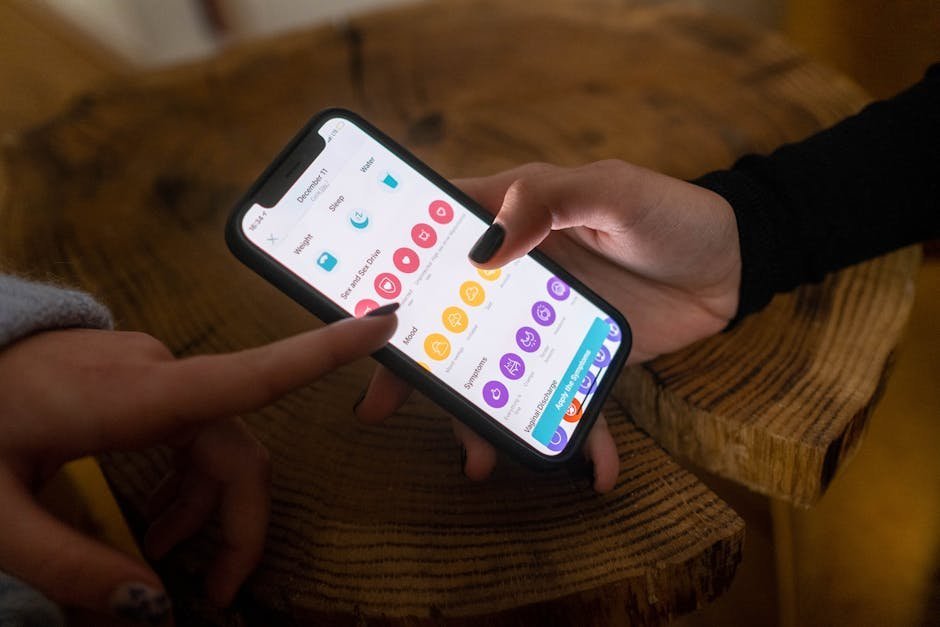
Poor sleep is one of the strongest amplifiers of next-day anxiety. The cycle becomes self-perpetuating: morning coffee compensates for poor sleep caused by yesterday’s afternoon coffee. Tracking caffeine intake and sleep quality together for a two-week period often reveals patterns that a single sleep study cannot. The integration of caffeine reduction with broader sleep hygiene is covered in our sleep, exercise, and nutrition guide.
Caffeine anxiety-induced disorder in DSM-5
The DSM-5 includes caffeine-induced anxiety disorder as a distinct diagnosis under the substance/medication-induced anxiety disorder category. Criteria include prominent anxiety symptoms that develop during or shortly after caffeine intoxication or withdrawal, the symptoms are not better explained by another anxiety disorder, and they cause clinically significant distress or impairment. The diagnosis matters because the treatment is dose reduction, not benzodiazepine prescription. Recognising the pattern saves patients from an SSRI trial that would not be needed if the underlying issue is 600 milligrams of caffeine daily.
Caffeine intoxication itself (DSM-5 305.90) requires recent consumption usually exceeding 250 milligrams plus five or more symptoms: restlessness, nervousness, excitement, insomnia, flushed face, diuresis, GI disturbance, muscle twitching, rambling speech, tachycardia or arrhythmia, periods of inexhaustibility, or psychomotor agitation. People who present to emergency departments with caffeine intoxication often genuinely believe they are having a cardiac event. For severe panic-level presentations, our severe panic attack ER resource walks through what evaluation typically involves.
Comorbid panic disorder and the caffeine challenge
People with panic disorder are exquisitely sensitive to caffeine. Provocation studies dating back to the 1980s consistently show that 480 milligrams of caffeine produces panic attacks in roughly half of patients with panic disorder versus less than 10 percent of healthy controls. The mechanism appears to involve adenosine receptor antagonism, increased respiratory drive, and amplification of bodily sensations that panic-prone brains misinterpret as threat. For these patients, the recommendation is not “moderate caffeine” but “no caffeine” until panic disorder is in stable remission, and even then, reintroduction should be cautious.
Generalised anxiety disorder is similarly amplified, though less dramatically. Social anxiety disorder responds variably; some patients use caffeine adaptively to push through avoidance, others find it pushes them past their tolerable arousal range. PTSD often involves baseline hyperarousal that caffeine compounds. A useful clinical question: “When you skip caffeine for two days, are you calmer or more anxious?” If calmer, the substance is contributing to your symptoms.
L-theanine plus caffeine
L-theanine, an amino acid abundant in green tea, has small but consistent evidence for blunting caffeine’s anxiety effects while preserving alertness. A typical study dose is 100-200 milligrams of L-theanine paired with 100 milligrams of caffeine. EEG studies show L-theanine increases alpha-wave activity associated with relaxed alertness. The combination is the active ingredient in many “smart-coffee” supplement blends.
The evidence is not strong enough to recommend supplementation as a substitute for dose reduction, but for someone who wants to keep some morning coffee while reducing the jitter component, the combination is a reasonable experiment. L-theanine is generally well tolerated, with no major interactions with common psychiatric medications. It does not eliminate the sleep-disrupting effect of late-day caffeine consumption.
Energy drinks: a different category
Energy drinks deliver caffeine in combinations and concentrations that distinguish them from coffee. A 16-ounce can typically contains 160-300 milligrams of caffeine alongside taurine, guarana (additional caffeine), B-vitamins in pharmacologic doses, and large amounts of sugar or sweeteners. The US Food and Drug Administration has reviewed energy-drink-related adverse events including arrhythmias, seizures, and emergency department visits. Pediatric and adolescent ingestion is a particular concern because younger users have less established caffeine tolerance and are more likely to combine the products with alcohol.
Mixing energy drinks with alcohol creates a specific risk pattern: the alertness from caffeine masks the depressant effects of alcohol, leading users to consume more alcohol and to misjudge intoxication. Several jurisdictions have banned premixed caffeine-alcohol products. If you drink energy drinks regularly, the simplest first step in mental health terms is to switch to coffee or tea, which delivers caffeine without the additional sugar load and aggressive marketing pressure to consume volume.
Adolescents and developing brains
The American Academy of Pediatrics recommends no caffeine for children under 12 and no more than 100 milligrams per day for adolescents 12-18. Reality lags far behind this guidance. Coffee culture, energy drinks marketed to teens, and tea consumption mean many high-schoolers consume 200-400 milligrams daily, often without parental awareness. Adolescent anxiety presentations frequently include caffeine intake patterns that an adult would consider clearly excessive. The corrective conversation often goes better when framed as performance optimisation rather than restriction.
For adolescents already in psychiatric treatment, including those receiving medication management through services like our online psychiatrist for anxiety options, caffeine reduction is often the first behavioural intervention attempted before medication adjustment.
Tapering caffeine for anxiety treatment
Stopping caffeine cold-turkey produces predictable withdrawal symptoms in regular users: headache (often severe and lasting 2-9 days), fatigue, irritability, depressed mood, and difficulty concentrating. The DSM-5 recognises caffeine withdrawal as a distinct diagnosis. Most withdrawal symptoms peak at 24-48 hours post-cessation and resolve within a week. A graduated taper avoids the worst of this:
- Week 1: cut total daily intake by 25 percent (one cup if you drink four)
- Week 2: another 25 percent reduction; switch one cup to half-decaf
- Week 3: another 25 percent reduction; move all consumption to before noon
- Week 4: maintain at one cup per day or reduce to zero based on goal

For people whose anxiety is meaningfully driven by caffeine, full elimination for at least four weeks is needed to evaluate the effect. Partial reduction often misses the threshold for clinical change. After elimination, cautious reintroduction of 100-200 milligrams in the morning can establish where the personal threshold sits without re-triggering symptoms.
SSRIs and caffeine: no major interaction
For most patients on selective serotonin reuptake inhibitors, caffeine does not cause clinically significant pharmacokinetic interactions. Fluvoxamine is the notable exception: it strongly inhibits CYP1A2 and can dramatically increase caffeine concentrations, leading to severe insomnia and anxiety at otherwise modest caffeine doses. Patients on fluvoxamine should generally avoid caffeine or limit intake to less than 100 milligrams daily.
SNRIs (venlafaxine, duloxetine) and stimulant ADHD medications (Adderall, Concerta, Vyvanse) compound caffeine’s cardiovascular and arousal effects without changing pharmacokinetics. Patients on these medications often find that the caffeine dose they tolerated before treatment is now too much. Beta-blockers (propranolol, atenolol) blunt the cardiovascular signs of caffeine excess without changing the anxiety experience, which can mask the connection. According to the National Institutes of Health drug interaction databases, the major pharmacokinetic interactions of concern are with fluvoxamine, ciprofloxacin, and theophylline.
Frequently asked questions about caffeine and anxiety
How much caffeine is in my drink?
Approximate values: 8-ounce drip coffee 95 mg; 8-ounce brewed black tea 47 mg; 8-ounce green tea 28 mg; 12-ounce soda 30-40 mg; 16-ounce energy drink 160-200 mg; 1-ounce espresso shot 64 mg; 12-ounce cold brew 200-280 mg; 16-ounce Starbucks Pike Place 310 mg. Cold brew is the deceiver; many people consume 400+ milligrams per cup without realising it.
Can I drink decaf if I have anxiety?
Decaf coffee contains 2-15 milligrams of caffeine per cup, generally below the threshold for triggering anxiety in most users. Some highly sensitive people still react to decaf and may need to avoid it. Herbal teas (rooibos, chamomile, peppermint) contain no caffeine and are safer alternatives.
Why do I feel sleepy after coffee?
This pattern usually reflects either tolerance, dehydration, or an unmasked sleep deficit. Caffeine works by blocking adenosine receptors, but the underlying sleep pressure remains. When the caffeine wears off, accumulated adenosine produces a stronger fatigue signal. Slow metabolisers may also experience a kind of paradoxical fatigue from prolonged sympathetic activation.
Is one cup in the morning safe?
For most healthy adults without anxiety disorders, one 8-ounce cup of coffee in the morning is well tolerated and may have modest health benefits. People with panic disorder, those on fluvoxamine, pregnant women approaching the end of the third trimester, and slow metabolisers with sleep problems may need to abstain entirely.
How long after stopping caffeine before I feel different?
Withdrawal headaches and fatigue start at 12-24 hours and peak at 24-48 hours. Most physical symptoms resolve in 5-9 days. Improvements in baseline anxiety, if caffeine was a contributor, typically become noticeable in week 2-3 after full elimination. Sleep architecture takes 2-4 weeks to fully normalise.
The bottom line
Caffeine anxiety is real, common, and reversible. The clinical signal is strongest in people with panic disorder, slow metabolisers, and high-volume consumers, but moderate consumers with otherwise unexplained anxiety should treat caffeine as a leading suspect before adding medication. A four-week trial of full elimination, followed by cautious reintroduction, is the cleanest way to establish whether your morning coffee is the cause or the cure of your symptoms. The answer differs across individuals, and the only way to know is to test.
If you are experiencing a mental health crisis, call or text 988 for the Suicide and Crisis Lifeline.
This article is for educational purposes only and is not a substitute for medical or mental health advice. Caffeine interactions with medications are complex; do not adjust caffeine intake or psychiatric medications without consulting a qualified clinician, particularly if you are pregnant, have cardiovascular disease, or take fluvoxamine, lithium, or stimulants.