Marcus, a 34-year-old software engineer in Boulder, Colorado, started his cold exposure routine on a January morning when his SSRI dose felt like it had stopped working. He read a Reddit thread about Wim Hof, bought a chest freezer off Craigslist, and converted it into a 38-degree plunge tub in his garage. The first immersion lasted eleven seconds before he scrambled out gasping. By week three, he could stay under for two minutes, and his therapist noticed something had shifted. His morning anhedonia had thinned. He was journaling again. He still took his sertraline, still attended weekly sessions, but the plunge had become a non-negotiable anchor in his depression management plan. His psychiatrist was cautiously interested rather than dismissive. She asked about his cardiac history, reviewed his blood pressure logs, and added a note recommending he never plunge alone. Marcus is one face of a larger trend: thousands of Americans are testing whether cold water can do something for their mood that pills, talk, and exercise have only partially achieved. His story illustrates both the appeal and the limits of cold plunge mental health practices.

The physiology behind the plunge
Cold water immersion below 60 degrees Fahrenheit triggers a coordinated stress response that interests psychiatry researchers. A 1999 study by Srámek and colleagues, published in the European Journal of Applied Physiology, measured a 250 to 530 percent rise in plasma norepinephrine after a one-hour immersion at 14 degrees Celsius. Norepinephrine is the same neurotransmitter targeted by SNRIs like venlafaxine and duloxetine. Dopamine concentrations climbed by 250 percent in the same study and stayed elevated for hours afterward. This biochemical signature, sustained for an unusually long window, is what generates the “post-plunge afterglow” that practitioners describe.
Vagal tone, measured through heart rate variability, also responds to repeated cold exposure. The diving reflex slows the heart and shifts autonomic balance toward parasympathetic activity once the initial shock passes. Several small trials suggest that habituated cold plungers show improved heart rate variability scores at rest, a marker associated with better emotion regulation. None of this guarantees clinical benefit. The mechanism is plausible. The clinical evidence is still thin. People who lift weights, take SSRIs, or do interval training also raise norepinephrine, and we have far more outcome data on those interventions.
Wim Hof Method: what is and is not evidence-based
The Dutch extreme athlete Wim Hof packaged three components into a single brand: cold exposure, hyperventilation breathwork, and what he calls commitment or mental focus. Each component has a different evidence base. The breathwork piece, sometimes called Tummo-style breathing, is the most studied. A 2014 PNAS paper by Kox and colleagues showed practitioners could attenuate inflammatory responses to injected endotoxin. That is interesting, but it is a long way from showing the method treats anxiety or depression.
The cold exposure piece is supported by older Czech and Finnish work, plus newer small RCTs. The “commitment” piece is essentially mindset framing and is not separately testable. Marketing the bundle as a unified therapy obscures the fact that one practitioner might benefit from breathwork alone while another responds to cold alone. Stripping the package back to its components is more useful than treating the brand as a single intervention. Our overview of sleep, exercise, and nutrition for mood sets cold exposure in the context of more established lifestyle interventions.
What the small trials actually show
A 2023 study published in BMJ Open Sport and Exercise Medicine followed 33 adults using cold-water swimming and reported reductions in negative mood and anxiety. Sample size was small. Blinding cold immersion is essentially impossible. A 2018 case study from the BMJ described a 24-year-old woman with treatment-resistant major depression who entered remission after starting weekly outdoor cold-water swims. A single case is hypothesis-generating, not proof. The Outdoor Swimming Society in the UK has driven much of the citizen-science enthusiasm, but rigorous placebo-controlled work remains scarce.
What we can say honestly: the trials that exist tend to show short-term mood improvement in self-selected participants. They do not establish that cold plunging is comparable to first-line treatments for moderate or severe depression. Anyone using it as a substitute for medication or therapy in a serious mood episode is gambling with insufficient evidence. As an adjunct, the risk-benefit ratio is more defensible if contraindications have been screened.
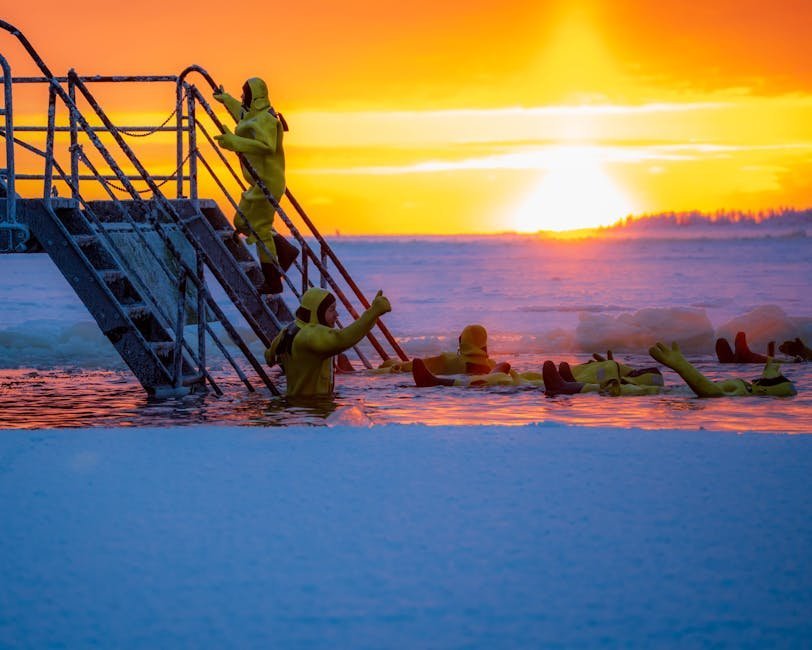
Podcast culture and the cold plunge mental health credibility problem
Cold plunge mental health benefits exploded into mainstream awareness through Joe Rogan, Andrew Huberman, and a long tail of wellness podcasters who interviewed Wim Hof and his disciples. The good of this exposure is real: people who would never have considered any mood intervention beyond pharmaceuticals heard a credible-sounding case for trying something new. The downside is that the podcast format flattens uncertainty. Hosts present preliminary findings as established fact. Listeners walk away convinced cold exposure rivals SSRIs in efficacy. It does not, at least not in the data we have.
Treat the podcast version as an entry point, not a treatment plan. The popular framing also tends to ignore the people for whom plunging triggers anxiety, retraumatises a body that has experienced cold-related trauma, or worsens insomnia when done too late in the day. Those negative experiences exist and rarely make it onto airwaves dominated by people who built their identity around the practice.
Contraindications and red flags
Cold immersion is not benign. The cold-shock response triggers a gasp reflex, hyperventilation, and an initial spike in blood pressure. People with the following conditions should not begin cold plunging without explicit medical clearance:
- Coronary artery disease, prior myocardial infarction, or unstable angina
- Uncontrolled hypertension
- Long QT syndrome or other arrhythmia syndromes
- Raynaud phenomenon (cold can trigger painful vasospasm)
- Pregnancy (data are insufficient and core temperature shifts are concerning)
- Cold urticaria, cryoglobulinemia, or paroxysmal cold hemoglobinuria
- Recent stroke or transient ischemic attack
- Active alcohol or sedative intoxication (impaired judgment, drowning risk)
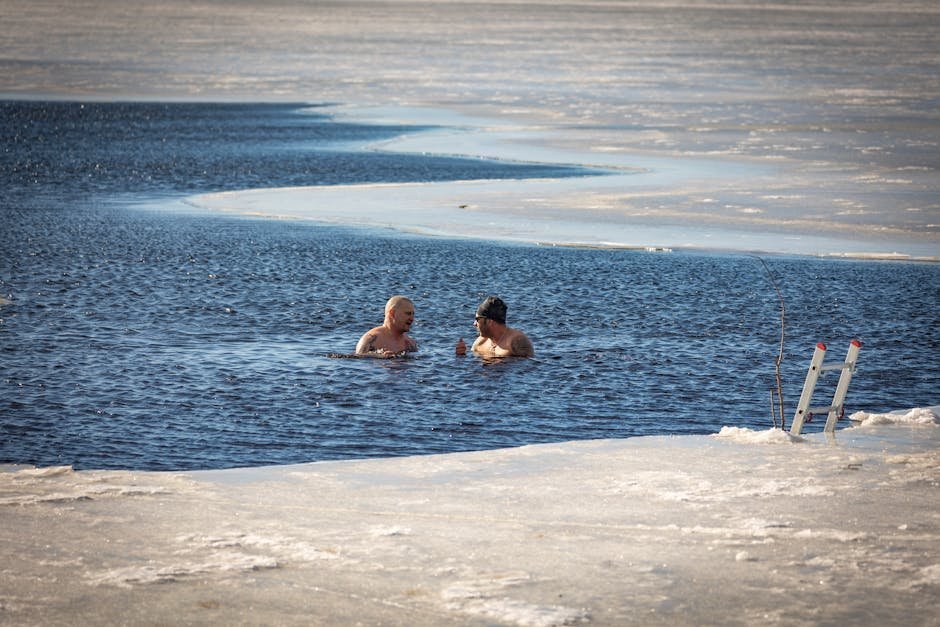
Drowning is a real risk. The cold-shock gasp reflex has killed strong swimmers. Never plunge alone in open water. Even a home tub plunge becomes dangerous if vasovagal syncope occurs and your face slides under. According to National Institutes of Health guidance on cold-water immersion safety, gradual acclimatisation is the single best defense.
Starting protocol that actually works
If you are medically cleared and curious, the standard graduated approach looks like this:
- Week 1-2: end your normal shower with 30 seconds of cold (whatever your tap puts out)
- Week 3-4: extend cold shower to 90 seconds, focus on slowing the breath
- Week 5-6: take a full cold shower for 2-3 minutes
- Week 7-8: try a 50-60 degree plunge for 60-90 seconds with a spotter present
- Week 9 onward: 2-3 minutes at 45-55 degrees, 2-4 sessions per week
Total weekly cold exposure of 11 minutes at temperatures below 60 degrees is the dose Susanna Soeberg studied for metabolic effects, and many practitioners adopt it for mood as well. Going colder than necessary is a common mistake. Forty-five degrees for two minutes provides essentially the same neurochemical bump as 33 degrees and carries less risk. Avoid plunging within four hours of bedtime; the norepinephrine surge is alerting and disrupts sleep onset for a meaningful subset of users.
Home setups versus gym tubs
A purpose-built plunge tub from Plunge, Ice Barrel, or Cold Tub costs $2,000 to $9,000 with chiller. A converted chest freezer with a stock-tank insert and a Wi-Fi smart plug runs $400 to $700 if you already own basic tools. A $30 stock tank filled with ice and water works for occasional use but eats your ice budget fast. Many gyms in cities like Austin, Denver, San Diego, and Brooklyn now offer plunge access for $30 to $80 per month as part of recovery memberships, which is the cheapest way to test whether the practice fits you before investing in equipment.
If you are pairing this with exercise as a depression intervention, schedule the plunge after strength work rather than after endurance work. Recent meta-analyses suggest cold immersion immediately after hypertrophy training blunts muscle adaptation, but does not appear to interfere with cardiovascular conditioning gains. Mental health-focused users can largely ignore this, since the dose for mood does not require post-workout timing.
When cold helps depression and when it triggers anxiety
Patterns I see and that practitioners report: cold exposure tends to help people with low-arousal depressive symptoms, fatigue, anhedonia, and sluggish mornings. The norepinephrine and dopamine surge does what a cup of strong coffee plus a cold-water face splash do, only more intensely and longer. Some users report that the willing confrontation with a small voluntary stressor builds a sense of agency that translates into other domains. That experiential mechanism may be as important as the neurochemistry.
People with high-arousal anxiety, panic disorder, or generalised anxiety often do worse. The cold-shock response feels indistinguishable from a panic attack. Pushing through that for the sake of a wellness routine can sensitise rather than desensitise the threat system. If your baseline anxiety is high, speak to your therapist before adding plunging. Anyone considering changes to medication should review options with a prescriber, including the considerations covered in our tapering antidepressants guide.
The placebo question
Sceptics argue that the mood lift from plunging is mostly placebo, expectation effect, and the relief of having survived a self-imposed challenge. They are partially right. You cannot blind a cold plunge. Self-selection is enormous. The people who post their plunge stats on social media have invested identity capital that biases reporting. None of that makes the practice useless. If a daily 90-second behaviour produces a reliable reduction in depressive symptoms, it does not particularly matter to the person whether the mechanism is norepinephrine, mastery experience, or the social ritual of the cold-water swim group. The clinical question is whether benefit is real and durable in the population that uses it. The evidence currently suggests modest, real, but probably overstated.
Frequently asked questions about cold plunging
How long should a cold plunge actually last?
Two to three minutes at temperatures between 45 and 55 degrees Fahrenheit produces a reliable neurochemical response in adapted users. Beginners should start at 30 to 60 seconds in milder water (55-60 degrees) and build duration before reducing temperature. Going longer than five minutes does not appear to add benefit and increases hypothermia risk.
Can I cold plunge while taking SSRIs?
There is no known pharmacokinetic interaction. The norepinephrine release from cold exposure is acute and behavioral, not pharmacologic in the sense of altering drug levels. Some users find cold plunging while on an SSRI gives them what they describe as a sharper, brighter version of the medication’s effect. Discuss the practice with your prescriber if you have cardiac history.
Will cold plunging replace my antidepressant?
For most people with diagnosed major depression, no. The trial evidence is too thin to support replacement. Cold exposure is best framed as a lifestyle adjunct that may allow for stable management at a lower medication dose if your prescriber agrees. Stopping medication unilaterally because you feel better after starting plunging is a common path back into a worse episode.
What temperature is dangerous?
Below 50 degrees Fahrenheit, hypothermia onset accelerates significantly. Below 40 degrees, even short immersions in unacclimatised users can produce dangerous cold-shock arrhythmias. Open water below 40 degrees is the territory of trained ice swimmers, not curious beginners. Stick to 45-55 degrees for routine practice and never plunge solo.
How soon should I expect mood changes?
Most users notice an immediate post-plunge alertness and elevation that lasts two to six hours. Cumulative shifts in baseline mood, if they happen, typically appear after three to six weeks of consistent practice. If you have done eight weeks at 3-4 sessions per week and feel no benefit, the practice may not be a fit for your physiology and continued investment is unlikely to change that.
The bottom line
Cold plunge mental health benefits are real for some people and overhyped for many. The neurochemistry is interesting, the trial evidence is preliminary, and the contraindication list is meaningful. If you are medically cleared, curious, and willing to start gradually, a 10-minute weekly dose of cold exposure may add something meaningful to your overall mood-management strategy. It does not replace evidence-based treatment for moderate or severe depression. The National Institute of Mental Health still places medication, psychotherapy, and brain stimulation at the top of the evidence pyramid for clinical mood disorders.
If you find yourself in mental health crisis, call or text 988 to reach the Suicide and Crisis Lifeline. Cold plunging is not a crisis intervention.
This article is for educational purposes only and is not a substitute for medical or mental health advice. Cold-water immersion carries cardiovascular and drowning risks; consult a clinician before starting, particularly if you have heart disease, hypertension, Raynaud phenomenon, are pregnant, or take medications that affect blood pressure or heart rhythm.