Diego, a 22-year-old engineering student from Phoenix, Arizona, took half a tablet of what his friend swore was MDMA at an outdoor electronic music festival in late June. The desert temperature was 102 degrees at sunset and the dance floor was packed against a stage with no breeze. Two hours in he started to feel strange. He drank water, then more water. He told his friends he felt fine but said the same sentence three times in a minute. By the time security carried him to the medical tent his core temperature was 41.2 degrees Celsius, his skin was hot and dry, his sodium level when it later came back was dangerously low from water overconsumption, and he was beginning to seize. The medical tent’s response over the next twelve minutes, ice immersion, IV fluids titrated carefully against his hyponatremia, benzodiazepines for agitation, transfer to the closest trauma center, was the reason he was alive at sunrise. The case is reconstructed here as a teaching example because stimulant hyperthermia treatment in the field and in the ER is one of the highest-stakes, time-sensitive interventions in addiction medicine.

Why Stimulants Cook the Body
Stimulants raise core body temperature through several overlapping mechanisms. Sympathomimetic activation increases metabolic rate and heat production directly. Vasoconstriction in the skin reduces the body’s ability to dump heat through radiation and sweating. Muscular hyperactivity, whether from dancing for hours, agitation, seizure activity, or jaw clenching and bruxism, generates additional heat that the impaired cooling system cannot offload. With MDMA specifically, serotonin syndrome physiology overlaps with sympathomimetic toxicity, and the resulting picture can include hyperthermia severe enough to cause multi-organ failure within hours. Cocaine, methamphetamine, synthetic cathinones (bath salts), and prescription stimulants in overdose all share this profile to varying degrees. The hot, crowded environments where stimulants are often used, dance floors, raves, summer outdoor events, drive ambient temperature up at the same moment that the user’s body is least able to cool itself.
Recognizing Hyperthermia Before It Becomes Heat Stroke
The clinical threshold that defines life-threatening stimulant hyperthermia is a core body temperature of 40 degrees Celsius (104 degrees Fahrenheit) or higher, accompanied by altered mental status. Lower-level hyperthermia, between 38.5 and 40, is concerning and warrants intervention but is less acutely dangerous. The physical signs are easier to recognize than the temperature unless someone is taking core temperatures. The patient is hot to the touch, often with hot dry skin (sweating may have failed), tachycardia, hypertension or sometimes hypotension as decompensation begins, dilated pupils, agitation, confusion, possible seizures, and in advanced cases coma. Friends and bystanders should know that a confused, hot person at a stimulant-heavy event needs medical attention immediately, not water and a quiet corner.
- Core temperature 40+ degrees Celsius, the diagnostic threshold
- Altered mental status: confusion, agitation, or decreased responsiveness
- Tachycardia, often above 130
- Hot, often dry skin once sweating capacity is exhausted
- Muscle rigidity or fasciculations
- Nausea, vomiting
- Seizures
- Signs of autonomic instability: blood pressure swings, irregular rhythms
The MDMA-Specific Trap of Hyponatremia
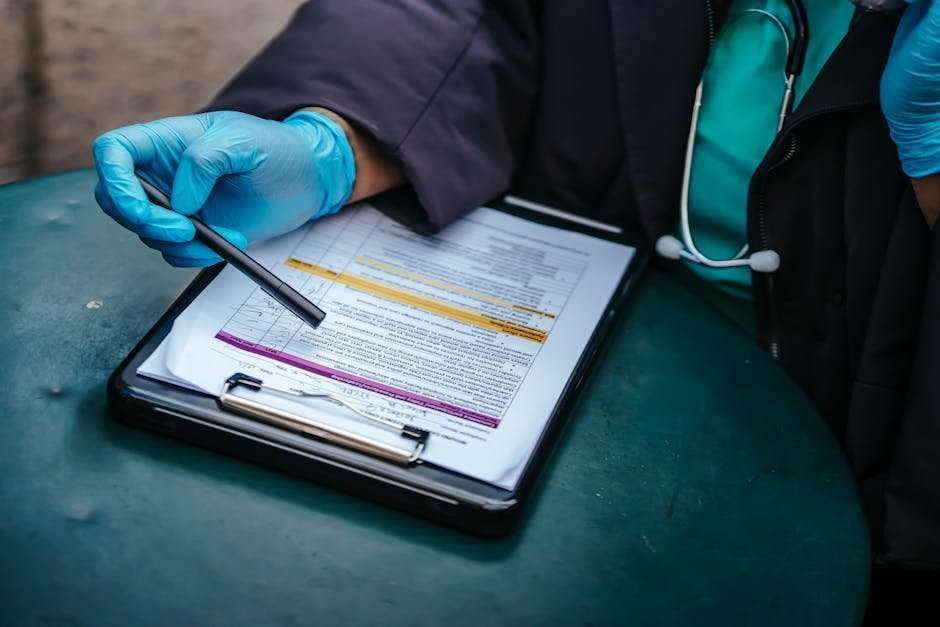
MDMA produces a syndrome that other stimulants do not produce as dramatically: severe hyponatremia from a combination of inappropriate antidiuretic hormone release and the user’s well-meaning but excessive water consumption. The “drink lots of water” advice that became common in early rave-era harm reduction has, in some cases, killed people. MDMA causes the kidneys to retain water; the user, taught to fear dehydration, drinks several liters; the result is dilutional hyponatremia severe enough to cause cerebral edema, seizures, and death. Several well-known fatalities in the MDMA literature were not from heat stroke per se but from water-loading hyponatremia. The current harm reduction guidance is more nuanced: hydrate to thirst, not aggressively, and prefer electrolyte solutions over plain water if intake is significant. ER teams treating a confused MDMA user must check sodium before giving large-volume IV fluids, and must use isotonic or even hypertonic saline rather than dextrose-water to avoid worsening cerebral edema.
Cooling Comes First, Always
The single most important intervention in hyperthermic stimulant toxicity is rapid cooling. Drug-specific treatments, antidotes, and even resuscitation efforts are less important in the first minutes than reducing core temperature. Every additional minute that core temperature remains above 40 degrees increases the risk of multi-organ failure, rhabdomyolysis, disseminated intravascular coagulation, and permanent neurological injury. Cold water immersion, when available, is the gold standard. A whole-body ice bath drops core temperature faster than any other practical method. Where ice immersion is not available, ice packs to the neck, axillae, and groin, fans, evaporative cooling with mist, and cold IV fluids all contribute. Intubation and active cooling in the ICU may be needed for severe cases. Festival medical teams that have invested in immersion tanks have measurably better outcomes than those that have not.
The Role of Benzodiazepines and the Dantrolene Question
After cooling, benzodiazepines are the primary pharmacologic intervention. They reduce agitation, lower sympathetic tone, control seizure activity, and reduce muscular hyperactivity, all of which feed back into reducing heat production. Lorazepam or diazepam are commonly used, often in repeated doses titrated to effect. Beta-blockers should generally be avoided as monotherapy because of the theoretical risk of unopposed alpha-stimulation, though some emergency physicians use mixed agents like labetalol cautiously. Dantrolene, a muscle relaxant used for malignant hyperthermia, has been proposed for severe stimulant hyperthermia but the evidence is limited and current expert guidance does not consider it a routine first-line agent. It may have a role in extreme refractory cases. Cyproheptadine, a serotonin antagonist, has been used in MDMA-related serotonin syndrome but again is not a substitute for cooling and supportive care.
Patients who survive the acute episode often face a longer recovery that may include withdrawal symptoms, particularly if the drug use was chronic. Articles on stimulant withdrawal describe what to expect in the days and weeks afterward.
Cocaine and Methamphetamine: Different Drugs, Similar Endpoints
Cocaine hyperthermia is most often seen in patients with cocaine-induced agitated delirium, a syndrome of severe agitation, hyperthermia, and autonomic instability that has historically had a high mortality, particularly when patients are physically restrained for prolonged periods. Cocaine-related cardiac events, including the kind of cocaine overdose presentations seen in ERs, often co-occur with hyperthermia. Methamphetamine hyperthermia tends to develop more gradually, sometimes over hours, in users who have been awake and active for extended periods. The treatment principles are identical: rapid cooling, benzodiazepines, supportive care. Synthetic cathinones (bath salts) and synthetic cannabinoids can produce severe hyperthermic syndromes that look like classic stimulant toxicity, sometimes with prominent psychotic features; the clinical course of synthetic cannabinoid toxicity overlaps in important ways.
What ICU Care Looks Like After the First Hour
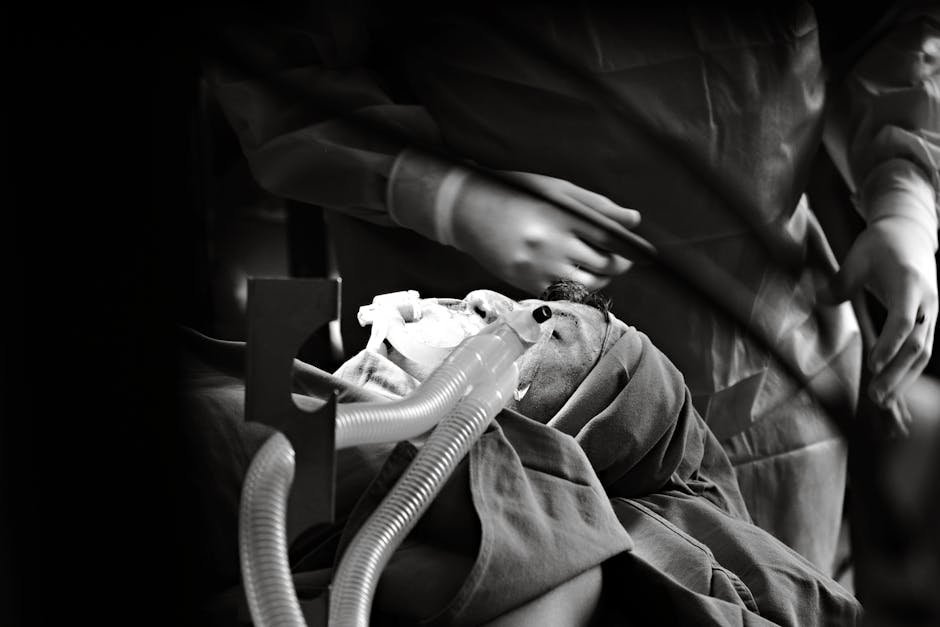
Patients who survive the acute hyperthermic episode often face a multi-system recovery in the ICU. Rhabdomyolysis, the breakdown of skeletal muscle releasing myoglobin into the bloodstream, can cause acute kidney injury and requires aggressive IV fluid resuscitation, monitoring of creatine kinase levels, and sometimes dialysis. Liver injury from heat damage and drug toxicity may show as elevated transaminases. Coagulopathy can develop. Seizures may recur. Cerebral edema, particularly in MDMA cases with hyponatremia, can lead to herniation if not managed. Cardiac complications including ischemia, arrhythmias, and stress cardiomyopathy can occur. The combination of these complications is why stimulant hyperthermia carries meaningful mortality even when the initial recognition and cooling are prompt. Long ICU stays, prolonged ventilation, and rehabilitation needs are common in severe cases.
Neurological Sequelae and the Long Tail
Survival of severe stimulant hyperthermia does not always mean full neurological recovery. Hippocampal injury from heat exposure can produce persistent memory problems. Cerebellar damage can cause persistent ataxia. Cognitive deficits in attention, processing speed, and executive function have been documented in survivors of severe MDMA-related hyperthermia, sometimes lasting years. Repeated heavy methamphetamine use, even without hyperthermic crisis, is associated with structural brain changes and cognitive deficits. The combination of acute injury and chronic substance use compounds long-term risk. Survivors and their families should be aware that recovery may not be linear and may benefit from neurocognitive evaluation, cognitive rehabilitation, and integrated substance use treatment after the medical phase.
Prevention Messaging at Events
Festivals, raves, and clubs that take harm reduction seriously can substantially reduce hyperthermia deaths through a combination of measures:
- Free water access, but with messaging to drink to thirst rather than aggressively
- Climate-controlled chill-out spaces away from the dance floor
- Visible, well-trained medical teams with rapid cooling capability including immersion
- Drug checking services where legal, allowing users to know what is actually in their tablets
- Peer-led harm reduction outreach during the event
- Clear messaging about the dangers of mixing stimulants and alcohol or other substances
- Adequate ventilation in indoor venues
- Limits on event capacity relative to ambient temperature
Diego’s festival had ice immersion tanks. Many do not. The single intervention most associated with reduced fatality in stimulant hyperthermia at large events is the availability of cold water immersion within minutes of recognition. Event organizers and policy makers who treat this as optional are accepting a higher death rate.
The National Institute on Drug Abuse publishes patient and community resources on stimulant use and its complications. The Centers for Disease Control and Prevention tracks overdose data and publishes prevention guidance for events and venues.
Frequently Asked Questions
How quickly can stimulant hyperthermia kill someone?
Severe hyperthermia with core temperature above 41 degrees can produce permanent organ damage within minutes and death within an hour if not aggressively cooled. The clinical timeline is shorter than most users and bystanders realize.
Should you put a hot person in a cold shower?
If a person is overheating from suspected stimulant use, cooling them with cold water is helpful while waiting for medical help. A cold shower or ice immersion at home is reasonable as a bridge, but the patient still needs medical evaluation, particularly if confused, having seizures, or unable to maintain consciousness.
Why is too much water dangerous with MDMA?
MDMA causes the body to retain water inappropriately. Drinking large volumes on top of this dilutes blood sodium, which can cause brain swelling, seizures, and death. Drink to thirst, not aggressively, and electrolyte solutions are preferable to plain water.
What should I tell the ER about?
Tell them what was taken, when, how much, and what other substances were used. Honesty changes treatment decisions. ER teams are not law enforcement; their job is to keep the patient alive, and accurate information makes that easier.
Can someone fully recover from severe stimulant hyperthermia?
Many do, particularly when treatment is prompt. Severe cases can leave persistent neurological, cognitive, or organ damage. Recovery is helped by integrated medical and substance use treatment in the months following the event.
The Bottom Line
Stimulant hyperthermia treatment is one of the most time-critical interventions in addiction medicine, and the principles are clear even if the resources are not always available. Cooling first. Benzodiazepines for agitation and muscular hyperactivity. Careful fluid management, especially when MDMA-related hyponatremia is possible. Recognition of multi-system complications including rhabdomyolysis, seizures, and coagulopathy. ICU-level care for severe cases. Prevention through harm reduction at events, accurate drug-checking, and visible medical infrastructure with immersion cooling. Diego survived because the right people were nearby with the right equipment. Many people in similar circumstances do not. The most useful thing friends, event organizers, and policy makers can do is to treat hyperthermic emergencies as the immediate threats they are and to plan for them before the event begins.
If you or someone you love is in crisis, call or text 988 to reach the Suicide and Crisis Lifeline. SAMHSA’s National Helpline at 1-800-662-HELP (4357) provides free, confidential, 24/7 referrals for substance use treatment.
This article is for general educational purposes and does not replace medical care. Stimulant overdose and hyperthermia are medical emergencies; if you suspect them, call 911 immediately.