Diego Salazar’s mother had been calling Medicaid offices in Houston for ten days when she finally cried in the kitchen. Diego, 19, had returned from his first year of college with what the campus counseling center described as a major depressive episode and possible bipolar features. The family’s Medicaid coverage was through Texas STAR. Diego’s pediatrician had referred him to a psychiatrist. The psychiatrist accepted his STAR card. The first visit went well. Then the medication management call came back with a denial — the psychiatric care, his mother learned, was not actually administered by Texas STAR. It was administered by a separate behavioral health managed care organization that contracted with the state. The two MCOs did not coordinate. The pharmacy was a third entity. Three different prior authorization rules applied to one young man. Diego’s mother needed a vocabulary she did not have. Carve-out. Carve-in. NorthSTAR. The thing she really needed was for her son to start treatment.

When Medicaid programs separate behavioral health from physical health and contract them to different managed care organizations, the result is called a medicaid behavioral health carve out. For decades, carve-outs were the dominant structural model for Medicaid mental health and substance use coverage. The thinking was that specialized behavioral health managed care organizations would deliver better-tailored care than physical health plans. In practice, carve-outs frequently fragment care, complicate prior authorization, and limit network access — especially for members who need integrated treatment across diagnoses. Most states have moved or are moving away from the carve-out model, but the legacy patterns and certain holdouts mean millions of beneficiaries still navigate dual-MCO confusion. Understanding how a medicaid behavioral health carve out works is the first step toward navigating one effectively.
What Exactly Is a Carve-Out
A Medicaid carve-out is a contracting structure in which the state Medicaid agency separates a category of services from the general managed care contract and assigns it to a specialized vendor. Behavioral health is the most common carve-out, but states have at various times also carved out pharmacy, dental, transportation, and long-term services and supports. In a carve-out arrangement, the member’s primary Medicaid managed care plan covers physical health (primary care, specialty visits, hospital, emergency, lab, imaging) while a separate behavioral health organization (BHO) covers mental health and substance use disorder treatment.
The BHO is often referred to as a Prepaid Inpatient Health Plan (PIHP), a Prepaid Ambulatory Health Plan (PAHP), or simply a behavioral health MCO. The BHO maintains its own network, its own prior authorization rules, its own appeals process, and its own customer service line. From the member’s perspective, this means two ID cards, two networks, two sets of paperwork — sometimes three when you include pharmacy.
States With Significant Carve-Outs
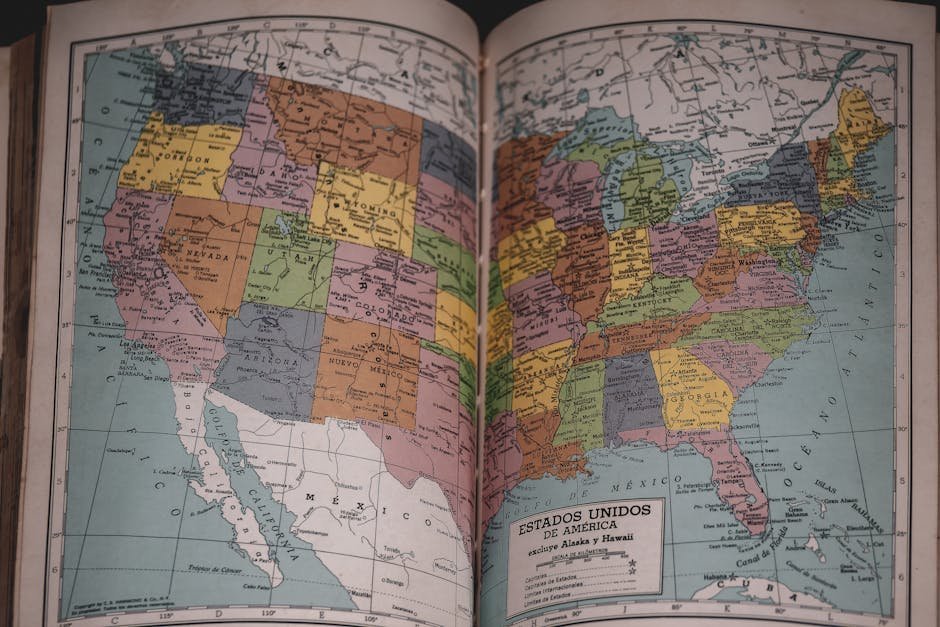
The carve-out landscape has shifted considerably in the last five years, but as of 2026, several large states still operate substantial carve-outs.
- Pennsylvania — HealthChoices behavioral health is administered by county-based BH-MCOs separate from the physical health MCOs.
- Massachusetts — MassHealth contracts behavioral health through MBHP for members in the Primary Care Clinician plan and certain other arrangements.
- Texas — STAR and STAR Kids include behavioral health in the MCO contract for most regions, but specific high-need populations still see fragmented arrangements; STAR Health for foster youth has dedicated behavioral coverage.
- Iowa, Idaho, and several smaller states — retain BH carve-outs for adult Medicaid populations.
States that have moved away from carve-outs in recent years include Washington (Apple Health Integrated Managed Care now covers physical and behavioral together), Arizona (full integration under AHCCCS), and New Mexico (Centennial Care). The federal data hub at medicaid.gov publishes the current managed care environmental scan annually with state-by-state breakdowns.
The Carve-In Trend
The dominant Medicaid policy trend since 2018 has been “behavioral health carve-in” — folding behavioral health back into the comprehensive MCO contract so a single plan covers the whole person. The argument for carve-in is integrated care: a member with depression and diabetes benefits from a plan that coordinates medication management, lab monitoring, and therapy together. The argument for keeping a carve-out is specialization: a BHO with deep expertise in serious mental illness, recovery services, and crisis response may deliver better outcomes for high-need populations than a generalist MCO.
Most states have concluded that integrated managed care produces better access at the same or lower cost. The Substance Abuse and Mental Health Services Administration’s policy guidance at samhsa.gov reflects this orientation, and federal incentives under various Medicaid waivers have nudged states toward integration. Members in carve-in states often report easier care coordination and fewer authorization disputes; members in carve-out states sometimes report stronger crisis services and more robust SUD networks. The data is genuinely mixed, which is why the policy debate continues.
Why Carve-Outs Limit Access
Three structural features of carve-outs tend to constrain member access to care. First, BHO networks are often smaller than physical health MCO networks because the BHO covers fewer services and the rate structure attracts a narrower set of clinicians. Psychiatrists who participate in commercial insurance are sometimes unwilling to participate in a Medicaid BHO at lower rates. Second, BHOs frequently impose tighter prior authorization on intensive outpatient programs, partial hospitalization, and inpatient psychiatric admission than on routine outpatient therapy. Third, the dual-MCO structure creates handoff problems whenever a member needs cross-cutting services.
A patient hospitalized for a suicide attempt may be discharged to outpatient psychiatry under the BHO and to a primary care follow-up under the physical health MCO with no entity owning the coordination. Crisis stabilization may sit in the BHO contract while the medical clearance from the ED sits in the physical health contract. The member who falls into one of these gaps rarely climbs out without help from a case manager or a state ombudsman.
Navigating Dual-MCO Confusion
If you live in a carve-out state, the practical playbook starts with knowing which MCO covers which service. Keep both ID cards and both phone numbers in your wallet. When a clinician’s office asks for “your insurance,” answer with the question: “Is this for behavioral health or physical health?” The answer determines which card and which network apply.
For prior authorization, identify the right entity before submitting. Inpatient psychiatric admission generally goes through the BHO. Inpatient medical admission with a psychiatric consult goes through the physical health MCO. Pharmacy may be administered by a third pharmacy benefit manager. When the entities disagree about who is responsible, the state Medicaid agency is the tiebreaker — and many states maintain a formal ombudsman office for these disputes. Your right to integrated care is also bolstered by federal parity rules, which we discuss in more detail in our explainer on mental health parity violations.
The Medicaid 1115 Waiver Pathway for SUD
Substance use disorder treatment in Medicaid sits inside a special regulatory framework known as the IMD exclusion. By default, Medicaid does not pay for treatment in an Institution for Mental Disease — broadly defined as a facility with more than sixteen beds primarily providing psychiatric or SUD care — for adults aged 22 to 64. State 1115 waivers allow CMS to permit Medicaid payment for SUD residential and inpatient care notwithstanding the IMD exclusion. As of 2026, the majority of states have approved SUD 1115 waivers, expanding access to residential SUD treatment for Medicaid members.
If you have Medicaid and need residential SUD treatment, the 1115 waiver is your access door. The BHO administers prior authorization. Medical necessity criteria typically draw from ASAM standards. Length of stay is usually capped, with concurrent review for extensions. Our piece on Cigna rehab coverage covers commercial coverage parallels, but the Medicaid 1115 framework is the public-side analog and applies to most states.
Finding the Right MCO for Behavioral Health
In states where members can choose among multiple MCOs at enrollment, the choice matters more for behavioral health than members realize. Two plans operating in the same county may have very different psychiatric networks, very different SUD residential contracts, and very different prior authorization patterns. State Medicaid enrollment brokers usually do not provide behavioral-network comparison data — they direct members to the directories.

If you have a current treating clinician you want to keep, call their office and ask which Medicaid plans they accept. If you anticipate needing residential SUD care or specialty psychiatry, ask the plan’s member services line for a list of contracted residential providers and average prior auth turnaround. The plan that picks up the phone, answers clearly, and emails you a written confirmation is usually the better operational choice. Our broader Medicaid overview at Medicaid for mental health walks through enrollment basics for first-time applicants.
Complaints to State Medicaid Offices
Every state Medicaid program operates a member services line and a complaint or grievance process. Complaints about access, prior authorization denials, or care coordination failures route through the MCO first, then to the state Medicaid office if unresolved. The state agency has direct contractual authority over both the physical health MCO and the BHO and can require remediation. Members who file complaints generate the data that ultimately drives contract renewal decisions, so the file matters even if individual cases take time to resolve.
Some states also operate a Medicaid managed care ombudsman — an informal pathway for fast resolution of urgent access problems. Federal regulations require state Medicaid programs to maintain a fair hearing process for any denial of services, with timelines that protect ongoing care during the appeal. If your hearing rights have been violated or you have been waiting months for a decision, escalate to the state Medicaid director’s office.
Frequently Asked Questions
How do I know if my state has a Medicaid behavioral health carve-out? Check your Medicaid card. If you have separate cards for medical and behavioral, you are in a carve-out. The state Medicaid website also publishes the current contracting model.
Can I switch BHOs if my current one has a thin network? In most states, no — the BHO is assigned by region or by physical health MCO. You may be able to switch your physical health MCO if that triggers a different BHO assignment.
What happens if both MCOs deny a service? File a complaint with the state Medicaid agency and request a fair hearing. Federal Medicaid rules guarantee due process for service denials.
Are carve-outs going away? Most states are moving toward integrated managed care. Pennsylvania, Massachusetts, and Iowa remain notable carve-out states; many others have completed integration in recent years.
Does the carve-out affect prescription coverage? Sometimes. Pharmacy is often a separate carve-out from both physical and behavioral health, especially for psychiatric medications. Check the formulary of the entity that controls pharmacy in your state.
The Bottom Line
Medicaid behavioral health carve-outs were once the standard. They are now the exception. If you live in a carve-out state, expect two ID cards, two prior authorization processes, and occasional handoff confusion. Document every interaction, escalate to the state Medicaid office when MCOs disagree, and use the 1115 waiver pathway for residential SUD when applicable. Integrated managed care is winning the policy debate, but the legacy carve-out structures will affect millions of beneficiaries for years to come. The best protection is a member who knows which MCO is responsible for which decision.
If you are in crisis or experiencing thoughts of suicide, please call or text 988 to reach the Suicide and Crisis Lifeline. Trained counselors are available 24 hours a day, every day, in English and Spanish.
Disclaimer: This article is for informational purposes only and does not constitute legal or medical advice. Medicaid rules vary substantially by state and individual circumstances may require professional consultation with a licensed clinician, attorney, or Medicaid enrollment counselor.