Marisol Tavares, a 34-year-old graphic designer in Albuquerque, had spent eleven months on a waitlist to see a psychiatrist for her treatment-resistant depression. Her primary care doctor had cycled her through three SSRIs, none of which produced lasting improvement, and the next available board-certified psychiatrist within fifty miles had openings in late October. A friend who worked in healthcare administration suggested she look for a psychiatric nurse practitioner instead. Marisol scheduled a video consult with a PMHNP in Santa Fe within nine days, walked through her medication history during a 60-minute intake, started bupropion augmentation that week, and noticed mood improvements by the end of the first month. The clinician carried full prescriptive authority under New Mexico statute, billed her Blue Cross plan at the same rates a psychiatrist would have, and offered follow-ups every three weeks rather than the every-three-months cadence she had grown used to. Marisol later told her therapist she could not understand why her primary care office had never mentioned PMHNPs as an option. The supply of these clinicians has roughly doubled across the United States since 2018, yet many patients still discover them by accident.

What a PMHNP actually is
A psychiatric-mental health nurse practitioner, abbreviated PMHNP, is a registered nurse who has completed a graduate degree (MSN or DNP) with a specialty focus on psychiatric care across the lifespan. The standard credential is the PMHNP-BC awarded by the American Nurses Credentialing Center after a national board examination, recertified every five years through continuing education and clinical practice hours. A second pathway exists through the American Academy of Nurse Practitioners Certification Board, which offers similar psychiatric specialty certification recognized by every state board of nursing. The training typically includes 500 to 750 supervised clinical hours in psychiatric settings, coursework in psychopharmacology, neurobiology, diagnostic assessment, and psychotherapy fundamentals.
The role differs substantially from a psychiatric registered nurse, who works on inpatient units or in clinics under physician orders without independent prescriptive authority. A psychiatric nurse practitioner functions as the prescribing clinician of record, conducting diagnostic interviews, ordering laboratory work, initiating and adjusting medications, and coordinating with therapists and primary care. Most PMHNPs carry caseloads of 200 to 600 patients depending on whether they practice in a private outpatient setting or a community mental health center.
Prescriptive authority varies dramatically by state
The most consequential difference between PMHNPs is geographic. As of 2026, twenty-seven states plus the District of Columbia grant nurse practitioners full practice authority, meaning a PMHNP can evaluate, diagnose, prescribe, and manage care without a collaborative agreement with a physician. Those states include Alaska, Arizona, Colorado, Connecticut, Delaware, Hawaii, Idaho, Iowa, Kansas, Maine, Maryland, Massachusetts, Minnesota, Montana, Nebraska, Nevada, New Hampshire, New Mexico, New York, North Dakota, Oregon, Rhode Island, South Dakota, Utah, Vermont, Washington, and Wyoming.
Another twelve states operate under reduced practice authority, requiring a written collaborative agreement with a physician for at least one element of care, often prescribing controlled substances. The remaining states impose restricted practice, where a PMHNP must work under direct physician supervision with chart review and co-signatures. Patients searching for a clinician should understand that in restricted states, the supervising physician may never have met them but is legally accountable for the prescriptions written under that practice license.
Schedule II controlled substances such as stimulants for ADHD or benzodiazepines for acute anxiety follow a slightly different track. Even in full practice states, the PMHNP must hold an individual DEA registration and may face additional state-level pharmacy board reporting requirements. A small number of states permit PMHNPs to prescribe buprenorphine for opioid use disorder under the same training waiver that physicians complete.
What PMHNPs prescribe in practice
The day-to-day prescribing pattern of a PMHNP looks similar to that of a general adult psychiatrist managing outpatient cases. Selective serotonin reuptake inhibitors such as sertraline, escitalopram, and fluoxetine remain the first-line treatment for depression and anxiety disorders. Serotonin-norepinephrine reuptake inhibitors including venlafaxine and duloxetine are common second choices, particularly when comorbid pain or fatigue is present.
- Mood stabilizers for bipolar spectrum conditions: lithium, lamotrigine, valproate, and increasingly second-generation antipsychotics with mood-stabilizing properties
- Atypical antipsychotics for schizophrenia, schizoaffective disorder, and treatment-resistant depression: aripiprazole, risperidone, quetiapine, lurasidone
- Stimulants and non-stimulants for adult ADHD: methylphenidate and amphetamine formulations, atomoxetine, viloxazine
- Sleep agents and adjunctive medications: trazodone, mirtazapine, hydroxyzine, prazosin for trauma-related nightmares
- Long-acting injectable antipsychotics for adherence-challenged patients in community mental health
Practice scope often extends beyond medication. Many PMHNPs offer brief supportive psychotherapy during medication visits, conduct motivational interviewing for substance use concerns, or integrate cognitive-behavioral techniques into 30-minute follow-ups. A subset have completed additional training in modalities such as EMDR or DBT and run dedicated therapy hours alongside their prescribing practice. For patients who need formal weekly psychotherapy, a referral to a separate therapist is the norm. Our overview of how to find the right therapist for your specific concern walks through that pairing process.
How PMHNPs differ from psychiatrists
The training paths diverge sharply in length and emphasis. A psychiatrist completes four years of medical school followed by a four-year residency in psychiatry, accumulating roughly 16,000 supervised clinical hours before independent practice. A PMHNP typically holds three to four years of bedside nursing experience plus a two- to three-year graduate program totaling closer to 3,500 to 5,000 hours of combined nursing and specialty training. The depth of physiology, pharmacology, and complex differential diagnosis training favors the psychiatrist, particularly for cases involving rare presentations, severe medical comorbidity, or treatment-resistant illness requiring procedures such as ECT or TMS.

For routine outpatient medication management of common conditions such as major depressive disorder, generalized anxiety, panic disorder, ADHD, and stable bipolar II, outcome studies suggest comparable patient-reported results between the two professions. The differences patients are most likely to notice involve access. PMHNPs charge lower fees on average, have shorter waitlists, often offer evening and weekend appointments, and tend to spend more time in routine follow-ups, partly because their practice models are less burdened by the procedural reimbursements that pull psychiatrists toward shorter visits.
Complexity remains a consideration. Patients with multiple psychiatric diagnoses, severe self-harm histories, complex polypharmacy, or atypical presentations sometimes benefit from psychiatrist-led care or at minimum a one-time psychiatric consultation that the PMHNP can build on. Many integrated practices use a hybrid model: a psychiatrist sees complex intakes and provides oversight, while PMHNPs handle stable maintenance care. Patients comparing options often weigh PMHNPs against telehealth alternatives covered in our piece on how online psychiatry services work and who they fit.
Insurance reimbursement and the parity question
Federal Medicare statute requires reimbursement of nurse practitioner services at 85 percent of the physician fee schedule for the same Current Procedural Terminology code. Some commercial payers follow that ratio; others reimburse PMHNPs at full parity with psychiatrists, particularly in markets where psychiatric access shortages have led insurers to recruit aggressively. A handful of plans still classify PMHNP services under different benefit categories, which can affect copays or coverage tiers.
The practical reality for a patient is that the in-network search results often include both professions priced similarly. The mental health parity laws passed at the federal level apply equally to medication management whether the prescriber is a physician or an advanced practice nurse, so a denied claim for one would generally be denied for the other under identical circumstances. Patients with high-deductible plans should ask the practice for a self-pay rate, which for PMHNPs commonly runs $150 to $250 for an intake and $90 to $150 for follow-ups in 2026.
Finding a qualified PMHNP
The American Association of Nurse Practitioners maintains a public directory at the AANP website that filters by specialty and ZIP code. The American Nurses Credentialing Center hosts a verification tool that confirms whether a specific clinician currently holds active PMHNP-BC certification. Hospital system directories at large academic medical centers typically list PMHNPs alongside psychiatrists, and community mental health centers funded under the Certified Community Behavioral Health Clinic program rely heavily on PMHNP staffing.
- Verify state license through your state board of nursing online lookup
- Confirm PMHNP-BC or AANPCB-PMH certification status on the credentialing body site
- Ask the practice whether the clinician holds DEA registration and prescribes controlled substances if relevant to your care
- Check the supervisory arrangement in restricted or reduced-practice states
- Review whether your insurance lists the clinician as in-network for behavioral health
Patient reviews on platforms such as Healthgrades or Zocdoc give a partial picture but tend to weight communication style heavily and clinical outcomes lightly. Asking a primary care physician or therapist for a direct referral often yields a better match because those clinicians have observed the PMHNP’s prescribing patterns over time. For broader context on choosing among different prescriber types, our guide to comparing psychiatric prescriber options may help frame the decision.
Telehealth has reshaped PMHNP availability
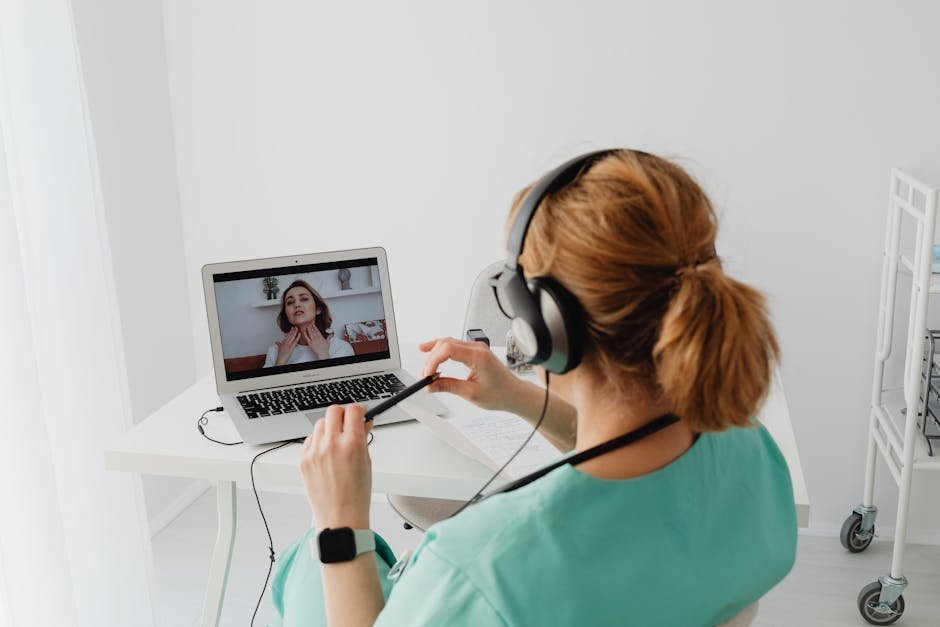
The pandemic-era expansion of cross-state telehealth permissions has not fully reverted, leaving a patchwork of compact agreements that allow PMHNPs licensed in compact-member states to see patients across state lines. The Nurse Licensure Compact now includes more than forty states, and a separate APRN Compact specifically for advanced practice nurses has begun activating in select states. Patients in rural areas or in states with severe psychiatrist shortages now routinely connect with PMHNPs who hold licenses in their state but live elsewhere.
Controlled substance prescribing via telehealth remains the most regulated piece. The DEA has issued evolving rules on whether stimulants and benzodiazepines can be initiated without an in-person visit. Patients seeking ADHD medication or anxiety treatment with controlled substances should ask the prospective PMHNP about current DEA telehealth requirements at the time of scheduling, since the rules have shifted multiple times since 2020 and may continue to do so.
Workforce projections suggest the PMHNP supply will continue expanding faster than psychiatrist supply through at least 2030. Graduate program enrollments have grown roughly 8 percent annually, and many states have streamlined licensure pathways. For patients facing access barriers, this trend means a psychiatric nurse practitioner will increasingly be the most realistic option for timely psychiatric care.
Frequently asked questions
Can a PMHNP prescribe ADHD stimulants like Adderall?
Yes, in most states, provided the clinician holds an individual DEA registration. In restricted-practice states the prescription may need physician co-signature or supervision. Some states impose additional rules on Schedule II prescribing via telehealth, so an in-person visit may be required before initiation.
Are PMHNPs covered by Medicare and Medicaid?
Medicare covers PMHNP services at 85 percent of the physician fee schedule for the same code. Medicaid coverage varies by state but virtually all state Medicaid programs reimburse PMHNPs as primary mental health prescribers.
What is the difference between a PMHNP and a psychiatric NP?
The terms are used interchangeably in everyday speech. The formal credential title is psychiatric-mental health nurse practitioner, often shortened to PMHNP. Some older clinicians hold a psychiatric clinical nurse specialist credential, which has largely been phased out and merged into the PMHNP role.
Do PMHNPs treat children and adolescents?
The PMHNP-BC certification covers practice across the lifespan, so clinicians can legally treat pediatric patients. In practice, many PMHNPs focus on adults and refer pediatric cases to those who maintain dedicated pediatric caseloads. Ask any prospective clinician about their experience with the relevant age group.
Will a PMHNP also do therapy or only medication?
Most PMHNPs in private practice focus on medication management with brief supportive elements. A subset trained in formal psychotherapy modalities offer dedicated therapy sessions. If you want both prescribing and weekly psychotherapy from one clinician, ask before scheduling whether that combination is part of the practice.
The bottom line
Psychiatric nurse practitioners have become a primary access point for outpatient psychiatric care in the United States, with prescriptive authority that meets or approaches that of psychiatrists in most states for routine medication management. Verifying credentials, understanding your state’s practice authority laws, and confirming insurance coverage are the practical steps before scheduling. For most patients with common psychiatric conditions, a qualified PMHNP offers shorter waits, lower costs, and outcomes comparable to psychiatrist-led care.
If you or someone you know is in suicidal crisis or experiencing a mental health emergency, call or text 988 to reach the Suicide and Crisis Lifeline. Trained counselors are available 24 hours a day at no cost.
For professional credentialing standards, see resources at ana.org and apa.org.
This article is for general educational purposes only and does not constitute medical advice, diagnosis, or treatment. Consult a licensed healthcare professional regarding your individual circumstances. Information current as of publication and subject to change as state laws and federal regulations evolve.