Tomas from Houston had been on three different antidepressants over two years, with each one producing partial response and intolerable side effects in some combination. His psychiatrist, before adding a fourth agent, took an unusual side road. She prescribed pharmaceutical-grade ethyl-EPA fish oil at two grams daily, alongside the existing medication, and asked him to come back in eight weeks. Tomas was skeptical. He had taken supermarket fish oil for years on his cardiologist’s advice without noticing any mental change. The prescription product was different. Standardized purity, third-party tested, EPA-dominant rather than balanced, dosed to a level his over-the-counter softgels had not approached. By week six his sleep had stabilized, by week eight his Hamilton score had dropped from 18 to 9, and by month four he was in remission. The omega-3 was an adjunct, not a cure. The dose, the form, and the product specification were not arbitrary.
The story of omega 3 depression research has been running for more than thirty years, and the field has moved past the “do they work?” question into the more granular questions of which omega-3, in what dose, for which patients, and at what level of product purity. The answers matter because the casual consumer fish oil that most patients have already tried is rarely the same product, in any meaningful sense, as the pharmaceutical-grade ethyl-EPA preparations that have produced the strongest mood signals in trials. The disappointing experience of having tried fish oil and found nothing is real, and it is not necessarily evidence that omega-3 lipids fail. It is often evidence that the product was wrong.
EPA primacy in mood, DHA primacy in cognition
The two long-chain omega-3 fatty acids that matter clinically are eicosapentaenoic acid, EPA, and docosahexaenoic acid, DHA. Both come from the same dietary sources, primarily oily fish, and both have important biological roles. The mood research has converged on a clear pattern. EPA-dominant preparations and pure EPA preparations consistently outperform DHA-dominant preparations in depression trials, often by substantial margins. The meta-analyses that pool all omega-3 trials together find modest, sometimes statistically significant antidepressant effects. The meta-analyses that separate EPA-rich from DHA-rich products find that the effect is concentrated almost entirely in the EPA arm.
DHA is not irrelevant. It is the dominant structural omega-3 in brain tissue, and its role in cognitive development, neurodevelopment, and neurodegenerative trajectories is well established. For depression specifically, however, DHA does not appear to be the active ingredient. Clinical recommendations from groups including the International Society for Nutritional Psychiatry Research now specify EPA-dominant products with at least a 2:1 EPA-to-DHA ratio for mood indications, with pure EPA preparations being the strongest evidence base for unipolar depression as adjunct treatment.
Therapeutic doses and what under-dosing looks like
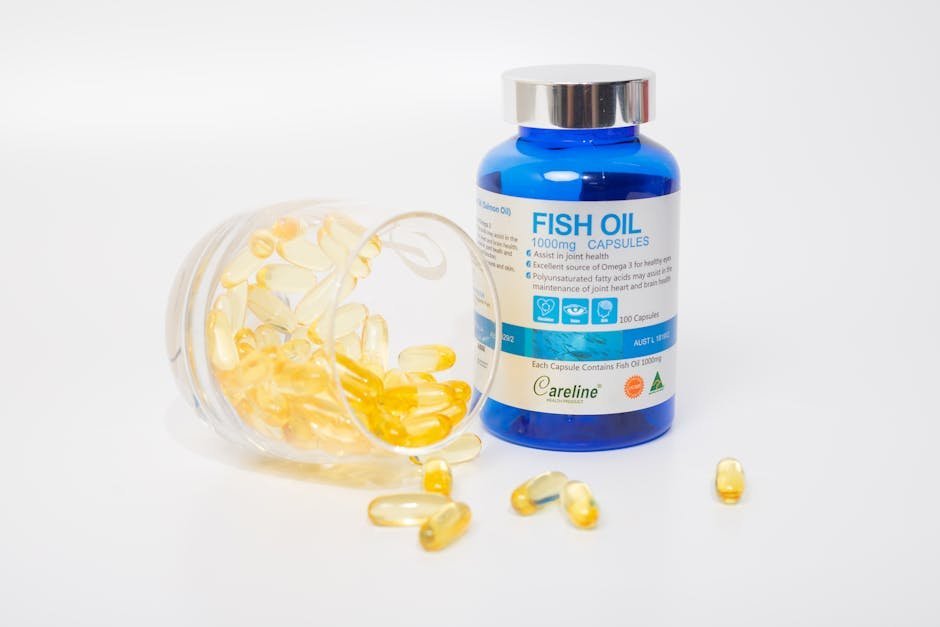
The therapeutic dose range for adjunct depression treatment is approximately one to two grams of EPA per day, with most positive trials clustering near the higher end. The phrasing matters because consumer fish oil products list total fish oil, which is not the same number as EPA content. A 1,000 milligram fish oil softgel might contain 180 mg of EPA and 120 mg of DHA, which is a perfectly adequate cardiovascular product and an entirely inadequate mood product. Reaching one gram of EPA from that softgel would require six capsules per day. Reaching two grams would require twelve. Patients who took two such capsules daily and concluded fish oil “did nothing for mood” were getting roughly one-fifth of the dose used in trials.
For bipolar maintenance, where the trial evidence is somewhat different and the doses used have ranged higher, total daily EPA plus DHA combinations of two to four grams have been studied, with mixed but interesting results. The Andrew Stoll bipolar trial in the late 1990s, which kicked off serious psychiatric interest in omega-3 supplementation, used very high doses by current consumer standards. Bipolar patients considering omega-3 augmentation should do so under psychiatric supervision, since dosing decisions interact with mood stabilizer regimens. Our piece on tapering off antidepressants covers the broader context in which omega-3 augmentation often gets considered.
Pharmaceutical-grade versus over-the-counter fish oil
Two prescription omega-3 products dominate the U.S. pharmaceutical-grade landscape. Lovaza, the original prescription omega-3 ethyl ester product, contains a mixture of EPA ethyl ester and DHA ethyl ester at high purity, FDA-approved for severe hypertriglyceridemia. Vascepa, the more recent product, contains pure EPA as icosapent ethyl, also FDA-approved for elevated triglycerides and for cardiovascular risk reduction in select patients. Neither product carries an FDA-approved indication for depression. Both have been used off-label as augmentation in mood disorders, with pharmaceutical-grade specification giving prescribers and patients confidence about content, purity, and oxidation status.
For patients without insurance coverage of prescription omega-3, third-party tested over-the-counter products can come close to pharmaceutical-grade purity at substantially lower cost. The relevant certifications are International Fish Oil Standards, IFOS, and the United States Pharmacopeia, USP, both of which test for content accuracy, oxidation, mercury, polychlorinated biphenyls, and dioxins. Brands that carry IFOS five-star certification at the batch level publish certificate-of-analysis documents that consumers can verify. The cost difference between IFOS-certified high-EPA products and the cheapest fish oil on the supermarket shelf is meaningful, and the quality difference is also meaningful.
Purity, oxidation, and why it matters for the brain
Fish oil oxidizes. Polyunsaturated fatty acids are inherently susceptible to oxidative damage, and once oxidation begins, the resulting lipid peroxides are pro-inflammatory rather than anti-inflammatory. A bottle of fish oil that has been sitting on a warm shelf, exposed to light, for months past a poorly-monitored harvest date can deliver an oxidized product that is plausibly harmful rather than helpful. The IFOS standards include peroxide value and total oxidation testing, and certified products meet specific limits.
The practical implication for patients is to buy from brands with batch-level testing, store fish oil refrigerated once opened, and discard products that smell strongly fishy or rancid, since the smell test is a real signal that oxidation has occurred. Coated softgels and burping-resistant formulations are mostly comfort features, not quality indicators, although they can affect adherence. The mercury concern, while important for fish consumption, is well managed by molecular distillation in any reputable fish oil product, and contemporary IFOS-tested oils have negligible mercury content.
The evidence base, from Stoll to Freeman
The modern psychiatric omega-3 literature was kicked off by Andrew Stoll’s 1999 bipolar trial in the Archives of General Psychiatry, which showed that high-dose fish oil supplementation reduced relapse rates in bipolar disorder. The result generated enormous interest, replication efforts of varying methodological quality, and a long arc of subsequent work in unipolar depression, perinatal depression, and several other indications. Marlene Freeman at Massachusetts General Hospital has led much of the perinatal omega-3 research, with particular focus on safety and benefit during pregnancy and postpartum, when many women are reluctant to take psychiatric medication and where omega-3 supplementation has emerged as a reasonable adjunct or first-line option for mild to moderate symptoms.
The 2019 meta-analysis in Translational Psychiatry, the 2021 Cochrane review, and the 2023 update from the International Society for Nutritional Psychiatry Research all converge on a similar bottom line. Omega-3, particularly EPA-dominant preparations at adequate doses, produces a small to moderate antidepressant effect as augmentation in adults with unipolar depression, with stronger effects in patients who have inflammatory features and weaker or absent effects in patients without elevated inflammation markers. The mechanism story is increasingly framed in terms of inflammation modulation rather than direct neurotransmitter effects.
Drug interactions and the warfarin question
The most clinically relevant interaction is with warfarin and other anticoagulants. Omega-3 fatty acids modestly reduce platelet aggregation, and combining high-dose omega-3 with warfarin can increase bleeding risk. The interaction is generally manageable with INR monitoring, but adding two grams of EPA to a stable warfarin regimen is not something to do casually. Patients on warfarin who want to start omega-3 should coordinate with the prescriber managing their anticoagulation. Direct oral anticoagulants such as apixaban and rivaroxaban have less well-characterized interactions, and most clinicians take a similarly cautious approach.
Aspirin, NSAIDs, and other antiplatelet agents are not absolute contraindications but carry the same general bleeding-risk consideration. Patients scheduled for surgery often hold high-dose fish oil for one to two weeks preoperatively, on the same logic. For most adults on standard antidepressant therapy without anticoagulant exposure, omega-3 supplementation is straightforward to add. Our piece on vitamin D testing and supplementation in depression covers the most common adjacent supplementation question that comes up at the same clinical visit.
Vegetarian and vegan alternatives
Vegetarian and vegan patients who want to avoid fish-derived omega-3 have options, although none of them perfectly substitute for fish oil. Algae-derived oil contains DHA at high concentration and varying amounts of EPA, depending on the algal species and the manufacturing process. The available algae-EPA products typically deliver lower EPA quantities per capsule than the best fish oil products, and the cost per gram of EPA is higher. For patients who prioritize plant-based supplementation and accept slightly lower EPA delivery efficiency, algae oil is the closest direct substitute.
Alpha-linolenic acid, ALA, the plant-source omega-3 found in flaxseeds, chia seeds, walnuts, and several seed oils, is a poor substitute for direct EPA. The conversion rate from ALA to EPA in human metabolism is low, typically below 10 percent, and the conversion rate to DHA is lower still. Recommending more flaxseed oil to a depressed vegan patient as a substitute for the EPA dose used in trials is not a clinically equivalent move. For vegan patients, algae-based EPA-DHA blends are the appropriate parallel product. Our coverage of long-term medication strategies walks through how augmentation choices fit into broader treatment plans.
Realistic expectations as adjunct, not monotherapy
The evidence base supports omega-3 as augmentation in adults with depression, particularly when paired with an existing antidepressant or psychotherapy and used at the appropriate EPA-dominant dose. The evidence does not support omega-3 as a standalone treatment for moderate to severe depression. Patients who replace prescribed treatment with fish oil supplementation, on the basis of internet enthusiasm, are taking a meaningful clinical risk that the trial literature does not endorse. The honest framing for patients is that omega-3 is a real, evidence-supported addition to a comprehensive treatment plan, with effects that are modest in magnitude and that show up over weeks rather than days.
The National Institutes of Health Office of Dietary Supplements maintains a thorough fact sheet on omega-3 fatty acids, including current guidance on dietary intake and supplementation, on its consumer health information portal. The U.S. Food and Drug Administration publishes labeling and quality information on the regulated pharmaceutical-grade products through its drug information resources, including details on Vascepa and Lovaza prescribing information.
Frequently asked questions
How long until I notice any mood effect from EPA supplementation?
Most positive trials show measurable change at four to eight weeks, with full effect by twelve weeks. Patients who have been at therapeutic dose for twelve weeks without change are unlikely to respond further.
Can I just eat more salmon instead of taking capsules?
Eating fatty fish two to three times per week provides meaningful baseline omega-3 intake but rarely reaches the one-to-two-gram EPA daily target used in mood trials. Most patients who pursue therapeutic omega-3 augmentation use supplementation in addition to dietary fish.
Are there side effects?
Common side effects include fishy aftertaste, fishy burps, mild gastrointestinal upset, and occasional loose stools at higher doses. Bleeding risk increases modestly. Most side effects are mild and improve with refrigerated, enteric-coated, or higher-quality preparations.
Is it safe in pregnancy?
Omega-3 supplementation has a substantial safety record in pregnancy and is often recommended for fetal neurodevelopment regardless of mood considerations. Pregnant patients should use products tested for mercury and other contaminants and discuss dosing with an obstetric clinician.
How do I know if a product has enough EPA?
Read the supplement facts panel for EPA milligrams per serving, not total fish oil. Calculate how many capsules per day reach 1,000 to 2,000 mg EPA. If the math doesn’t get there, the product is not a mood-dose preparation.
The bottom line
The omega 3 depression evidence supports EPA-dominant supplementation at therapeutic doses as a real adjunct in adult depression, with the most consistent effects seen in patients with inflammatory features and at one-to-two grams of EPA daily. The product matters as much as the molecule. Pharmaceutical-grade preparations and IFOS-certified over-the-counter alternatives deliver what the label promises. Casual consumer fish oil at one or two softgels per day delivers a fraction of the trial dose. Patients who tried fish oil and saw nothing often had a product problem, not a biology problem. Used as augmentation alongside established treatment, with appropriate dose, purity verification, and clinical follow-up, omega-3 supplementation contributes meaningfully to mood treatment for a substantial subset of patients without significant downside risk.
If you are in a crisis, call or text 988 to reach the Suicide and Crisis Lifeline. If you are not in immediate danger, talk with your primary care clinician or psychiatrist about whether omega-3 augmentation is a reasonable addition to your treatment plan, and what dose and product specification fit your situation.
This article is for general information only and is not medical advice. Omega-3 supplementation should be discussed with a clinician, especially if you are taking anticoagulants, are pregnant, have bipolar disorder, or are scheduled for surgery. Individual response varies, and supplementation is not a replacement for established treatment of moderate to severe depression.