Jared Vasquez, twenty-eight, an Army veteran living in Colorado Springs, took a fall from a second-story balcony at a friend’s wedding in late September. He was knocked unconscious for maybe ninety seconds. The ER did a CT scan, told him it was a concussion, gave him a one-page printout about rest, and sent him home. Three weeks later he was a different person. Light hurt his eyes through sunglasses. Reading a paragraph took the focus of memorizing a phone book. He snapped at his wife over a dropped fork and then sobbed in the garage for forty minutes. He could not sleep more than two hours at a time. He started thinking about the SIG Sauer in his nightstand more often than he was willing to admit. By week ten, his wife found a Veterans Affairs concussion clinic that finally said the word “post-concussion syndrome” out loud and connected him with both a TBI-trained psychiatrist and a cognitive rehab therapist. The first 90 days after a brain injury are the window where TBI mental health care either anchors the recovery or quietly slips away. This guide is about not letting it slip.
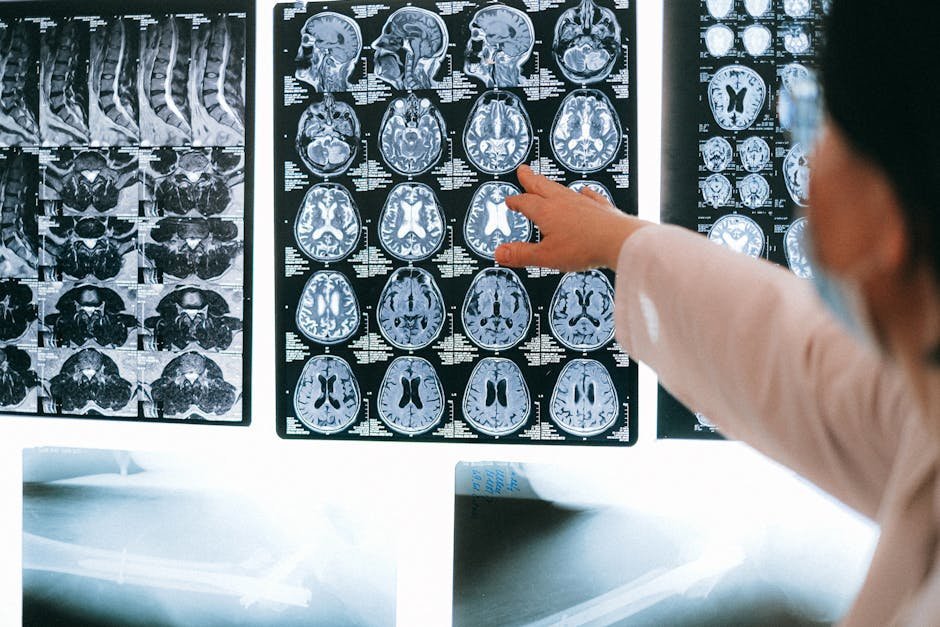
The TBI Severity Spectrum
Traumatic brain injury exists on a continuum, and the labels matter because treatment, prognosis, and disability claims all hinge on classification. Mild TBI, the technical term for what most people call concussion, accounts for about 80 percent of all TBIs. Definition criteria include loss of consciousness for less than 30 minutes, post-traumatic amnesia under 24 hours, and a Glasgow Coma Scale of 13 to 15. Moderate TBI involves loss of consciousness from 30 minutes to 24 hours and amnesia up to a week. Severe TBI involves loss of consciousness over 24 hours, amnesia beyond a week, or a GCS of 8 or below.
The word “mild” misleads everyone, including patients, families, and primary care physicians. A mild TBI is mild only in the sense that it usually does not show up on standard CT or MRI. The functional, cognitive, and psychiatric consequences can be anything but mild. TBI mental health outcomes do not track tidily with the severity classification. Some patients with severe TBI recover well functionally. Some patients with mild TBI develop disabling post-concussion syndrome that lasts years.
Post-Concussion Syndrome: What Persists
Most concussions resolve within two to four weeks. About 10 to 20 percent of patients develop post-concussion syndrome, defined by symptoms persisting beyond three months. The symptoms cluster in three domains. Cognitive symptoms include trouble concentrating, slowed processing, short-term memory problems, and word-finding difficulty. Mood and behavioral symptoms include irritability, depression, anxiety, emotional lability, and personality changes that family members notice before the patient does. Sleep symptoms include insomnia, fragmented sleep, vivid dreams, and excessive daytime fatigue. Physical symptoms such as headache, dizziness, photophobia, and nausea round out the picture.
The symptoms feed each other. Insomnia worsens cognitive function, which feeds anxiety, which worsens insomnia. Headaches drive irritability, which damages relationships, which drives depression. Treating one symptom in isolation often fails. The pattern argues for a coordinated approach across neurology, psychiatry, sleep medicine, and behavioral therapy. Most communities lack a one-stop concussion clinic, so the patient or family ends up coordinating the care themselves. Patients dealing with similar layered conditions sometimes use the resources from our piece on VA mental health services and how to access them quickly to navigate referrals.
Depression and Anxiety After Mild TBI
Studies consistently find that 40 percent or more of patients meet criteria for major depression within the first year after mild TBI. Anxiety disorder rates are similar. The risk is highest in patients with prior psychiatric history, but a meaningful number of patients with no prior diagnoses develop their first depressive episode in the post-injury window. The mechanisms are partly biological, involving disrupted neural networks, neurotransmitter changes, and inflammation, and partly psychological, including grief over functional losses, fear of permanent disability, and the social isolation that comes when you cannot tolerate noise or crowded spaces.
Treatment of post-TBI depression and anxiety follows standard protocols, with some modifications. SSRIs are first-line, with sertraline and escitalopram having the most TBI-specific evidence. Bupropion is generally avoided in the first year because of seizure risk concerns. Benzodiazepines are avoided for longer-term use because they slow cognitive recovery. Stimulants like methylphenidate are sometimes used for cognitive complaints when they overlap with depression. Therapy works, but pacing matters. Patients struggling with concentration may need shorter sessions, fewer homework assignments, and more skill-building before insight-oriented work.
Suicide Risk After TBI
The suicide rate among TBI survivors runs roughly twice the population baseline, and the risk persists for at least 15 years post-injury. The increased risk is not explained entirely by depression or substance use, although both contribute. Disinhibition, impulsivity, and poor problem-solving from frontal lobe injury all raise the risk of acting on suicidal thoughts in moments of distress. The risk is highest in young men, those with severe TBI, those with co-occurring substance use, and military personnel with overlapping PTSD.
Means restriction is one of the most effective interventions. Removing or securing firearms, medications, and other lethal means during the recovery window matters more after TBI than in many other populations because impulsivity is elevated and the gap between thought and action is shorter. Family members are usually the right partners for this conversation, because the patient may not initially recognize the increased risk in themselves. A safety plan should be created early, ideally before discharge from the ER, and reviewed at each follow-up visit.
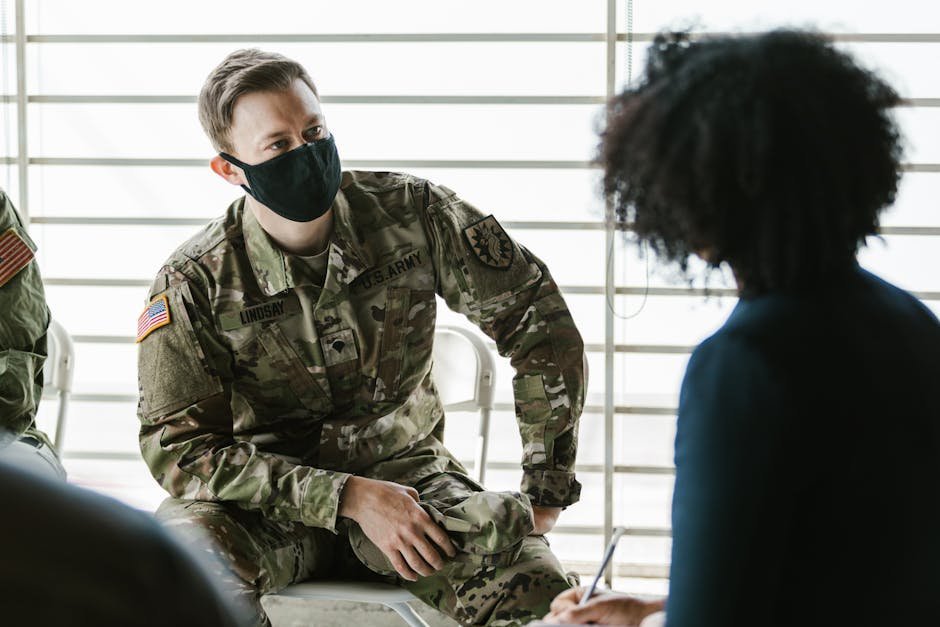
Military TBI and PTSD Overlap
Service members and veterans face a unique pattern. Blast TBI from improvised explosive devices produces a pressure-wave injury distinct from blunt trauma, often without obvious external signs. The same combat events that produce blast TBI also produce PTSD. Sleep disturbance, irritability, concentration problems, and emotional numbing show up in both. Disentangling them matters because the treatments differ.
VA Polytrauma System of Care centers were established specifically to handle this overlap. Treatment integrates trauma-focused therapy, often cognitive processing therapy or prolonged exposure, with cognitive rehabilitation, sleep treatment, and pain management. The key insight from VA research is that treating PTSD aggressively often improves the cognitive complaints that initially looked like pure TBI sequelae. Our overview of veteran-specific trauma treatment options covers the broader landscape.
The First 90 Days: When to Seek Help
The first 90 days after a brain injury is the window when most patients either recover or shift toward chronicity. Several specific signs should trigger a same-week mental health evaluation rather than watchful waiting:
- New or worsening suicidal thoughts
- Significant personality change noticed by family
- Inability to return to baseline work or school after four weeks
- Severe sleep disturbance lasting more than two weeks
- Substance use as a coping strategy, including increased alcohol
- Aggression or violent outbursts that are out of character
- Symptoms of paranoia or persistent intrusive memories
Earlier intervention prevents secondary problems. A patient who develops insomnia, drinks to sleep, and then loses a job over the resulting performance issues is harder to help than the same patient caught at the insomnia stage. Many primary care doctors are uncomfortable with TBI mental health management and may default to “give it time.” Time is part of the treatment but not the whole treatment. If your primary care doctor will not refer to a TBI-trained psychiatrist or psychologist, the patient or family can self-refer to a concussion clinic, an academic neuropsychiatry program, or a VA polytrauma center.
Finding TBI-Trained Psychiatrists and Neuropsychologists
Not every psychiatrist is comfortable managing post-TBI patients. The patient population requires familiarity with cognitive testing interpretation, knowledge of TBI-specific medication considerations such as seizure threshold, and patience with slower communication. Useful sources include academic medical center brain injury programs, the Brain Injury Association of America’s directory, and VA polytrauma networks for veterans. The Brain Injury Association also lists state affiliates that maintain provider directories.
Neuropsychological evaluation is a separate but related service. Most TBI specialists recommend waiting at least three months post-injury before formal neuropsych testing, because earlier testing captures recovery in progress and overstates impairment. Earlier informal cognitive screening, such as the Montreal Cognitive Assessment, can guide care without locking in a baseline that will look artificially low. The full neuropsych battery typically takes 4 to 8 hours over one or two visits and produces a written report that guides cognitive rehab targets, return to work decisions, and disability claims if needed. Patients seeking education on differentiating TBI from other trauma-related diagnoses can review our piece on acute stress disorder versus PTSD for context on overlapping symptom pictures.

CBT-CT and Return-to-Activity Protocols
Cognitive behavioral therapy for concussion, abbreviated CBT-CT, is an evidence-based treatment specifically adapted for post-concussion syndrome. It addresses the symptom burden, the catastrophic thinking that often develops around symptoms, the activity avoidance that prolongs recovery, and the sleep disturbance that worsens everything else. Sessions usually run 8 to 12 weeks, with shorter individual sessions to accommodate cognitive fatigue.
Return-to-learn and return-to-play protocols govern how students and athletes resume activity. The graduated steps move from physical and cognitive rest, to light activity, to moderate activity, to full return, with each step requiring symptom stability before advancing. Pushing through symptoms early produces longer recovery on average. Pulling back at the first sign of symptom return during a step is the rule. School-based 504 plans can formalize accommodations such as extra time on tests, reduced homework, breaks, and modified PE participation. The Headway organization in the UK and the Brain Injury Association in the U.S. publish family-friendly guidance on these protocols. Authoritative U.S. patient information about TBI is published by the Centers for Disease Control and Prevention and the National Institutes of Health.
Frequently Asked Questions
Will my brain injury show up on an MRI?
Standard MRI usually appears normal in mild TBI. Diffusion tensor imaging and other research-grade techniques can sometimes show changes, but these are not yet routine clinical tools. A normal MRI does not rule out a real brain injury or post-concussion syndrome. The diagnosis is clinical, based on history and symptoms, not imaging.
Can I drink alcohol after a concussion?
Most TBI specialists recommend avoiding alcohol completely for at least the first three months after injury, and minimizing it long-term. Alcohol worsens cognitive function, sleep quality, and mood, and may slow neural recovery. It also increases fall risk for patients with balance issues.
Are there medications specifically for post-concussion syndrome?
No medication is FDA-approved for post-concussion syndrome itself. Treatment targets specific symptoms such as headache with abortive and preventive medications, depression with SSRIs, sleep with melatonin or short-term sleep aids, and cognitive symptoms sometimes with stimulants. The evidence is best for treating each symptom rather than the syndrome as a whole.
How long should I be off work after a concussion?
Most uncomplicated concussions allow return to work within one to two weeks, often with temporary accommodations such as reduced screen time, frequent breaks, and avoidance of high-stakes decisions. Persistent symptoms beyond four weeks warrant formal evaluation and may justify a graduated return over several months. Disability paperwork should be completed by a clinician who has examined you and reviewed your records.
Will I get permanent personality changes?
Most people who have personality changes in the weeks after concussion see them resolve within three to twelve months. Persistent personality change beyond a year is uncommon after mild TBI and more likely after moderate or severe TBI. Treatment of mood, sleep, and cognitive symptoms typically softens the apparent personality changes considerably.
The Bottom Line
TBI mental health care begins in the first 90 days after injury, when depression, anxiety, suicidality, and post-concussion syndrome are most likely to take root or to be prevented. The “mild” label on most TBIs misleads everyone. Forty percent of mild TBI patients develop depression or anxiety, suicide risk doubles, and military patients face an added overlap with PTSD. Effective care means coordinated psychiatric, neurological, and rehabilitation input, often through a concussion clinic, academic neuropsychiatry program, or VA polytrauma center. Early referral, means restriction, sleep treatment, and CBT-CT are the leading-edge tools. Family members noticing personality change should advocate hard for evaluation, because the patient may not see the change in themselves.
988 Reference
If you or a loved one is having suicidal thoughts after a brain injury, call or text 988 to reach the Suicide and Crisis Lifeline. Veterans can press 1 to reach the Veterans Crisis Line directly. Help is available 24 hours a day.
Disclaimer: This article is for general educational purposes and does not replace medical advice from a licensed clinician. TBI care should be coordinated with neurology, psychiatry, and rehabilitation professionals familiar with your specific injury, history, and recovery goals.