Marcus, a 31-year-old former Army infantry sergeant, walked into a generic sober living house in Tampa, Florida, after 28 days of inpatient rehab and lasted four days. The house was clean, the rules were reasonable, the manager was kind, but Marcus could not sleep. The house had eight men in it, none of whom had ever served, and the conversations at the kitchen table felt like a foreign country. When someone laughed about a college fraternity hazing story, Marcus thought about the friend he had lost in Helmand Province. When someone complained about a missed Tinder date, Marcus thought about the way his ex-wife had looked at him the day she left. He left the house on a Tuesday morning, drove to a liquor store, and was found that night by Hillsborough County deputies. The VA Healthcare for Homeless Veterans coordinator who picked up Marcus’s case the following week did one thing differently: she called a veteran-specific sober living house run by a former Marine sergeant in St. Petersburg. Marcus moved in that weekend. He stayed eleven months. The difference, he said later, was not the rules or the structure. It was that everyone in the house had been somewhere similar to where he had been.
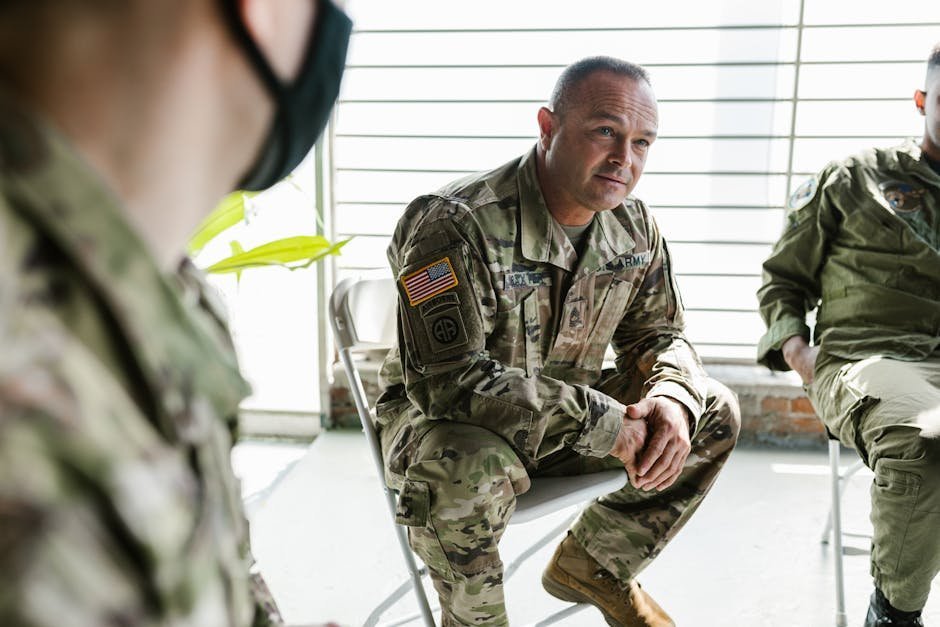
Veteran sober living is recovery housing organised specifically for men and women who have served in the United States military. It exists because the population of veterans in early recovery has clinical, cultural, and practical needs that general sober living homes are often unable to meet. Combat trauma frequently overlaps with substance use disorder. Military hierarchy, language, and bonding patterns shape how veterans relate to peers and authority. The benefits, housing programs, and healthcare systems available to veterans operate through specific channels that veteran-focused houses know how to navigate. For a veteran leaving inpatient treatment or stepping out of homelessness, the right sober living environment can be the structural support that makes the next year of life possible.
The VA Grant and Per Diem program
The largest single funding stream for veteran sober living in the United States is the Department of Veterans Affairs Grant and Per Diem program, usually shortened to GPD. Established in 1994, GPD provides federal grants to community-based organisations that operate transitional housing for homeless veterans, including those in recovery from substance use disorders. The “per diem” portion is a daily reimbursement (currently around $50 per veteran per day, varying by site) that covers a substantial share of the operating cost of providing housing, case management, and recovery support to a veteran in transitional housing for up to 24 months.
GPD-funded houses run the spectrum from traditional sober living models to bridge housing for veterans transitioning from psychiatric or rehab inpatient care, to specialised sites for women veterans, veterans with severe mental illness, or veterans recently released from incarceration. The federal funding allows these houses to charge veterans little or nothing — a critical feature, because many veterans entering recovery have damaged credit, no rental history, and limited cash for first-month rent and security deposits. The Department of Veterans Affairs maintains a directory of GPD providers, searchable by state and program type.
How veteran sober living differs from general sober living
The most obvious difference is who lives there. A house populated entirely by people who have served creates a baseline cultural common ground that general sober living simply cannot. Conversation references — to deployments, to military jobs, to the chain of command, to specific units — make sense without translation. House rules often borrow lightly from military structure (formation-style morning meetings, room inspections, standardised expectations) in ways that feel familiar rather than infantilising. Many houses are run by veterans, often peer support specialists with lived experience of both service and recovery.
Beyond culture, the clinical needs differ. Combat-exposed veterans have higher rates of post-traumatic stress disorder, traumatic brain injury, chronic pain, sleep disturbance, and moral injury than the civilian population entering recovery. Houses oriented toward this population partner with VA medical centers, Vet Centers, and community providers credentialed to deliver evidence-based PTSD treatments such as Cognitive Processing Therapy and Prolonged Exposure. Our piece on veterans halfway houses covers the broader spectrum of veteran transitional housing options, and our coverage of sober living versus halfway houses explains the structural distinction between recovery housing types.
HUD-VASH integration
The HUD-VASH program (Housing and Urban Development – Veterans Affairs Supportive Housing) provides Section 8 housing vouchers to homeless veterans, paired with VA case management. While HUD-VASH is permanent rental subsidy rather than transitional sober living, the two programs interact in important ways. A veteran may enter a GPD-funded sober living house immediately after rehab, work with a VA case manager to apply for a HUD-VASH voucher during the GPD stay (the voucher process can take months), and graduate from sober living into a HUD-VASH-subsidised apartment with continued case management. The sober living period buys the veteran time to stabilise, accumulate clean time, and prepare for independent living.
The US Department of Housing and Urban Development publishes information on HUD-VASH eligibility and the local public housing authorities that administer the vouchers. Veterans interested in this pathway should ask their VA medical center social worker or homeless veterans coordinator about getting on the HUD-VASH waiting list as early as possible.

Finding veteran sober living through VA channels
Every VA Medical Center has a Healthcare for Homeless Veterans (HCHV) program with coordinators whose explicit job is connecting homeless or unstably housed veterans to appropriate housing resources, including GPD providers. Veterans can self-refer to HCHV. The National Call Center for Homeless Veterans (1-877-4AID-VET) operates 24 hours a day. The VA’s Substance Use Disorder treatment programs, often called Mental Health Residential Rehabilitation Treatment Programs (MH RRTPs), include housing referrals as part of discharge planning when residential treatment ends.
Outside the VA system, organisations like Volunteers of America, Catholic Charities, the Salvation Army, and various regional veteran service organisations operate veteran sober living houses, sometimes with GPD funding and sometimes through private donations. The Veterans Recovery Resources network in the southeastern US specialises in linking veterans to recovery support across state lines.
Peer support specialists with veteran background
One of the structural innovations of veteran-specific recovery housing is the deliberate hiring of peer support specialists — people with their own history of substance use disorder and recovery — who are also veterans. These staff occupy a dual role that civilian peer specialists cannot fully replicate. They understand the specific texture of military experience, the language of operational stress, and the way moral injury can sit alongside ordinary addiction triggers. They speak from a place of “I have been where you are, in the same uniform.”
The VA has formally credentialed peer support specialists since 2007, with veteran-specific peers integrated into mental health and addiction treatment teams across the system. In sober living houses partnered with the VA, a peer support specialist may meet with each resident weekly, run group sessions, accompany residents to outside meetings (12-step, SMART Recovery), and serve as a culturally-fluent point of contact when residents struggle.
Women veterans and gender-specific housing
Women now make up about 11 percent of US veterans and are the fastest-growing segment of the homeless veteran population. Their pathways into substance use and homelessness frequently include experiences of military sexual trauma, intimate partner violence, and single parenthood. Mixed-gender sober living houses can re-traumatise women veterans, particularly those whose service-connected trauma involves male perpetrators. The VA has expanded women veteran-specific GPD beds in recent years, and several major nonprofits now operate dedicated women veteran sober living houses.
Houses serving women veterans typically include trauma-informed staff training, on-site or referred mental health services with female-veteran-experienced clinicians, childcare resources or family-friendly bed configurations where applicable, and the option of single rooms rather than shared sleeping arrangements. For broader context on women veterans’ acute mental health needs, see our piece on acute reactive psychosis, which covers presentations that sometimes overlap with severe trauma response.
What life inside a veteran sober living house looks like
The day-to-day rhythm in most veteran sober living houses is structured. Residents typically rise at a set time, often participate in a brief house meeting, attend external work or educational obligations during the day, return for evening meal and house programming, and observe a curfew. Random drug and alcohol testing is standard. Most houses require some combination of attending recovery meetings outside the house (AA, NA, SMART Recovery, veteran-specific groups), engaging with VA mental health treatment if eligible, paying nominal program fees on a sliding scale, and contributing to house chores.
Length of stay in GPD-funded transitional housing can extend up to 24 months, though most residents transition out earlier as employment stabilises and permanent housing becomes available. The “transitional” label is meaningful: these are not permanent residences, and the program design includes active movement toward independence. House staff typically work with each resident on individualised goals — employment, education, reconnection with family, debt management, legal issue resolution.
Combat trauma and substance use overlap
Roughly one in three combat-exposed veterans treated for substance use disorder also meets criteria for PTSD, and the two conditions are bidirectionally reinforcing. Substance use temporarily numbs hyperarousal, intrusive memories, and sleep disturbance; withdrawal and post-acute withdrawal amplify those same symptoms. Treating one without the other rarely produces durable recovery. Veteran sober living houses that partner with VA PTSD specialty clinics, Vet Centers, or community providers offering Cognitive Processing Therapy or Prolonged Exposure tend to produce better outcomes than houses that focus only on the substance use side.
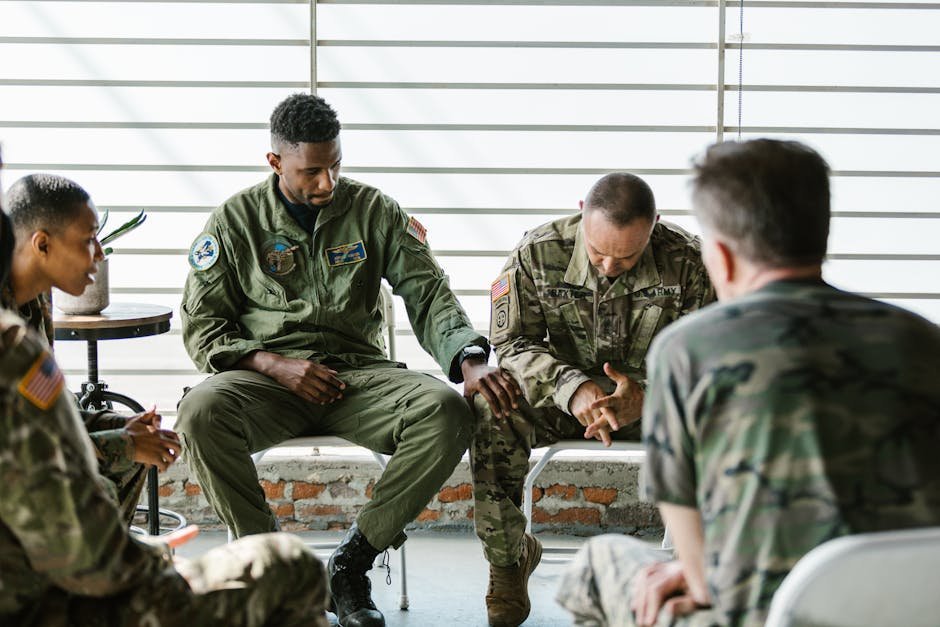
The “comradery” or unit-cohesion aspect of veteran-only housing functions therapeutically as well as culturally. The bonds formed in service often persist as a protective factor in recovery — having housemates who have endured similar experiences and who hold each other accountable replicates some of the social structure veterans often grieve when they leave the military.
Frequently asked questions
Do I need to have a service-connected disability to qualify for veteran sober living?
No. GPD-funded transitional housing is generally open to any veteran who is eligible for VA healthcare and meets the homeless or at-risk-of-homelessness criteria. Service-connected disability rating affects other VA benefits but is not a gateway to sober living.
What if I have a less-than-honorable discharge?
Eligibility rules vary by program. Some GPD providers can serve veterans with other-than-honorable discharges, particularly under recent VA expansions in mental health care eligibility. The HCHV coordinator at your local VA can advise on what is available given your specific discharge characterisation, and discharge upgrades are sometimes possible.
How much does veteran sober living cost?
GPD-funded houses typically charge little or nothing because the federal per diem covers most operating costs. Some private veteran-focused sober living charges market rates similar to general sober living ($500 to $1,500 monthly depending on region). Asking up front whether a house is GPD-funded clarifies the cost picture quickly.
Will the VA pay for my care if I am in non-VA sober living?
The VA pays for healthcare services delivered to eligible veterans regardless of where they live, including outpatient mental health and substance use treatment. The VA does not generally pay rent at non-GPD private sober living houses, though HUD-VASH vouchers can subsidise apartment rent (not sober living rent specifically).
What happens after I leave sober living?
Most veterans transition to independent housing — sometimes a HUD-VASH apartment, sometimes a private rental, sometimes back to family. Continued engagement with VA mental health and substance use treatment, peer support, and recovery community is strongly associated with sustained recovery. The case manager during your sober living stay should help build the post-discharge plan.
The bottom line
For a veteran in early recovery, the choice of where to live in the months after rehab is often as consequential as the rehab itself. A general sober living house can work for some veterans. For many others — especially those with combat trauma, service-related cultural identity, or VA benefit eligibility they have not yet activated — a veteran-specific house produces better outcomes through cultural fit, clinical integration with the VA system, peer support from other veterans, and federal funding that removes the financial barrier. Marcus, the Army sergeant from Tampa, is now four years sober. He works at the same St. Petersburg house where he lived during recovery, as a peer support specialist. He says the most important thing he tells new residents is that they are not alone — that everyone in the house has been somewhere similar to where they are. The structure of veteran sober living makes that statement true in a way other settings cannot.
If you are in crisis
If you or a veteran you love is in crisis, call or text 988 and press 1 to reach the Veterans Crisis Line. For housing emergencies, call the National Call Center for Homeless Veterans at 1-877-4AID-VET (1-877-424-3838).
This article is for educational purposes only and is not medical, legal, or housing-eligibility advice. Always consult VA staff or qualified clinicians for guidance specific to your situation.