Sam bought an Oura ring three months into his anxiety treatment because his therapist had asked him to track sleep. By week two he was checking his readiness score before deciding whether he could handle a difficult work meeting. By week six he was canceling plans on days the ring told him his HRV was low. His therapist gently pointed out that the ring had become a permission slip for avoidance — the very pattern they were trying to dismantle. Sam kept the ring but moved it to a drawer for ninety days. When he started wearing it again, the rule was simple: look at the data once a week, on Sunday morning, and discuss anything notable at the next session. The ring went from a source of fresh anxiety to a useful clinical instrument.
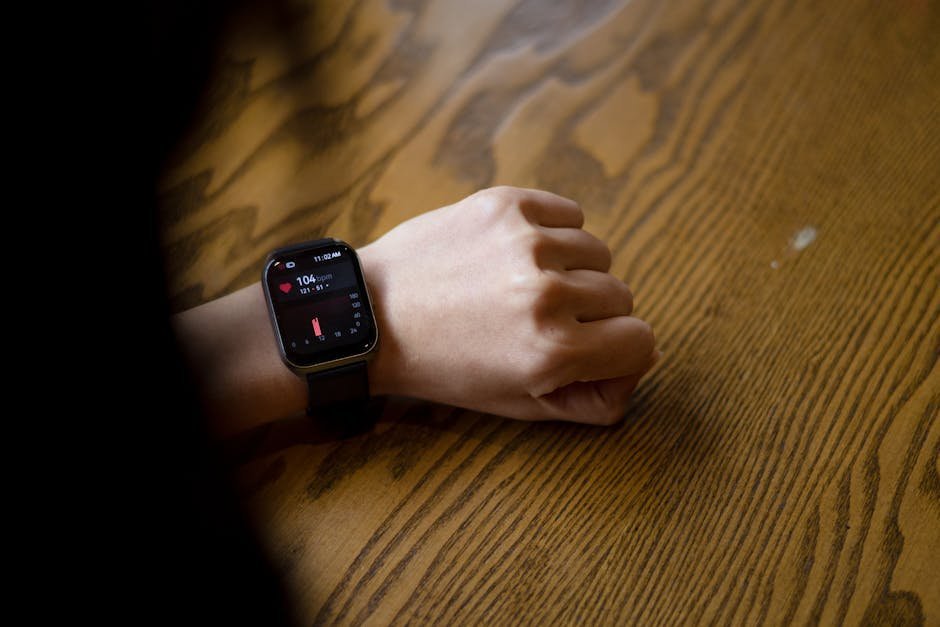
That tension is the whole story of mental health wearables in 2026. The devices have gotten dramatically better at measuring physiological states relevant to anxiety, depression, sleep, and trauma. They can also create new problems if they are used badly. The right framing matters more than the brand on the wrist.
What wearables can actually measure
Modern consumer wearables measure a small set of physiological signals well and a much larger set poorly or indirectly. The signals that have meaningful mental health relevance include heart rate variability (the variation in time between heartbeats, which reflects autonomic nervous system balance), resting heart rate, total sleep time, sleep stage estimates, skin temperature trends, blood oxygen saturation, and movement patterns through the day.
HRV is the most clinically relevant of these. Lower HRV is consistently associated with chronic stress, anxiety disorders, depression, and PTSD. The relationship is not deterministic — plenty of healthy people have lower HRV simply because of age or genetics — but trends within a single person over weeks and months track real autonomic state changes. Devices like the Apple Watch (since Series 4), Oura Ring (Generation 3 and later), Garmin watches, WHOOP, and Fitbit all measure HRV with reasonable accuracy compared to medical-grade chest straps in laboratory comparisons. The Oura and WHOOP devices measure overnight HRV, which is the most stable and clinically useful window.
What wearables cannot measure
None of these devices directly measure mood, anxiety, or depression. The marketing language often blurs this; the science is clear. HRV correlates with autonomic state, not with the subjective experience of feeling sad or panicky. A person can have a perfect readiness score and still be in the middle of a depressive episode. A person can have abysmal HRV after a sleepless night and feel fine emotionally because they are excited about an event the next day.
The same applies to sleep stage tracking. The accelerometer-and-heart-rate algorithms used by all consumer wearables identify deep sleep, REM, and light sleep at roughly 60 to 75 percent agreement with polysomnography (the gold standard sleep lab measurement). They are good at total sleep time and sleep efficiency. They are mediocre at distinguishing the specific stages and consistently overestimate REM. Treating the stage breakdown as actionable data is one of the most common ways wearables produce more anxiety than insight.
Validated mental health applications
Two clinical use cases for wearables have solid evidence behind them.
The first is sleep tracking for insomnia treatment. CBT for insomnia depends on sleep diary data, and consumer wearables produce more reliable diaries than self-report alone. NIMH-funded research has shown that combining wearable-measured sleep with CBT-I can shorten the typical treatment course by one to two sessions and improve adherence with sleep restriction protocols. The Apple Watch, Fitbit, Oura, and Garmin devices all produce data sufficient for this purpose.
The second is HRV biofeedback for anxiety. Resonance frequency breathing (paced breathing at roughly six breaths per minute) increases HRV and has been shown in multiple trials to reduce anxiety symptoms. Devices like the Apple Watch Mindfulness app, the Oura ring’s breathing exercises, and standalone tools like the Lief patch use real-time HRV feedback to guide the practice. Daily ten-minute sessions for eight to twelve weeks produce measurable reductions in generalized anxiety symptoms in randomized trials.
Apple Watch State of Mind and the consumer feature wave
Apple’s State of Mind feature, launched with watchOS 10 and expanded in watchOS 11, prompts users to log a mood rating once or twice a day along with optional contextual factors (work, family, sleep, exercise). The data feeds into the Health app and can be shared with clinicians via Health Records or simple screenshots. The feature does not measure mood — the user reports it — but it standardizes the journaling process in a way that integrates well with therapy.
Oura’s monthly trend reports for HRV, resting heart rate, and skin temperature are particularly useful for tracking response to medication changes or major life events. WHOOP’s strain and recovery scores are popular with athletes but the recovery score is essentially a weighted blend of HRV and resting heart rate, both of which can be read directly. The Garmin “Body Battery” is a similar derived metric. None of these scores have been validated against clinical mental health outcomes; they are useful as personal trend indicators only.
FDA-cleared mental health wearables
A small but growing number of wearables have actual FDA clearance for mental health indications. These cross the line from “consumer wellness device” to “medical device” and have to demonstrate safety and effectiveness for their specific claims.
- NightWare is an Apple Watch app that received FDA clearance in 2020 for the treatment of nightmare disorder in PTSD. It detects elevated heart rate and movement patterns consistent with a nightmare and delivers a vibration just strong enough to interrupt the dream without fully waking the user. Trials showed meaningful reductions in nightmare frequency and improvements in sleep quality. It is prescription-only and runs about $99 a month, with VA coverage available for veterans.
- Apollo Neuro is a wrist or ankle wearable using gentle vibration patterns to influence autonomic state. It has not received FDA clearance as a medical device but has published research on stress reduction.
- Pear Therapeutics’ Somryst, while not a wearable per se, was an FDA-cleared digital therapeutic for chronic insomnia that paired with sleep tracking data; the company has since restructured but the underlying technology continues under different ownership.
- Embr Wave is a wrist-worn device that delivers cooling or warming sensations and has small studies on sleep onset and anxiety; not FDA-cleared.
The FDA’s medical device database is the authoritative source for verifying clearance status of any specific device.
Data privacy and the HIPAA gap
The single most misunderstood thing about consumer wearables is that the data they collect is not protected by HIPAA. HIPAA covers data held by healthcare providers and their business associates. Apple, Oura, Garmin, WHOOP, and Fitbit are not covered entities. Their data is governed only by their privacy policies and applicable state laws.
In practice this means: wearable companies can sell aggregated and anonymized data to third parties under most of their current privacy policies; subpoenas can compel them to hand over individual data without HIPAA’s protections applying; and a security breach exposing wearable mental health data does not trigger HIPAA breach notification requirements. The FDA-cleared devices like NightWare are different — when prescribed and used through a healthcare provider, the resulting clinical data is HIPAA-protected.
For most users this is not a critical issue, but it matters in specific contexts: people in security-clearance positions, people in custody disputes, people dealing with stalkers, and anyone with a high public profile should think carefully about which devices they wear and how they configure data sharing. Apple and Oura are generally considered the most privacy-protective of the major brands; WHOOP and Garmin sit in the middle; Fitbit’s integration with Google adds an additional consideration since the 2021 acquisition.

Integrating wearable data with therapy and psychiatry
The clinicians who get the most out of wearable data treat it as a structured supplement to the clinical interview, not a replacement. A few patterns that work well in practice:
- Bringing a one-month summary screenshot to medication-adjustment appointments, especially for SSRIs and SNRIs that affect sleep and resting heart rate. A sustained drop in resting heart rate after starting an SSRI often correlates with response.
- Using sleep efficiency trends to calibrate CBT-I sleep windows. The therapist sets the prescribed in-bed time based on actual sleep, not estimated sleep.
- Tracking HRV trends across a six-month maintenance phase. A consistent downward trend can flag stress accumulation before subjective symptoms appear.
- Logging panic attacks via the Apple Watch’s “tap to log” or similar features, then reviewing the heart rate data with the therapist to distinguish actual panic episodes from anxiety-about-anxiety.
- Using activity data to verify behavioral activation homework. The patient who reports “I went for walks this week” and has the step counts to back it up has different data to discuss than the patient whose tracker shows the opposite.
This integration works best when the wearable is one piece of a broader recovery toolkit that includes therapy, sleep hygiene, and structured movement. Building habits around sleep, exercise, and nutrition matters more than any specific tracking metric.
When wearables make things worse
Wearables can produce four specific problems for mental health patients. The first is sleep performance anxiety, where checking the sleep score in the morning becomes the worst thing for the next night’s sleep. The fix is to disable morning sleep notifications and review data weekly rather than daily.
The second is the avoidance permission slip pattern Sam fell into — using a low readiness score to justify withdrawal from situations that exposure-based treatment requires the patient to face. The third is orthorexia and exercise compulsion, where activity rings and strain scores feed disordered patterns of food restriction and over-training. The fourth is health anxiety amplification, where the device flags an irregular heart rhythm or an unusual reading and triggers cycles of medical reassurance-seeking that the underlying anxiety disorder thrives on.
For any of these patterns, the answer is rarely to throw the device away permanently. It is usually to change the relationship: less frequent checking, agreed-upon rules with a therapist about what data to act on, and a willingness to take the device off entirely during specific treatment phases. The American Psychological Association publishes guidance on technology and mental health that addresses these patterns specifically. Mindfulness-based approaches like those covered in our mindfulness and meditation guide can also reduce the compulsive checking pattern.
Frequently asked questions
Which wearable is best for anxiety?
For HRV biofeedback specifically, the Apple Watch with the Mindfulness app and Oura Ring both work well. For passive trend monitoring of autonomic state, Oura and WHOOP have the most mature overnight HRV measurements. The “best” device depends more on which one you will actually wear consistently.
Can a wearable detect a panic attack?
The Apple Watch and similar devices can detect rapid heart rate elevations that often accompany panic, but they cannot distinguish panic from exercise, caffeine, or excitement. The “tap to log” approach where the user marks the event manually is more clinically useful than automatic detection.
Will my insurance pay for a wearable?
Generally no for consumer devices. FDA-cleared medical devices like NightWare are increasingly covered, especially through the VA system. Some HSA and FSA accounts allow wearable purchases with a Letter of Medical Necessity from a clinician.
Is wearable data accurate enough for clinical decisions?
For trends within a single person over weeks, yes. For absolute values compared to others or to clinical norms, less so. Clinicians use the data as a supplement to the interview, not as the basis for medication decisions on its own.
Should I share my wearable data with my therapist?
If your therapist is open to it and you want to, yes. A monthly summary is more useful than daily updates. Therapists who are not familiar with the data may not find it useful; psychiatrists and CBT-I specialists usually do.
The bottom line
Mental health wearables are useful tools when they are treated as supplements to clinical care and personal habits, and they are problematic when they become the source of new anxieties or the justification for avoidance. Sleep efficiency tracking for insomnia, HRV biofeedback for anxiety, and structured trend monitoring during medication changes are the strongest evidence-based use cases. Daily score-checking, sleep stage obsession, and using readiness scores as permission slips are the patterns to avoid. The right device used the wrong way is worse than no device at all.
If you are in crisis or having thoughts of suicide, call or text 988 to reach the Suicide and Crisis Lifeline. Help is free and confidential, twenty-four hours a day.
This article is for educational purposes only and does not constitute medical advice. Wearable data should not be used to diagnose or self-manage mental health conditions. Consult a qualified clinician for guidance on integrating any tracking device into your care.