Eleanor, a 64-year-old retired schoolteacher from Asheville, North Carolina, had been quietly drinking three or four glasses of wine every evening for almost two decades. Her family knew about it, the way families know these things and do not quite know what to do. The bigger worry, until that week, had been her appetite. She had been picking at meals for months, dropping weight her primary care doctor said she did not have to lose. When her daughter found her one Tuesday morning unable to walk a straight line down the hallway, eyes drifting strangely to one side, the family assumed it was a stroke and called an ambulance. The ER ran a CT, found nothing acute, observed her overnight, and discharged her with a follow-up appointment. Two days later she was back, more confused, no longer recognizing her own kitchen. The hospitalist who admitted her on the second visit ordered IV thiamine within twenty minutes. Within 48 hours she was clearer, walking again, oriented to person and place. Her family was told what would have happened if no one had thought of Wernicke encephalopathy: progressive permanent memory loss, ataxia that does not resolve, and the slow-motion drift into Korsakoff’s syndrome, from which there is rarely a way back.

The Triad That Almost No One Has All Three Of
Medical students learn the classic triad of Wernicke encephalopathy: ophthalmoplegia (abnormal eye movements, often nystagmus or sixth nerve palsy with diplopia), ataxia (a wide-based unsteady gait), and confusion or altered mental status. The triad is taught for board exams, not for real medicine. Autopsy studies, the most painful kind of audit, have shown for decades that fewer than ten percent of confirmed cases of Wernicke had all three findings on presentation. Many had only one. A surprising number had none of the classical findings and were instead picked up by an alert clinician who noticed apathy, confabulation, or unexplained hypothermia in a patient who fit the risk profile. The diagnostic problem, then, is less about recognizing the triad and more about recognizing that any patient at risk who presents with any neurological symptom deserves empirical thiamine before it is too late.
Who Is at Risk and Why It Is Not Just Alcoholics
Chronic alcohol use is the largest single risk factor in the United States, but it is far from the only one. Thiamine deficiency develops in any setting where intake is poor, demand is high, or absorption is impaired. The list of populations at meaningful risk is longer than most clinicians remember:
- Chronic heavy alcohol users, especially those who eat little
- Patients with hyperemesis gravidarum, where weeks of vomiting in pregnancy deplete reserves
- Post-bariatric surgery patients, particularly within the first year after gastric bypass or sleeve, especially if they have had vomiting or have not been adherent to vitamin protocols
- Anorexia nervosa patients during prolonged restriction or refeeding
- Hyperemesis from chemotherapy or other causes
- Patients on prolonged total parenteral nutrition without thiamine supplementation
- Refugees and others with prolonged severe undernutrition
- Patients with malabsorption syndromes such as severe Crohn’s disease
- Older adults with depression and self-neglect, particularly those living alone
- Patients with HIV/AIDS and significant wasting
Eleanor was in two of these categories at once: chronic alcohol use plus poor oral intake. Her family had focused on her drinking as the problem, and her doctor had focused on her weight loss as the problem. No one had connected the two and asked whether she might be running on empty thiamine reserves.
How Often Hospitals Miss This Diagnosis
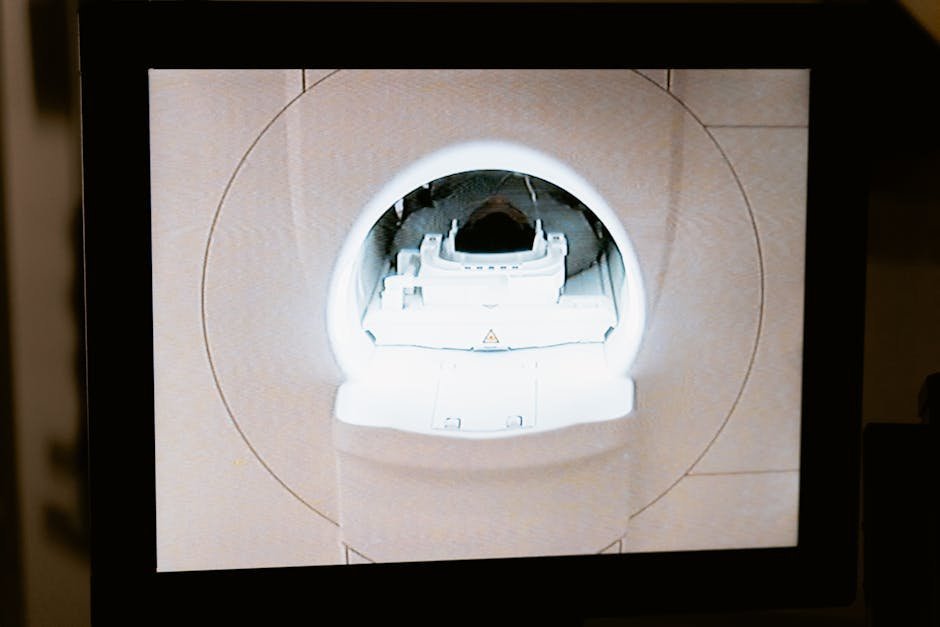
The literature on missed Wernicke is sobering. Autopsy series have found that only about one-third of patients with neuropathological evidence of Wernicke had been diagnosed and treated with thiamine before death. Two-thirds of cases were missed entirely. Of those that were treated, many received insufficient doses or oral rather than intravenous thiamine, which is less reliably absorbed in this population. The reasons hospitals miss it are not mysterious. ER teams are pressed for time. Confused older adults from a nursing home or with a known drinking history are easy to write off as “alcohol-related encephalopathy” without specifically considering thiamine deficiency. CT scans look unremarkable. MRI, which can show characteristic mammillary body and periventricular changes, is rarely ordered emergently. The diagnosis hinges on a clinician thinking of it.
Why Glucose Without Thiamine Can Make Things Worse
This is one of the most-repeated and least-respected rules in emergency medicine. A thiamine-depleted brain is barely keeping up with its energy demands. Push glucose into that system without first replenishing thiamine, and you accelerate a metabolic process that requires thiamine as a coenzyme. The result can be acute precipitation or worsening of Wernicke. It is the medical equivalent of pouring more gas into a flooded engine. Standard practice in any patient with suspected alcohol use disorder, malnutrition, or unexplained altered mental status is thiamine first or simultaneously with any glucose-containing fluid. The dose for prevention is at least 100 mg IV; for treatment of suspected acute Wernicke, current expert guidance recommends 500 mg IV three times daily for the first two to three days, then a step-down regimen for several weeks. Oral thiamine is reasonable for prophylaxis in low-risk outpatients but not for acute treatment.
The connection between alcohol-related cognitive presentations and other psychiatric emergencies is also worth understanding for families navigating dual diagnosis care, where overlapping symptoms can confuse the clinical picture.
The Treatment Protocol That Actually Works
Modern practice for confirmed or suspected acute Wernicke uses high-dose parenteral thiamine. The Royal College of Physicians and other expert bodies recommend 500 mg IV thiamine three times daily for two to three days, infused over thirty minutes. After that, the dose drops to 250 mg daily for three to five more days, then a maintenance oral dose of 100 mg daily for weeks to months. Magnesium repletion is essential because thiamine cannot do its job in a magnesium-depleted state. Other B vitamins are typically given as part of a multivitamin infusion. The earlier the treatment starts, the more reversible the syndrome. Ophthalmoplegia and ataxia often improve within hours to days. Confusion may take longer, sometimes weeks, and a portion of patients are left with residual memory deficits even with prompt treatment. Delay of even 48 hours can mean permanent damage.
Patients who are admitted for medical stabilization while drinking heavily benefit from a structured medical alcohol detox protocol that includes thiamine as routine, not as something to consider only if symptoms appear.
Korsakoff: The Endpoint Families Should Know About
If Wernicke is caught and treated, most patients recover substantially. If it is not, the syndrome progresses, often quietly, into Korsakoff’s syndrome. Korsakoff’s is characterized by profound anterograde amnesia, often with confabulation, where the patient invents plausible-sounding histories to fill in the blanks they cannot remember. Confabulation is not lying. The patient genuinely does not know what happened ten minutes ago and offers a story that feels true to them. Korsakoff’s is largely irreversible. Patients are typically unable to live independently, cannot retain new information for more than minutes, and require structured care often in skilled nursing settings. The path from acute Wernicke to chronic Korsakoff’s is the path of a thiamine deficiency that was missed or undertreated. This is why families and clinicians should not wait for the full triad. The cost of empirical thiamine in someone who turns out not to have Wernicke is essentially zero. The cost of withholding it in someone who does is permanent.
What Families and Patients Can Do Before the Hospital Visit

The single most useful thing a family can do, beyond getting their loved one to the ER, is to tell the team three specific things in the first five minutes. The drinking history. The eating history over the past several months, especially weight loss or vomiting. Any prior bariatric surgery. These three pieces of information move thiamine deficiency up the differential diagnosis list immediately. ER staff are often working with incomplete information; an articulate family member at the bedside saying, “We are worried about thiamine deficiency, can you check,” changes care decisions in measurable ways. Eleanor’s daughter, on the second admission, said exactly that. The admitting team confirmed that the first ER visit had not given thiamine. The dose was started before the labs came back.
Patients with restrictive eating disorders are at particular risk both during active disease and during refeeding. Anyone with significant weight loss should be aware of the risks discussed in articles on anorexia medical emergency management.
Outpatient Prophylaxis: Who Should Be Taking Daily Thiamine
Outpatient thiamine is cheap, well-tolerated, and undertaken with too little frequency. Several groups should be on a daily oral dose, often 100 mg, as routine prophylaxis:
- Active heavy drinkers not yet ready for detox
- Patients in the first year after bariatric surgery, often as part of a structured supplement protocol
- Patients with hyperemesis gravidarum until vomiting resolves
- Patients with eating disorders during stabilization
- Patients receiving long-term parenteral nutrition without supplementation
- Older adults with poor oral intake from depression, dementia, or social isolation
Thiamine is water-soluble and well-tolerated. The downside risk is essentially zero. The upside is the prevention of a neurological catastrophe.
The National Institute on Alcohol Abuse and Alcoholism publishes resources on alcohol-related medical conditions. The National Institute of Neurological Disorders and Stroke provides patient information on neurological complications of nutritional deficiencies.
Frequently Asked Questions
If my parent is confused at the ER, what do I say to make sure they consider Wernicke’s?
Mention drinking history, recent weight loss or poor eating, and any history of vomiting or bariatric surgery in the same breath. Ask directly whether the team has considered thiamine deficiency. Most clinicians will respond promptly to a clear, focused family concern.
Can someone develop Wernicke’s without drinking?
Yes. Severe vomiting in pregnancy, post-bariatric surgery without adequate vitamin replacement, eating disorders, prolonged TPN without thiamine, and certain malabsorptive conditions can all produce thiamine deficiency severe enough to cause Wernicke’s.
How long does it take to recover after IV thiamine?
Eye movement abnormalities often improve within hours. Gait improves within days. Confusion can take days to weeks to clear, and a portion of patients have residual memory issues even with prompt and adequate treatment. Earlier treatment yields better outcomes.
Is oral thiamine enough if my parent eats poorly?
For prevention in someone who is stable and absorbing food, daily oral thiamine 100 mg is reasonable. For acute symptoms or for someone who has been vomiting or has malabsorption, oral thiamine is not adequate; IV is required.
Why don’t ER doctors just give thiamine to everyone?
Many actually do, as a matter of protocol, in patients with any indication of alcohol use, malnutrition, or altered mental status. The problem is inconsistency. Asking directly about it as a family member is reasonable and often welcome.
The Bottom Line
Wernicke encephalopathy is treatable when caught and devastating when missed. The classic triad is rarely complete. The patient population is broader than chronic alcoholism alone. Glucose without thiamine can make things worse. The treatment is high-dose IV thiamine, and the cost of getting it wrong is permanent neurological damage. Families who know the risk factors and ask directly can change outcomes. Hospitals that build thiamine into their order sets for at-risk patients save lives without any meaningful expense. Eleanor went home eight days after that second admission, walking, talking, and able to remember her grandchildren’s names. Her family was told that she had come closer to permanent memory loss than they would ever fully appreciate.
If you or someone you love is in crisis, call or text 988 to reach the Suicide and Crisis Lifeline. For substance use and mental health treatment referrals, contact SAMHSA’s National Helpline at 1-800-662-HELP (4357), free and confidential, 24 hours a day.
This article is for general educational purposes and does not replace medical advice from a qualified clinician. Wernicke encephalopathy is a medical emergency; if you suspect it in yourself or a loved one, seek immediate medical attention.