Marcus, a 34-year-old combat veteran living in Austin, Texas, came home from his second deployment with PTSD that nightmares could not loosen. He tried weekly therapy. He tried sertraline. He tried a meditation app his wife downloaded for him. The first time the panic crested in line at H-E-B, he abandoned a half-full cart and sat on the curb until his heart rate dropped below 130. His VA psychologist mentioned a nonprofit in Florida called K9s For Warriors. Eighteen months later, Marcus came home with a 70-pound shepherd mix named Pilot, trained to interrupt nightmares with a paw on the chest, brace him during dissociation, and lead him to an exit when crowds compressed. Pilot is not an emotional support animal. Pilot is not a therapy dog visiting hospitals. Pilot is a psychiatric service dog, federally protected under the Americans with Disabilities Act, and the legal distinction matters more than most pet owners realize. The categories get blurred online, the registries that promise certification are scams, and the difference between a legitimate task-trained dog and a pet in a vest can determine whether you can fly, rent, or work without barriers.
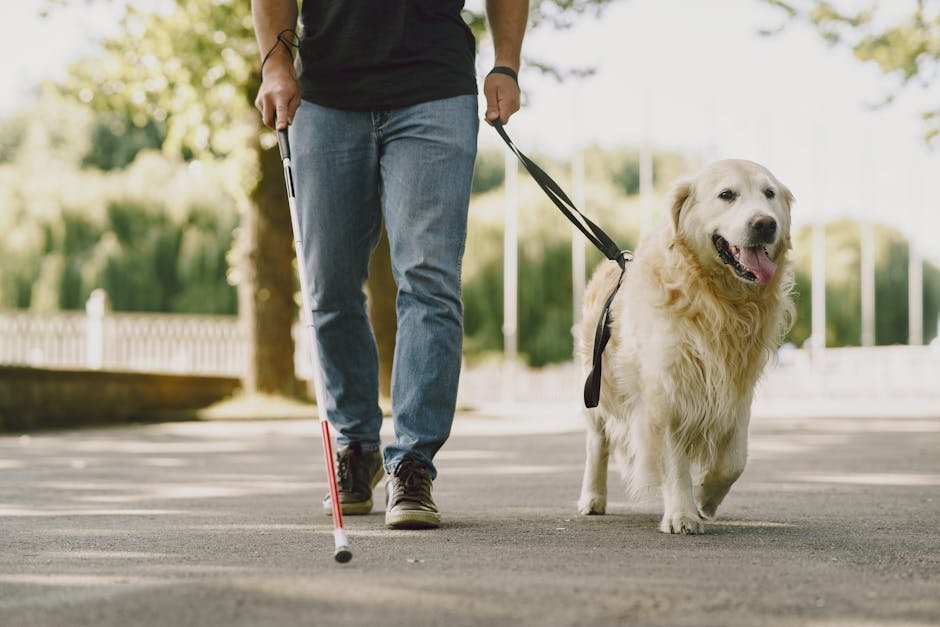
Three categories, three different legal realities
The single most useful thing you can do before researching animal-assisted mental health support is to learn the three legal categories. They are not interchangeable. A psychiatric service dog is an ADA-recognized service animal trained to perform specific tasks that mitigate a psychiatric disability. An emotional support animal, or ESA, is a pet whose presence comforts someone with a diagnosed mental health condition but who is not trained for tasks. A therapy dog is a friendly, well-socialized pet who visits hospitals, schools, and nursing homes with a handler, providing comfort to others, not the handler.
Only the first category carries broad federal access rights. Service dogs go where their handlers go: restaurants, grocery stores, hotels, classrooms, airline cabins. ESAs lost most of their flight access in January 2021 when the Department of Transportation revised the Air Carrier Access Act, but they retain housing rights under the Fair Housing Act. Therapy dogs are guests with permission to enter specific facilities, not protected at all in places of public accommodation.
If you do not understand which category fits your situation, you will waste money on the wrong path. Worse, you may end up with an animal you cannot legally bring to the place you needed help most.
What makes a psychiatric service dog ADA-protected
Under the Americans with Disabilities Act, a service animal is a dog (occasionally a miniature horse) individually trained to do work or perform tasks for a person with a disability. Anxiety alone is not the qualifier. The dog must perform specific, trained tasks. For someone with PTSD, that may include nightmare interruption, deep pressure therapy during panic, blocking strangers from approaching too closely in crowded spaces, retrieving medication, or alerting before a flashback escalates. For someone with severe depression, the trained tasks might be coaxing the handler out of bed at scheduled times, fetching a phone during a crisis, or interrupting self-harm behaviors.
The ADA gives staff at any business exactly two questions they may ask: Is the dog a service animal required because of a disability? What work or task has the dog been trained to perform? They cannot ask for documentation. They cannot demand the dog demonstrate the task. They cannot ask about your diagnosis. The federal text is published at ada.gov and worth reading once before you fly or rent.
The certification myth that costs people thousands
There is no federal service dog certification. There is no federal registry. The websites that sell ID cards, vests, and “registration packages” for $79 to $300 are selling decorations with no legal weight. Businesses that ask for these cards are misinformed; ADA staff at the Department of Justice have been clear for over a decade.
What actually establishes a dog as a service animal is the dog’s trained behavior. A legitimate psychiatric service dog can perform tasks reliably in public, ignores food and other dogs, and does not bark, lunge, or relieve itself indoors. If the dog cannot do that, it is not a service dog regardless of any certificate hanging in the kitchen. If the dog can, no certificate is required.

Program-trained vs. owner-trained
Two pathways exist to a working psychiatric service dog. Program-trained dogs come from established nonprofits or for-profit trainers. K9s For Warriors places dogs with post-9/11 veterans at no cost to the veteran, with a multi-week residential training pairing. Canine Companions trains dogs for a range of disabilities and places them at no charge after a long application process. This Able Veteran trains psychiatric service dogs for veterans with PTSD. NEADS, Paws With A Cause, and Service Dogs of America operate similar models.
Cost matters. A program-trained service dog represents $20,000 to $50,000 in real expense to produce. Nonprofits cover this through donations and waitlists. For-profit trainers charge the full amount. Either way, expect a wait of one to three years from application to placement.
Owner-training is legal under the ADA. You may train your own dog, or hire a private trainer to assist, and the dog has the same rights once it can perform tasks reliably in public. The catch is that most pet dogs do not have the temperament. Of dogs evaluated for service work, the washout rate is 50 to 70 percent. Trying to train a reactive Labrador because you love him is a path to disappointment for both of you. Many people who succeed at owner-training start with a candidate puppy from a working line, work with a trainer experienced in service dog development, and accept that the project will take 18 to 24 months.
How emotional support animals actually work
An ESA is your pet, plus a letter from a licensed mental health professional stating that the animal provides therapeutic benefit for your condition. The letter is not bought from a website that diagnoses you in three minutes for $129. Those letters do not hold up if challenged, and several states have passed laws criminalizing fraudulent ESA letters. The letter is written by a therapist, psychologist, psychiatrist, or licensed clinical social worker who has an actual treatment relationship with you.
What an ESA letter gets you in 2026 is housing access under the Fair Housing Act. Landlords cannot refuse a reasonable accommodation request to keep an ESA, even in no-pet buildings, and cannot charge pet rent or pet deposits. Documentation can be requested by the landlord, who may ask for verification from the prescriber. Detailed FHA guidance lives at hud.gov. ESAs do not have access rights to restaurants, stores, or workplaces. Air carriers may treat them as ordinary pets, which means cabin fees and carrier requirements apply. For more on connecting with vetted local resources, the article on community mental health line 211 is a useful starting point.
The nonprofit programs worth knowing
- K9s For Warriors (Florida): post-9/11 veterans with PTSD, traumatic brain injury, or military sexual trauma. No cost. Multi-week paired training in residence.
- Canine Companions (national): physical and psychiatric disabilities, including a facility dog program. No cost.
- This Able Veteran (Illinois): psychiatric service dogs for veterans with combat PTSD. Trauma resiliency program plus dog placement.
- NEADS World Class Service Dogs (Massachusetts): includes a program for veterans and a clients-with-PTSD pathway.
- Paws With A Cause (Michigan): national placements with a multi-year waitlist.
- Veterans Moving Forward (Virginia): no-cost placements specifically for veterans.
None of these programs accept everyone who applies. Acceptance criteria typically include a stable housing situation, a documented diagnosis, willingness to commit to the partnership for the dog’s working life of 8 to 10 years, and the physical and emotional capacity to handle a working dog daily. The application process itself can take six months before a waitlist begins. Movement-based interventions like the practice covered in our trauma-informed yoga guide often complement service dog work for PTSD.

Workplace accommodations and air travel
The ADA covers public accommodations and Title I covers employment. A psychiatric service dog at work is generally a reasonable accommodation under Title I, requested through your employer’s HR or accommodations process. The employer may ask for medical documentation supporting the need and may discuss alternatives if the dog poses a genuine workplace safety issue. Most office settings can accommodate a well-trained service dog without conflict; warehouses, food production lines, and certain healthcare settings sometimes cannot.
For air travel, the 2021 ACAA changes mean only trained service dogs fly in the cabin without a pet fee. Airlines now require a Department of Transportation form attesting to the dog’s health, training, and behavior, submitted 48 hours before flight. ESAs are no longer covered. Two service dogs maximum per passenger; the dog must fit in your floor space without blocking aisles. Read the fine print of your specific airline because behavior expectations are enforced strictly. A guide to stress management strategies can help during the planning phase if travel itself is anxiety-provoking.
When a service dog is not the right fit
Service dogs are not low-maintenance. The dog needs daily exercise, ongoing maintenance training, regular veterinary care, and the ability to be in public at your side most of the time. People with severe agoraphobia who cannot leave home regularly may find a working dog under-stimulated. People who travel internationally for work face complex import rules. People living with roommates, partners, or family members who are allergic, fearful, or hostile to dogs face household friction the dog cannot fix.
The dog also will not cure the underlying condition. A handler still needs therapy, medication if prescribed, and the rest of the treatment plan. The dog reduces the friction of daily functioning; the dog is not an alternative to clinical care. Trainers and program staff are clear about this in screening interviews, and applicants who present a service dog as their primary treatment plan are usually redirected to broader care first.
Frequently asked questions
Do I need a doctor’s letter to have a service dog?
Not for ADA access. Businesses cannot ask for documentation. You may want a letter from your treating clinician for your own records, for housing, or for employment accommodation requests, but you do not need one to be in a restaurant with your trained service dog.
How long does owner-training take?
Plan for 18 to 24 months for a candidate puppy with the right temperament, working with a qualified trainer. The dog needs solid public access manners, reliability under distraction, and at least three trained tasks specific to your disability before the dog is working in public.
Can my landlord charge a deposit for a service dog or ESA?
No. The Fair Housing Act prohibits pet deposits or pet rent for assistance animals. The landlord may charge for actual damage the animal causes, the same as any tenant damage.
Can a service dog be any breed?
Legally, yes. The ADA does not restrict breeds. Practically, service dog programs select for stable temperament, biddability, and physical soundness. Labrador retrievers, golden retrievers, German shepherds, standard poodles, and certain mixes dominate the working population.
What if a business asks me to leave with my service dog?
The ADA permits removal only if the dog is out of control or not housebroken. Otherwise, removal is a civil rights violation. Document the incident and file a complaint with the Department of Justice ADA section. Local protection and advocacy agencies can also help.
The bottom line
The therapy animal world has real options for people with serious mental health conditions, and a flood of misinformation that wastes money and hope. A trained psychiatric service dog is a federally protected partner in daily life, not a vest you buy online. An ESA is a real housing accommodation backed by a real treating clinician, not a $129 letter from a website. Therapy dogs are wonderful volunteers serving others, but they have no special access rights for their handlers. If you are considering this path, start with your treating mental health provider, identify which category fits your needs, and contact established programs early because waitlists are long. The right animal at the right level of training changes lives. The wrong product, falsely sold, leaves you with a frustrated pet and an empty bank account.
If you are in crisis
If you are experiencing a mental health crisis, call or text 988 to reach the Suicide and Crisis Lifeline, available 24 hours a day across the United States. For non-crisis local resource referrals including service dog programs, dial 211.
This article is for informational purposes only and does not constitute medical, legal, or veterinary advice. Federal regulations cited are accurate as of publication. Speak with a licensed mental health professional, an attorney, and a qualified service dog organization before making decisions about psychiatric service dog placement, ESA letters, or accommodation requests.