Trevor was 28, a software engineer in Austin, when his fiancee called his sister at 3 a.m. on a Tuesday. He had not slept since Saturday. He had drained 11,000 dollars from their joint account to invest in a cryptocurrency project he had only heard about that morning. He was talking faster than she could follow, jumping between topics, certain that he had cracked the architecture for an artificial general intelligence. By the time his sister arrived, Trevor was pacing the living room in his underwear, telling her that his thoughts were broadcasting on a frequency the FBI could intercept. They drove to St. David’s Medical Center. The triage nurse, who had seen this presentation before, took one look at the speeded-up speech and the dilated pupils and asked the question that mattered most: was there any chance he had used cocaine, methamphetamine, MDMA, or PCP in the last 72 hours? Trevor’s fiancee did not know. His sister did. She had found a baggie in his desk the week before. The answer to that single question changed the working diagnosis, the workup, and the treatment plan. Acute mania emergency presentations in American emergency departments are common, and the most important diagnostic question is usually not whether mania is present but what is causing it.

What acute mania looks like in the emergency department
The DSM-5 criteria for a manic episode require a distinct period of abnormally elevated, expansive, or irritable mood lasting at least one week, plus three or more of the following: inflated self-esteem, decreased need for sleep, pressured speech, racing thoughts, distractibility, increased goal-directed activity, and excessive involvement in risky activities. In the ER, patients rarely arrive with all seven on a list. They arrive with the consequences: a maxed-out credit card, a missed shift, an arrest, a 911 call from a family member who has watched 60 hours of escalating chaos.
About half of patients in an acute mania emergency present with psychotic features, including grandiose delusions, paranoid ideation, or auditory hallucinations. This complicates the picture, because the same presentation can result from cocaine, methamphetamine, MDMA, PCP, high-dose corticosteroids, certain antidepressants in undiagnosed bipolar patients, or thyroid storm. The ER team’s job in the first 60 minutes is rapid triage, safety, and the start of a differential that does not collapse prematurely into a single diagnosis.
The substance-induced mania differential
Substance-induced mania is one of the most clinically consequential rule-outs in emergency psychiatry, because the treatment, prognosis, and length of stay are all different. Stimulants like cocaine, methamphetamine, and high-dose ADHD medications can produce a state that looks identical to bipolar mania but resolves with sleep and substance clearance. MDMA produces a euphoric, hyperactive state that often features prominent paranoia. PCP creates a more dissociative, agitated picture with violent risk. Synthetic cathinones, sometimes called bath salts, produce severe agitation, paranoia, and hyperthermia.
Less obvious causes include high-dose prednisone for asthma or autoimmune flares, certain antidepressants triggering a first manic episode in someone with previously undiagnosed bipolar disorder, levodopa, and rarely, hyperthyroidism. A urine drug screen is the standard first step, but it has limitations: synthetic cathinones, novel psychoactive substances, and high-dose stimulants can produce false negatives. Family history is sometimes the deciding factor when labs are ambiguous.
How urine drug screens are interpreted
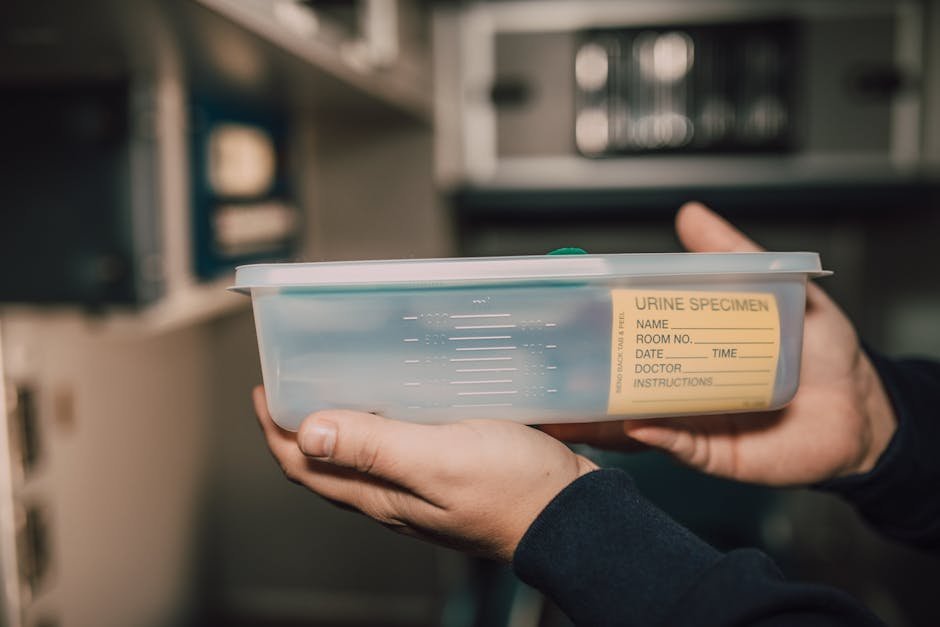
Standard urine immunoassay panels detect amphetamines, cocaine metabolites, opiates, benzodiazepines, marijuana, PCP, and sometimes MDMA. They do not detect methylenedioxypyrovalerone, mephedrone, novel synthetic stimulants, fentanyl analogues, or many designer cathinones. A negative panel does not rule out substance-induced mania, particularly in a patient with the clinical picture and a recent unexplained behavioural change.
Positive findings need careful interpretation. A positive amphetamine result in a patient on prescribed lisdexamfetamine is expected and not diagnostic. A positive cocaine in a patient with three days of sleeplessness, dilated pupils, and grandiosity is highly suggestive of stimulant-induced mania, but does not exclude an underlying bipolar disorder unmasked by the use. The framework most ER psychiatrists use is to treat the acute presentation, observe through substance clearance, and reassess at the 5 to 7 day mark. Our piece on acute mania hospitalisation and the inpatient stabilisation timeline covers what that observation period looks like.
When family history makes the call
A family history of bipolar I disorder, particularly in a first-degree relative, raises the pre-test probability of primary bipolar mania significantly. Heritability of bipolar disorder is around 60 to 80 percent in twin studies. A patient with no substance findings, a clear week-long manic episode, and a parent or sibling with documented bipolar disorder is highly likely to be having a primary manic episode, and the team can move toward mood stabiliser initiation with confidence.
The flip side: a 22-year-old with no family history, recent stimulant use, and three days of insomnia and grandiosity is more likely to be having a substance-induced presentation. The team treats both the same in the first 24 hours but plans the next 6 months differently. Substance-induced mania often does not require long-term mood stabilisation if the substance is removed and there are no further episodes.
ER management: sleep, safety, and the first medications
Acute manic agitation responds to a combination of benzodiazepines and antipsychotics. Lorazepam 2 mg IV or IM addresses agitation and supports sleep. For severe psychotic features or rapid escalation, olanzapine 10 mg IM, haloperidol 5 mg IM, or ziprasidone 20 mg IM are common choices. Newer protocols increasingly use IM olanzapine or a combination of haloperidol with lorazepam, depending on the patient’s prior response and any contraindications.
Mood stabiliser initiation, typically lithium or valproic acid, often begins within the first 24 to 48 hours if the team is confident the picture is bipolar mania rather than substance-induced. Lithium loads more slowly and requires baseline thyroid and renal panels. Valproic acid loads faster, including via an oral loading dose of 20 to 30 mg/kg. Atypical antipsychotics like quetiapine, olanzapine, and aripiprazole are also approved for acute mania and are used as monotherapy or in combination. For more on lithium safety, see our piece on lithium toxicity recognition and management.
Admission criteria and the inpatient stabilisation phase
Most patients with an acute manic episode require psychiatric inpatient admission. The criteria include grave disability, danger to self or others, severe functional impairment, psychotic features, or inability to participate in outpatient treatment. Voluntary admission is preferred, but involuntary commitment under state psychiatric hold laws is sometimes necessary when insight is severely impaired.
Length of inpatient stay for primary bipolar mania typically runs 5 to 21 days. Substance-induced mania, when uncomplicated, may stabilise in 3 to 7 days. The longer end of the range applies to patients with prominent psychotic features, slow response to medication, or complex psychosocial planning needs. Discharge requires a follow-up psychiatry appointment within 7 days, ideally within 48 hours, and a clear medication plan with sustained-release options when adherence is a concern.

Restraints, seclusion, and safety planning
Severely agitated manic patients sometimes require physical or chemical restraint to prevent harm. The standard of care is to use the least restrictive means available, with verbal de-escalation first, voluntary medication second, and involuntary medication or restraint only when clinically necessary. Continuous observation is required during any restraint episode, with documentation of medical justification and timed reassessment.
Family members are sometimes present during ER stabilisation and sometimes excluded for safety. Their role is most useful in providing collateral history, confirming or denying recent substance use, and helping with disposition planning once the acute phase passes. Our piece on navigating bipolar disorder care in the family system covers the longer arc.
Postpartum mania and the special-population question
Postpartum mania, including postpartum psychosis with manic features, is one of the most urgent presentations in emergency psychiatry. It typically occurs within the first 2 to 4 weeks after delivery, though sometimes later. The presentation includes severe insomnia, mood elevation or irritability, grandiosity, paranoia, and sometimes commands or delusions about the infant. The condition is a psychiatric emergency requiring inpatient admission and immediate medication, almost always with antipsychotics and sometimes lithium. Suicide and infanticide risks, although rare, are real and require urgent attention.
Resources from the National Institute of Mental Health on bipolar disorder and the Depression and Bipolar Support Alliance peer programs can help patients and families through the longer recovery arc. Both are reliable and free.
Frequently asked questions
Can someone come down from mania without medication?
A primary manic episode typically does not resolve without treatment. Untreated mania can last weeks to months, often ending in exhaustion, hospitalisation, or a depressive crash. Substance-induced mania can resolve with substance clearance and sleep, sometimes without sustained medication.
Will antidepressants cause mania in everyone?
No. Antidepressants can trigger a first manic episode in people with underlying bipolar disorder, sometimes revealing the diagnosis. People without bipolar vulnerability rarely become manic from antidepressants. Family history and prior mood patterns guide the risk assessment.
Is hypomania a mental health emergency?
Hypomania, the milder form, is rarely an immediate emergency by itself, but it often signals an unstable bipolar course and can escalate to full mania. Outpatient psychiatric evaluation within 1 to 2 weeks is appropriate. Emergency care is needed if symptoms escalate, sleep collapses, or psychotic features appear.
How long until lithium starts working in acute mania?
Lithium reaches therapeutic blood levels in 4 to 7 days and clinical effect typically follows within 7 to 14 days. For acute mania, antipsychotics are usually combined with lithium for faster initial control, with lithium maintained for long-term mood stabilisation.
Can someone with substance-induced mania still need long-term mood stabilisation?
Yes, sometimes. About 30 to 40 percent of people with substance-induced mania go on to receive a primary bipolar diagnosis within 5 years, particularly if there is family history or recurrent episodes. Long-term follow-up determines whether maintenance medication is needed.
The bottom line
An acute mania emergency in the ER is treated the same in the first 24 hours regardless of cause: safety, sleep, benzodiazepines, antipsychotics for severe presentations, and structured observation. The diagnostic work, separating primary bipolar mania from substance-induced or medication-induced mania, happens over the next 5 to 21 days. Family history, urine drug screening, and the time course of resolution after substance clearance are the three most useful tools. Both pictures are treatable, and many patients leave the inpatient unit on a clear medication plan and a follow-up appointment that determines the next year of their life.
If you or someone you love is in crisis, call or text 988 to reach the Suicide and Crisis Lifeline, available 24 hours a day across the United States.
This article is for general educational purposes only and is not a substitute for medical advice, diagnosis, or treatment. Acute mania is a medical and psychiatric emergency; please consult a licensed psychiatrist or call 911 for urgent concerns.