Reggie had been a paramedic in Phoenix for twenty-two years before the call that finally broke him. It was not, in the end, the worst call he had ever run. It was a routine cardiac arrest in a quiet neighborhood, an elderly man whose wife stood in the doorway and asked Reggie what she should do with the dinner she had just put in the oven. That detail, the still-warm oven, lodged itself in his head and would not leave. Six months later he was drinking three beers before bed to sleep, snapping at his teenage daughter, and avoiding his own dispatch radio at the dinner table. His department’s Employee Assistance Program offered him a generic counselor who asked him about childhood and never once said the word “cumulative.” That counselor was a fine therapist for many people. She was not a first responder therapy specialist, and Reggie left after three sessions feeling worse, not better. The clinician he eventually found, recommended by a peer support team member at the IAFF Center of Excellence, knew what cumulative trauma was and treated it like the distinct entity it is.
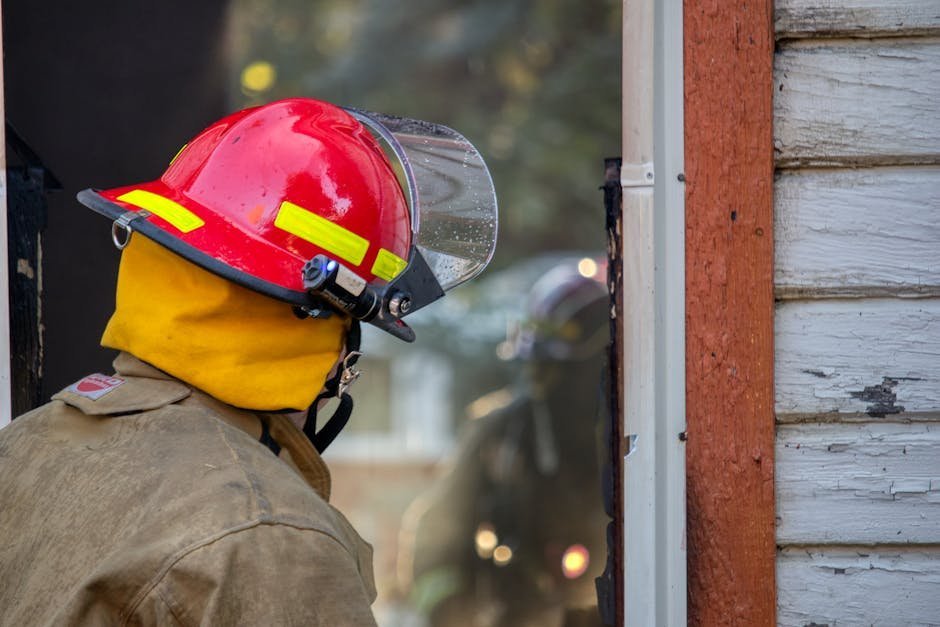
Cumulative trauma vs. single-event trauma
The classic PTSD diagnostic frame, anchored in DSM-5, was built around a discrete traumatic event: a combat firefight, a sexual assault, a car crash. First responders rarely have a single index trauma. They have hundreds. A career firefighter may run several thousand calls over a working life, of which dozens or hundreds will involve serious injury or death. A police officer may witness violence, abuse, or recent death weekly. A 911 dispatcher may take three suicide-by-firearm calls in a single shift. The clinical picture that develops is not always classic PTSD. It is what current trauma researchers describe as cumulative or complex occupational trauma, and the treatment implications matter.
A clinician trained in first responder therapy understands that “what was the worst call?” is often the wrong opening question. The right question is something closer to “which calls do you think about when you can’t sleep?” The answer is rarely a single mass-casualty event. It is a constellation, a layering, a soundtrack of minor details that have accumulated into something the nervous system can no longer file.
Why first responder trauma differs from military trauma
Veterans and first responders share a great deal: occupational identity, command structure, exposure to violence, and a culture of stigma around weakness. The trauma profiles overlap meaningfully, and the same evidence-based therapies (Cognitive Processing Therapy, Prolonged Exposure, EMDR) work for both. Many veterans CPT and PE therapists have transitioned to also serve first responder populations, and many first responder programs draw heavily from VA-developed protocols.
The differences are also real. Military deployments are time-bounded; first responder careers are continuous. Military combat is intense but often clustered; first responder exposure is steady, decades-long, woven into the fabric of family life. Combat veterans typically receive their trauma in young adulthood; first responders receive theirs across the entire arc of their working lives. A clinician who treats both populations should be able to articulate these differences without flattening them.
The IAFF Center of Excellence and dedicated treatment programs
The International Association of Fire Fighters operates the Center of Excellence in Upper Marlboro, Maryland, the first inpatient and intensive outpatient treatment facility in the United States designed exclusively for IAFF members and their families. The Center treats PTSD, substance use disorders, and co-occurring conditions with clinicians who are trained in firefighter and paramedic culture, language, and shift dynamics. Acceptance is open to active and retired IAFF members, and many state and municipal departments cover treatment costs.
For law enforcement, the COPS Office at the U.S. Department of Justice maintains mental health and wellness resources, and the FBI’s National Academy curriculum has expanded peer support and clinical referral training over the past decade. The Code Green Campaign focuses specifically on EMS, where mental health resources have historically lagged behind fire and police. Several private inpatient programs, including some that began as veteran trauma centers, now offer dedicated first responder tracks with shared peer cohorts and specialized clinicians.
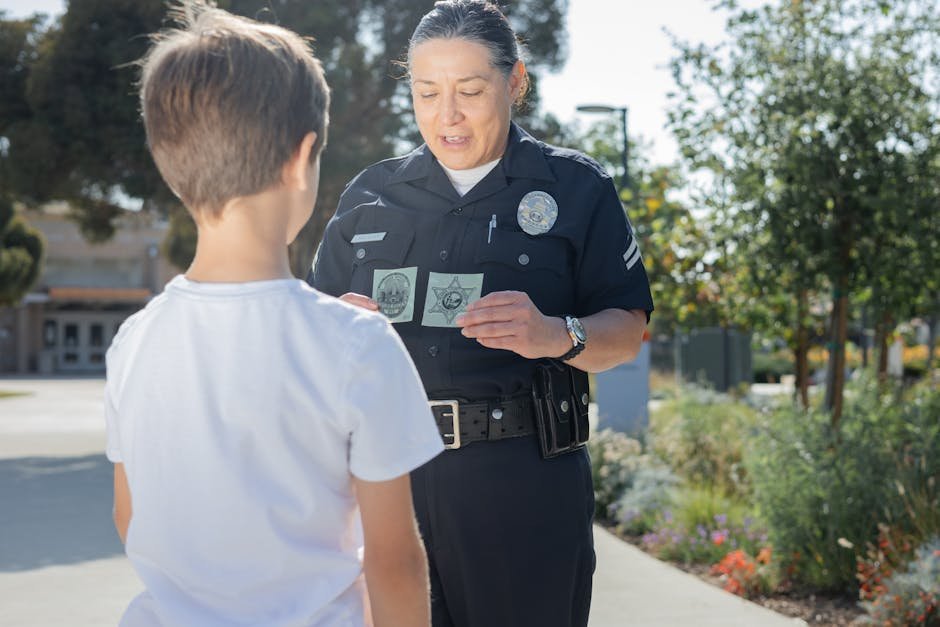
Peer support teams: the bridge to clinical care
Most first responders do not walk into a therapist’s office cold. They walk in because a peer support team member said they had been there themselves, named what was happening, and shared the contact information for someone who would not flinch at the details. Peer support teams are formally trained groups of fellow firefighters, officers, EMTs, or dispatchers who serve as confidential listeners and informal navigators of the mental health system. They are not therapists, but they are often the difference between asking for help and never asking at all.
If you are a first responder who has not yet engaged a peer support team, ask your union, your shift commander, or your dispatch supervisor whether one exists. Most do, even in smaller departments, and many are integrated with critical incident stress management protocols.
EMDR, CPT, and trauma-specific protocols
The therapies that have the strongest evidence base for trauma in occupational populations are Cognitive Processing Therapy (CPT), Prolonged Exposure (PE), and Eye Movement Desensitization and Reprocessing (EMDR). All three were developed primarily for veterans and sexual assault survivors, but the protocols transfer to cumulative occupational trauma with minor adaptations. EMDR, somatic experiencing, and Internal Family Systems approaches are increasingly combined in first responder treatment, particularly for clients whose body-based responses (startle, hypervigilance, sleep disturbance) are resistant to purely cognitive approaches.
Ask any prospective clinician three things: which trauma-specific protocols they are formally trained in, how many first responders or veterans they currently see in their caseload, and what their approach is when a client cannot disclose specific operational details due to ongoing investigations. The answers will tell you whether they have done the work.
Workers’ comp, presumption laws, and benefits
An increasing number of states have enacted “presumption of mental injury” statutes that recognize PTSD and related conditions in first responders as work-related for workers’ compensation purposes, removing the burden on the responder to prove which specific call caused their condition. Coverage varies dramatically by state and by occupational category; some states cover firefighters but not dispatchers, others cover law enforcement but not EMS. Navigating workers’ comp mental health claims often requires both a knowledgeable clinician and an attorney familiar with state-specific presumption rules.
Line-of-duty death survivor benefits, including the federal Public Safety Officers’ Benefits program, provide for surviving family members and in some circumstances cover mental health services. The 2018 expansion of PSOB benefits to include certain suicide deaths after a qualifying traumatic event was a significant policy recognition that occupational PTSD is a duty injury. Eligibility is fact-specific, and survivors should consult an attorney familiar with the program.
Dispatcher mental health: the invisible front line
911 dispatchers experience a particular form of trauma exposure that has only recently been formally recognized. Dispatchers hear the screams, the gunshots, the last words, the silence after a child stops responding, all without the eventual closure of arriving on scene. Research over the past decade has documented PTSD rates in dispatchers comparable to those of other first responders, but mental health benefits and presumption laws have lagged because dispatchers are sometimes classified as civilian employees rather than public safety officers.
If you are a dispatcher, look for clinicians who have explicitly worked with telecommunicator populations and who understand the auditory-only nature of your trauma exposure.
Questions to ask before starting
- How many first responders or veterans are in your current caseload?
- Are you formally trained in CPT, PE, or EMDR?
- What is your experience with cumulative occupational trauma versus single-event PTSD?
- How do you handle disclosure when there is an ongoing internal investigation or pending civil suit?
- Do you bill workers’ comp, and are you familiar with my state’s presumption laws?
- Are you available outside standard business hours given my shift schedule?

Frequently asked questions
Will my department find out if I seek therapy?
Outpatient therapy with an external clinician is protected by federal and state healthcare privacy law, with narrow exceptions for imminent danger or duty-to-warn situations. Workers’ comp claims do involve disclosure to the employer through the claims process, but the clinical content of sessions remains confidential to the extent allowed by law.
Are department-employed clinicians safe to use?
Many are excellent. The concern is structural: a clinician employed by your department may face implicit pressure on fitness-for-duty evaluations or critical incident reviews. External clinicians funded through union benefits or peer support referrals avoid that conflict.
What about substance use that has developed alongside PTSD?
Co-occurring substance use is common and treatable. The IAFF Center of Excellence and several other first-responder-specific programs are explicitly built for integrated treatment.
Is medication appropriate for first responder PTSD?
Medication, particularly SSRIs and prazosin for nightmares, has solid evidence for PTSD. A psychiatrist familiar with first responder populations can integrate medication with therapy.
What if I am retired and dealing with delayed-onset symptoms?
Retired first responders frequently develop or recognize symptoms after leaving active duty. Many state pension systems and union retiree benefits include mental health coverage; the IAFF Center of Excellence and similar programs accept retirees.
The bottom line
If you are a firefighter, police officer, EMT, paramedic, or dispatcher, the right kind of first responder therapy exists, and it is not the generic counseling some department EAPs default to. It is care that recognizes cumulative trauma as its own clinical entity, draws on evidence-based protocols developed in trauma centers and adapted for occupational populations, and is delivered by clinicians who can hear about a still-warm oven without flinching, asking about your childhood, or filing what you say in a category that doesn’t fit. The IAFF Center of Excellence, COPS Office mental health resources, the Code Green Campaign for EMS, peer support teams in your own department, and the growing roster of trauma-specialty private clinicians mean that the resources are there. The hardest part, for many first responders, is making the first call. The second hardest part is finding the right person on the other end. Both are worth doing.
If you or a colleague is in crisis, the 988 Suicide and Crisis Lifeline is available 24/7 by phone or text. Press 1 after dialing 988 to reach the Veterans Crisis Line, which also serves many first responders.
For occupational health resources and law enforcement programs, see CDC.gov and the COPS Office at the U.S. Department of Justice.
Disclaimer: This article is for educational purposes only and does not constitute medical advice. Always consult a licensed mental health professional for diagnosis, treatment recommendations, and care decisions specific to your situation. Provider availability, insurance coverage, and program eligibility vary by state and over time.